
Nintendo Switch 2 Price Hike is Finally Happening as $70 Games Face Pushback
Nintendo raises hardware prices while adjusting software strategy, as early Switch 2 data shows both record success and unexpected pressure points.
News by Tahmid Mahi on May 09, 2026
The discussion around the Nintendo Switch 2 price increase has been building for a while, and now it is officially happening. The console is moving from $449.99 to $499.99 in the United States, with similar increases confirmed for other regions, including Canada and Europe.
While many people argued earlier that Nintendo would avoid a price hike due to strong demand, the company’s latest financial direction shows that change was already in motion. There are signs that the change had been in the works for a long time.
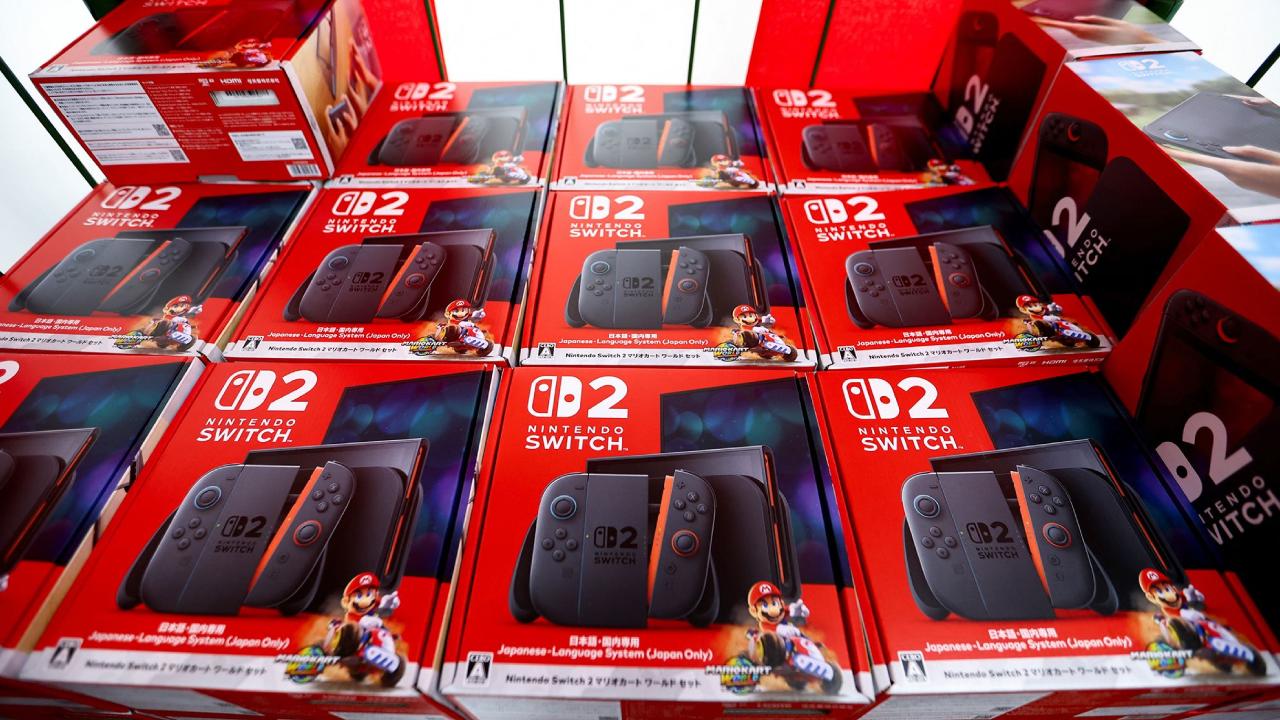
Even with the increase, the Switch 2 is still performing extremely well in the market.
Nintendo previously highlighted that it became the fastest-selling console in the company’s history, and hardware sales continue to look strong overall. The issue is not the success of the system itself, but what is happening around it, especially when it comes to software pricing and game performance at higher price points.
Nintendo announced the revisions from its headquarters in Kyoto, stating that the changes are tied to broader market conditions and long-term business planning. The company confirmed that it will first make adjustments in Japan, with wider international changes following shortly after. In the US, the Switch 2 price increase goes into effect on September 1, giving players a short window before the new pricing takes hold.
If you intend to upgrade, you may want to act fast to get the console at its current retail price. The scale of the increase is noticeable and expected in today’s gaming market. Canada will see the system rise from $629.99 to $679.99, while Europe will also face adjustments later in the year.
Nintendo’s messaging suggests the move is part of a larger global revision strategy rather than a single-region correction. Still, the timing has created urgency among buyers who want to purchase the system before the higher price kicks in.
Alongside the hardware changes, Nintendo is also adjusting pricing across other services and products.
Since June 1, Nintendo Switch Online has seen increases in Japan, and additional Nintendo products, such as playing cards, have also been impacted. These changes are regional for now, but they suggest that Nintendo is re-evaluating pricing across its entire ecosystem. The broader industry context also helps explain what is happening.
Gaming costs have been rising steadily, and nearly every major company has recently adjusted its pricing. Even with strong Switch 2 performance, Nintendo was never likely to remain immune to those pressures. The company is still operating in the same global market where production, distribution, and development costs continue to increase.
At the same time, attention has shifted toward software performance, where the picture appears more uneven. Several recent Nintendo releases reportedly did not meet the million-unit sales threshold many fans expected. Games like Mario Tennis Fever were singled out for not performing as well as they should have, especially given the new $70 price point for games.
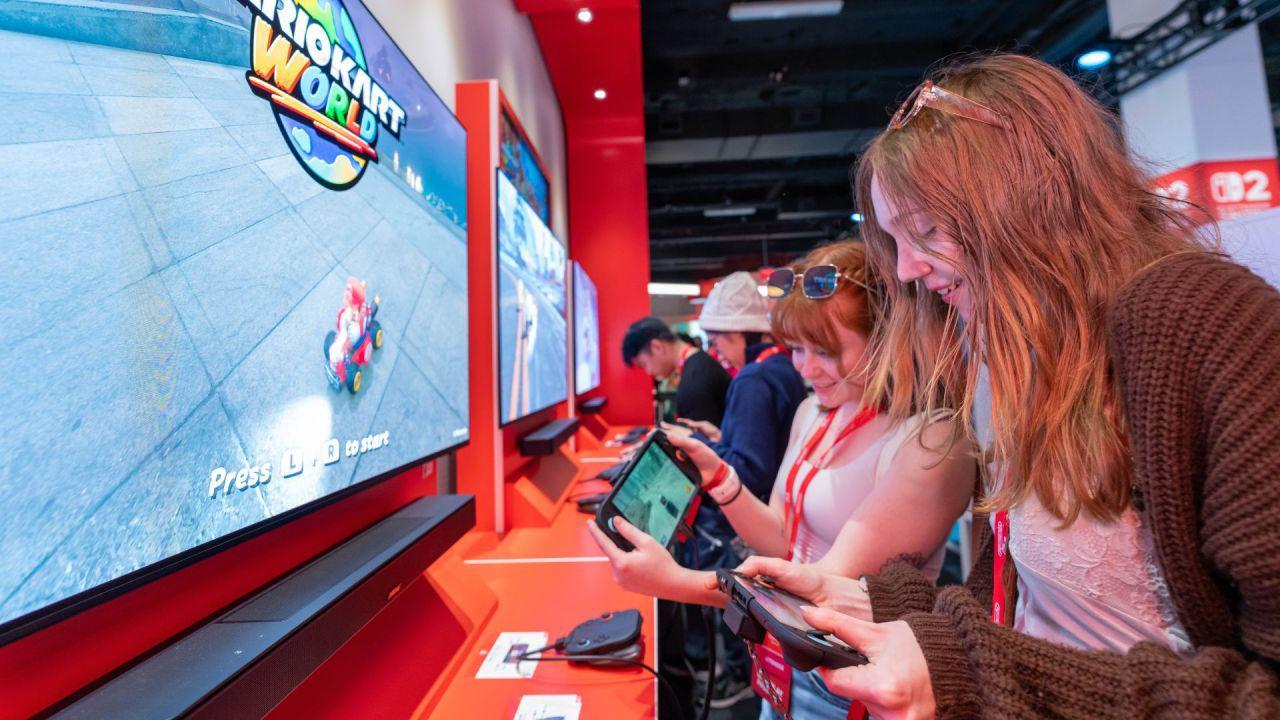
That comparison has raised broader questions about how much players are willing to spend on games with more niche appeal. That situation becomes more important when you look at Nintendo’s recent adjustments in pricing strategy. Instead of maintaining a uniform $70 model across all releases, the company has begun experimenting with lower-priced titles.
Games like Splatoon Raiders and a new Star Fox entry are reportedly launching at $50, which is significantly cheaper than the industry’s current premium pricing tier. Retailers have also been matching those prices for physical copies, making the shift even more visible to players.
The logic behind that move becomes clearer when paired with the hardware increase.
If software at $70 is showing weaker performance on certain titles, lowering game prices could help stabilize demand while the console itself becomes pricier. It creates a balancing effect in which Nintendo raises hardware revenue while maintaining accessibility on the software side. Some titles are thriving, though. It still has a good library of high-performing games and a good position overall heading into its next sales cycle.
The Switch 2 will remain a home console. Fans were also excited for releases such as Metroid Prime 4 and the continued support of successful franchises. Another factor in the conversation is the shift in expectations around blockbuster sales. While the original Switch generation delivered massive hits almost consistently, the Switch 2 appears to have a more uneven early software landscape.
This is where Nintendo’s strategy starts to look more flexible rather than rigid. Instead of forcing every game into the same pricing bracket, the company seems willing to adjust based on performance and market reaction. The hardware side presents a different perspective, however. Strong Switch 2 sales indicate that demand remains very high, even with the looming price increase.
That puts Nintendo in a position to raise hardware prices without immediately damaging momentum, especially if software pricing becomes more varied and accessible in response.
It is also worth considering how this development fits into Nintendo’s broader history.
The original Nintendo Switch benefited from a very different pricing environment, one where $60 games were standard and hardware pricing expectations were lower overall. And the Switch 2 is arriving in a market where inflation, production costs, and consumer expectations have all shifted significantly.
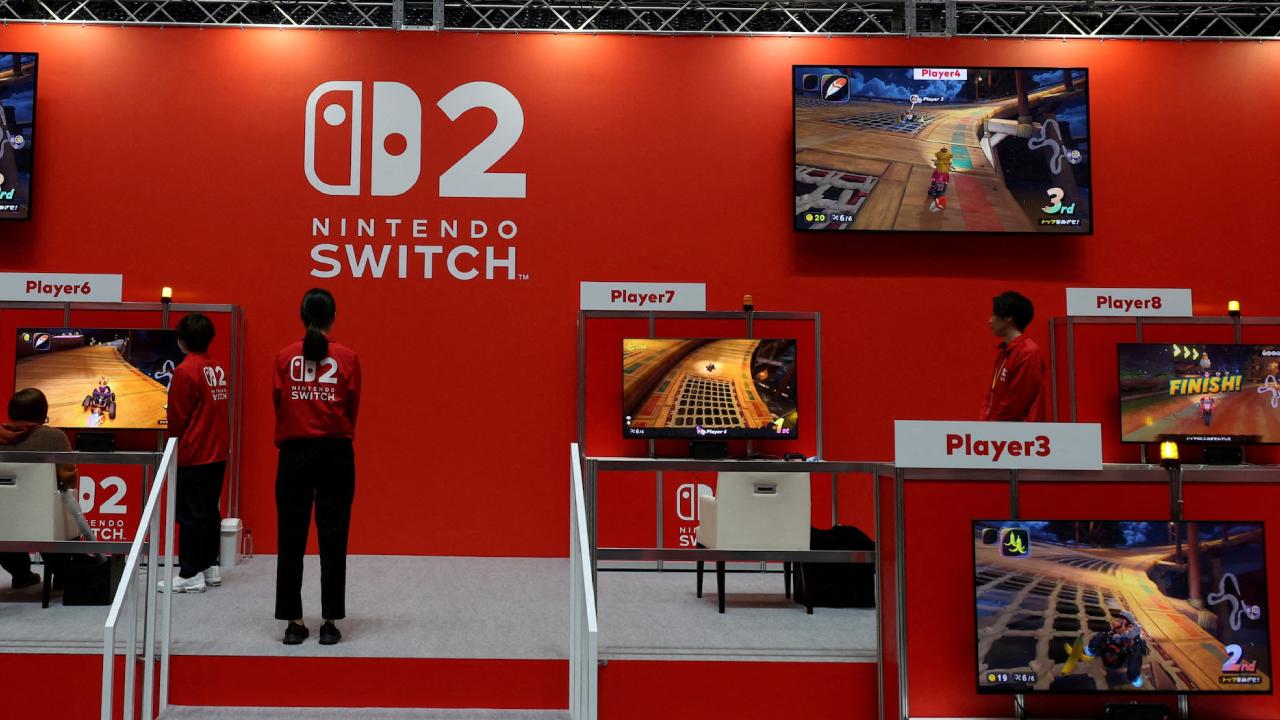
That change makes the current situation less surprising in hindsight. Strong early sales do not necessarily protect a console from long-term pricing adjustments, especially when global conditions are shifting at the same time. Nintendo seems to be responding to these pressures rather than fighting against them.
But we already see corporations making similar moves, like Sony changing the price of PlayStation 5 in different countries. That suggests Nintendo isn’t alone in this instance, but rather is part of a broader industry trend of hardware pricing slowly moving upward across the board.
All in all, the Switch 2 situation is not just one price change. It reflects a broader shift in how the gaming industry is managing both hardware and software economics. Nintendo is raising console prices while also experimenting with cheaper game releases, likely to find a middle ground that keeps both sides of the ecosystem stable.
Whether that balance works long term will depend on how players respond over the next year. Strong hardware demand gives Nintendo some flexibility, but software performance will remain the key factor shaping perception. For now, the Switch 2 sits in a position where success and pressure are happening at the same time, and both are starting to define its early life cycle.
Editor, NoobFeed
Related News
No Data.