
Sony Signals Growing Concerns Over PlayStation 6 Pricing and Hardware Costs
The PlayStation 6 is starting to take shape behind the scenes, but Sony is still trying to figure out how to launch a next-gen console in the middle of rising hardware costs and memory shortages.
News by Adeela Tas on May 10, 2026
Sony is already talking internally about the PlayStation 6, but if you were expecting the company to have a clear launch plan by now, that does not seem to be the case. According to comments shared in Sony’s explanatory materials and investor discussions, the company is still trying to figure out when the PS6 should launch, how much it should cost, and how to handle a hardware market that keeps getting more expensive.
The issue is not just building a more powerful console. Sony is also dealing with the reality that next-generation hardware is becoming much more expensive to produce, especially because of memory costs. Research and development for the PS6 is already showing up on Sony’s balance sheet, which means the company is spending heavily before the console is even announced.
.jpg)
Sony CEO Hiroki Totoki says the launch date and final price of the PlayStation 6 have not yet been decided.
The broader component market remains unstable. According to Totoki, memory prices are expected to stay extremely high through fiscal year 2027 due to supply shortages, creating major complications for Sony’s next-generation plans. That timing matters because many industry observers currently expect the PlayStation 6 to launch around the 2027 holiday season.
If that timeline remains accurate, Sony is approaching the stage where it would normally begin publicly discussing the hardware. But the company still appears uncertain about what the market will actually look like when the console is ready. Sony’s concerns extend beyond the PS6 itself.
During the investor discussion, attention was also placed on the PlayStation 5’s current performance compared to the PlayStation 4. The PS5 is no longer catching up to PS4 sales as quickly as some analysts initially expected, and production constraints appear to be contributing to the slowdown.
Sony is looking at new business strategies for the PS6 as it grapples with hardware shortages.
Even if Sony launches a major system-selling title like GTA 6, the company still needs enough PlayStation consoles available worldwide to capitalize on demand. If memory shortages and manufacturing issues prevent Sony from producing enough hardware, even blockbuster games may not create the massive sales spikes usually associated with successful console generations.
That creates a difficult situation for Sony, as the company now has to carefully consider how it approaches the PS6 business model. Totoki specifically mentioned that Sony is considering “various simulations” and exploring changes to traditional business strategies in order to find the best solution for the PlayStation 6. That statement immediately sparked discussion about what exactly Sony might be planning.
Traditionally, console manufacturers subsidize hardware heavily during the early years of a generation. Companies often sell systems at little profit or even at a loss because they expect to recover the money later through software sales, subscriptions, digital purchases, and online services. High memory costs and advanced PS6 hardware could make the next PlayStation significantly more expensive to produce and sell.
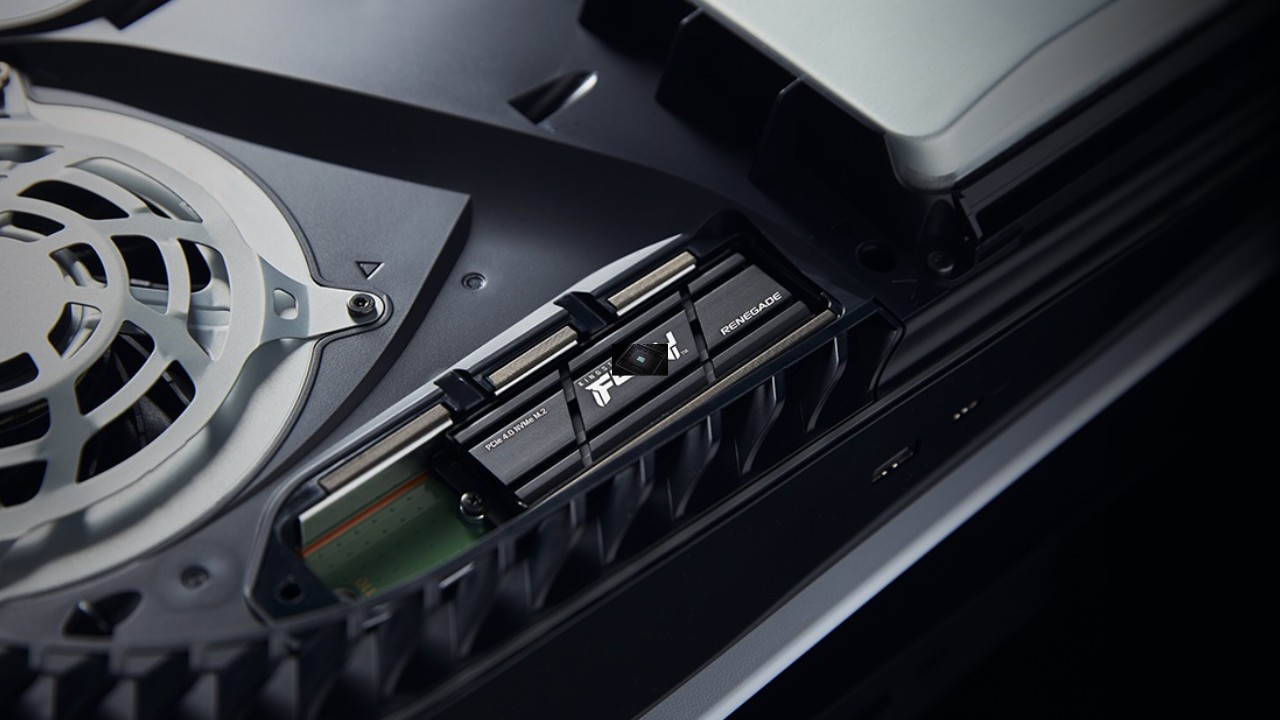
PlayStation 5 has already become significantly more expensive over time.
Sony originally launched the generation with a $400 digital PS5 model, but current pricing in several regions has climbed much higher. The PS5 Pro also pushed pricing expectations even further, reportedly approaching $900, depending on the market. If the PS6 launches with even more advanced hardware, those prices could continue rising rapidly.
One of the biggest rumors surrounding the PlayStation 6 involves memory capacity. Reports have suggested Sony may target 24GB to 30GB of GDDR7 memory for the next console. While that would represent a major technical jump, it would also dramatically increase production costs, especially during a period where memory supply remains limited worldwide.
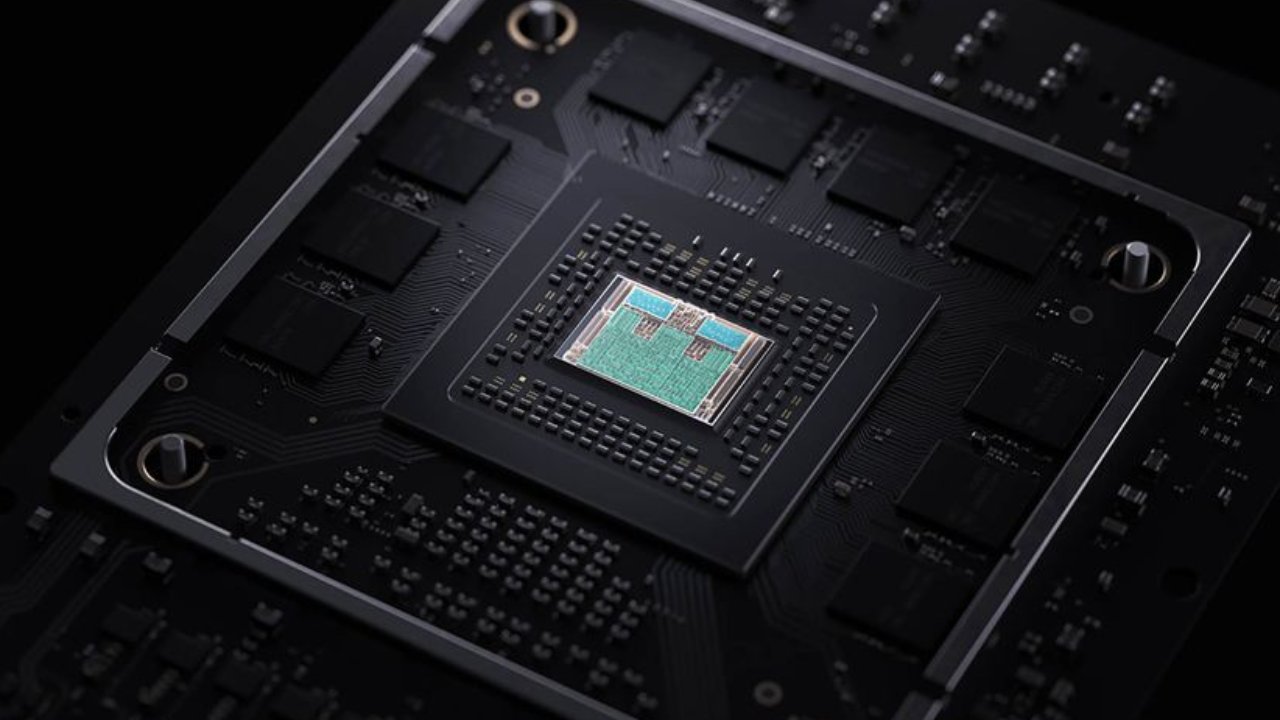
Sony and AMD have reportedly spent years designing the next PlayStation architecture, including future advancements tied to AI upscaling technologies like PSSR. But even with all that preparation, the sudden rise in component prices threatens to make the hardware much more expensive than originally expected.
Sony is considering several difficult options for the PS6 launch and pricing strategy.
The company could continue heavily subsidizing the PS6 and absorb large financial losses early in the generation. It could launch the console at a significantly higher retail price. Or it could fundamentally change how consumers purchase gaming hardware altogether.
Another concept that has been getting considerable attention is a payment plan and upgrade system like the one that works in smartphones. This means that gamers wouldn't necessarily buy the console in full for hundreds of dollars, but would rather pay in installments over many years.
This concept used to seem impossible when applied to gaming consoles, but now, given market realities, it appears very feasible. As console prices approach those of premium electronics, subscription-based purchase options will become more advantageous for both manufacturers and customers.
Sony can also decide to keep the PlayStation 5 alive for a longer period than previous generations. In other words, while it has been upgrading to a new PlayStation instantly, this time around, Sony has an opportunity to let the PlayStation 6 target enthusiasts first, while the PlayStation 5 Pro and the standard PlayStation 5 remain available.
It can be said that cross-generational gaming will be sustained with this approach, as those using older hardware will have access to major games for longer as the PlayStation 6 becomes more popular. As things stand today, however, Sony appears not to know how to proceed. There has been speculation among industry insiders about delaying the launch of PlayStation 6 until 2028 to secure lower prices.
It is not certain that prices will come down by then. Delaying the launch will simply postpone similar challenges without solving anything. This aligns with the current trends and problems the game industry is facing. The cost of making hardware is rising, the level of technology requires expensive parts, and there are shortages across industries.
The era when new consoles launched at relatively affordable prices may be coming to an end. Sony’s latest comments make it clear that the company is still trying to figure out how to balance cutting-edge hardware ambitions with a market where consumers are already dealing with rising prices everywhere else. And right now, there does not appear to be an easy solution.
Editor, NoobFeed
Related News
No Data.