
Sony’s Terms are Sparking a New Debate on Game Ownership
Sony's fine print Reminder reignites the ongoing debate over digital game ownership rights.
News by Adeela Tas on Aug 28, 2026
If you've been anywhere near gaming social media this week, you've probably heard about the PlayStation blackout and the email Sony sent out right as it kicked off. The timing feels almost too perfect to be real, and it's easy to see why people took notice.
While a PlayStation blackout was picking up steam among frustrated fans, Sony apparently decided this was the moment to remind you, in writing, that you do not fully own your digital games. To be fair, some players say they received this email a week or so before the PlayStation blackout even started, so it was not built specifically to troll anyone mid-protest.
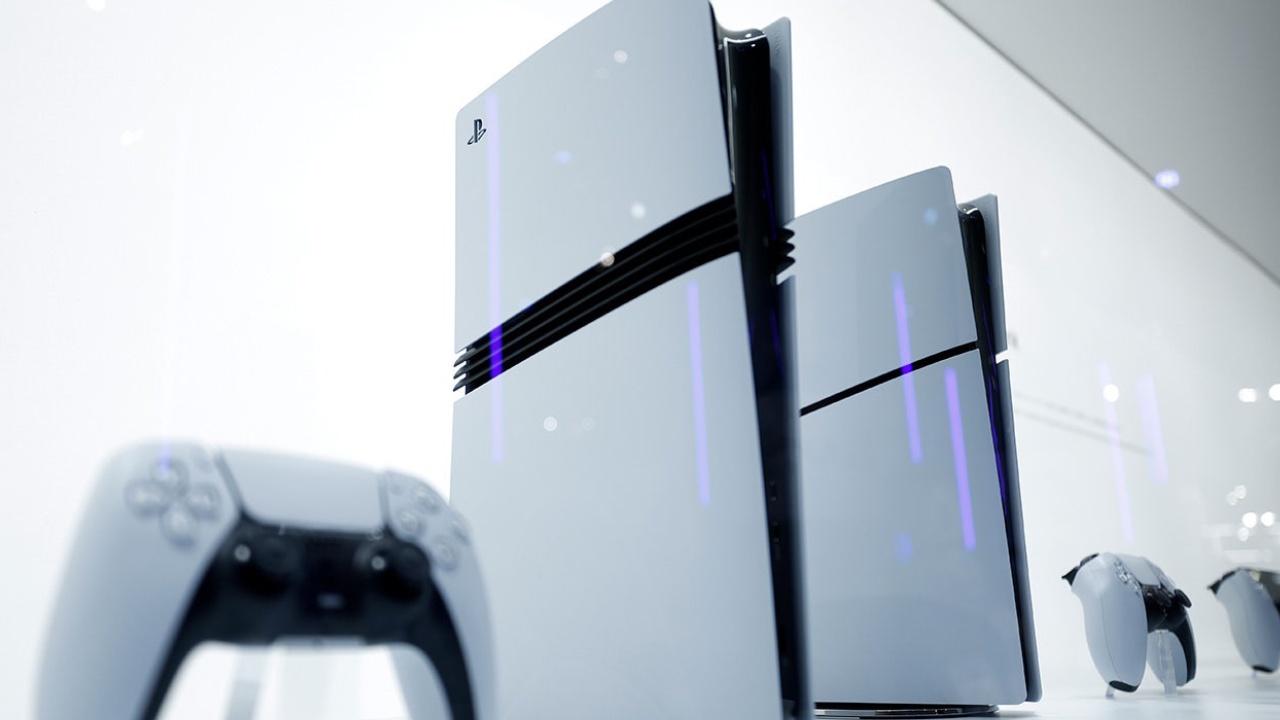
Section 1.4 spells out exactly what that ownership actually means.
A report surfaced showing the exact wording Sony used, pulled straight from section 1.4 of the PlayStation terms of service, titled "the license to you." According to that section, the software is licensed to you, not sold, and you are only granted a limited, non-exclusive, non-transferable, and personal license to play or use it for your own private, non-commercial use, and only on the system it was meant for.
That license kicks in from the announced release date, and any rights not specifically handed to you stay with Sony, including every bit of intellectual property tied to the software. Sit with those words for a second, because "limited" and "non-transferable" are doing a lot of heavy lifting there.
If the industry is genuinely moving toward an all-digital future, and it increasingly looks that way, then the terms attached to that digital ownership need to be part of the conversation too. Some fans have already accepted that physical games on PlayStation are not coming back, while others still hold out hope.
Either way, if digital is going to be the norm, then the rights you get with that digital ownership have to improve, because right now they are seriously lacking. There is more to be frustrated about beyond the license wording. The PlayStation refund process is famously bad, and getting your money back for a game you barely touched is a headache.
Sharing games proves just as restrictive as everything else.
There is also no real game sharing option the way there is on other platforms, unlike Steam, where sharing your library with friends is built in and simple. You can technically work around this on PlayStation, and it would not be shocking if Sony eventually clamps down on it entirely, but even the current workaround has been scaled back over the years.
It used to work with several accounts at once; now you are limited to just one other person. On top of that, everything on PlayStation runs through a single storefront Sony controls completely. Compare that to PC gaming, where multiple retailers sell digital codes and multiple storefronts compete for your business.
Most people default to one major launcher, sure, but you still have choices, and that competition matters for pricing and consumer-friendly policies. Going back to the email itself, you can understand why so many assume Sony timed this on purpose to mock the PlayStation blackout, even though the evidence points the other way.
It is not the only recent example of bad timing making Sony look hostile toward its own audience. Marvel's Tokon launched in a rough state on PC, with performance issues and broken online play. Once a cracked version started running noticeably better than the official release, plenty of players assumed Sony deliberately sabotaged its own port.
Motive matters less than how deliberately hostile it all looks.
Whether or not that theory holds up, it is easy to see why people believe it once you add this email into the mix. Optically, it looks like Sony is giving its customers the middle finger, even if there is no real incentive to actually do that on purpose. There is no clear benefit to upsetting your paying customers beyond a cheap laugh, and that laugh would not be worth the backlash.
Still, a lot of this will probably end up harmless for Sony long-term, and that is where the real disagreement kicks in. A short PlayStation blackout raises an obvious problem: at some point, it ends, and you go right back to spending money on the platform.
If you already pay for PlayStation Plus and you are sitting out during your subscription window, are you actually going to cancel it, or resubscribe once the PlayStation blackout wraps up? Multiple games are dropping in late August, more in September, and Grand Theft Auto 6 arrives in November.
If you genuinely want to make a statement, you have to be willing to skip all of that too, and that is a far harder commitment than sitting out for a week. The bigger issue with a PlayStation blackout as protest is that it does not redirect your spending anywhere else.
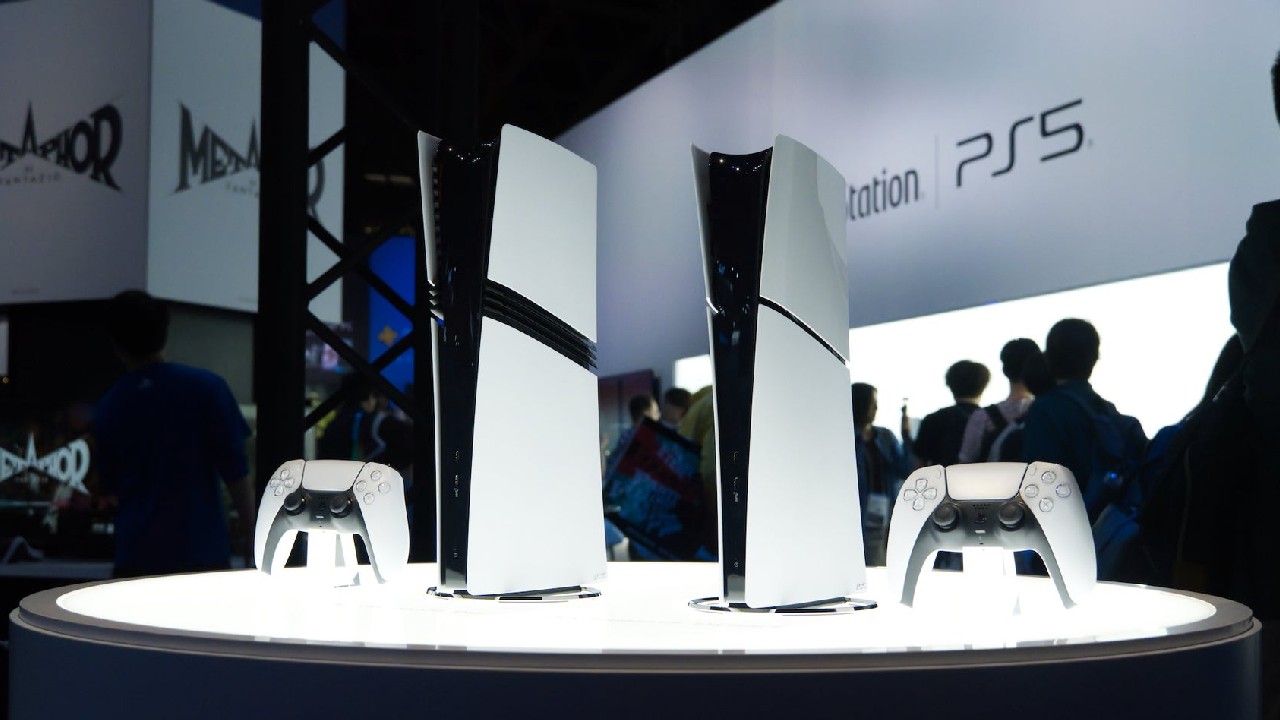
Redirecting that spending elsewhere comes with its own tradeoffs.
Real change requires people to take their money elsewhere, and the honest question is where that money would even go. PC gaming is genuinely excellent if you have the budget, but it comes with its own headaches. Ports can launch broken, and performance issues are far from rare.
Picture being excited for Marvel's Tokon and dealing with its PC problems firsthand, or booting up Metal Gear Solid Delta: Snake Eater last year only to have it crash a dozen times in one sitting. When you have already spent fifteen hundred or two thousand dollars on a gaming PC, a crash like that stings differently than a hiccup on a five- or six-hundred-dollar console.
You could argue PC gaming makes up for it with free online play, but that is a separate conversation from whether it is a smooth landing spot for everyone frustrated right now. This moment is nothing like 2013, when XBOX pushed always-online requirements and handed PlayStation a massive advantage.
People tend to misremember how that unfolded. It was not one decision; it was years of XBOX drifting from its core audience, leaning hard into Kinect, and slowing its first-party output while PlayStation kept releasing one strong exclusive after another.
No equivalent alternative exists for PlayStation owners today.
The always-online backlash was simply the final spark on an already built-up fire, and PlayStation had a genuine, appealing alternative sitting right there. There is no equivalent alternative today. A seven- or eight-hundred-dollar Xbox Series X is not going to pull people away in meaningful numbers, and no other console maker is positioned to swoop in the way PlayStation once did.
That absence of competition is precisely why a short-term PlayStation blackout is unlikely to change much of anything. Without real competitive pressure, there is little reason for Sony to alter course, and that should worry anyone hoping for a shift back toward more consumer-friendly digital ownership terms.
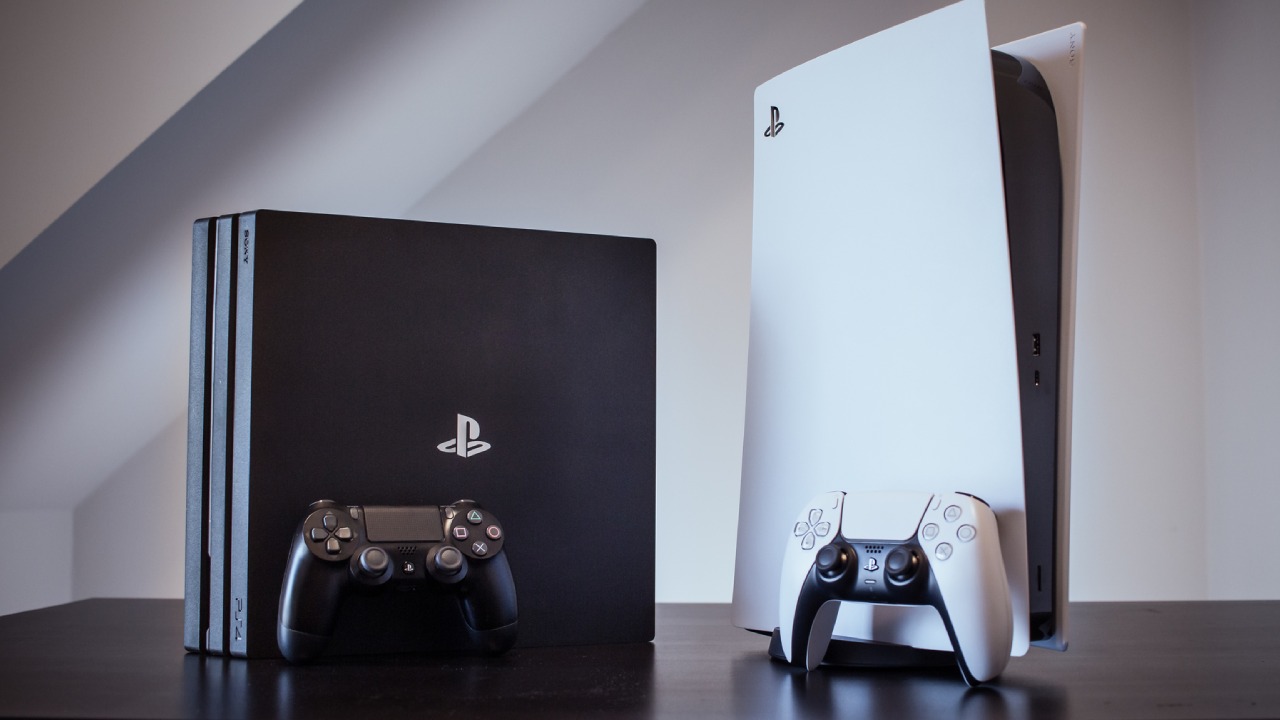
What comes next is arguably more concerning than the PlayStation blackout itself. Once physical media is fully gone, expect PlayStation Plus prices to keep climbing and expect Sony to look for new ways to squeeze revenue from its existing base.
Sony's own leadership has pointed out the company sits in a relatively strong spot compared to competitors because it already has such a large install base. The catch is that once your install base stops growing meaningfully, and revenue still needs to climb, the pressure shifts toward monetizing the people already on the platform more aggressively.
Monetizing loyal users could take several increasingly aggressive forms.
That could mean higher subscription costs, more passive income baked into PlayStation Plus, or pushing harder toward exclusively digital sales where you have zero leverage as a buyer and Sony controls the entire experience from start to finish. None of this means the email was some calculated shot fired during the protest. It genuinely looks like an unfortunate coincidence layered on top of an already messy stretch for the company.
But between the rough Marvel's Tokon PC launch and now this reminder about limited, non-transferable digital ownership landing during an active PlayStation blackout, it makes sense why so many fans feel like Sony keeps ending up as the villain in its own story, intentionally or not.
Editor, NoobFeed
Related News
No Data.