
Starfield 2 May Not Happen Due to Studio Scope Issues
Former Bethesda developer says the space RPG fell short of its original vision, raising questions about what went wrong and whether a sequel could ever fix it.
News by Adeela Tas on Sep 26, 2026
Starfield 2 may never happen if Bethesda decides the original game did not perform strongly enough to justify another massive project. A former Bethesda Game Studios developer has argued that the first game fell well short of its potential and suggested that a sequel could have benefited from the lessons learned during development.
The comments point to a bigger issue than sales alone. Starfield was built around a huge collection of systems, including procedural planets, spaceship customization, exploration, and outpost construction. The problem was not enough time or people to connect those ideas.
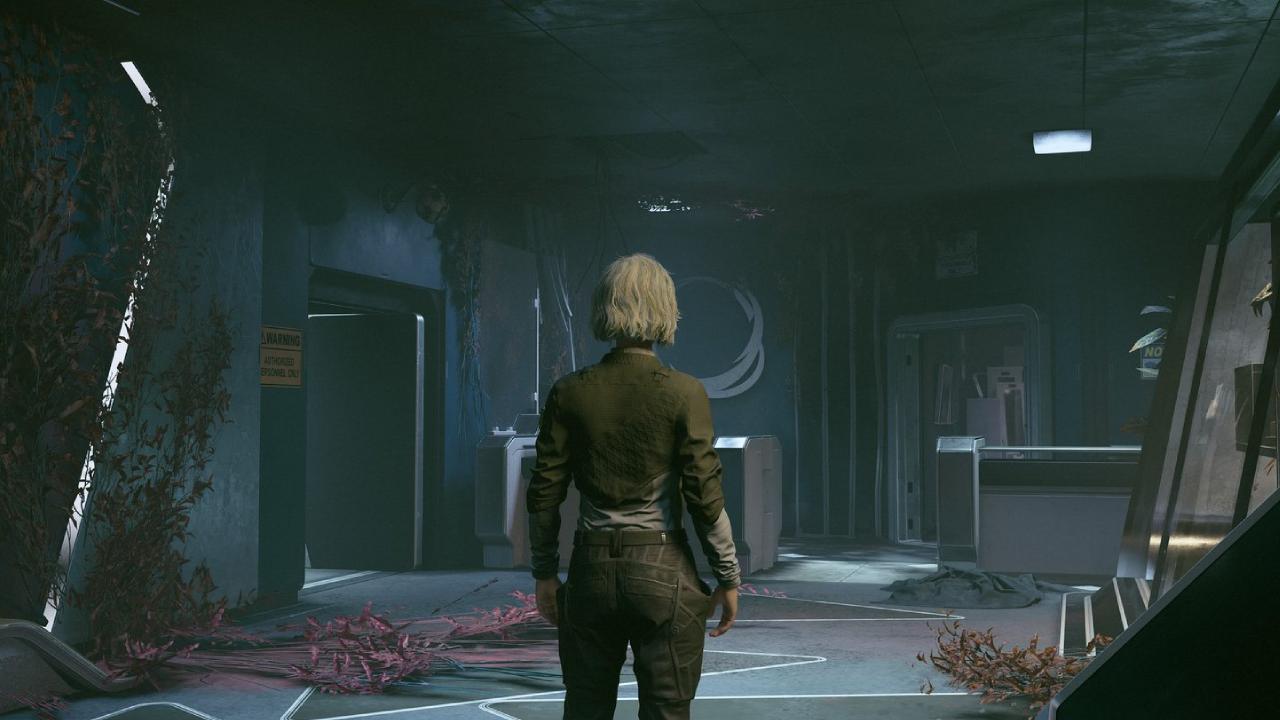
That helps explain why Starfield 2 is now being discussed less as an expected follow-up and more as a missed possibility. A second Starfield 2 discussion also highlights how difficult it is to justify another project. The original game had the scale of a major Bethesda release, but its systems did not always feel connected.
The former developer, who worked as a lead systems designer on Starfield, said he would be surprised if Bethesda ever made a sequel.
His reasoning was straightforward: the first game was not successful enough to make another entry an obvious choice. Bethesda has continued supporting the game with updates and additional content, but its main focus has shifted toward The Elder Scrolls VI.
There is also a notable difference between how Starfield was discussed publicly and the numbers Bethesda highlighted. The company promoted the game as reaching 17 million players, but did not frame that milestone around traditional sales the way it had with older releases. That matters because the game launched in an era where XBOX Game Pass made player counts a particularly useful measure.
Starfield still had a strong launch year. It was among the best-selling games of 2023, despite releasing alongside several major titles. However, its longer-term momentum appears much weaker. The jump from around 13 million players to 17 million over a much longer period, including its later PlayStation 5 release, was seen in the discussion as a sign the game didn't pull in the kind of sustained audience Bethesda may have hoped for.
The post-launch strategy also contributed to the problem. Players who wanted a major overhaul comparable to Cyberpunk 2077 did not get that with Starfield. Its first major expansion was criticized for failing to deliver that turnaround, while later content continued refining existing ideas. That brings the discussion back to what Starfield was supposed to be.
The former developer suggested that the finished game did not fully match the vision associated with director Todd Howard.
A sequel, in theory, could have taken everything learned from the first game and moved much closer to that original concept. That is the strongest case for Starfield 2. But that possibility becomes difficult when the first entry has not generated enough momentum to justify another enormous production.
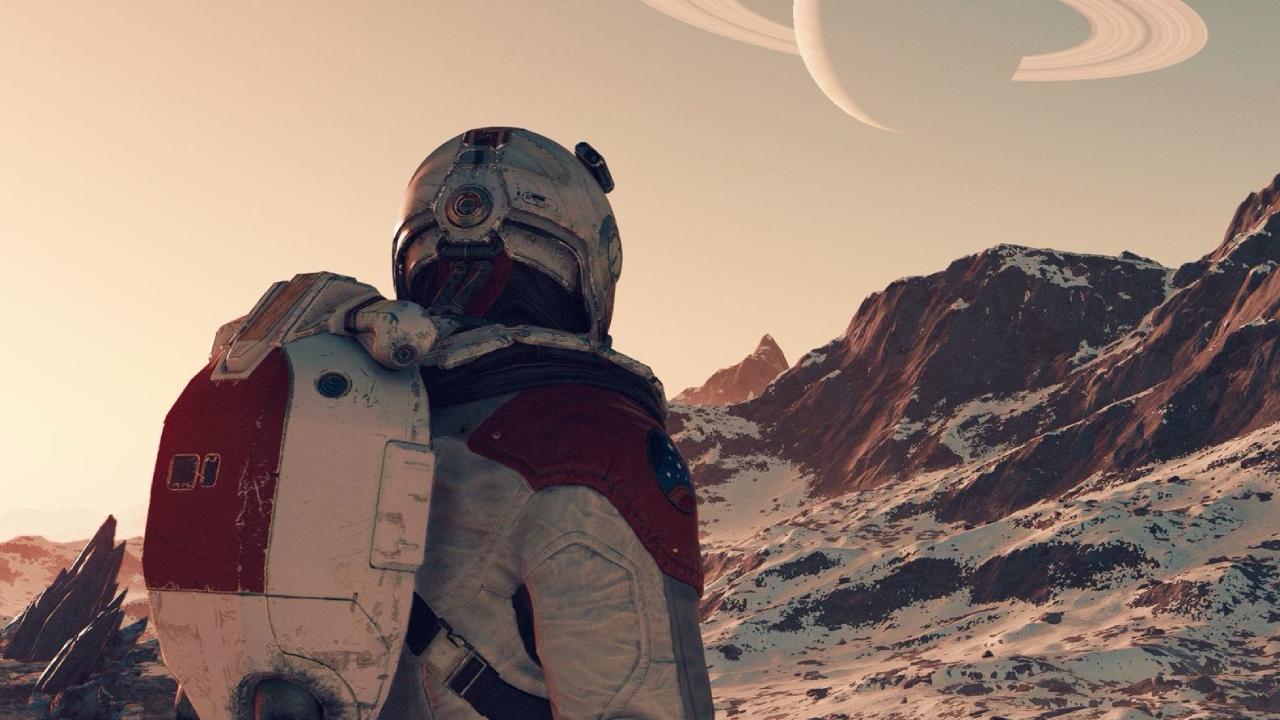
One of the clearest examples is the outpost system. On its own, building a base on almost any planet is impressive. You can gather materials, construct facilities, and create your own location across the game's enormous map. The problem is that the system sits somewhat apart from the main story and mission structure.
That separation makes the feature feel less important. Bethesda has previously done a good job connecting optional systems to the wider identity of its games. Fallout 4's settlement mechanics, for example, fit a game centered on rebuilding communities after a catastrophe. Skyrim's house-building content was tied to specific locations, services, quests, and family mechanics.
Those systems had a clear relationship with the worlds around them. Starfield's outposts lack that same level of integration. The game's central premise is humanity looking beyond Earth and discovering what exists elsewhere, yet much of the exploration can lead to planets that feel empty by design.
Finding nothing can be intentional, but when that approach repeats across such a large universe, the game's sheer size can work against its sense of discovery.
The former developer also said the team needed to be larger to deliver the original ambition. Even with one of Bethesda's biggest development teams, there were not enough people to create the amount of content the concept demanded. Many of the game's mechanics were also new or significantly expanded, meaning designers had to wait for systems to be completed before they could build content around them.
Once a new system is delayed, the teams depending on it lose time too. Eventually, there is less room to build missions, locations, and other content that could have made the system feel worthwhile. This is where the game's enormous scope becomes important.
Bethesda Game Studios was reportedly at roughly 400 to 500 people during development, with the entire studio eventually focused on finishing the project. XBOX also provided significant support. Yet even that staffing level wasn't enough to fully realize the ambition being described.
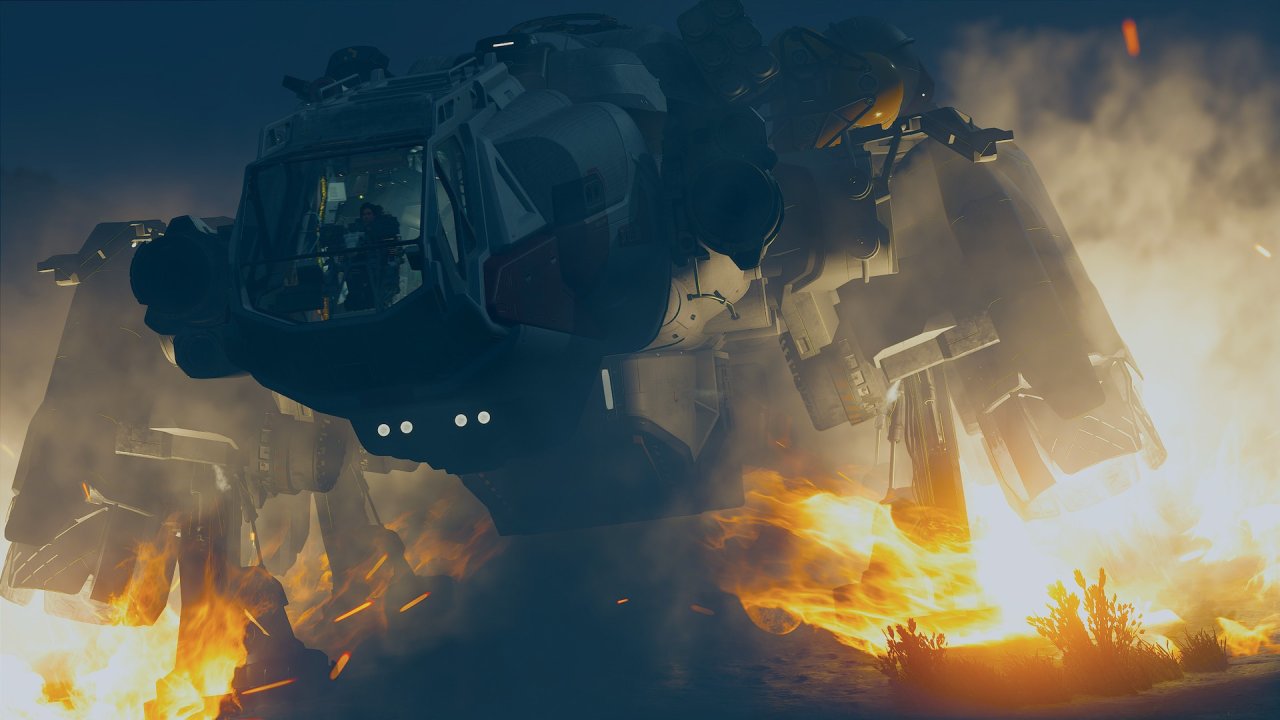
Starfield's size is undeniable. There are huge numbers of star systems, planets, side activities, and locations, and plenty of players still have not seen everything. But scale can also make content feel like a needle in a haystack. If meaningful handcrafted moments are spread too thinly across a massive procedural universe, simply adding more planets doesn't necessarily make exploration more engaging.
That raises an interesting possibility for Starfield 2 that may never become reality.
Instead of expanding the universe again, Bethesda could have focused on fewer planets and made each one substantially deeper. A handful of richly built-out worlds could give you locations, characters, missions, and exploration that actually stick with you, way more than hundreds of planets that mostly just exist to make the game feel big.
That approach would also tackle one of the biggest lessons learned from making the first game: bigger isn't automatically better. Piling on more mechanics, more planets, and more systems can just mean more work, not a better game.
Several former Bethesda developers have discussed disagreements over Starfield's development, including decisions about its engine, scope, and individual systems. Taken together, those comments make the game an interesting example of feature creep and scope creep. A system can sound great during planning, but once it requires a large team to build, test, expand, and connect to the rest of the game, its real cost becomes much clearer.
The outpost system is a useful example because the work behind it could have been redirected elsewhere. The same applies to the procedural planet technology and other systems that helped define the game's scale. If some of that effort had gone toward handcrafted content instead, the final balance between exploration and authored experiences could have looked very different.
There is also a practical reason why Starfield 2 would be difficult.
Bethesda still has The Elder Scrolls VI ahead of it, while Fallout remains one of the company's most important franchises. The longer Bethesda spends on one massive project, the longer players wait for the others. A second Starfield would therefore carry an opportunity cost far beyond its own development time.
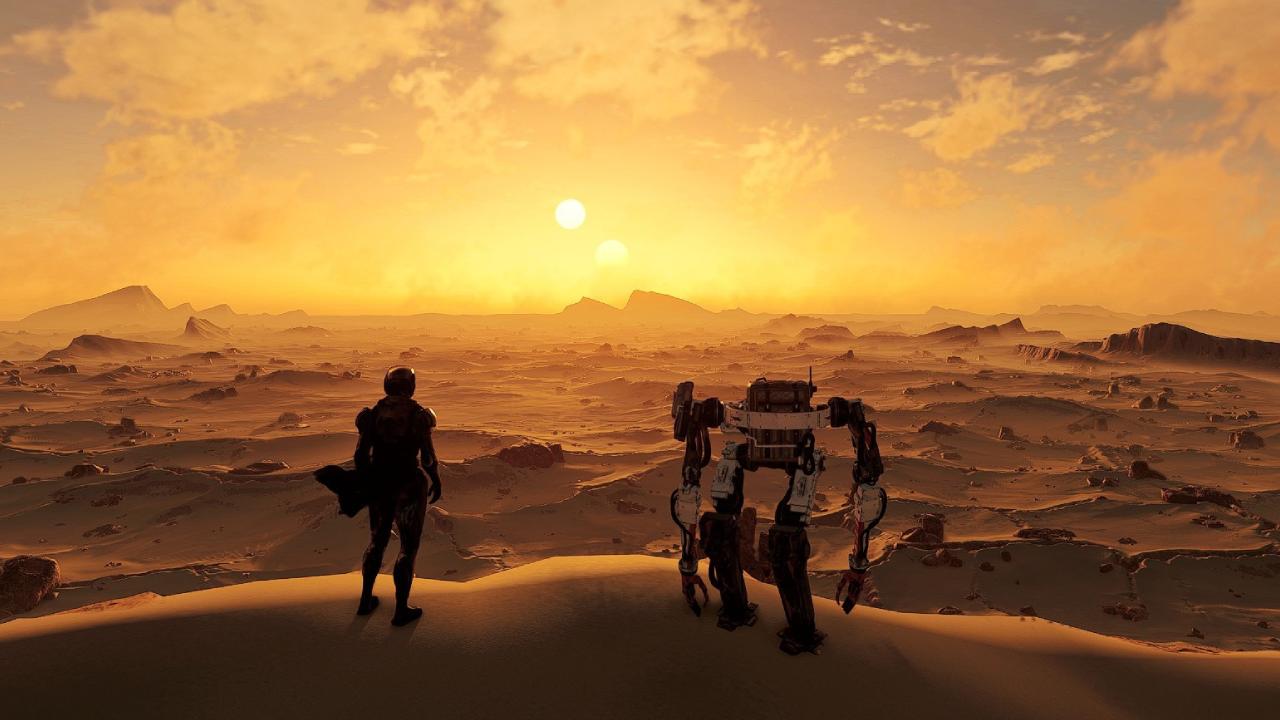
For now, Starfield's future is far less certain than its original launch suggested, making Starfield 2 an increasingly distant possibility. Bethesda can support the game for a while. Still, the combination of its long-term engagement, the scale of development required, and the need to prioritize other franchises makes a direct sequel hard to imagine. That makes Starfield 2 even harder to justify.
That does not mean the original game had no value. It remains one of Bethesda's largest projects, and its systems show what the studio can attempt when it pushes beyond the traditional fantasy and post-apocalyptic settings of its biggest series. But the comments from a former developer suggest that ambition itself may have been part of the problem.
If Starfield 2 never happens, the irony is that the first game may have contained the blueprint for a better sequel. Bethesda learned where its systems struggled, where its world felt too broad, and how much manpower its vision required. The frustrating part is that those lessons may never get the chance to be applied to Starfield 2 or another game in the series.
Editor, NoobFeed
Related News
No Data.