
Steam Frame VR: Latest Leaks, Features, and Official Valve Details
Steam Frame information continues expanding through new leaks, datamines, software updates, and official documentation released by Valve.
News by Masaru Hoshino on Jan 14, 2026
Over the last few days, Steam Frame has appeared everywhere online. Price leaks have been circulating, new SteamVR updates have introduced eyetracking features, and Valve has quietly published official Steam Frame documentation through Steamworks.
All recent information, leaks, rumors, datamines, and confirmations can be gathered and understood in one place when everything is laid out clearly.
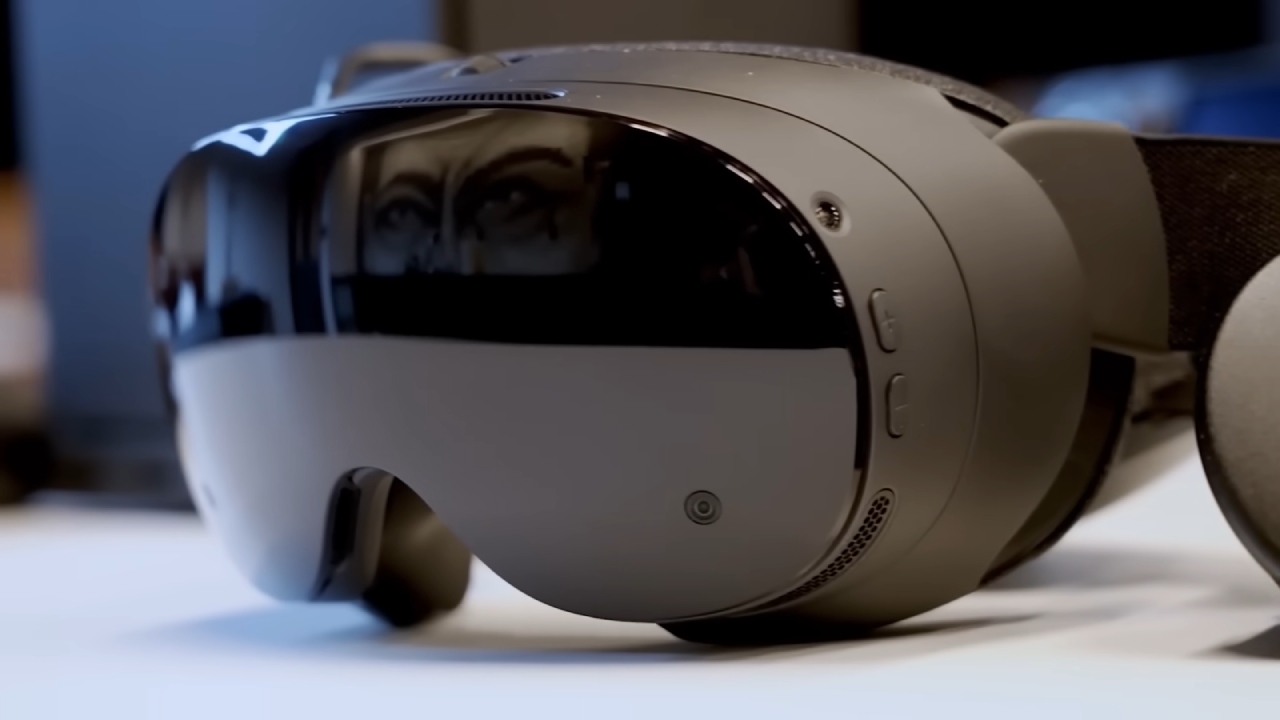
Over the last 24–48 hours, many posts have claimed to know the price of both the Steam Machine and Steam Frame, with numbers like $600 for a 512GB Steam Machine, $700 for a 2TB version, and $900–$1,000 for the Steam Frame. Others suggest Valve delayed the price reveal entirely due to increasing part costs. The most important part is that none of these prices are confirmed.
There is no official Valve announcement, no reliable sources supporting any of these assertions, and no reliable source connecting these data.
These numbers are only rumors that are reacting to other rumors, not proven disclosures. That doesn't indicate the ultimate price will be high or low; it just means we don't know yet. Until Valve or a reputable source speaks publicly, none of the circulating figures should be trusted.
While the price remains unknown, something more substantial is happening behind the scenes. Thanks to recent datamining work, especially from SadlyItsBradley, new eyetracking features have begun appearing directly inside the latest SteamVR update.
This is significant because these features are implemented at the system level rather than inside individual games, long before the headset even launches. The update includes based perspective correction, gazebased reprojection, and foveated sharpening options. These tools use eyetracking to solve long-standing VR issues.
Perspective correction reduces lens distortion as your eyes move. By focusing resources on what you're actually looking at, gazebased reprojection keeps VR performance stable throughout drops. Developers don't have to update their games for these changes to work because they are built into SteamVR instead of the code for each game.
Valve is improving VR at the platform level, and the appearance of these features so early suggests that Steam Frame is well past the conceptual stage and that groundwork for the system is actively being laid out now.
One of the biggest confirmations so far is that Valve has published official Steam Frame documentation inside Steamworks. This is not a leak or a datamine but direct information from Valve about how Steam Frame actually works.
According to the documentation, Steam Frame runs on SteamOS using the same Linux-based approach as the Steam Deck. Valve confirms that PC streaming works through a dedicated USB dongle. You connect it to your computer, and it installs the SteamVR driver. Then you use a code that is similar to Steam Remote Play to link the headset.
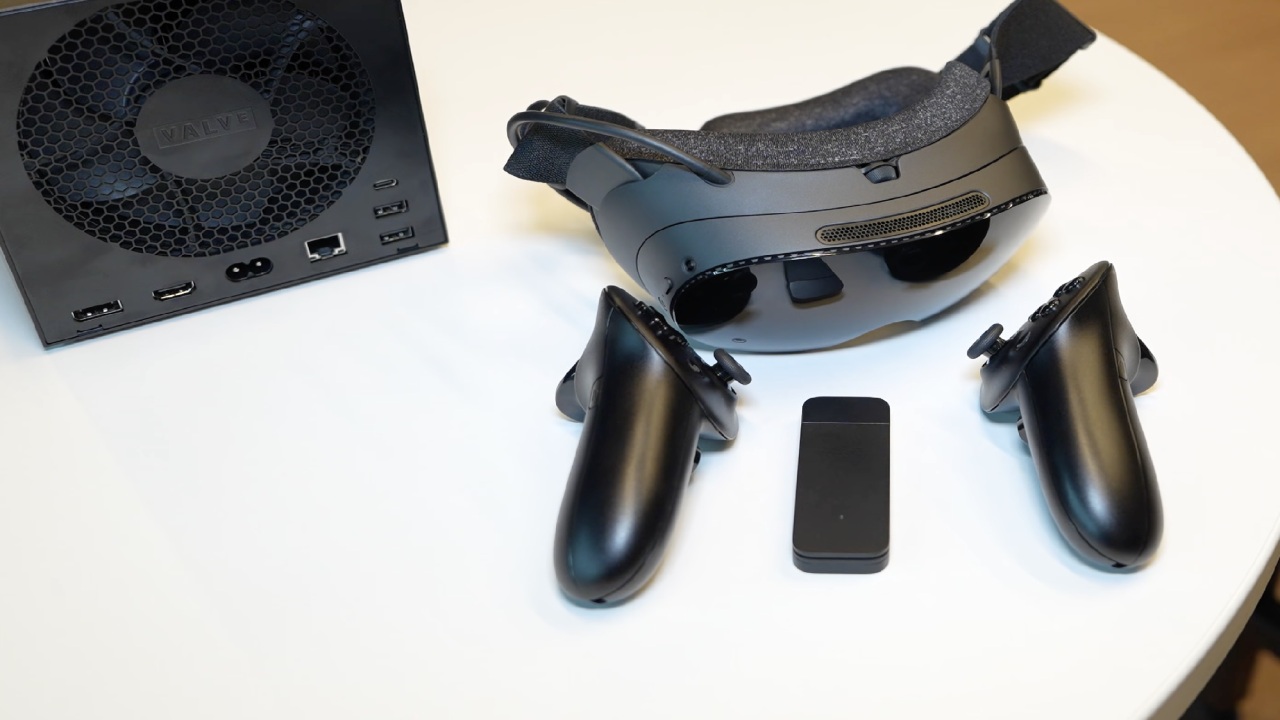
Once you've paired Steam Frame, it will automatically connect every time you start SteamVR on the host PC. This means you won't have to go through the pairing process again or do it manually. You just load SteamVR, put on the headset, and you're in. This fits with Valve's design philosophy of making VR feel more immediate and less complicated by decreasing friction.
Valve says that there are three main ways to play on the Steam Frame. You can stream your games with an emphasis on low latency and good quality. Like a console, you can play games on the headset itself. You can also run ARM64 and Android APK apps directly on the device.
This makes Steam Frame far more flexible than headsets locked into a single category. It is not just PC VR, not just standalone VR, and not just a console-style device. It is all three at once. Valve adds that if you attempt to run x86 PC games locally on the headset, performance will not be ideal, so those games are better streamed from a PC.
Steam Frame’s strongest performance will come from running software on its native ARM chip.
Many VR games already have Quest versions with ARM builds, making Steam Frame ports more realistic than many people may expect. With eyetracked foveated rendering added on top, standalone performance could be extremely competitive.
Valve also says that it works perfectly with SteamVR, OpenXR, Unity, Unreal, Godot, and even bespoke engines. The same software-first approach that worked with the Steam Deck is being used again with the Steam Deck. Developers already have access to debugging tools, performance overlays, and Steamworks connectivity.
Another detail in the documentation that deserves more attention is Valve’s explicit support for ARM64 and Android APKs. This supports a broader shift happening in Linux gaming. For decades, PC gaming revolved around x86 architecture used by Intel and AMD chips.
Steam Frame, however, is built around an efficiency-first strategy, where ARM brings better performance per watt, better thermals, and better battery life. These are all essential qualities for VR hardware, and it is why standalone headsets rely on ARM. The challenge for ARM is software compatibility.
If Steam Frame launches on ARM, how do you avoid launching with a small library? Valve's answer is a plan that has a lot of elements. You don't need anything extra to use native ARM and APK apps. You can play full-scale VR games like Half-Life Alyx on your PC. Over time, translation layers and SteamOS updates make games work better with different types of chips.
This slowly adds new games to the collection that you can play. This is similar to the Steam Deck concept, which aims to start with good hardware and then quickly add support for more games through software upgrades.
There is confusion over pricing because Steam Frame doesn't fit into any of the current categories. It is not just a PC VR headset, a standalone device, or a console. It does all three things. This means that there is no clear point of comparison, and people are free to guess in any way. If Valve prices it like a console, it will cause problems.
If it costs as much as a high-end PC, it might be worth it, but it's still pricey. The truth is that no one knows yet. As soon as Valve tells us the official price, we'll know exactly where Steam Frame fits into the world of VR. All of the figures that are going around right now are just rumors till then.
Editor, NoobFeed
Related News
No Data.