
Why Switch 2 Exclusive Games Rival the Older PS5 Lineup So Soon?
Despite having far less time on the market, Nintendo’s latest console has built a surprisingly large lineup of exclusive games, raising questions about how much content you really need from a primary platform.
News by Adeela Tas on Sep 30, 2026
The debate around Nintendo Switch 2 exclusives usually starts with a simple question: can Nintendo’s newer console already offer more reasons to own it than PlayStation 5? The comparison is unusual because Sony’s system has been around for nearly six years, while Nintendo's hardware has been available for just over a year.
Yet, when you separate true exclusives from ports, remasters, and games that eventually reached PC, the gap becomes much more interesting. For this comparison, we focus on games that give the hardware something distinct. Simple last-generation ports and remasters are left out, while ground-up remakes count. Third-party games that are only temporarily exclusive or also available on PC are also excluded.
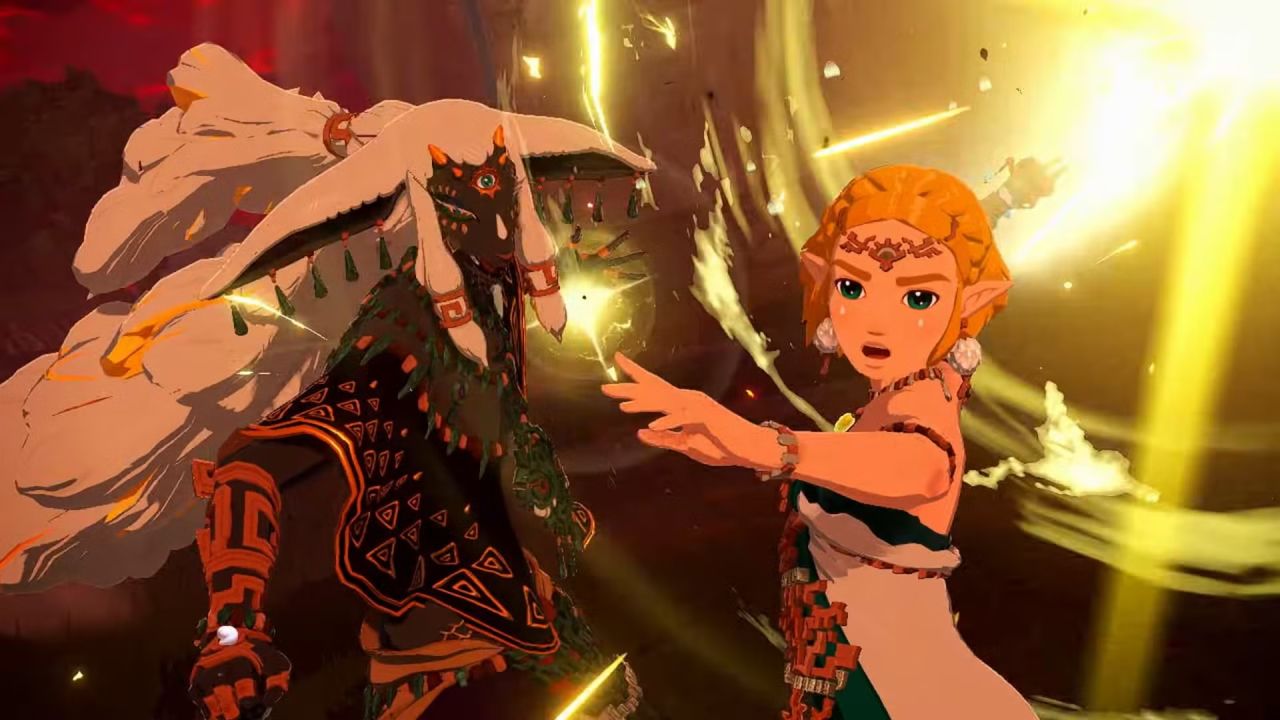
This leaves a clearer look at first-party and major AA-style games that give each platform its own identity.
Here's what Switch 2 has going right now: Mario Kart World, Donkey Kong Bananza, Pokémon Legends: Z-A, Hyrule Warriors: Age of Imprisonment, Kirby Air Ride, Metroid Prime 4: Beyond, Mario Tennis Fever, Pokémon Picopia, Star Fox, Splatoon Raiders, and Fire Emblem: Fortune's Weave. Some of those are also available on the original Switch.
Upcoming Nintendo Switch 2 exclusives include Nintendo Switch Sports Resort in October, The Legend of Zelda: Ocarina of Time Remake in November, Metroid: Ravenous in January 2027, Kirby and the World Beyond in spring 2027, Pokémon Winds and Waves in 2027, and Xenoblade Genesis later that year.
Smaller releases such as Drag x Drive and Nintendo Switch 2 Welcome Tour add to the total, bringing the list to 19, with six upcoming and 13 already available according to the breakdown. That makes the Nintendo Switch 2 exclusives count notable considering how young the platform is.
It also becomes more significant when you consider what those games are designed to do. Nintendo's strategy is not simply about having the most technically demanding software. It is about creating recognizable franchises and experiences that can fill the limited gaming time many players actually have.
The PS5 exclusives comparison gets complicated much faster.
Its lineup includes Marvel's Spider-Man 2, Demon’s Souls, Sackboy: A Big Adventure, God of War Ragnarök, Horizon Forbidden West, Concord, Astro Bot, Death Stranding 2, Destruction AllStars, Gran Turismo 7, Marvel’s Spider-Man 2, Ratchet & Clank: Rift Apart, Returnal, The Last of Us Part I, Until Dawn, Saros, Wolverine, and God of War: Sons of Sparta.
However, several of those games are also on PS4 or PC, while others are no longer active. If you remove those releases and focus strictly on games that remain PS5-only under this definition, the list drops considerably. The breakdown counts six true PS5 exclusives, while 18 games qualify as console exclusives in the broader sense.
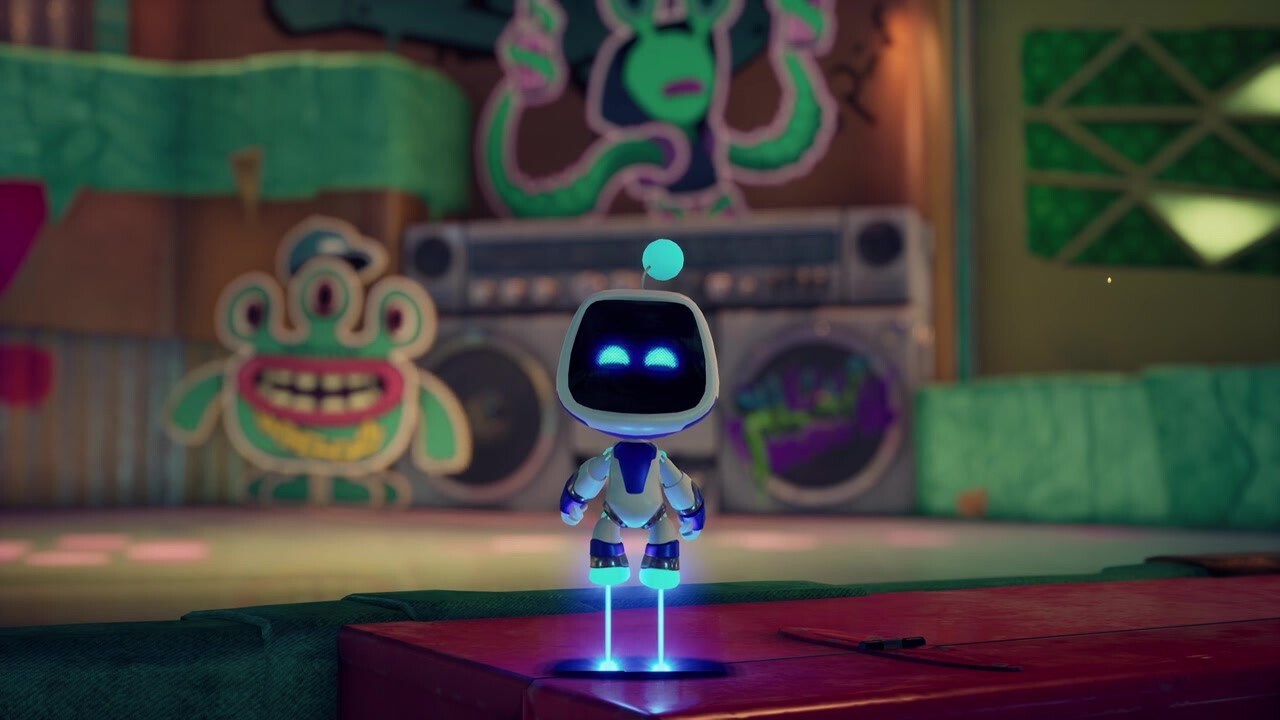
Eleven of those also appear on either PC or PS4. That difference matters in the PS5 exclusives comparison because the PS5's age hasn't automatically translated into a larger collection of games that can only be played there.
This is where Nintendo Switch 2 exclusives matter more than simply counting released games. You can own a PS5 for years and still access many of its major first-party games elsewhere, especially if you also have a gaming PC. Nintendo, meanwhile, keeps its major first-party franchises closely tied to its own hardware.
That does not mean PS5 exclusives have little to offer.
Its hardware delivers stronger performance, a large third-party library, and access to games that aren't practical on Nintendo's hardware. The point is that exclusivity is only one part of the value equation, and Nintendo approaches that equation differently.
Time is another major factor. You can't realistically play every big release, especially when work, family, and everything else in life are pulling at your time. For someone buying only a few games each year, having dozens of third-party releases available may matter less than having a small, consistent collection of games they genuinely want to finish.
That helps explain why Nintendo Switch 2 exclusives can make the platform appealing as a primary console. Portability changes how you use it. You can play while waiting for a car repair, sitting at an appointment, traveling, or simply when you don't have a long, uninterrupted evening at home. That flexibility can matter as much as graphical performance for someone with a limited gaming schedule.
The original Switch library also strengthens the argument. Backward compatibility means Switch 2 owners can play a huge library of older games right away, and enhanced versions make some of those games run better without waiting for a whole new wave of software. Add the new releases and Switch 2 editions on top, and it starts to look like one place for both the old and new Nintendo games.
Nintendo's steady stream of first-party games is another big part of the pull.
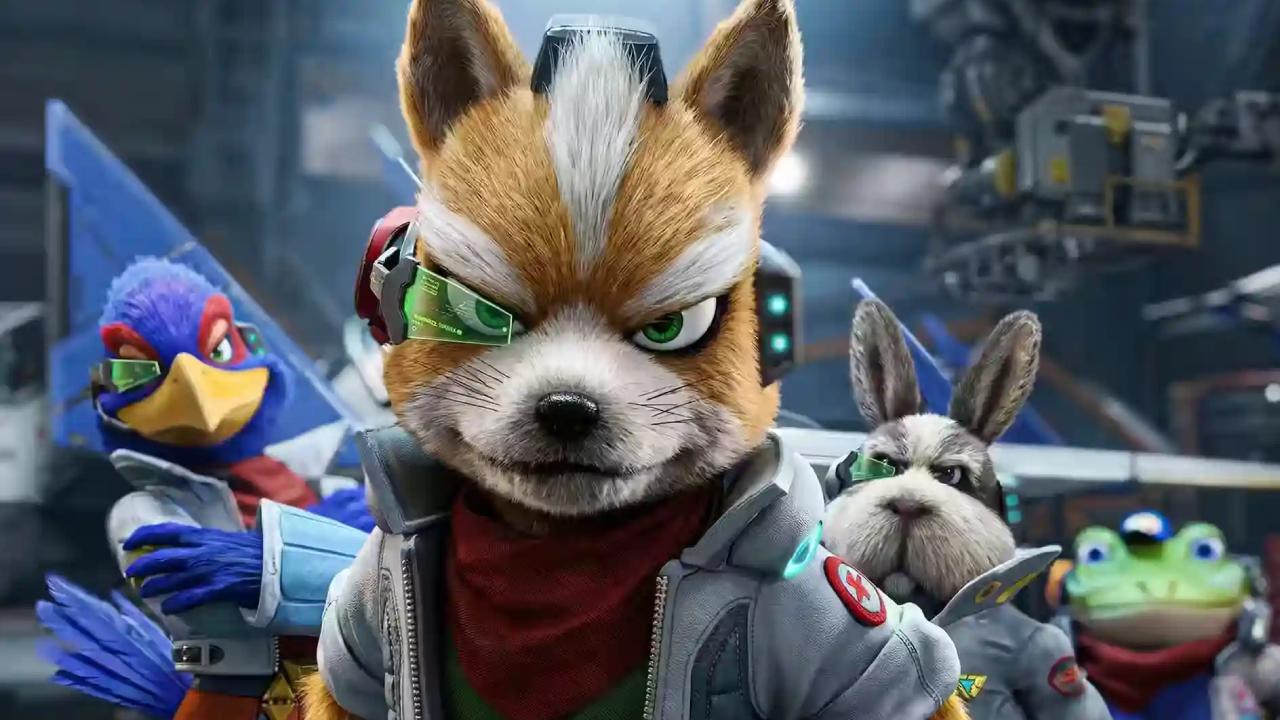
Releases include Star Fox, Pokémon Picopia, and Fire Emblem: Fortune’s Weave, followed by projects such as The Legend of Zelda: Ocarina of Time, Xenoblade Genesis, Pokémon Winds and Waves, and Metroid: Ravenous. The argument is not that every game will appeal to every player, but that Nintendo is maintaining a steady stream of recognizable franchises.
Third-party support is also broader than it was on some previous Nintendo hardware. Games such as Onimusha and Resident Evil Requiem show that developers are bringing more major releases to the platform, even when the versions may not match PS5 performance. For some players, bringing those games along can outweigh the technical differences.
There is also a larger point about how people choose a primary console. A player with enough money and time can own a PS5, XBOX, PC, and Switch 2, but that is not realistic for everyone. If your budget only allows a handful of games each year, your decision may come down to which platform offers the specific experiences you care about and fits your schedule.
That is why the Nintendo Switch 2 exclusives discussion cannot be reduced to graphics or third-party support. PS5 exclusives can define a primary platform because of its performance, major releases, and extensive third-party ecosystem. XBOX and PC can fill similar roles for different reasons. Nintendo’s hardware simply offers a different combination of first-party software, portability, backward compatibility, and platform-specific releases.
The comparison also shows how different the current console market is from earlier generations.
It's argued that big third-party releases feel more spread out than during the sixth and seventh generations, when games such as Mass Effect, Fallout, and The Elder Scrolls helped define the broader landscape. With major releases arriving less consistently, a platform with a reliable first-party schedule can appeal more to players who don't have time to chase every major game.
These libraries also differ in practical use. A PS5 owner can have an enormous menu of games, but that can create its own problem when available time is limited. You may already have a backlog before reaching a major first-party release.
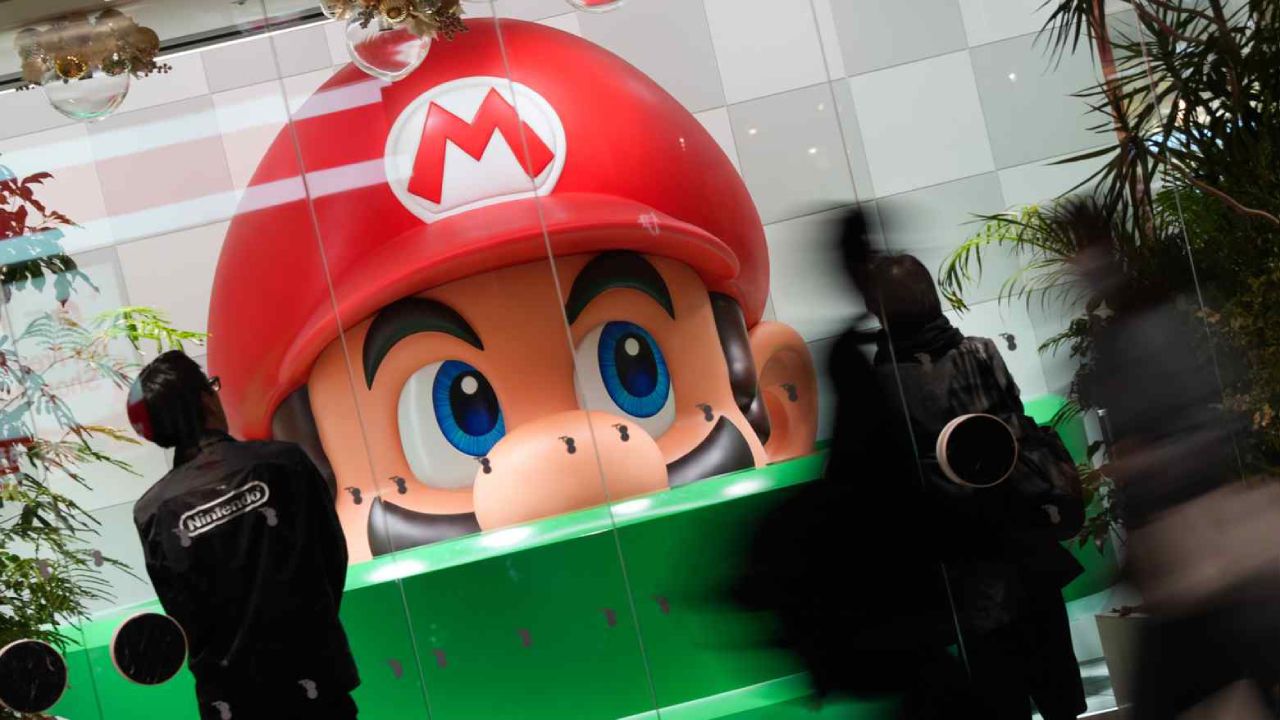
Nintendo's lineup is narrower, but its biggest franchises have a consistent home, which can make the buying decision simpler for someone who is not following every release. The age difference matters, too. The PS5 has had years to build its catalog, while the Switch 2 is still establishing its identity.
Even in that shorter window, Nintendo Switch 2 exclusives already cover racing, platforming, action, RPGs, sports, strategy, and major legacy franchises. The upcoming schedule expands that mix rather than relying entirely on older games.
For players who prioritize third-party blockbusters, the calculation can look different.
But a primary console doesn't need every game; it needs enough of the games you want to justify the time and money. That is where Nintendo Switch 2 exclusives make this comparison worth having. Ultimately, the value of Nintendo Switch 2 exclusives depends on what you actually play.
Nintendo’s approach doesn't need to replace the PS5, XBOX, or PC for everyone. It just needs enough games, flexibility, and variety to make it worth choosing as its main system. With 19 releases in the cited breakdown, a growing schedule, access to the original Switch catalog, and portable hardware, Nintendo Switch 2 exclusives have a substantial case for being more than a secondary device.
Editor, NoobFeed
Related News
No Data.