
The $4,000 Handheld that Laughs at Steam Deck
One Netbook’s ONEXFLY F1 Pro isn’t just expensive—it’s rewriting what portable Windows gaming can even mean.
News by Zahra Morshed on Feb 12, 2026
One company keeps going the opposite way in an industry where low prices and mass appeal are the norm. A new handheld computer that runs Windows has joined the talk with a figure that seems almost hostile. The ONEXPLAYER ONEXFLY F1 Pro, which was just released by One Netbook under its ONEXPLAYER brand, is getting a lot of interest
Depending on the specifications and campaign tier, it can cost more than four thousand dollars. Just seeing the number changes what people expect. One Netbook is used to having big plans. The business is known for making high-end Windows handhelds with cutting-edge hardware, high-quality materials, and enthusiast-level customization.
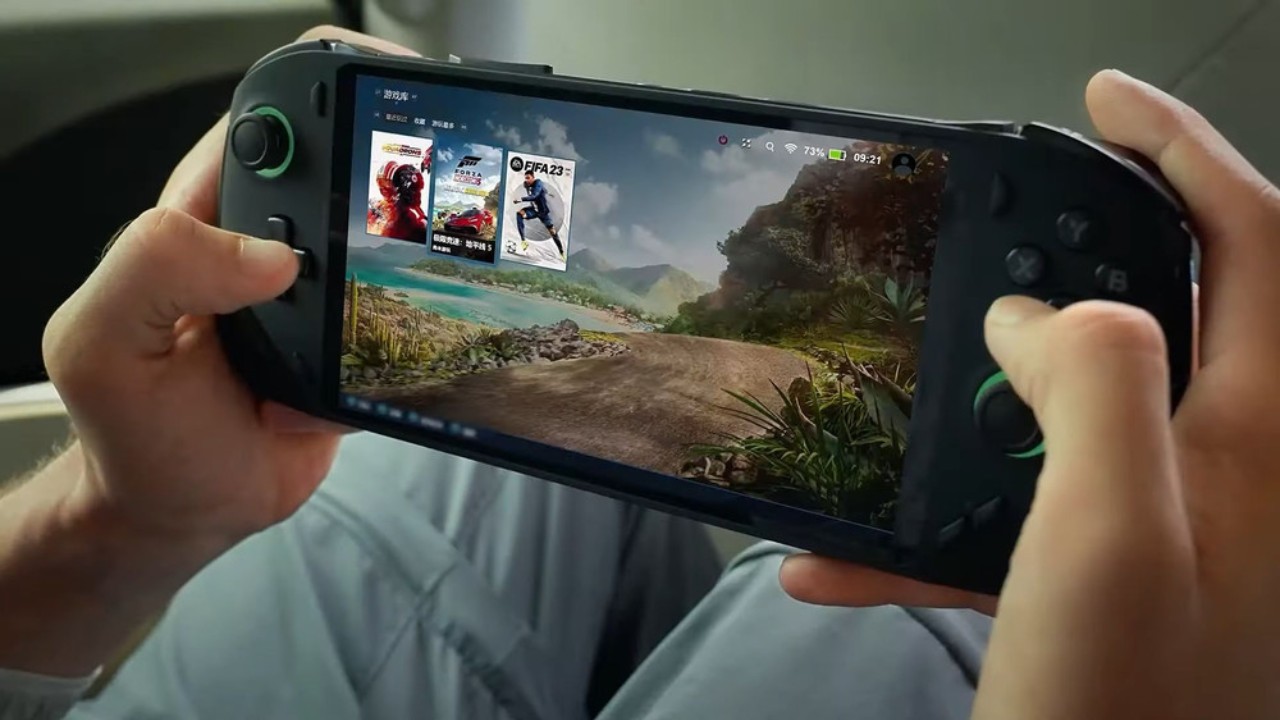
Devices like the ONEXPLAYER 2 and ONEXFLY put the brand firmly in the high performance niche.
These products often got their start on fundraiser sites like Indiegogo. This approach continues, making it even more exclusive and appealing to early adopters. The new model has a 9-inch OLED screen in the middle, which makes it immediately different from many popular handheld gaming PCs. OLED screens have better contrast, true blacks, and accurate colors, which makes them popular with both creators and gamers. The graphic experience isn't just added to the spec sheet; it becomes part of the story of the product.
In a market where 7- and 8-inch screens are the norm, size makes a statement. The next part is all about power. The ONEXFLY F1 Pro comes with high-speed LPDDR5X memory and PCIe 4.0 storage, as well as AMD Ryzen 7000 series processors based on the Zen 4 design. This isn't just any hardware. It mirrors ultraportable laptops in raw capability, enabling modern AAA titles and full Windows productivity workflows within a handheld footprint.
The difference between a computer and a workstation keeps blurring. The size of the battery has also been made a main feature. One netbook advertises having one of the biggest built-in batteries in its class, which is an important feature in a performance-heavy environment where power use often limits movement. Premium portability's promise of longer sessions without having to immediately rely on charging infrastructure is backed up by this.
If you don't have endurance, your performance will feel empty.
But the way the prices are set is where the mystery grows. Early listings for some fully loaded configurations get close to or go over the $4,000 mark. However, entry-level tiers on Indiegogo have been advertised at much lower campaign prices, with prices starting in the high $1,000 range depending on the components chosen. A ladder of entry is made up of three main configuration tiers. In exchange for committing early, early bird backers get better prices.
Crowdfunding is not a side issue here. It makes sense. Indiegogo campaigns help companies like One Netbook figure out how much demand there is, how much to make, and how to build a community of committed fans. Early adopters are not merely customers. They become involved in the story of the goods. In exchange, they can get special prices and the first orders. Urgency and lack of resources are great for this plan.
But the question still stands. Who is this thing really for? At these prices, it's not as useful to compare it to popular systems like Valve's Steam Deck or the ASUS ROG Ally. Here, it's not about competing on price. It's meant to meet the needs of a certain performance-hungry group of people who want top-of-the-line hardware, big screens, and desktop-level freedom in a portable package. Niche does not mean insignificant. It means on purpose.
In the past three years, the market for handheld PCs as a whole has grown quickly.
This is due to improvements in AMD's integrated graphics design and the widespread use of Windows-based games on small hardware. As competition gets tougher, it's important to stand out. One Netbook's answer is to market itself as a premium product. More thorough details. Bigger screens. Memory and storage choices that are aggressive. Higher prices are a sign of determination rather than doubt.
The social side of things is also important. Ultra-high prices change how people think about things. It shows trust in the design, engineering, and materials. It makes me think of a product that isn't limited by compromise. Whether the market accepts that positioning in the end will rest on how well it is executed, how well the software is optimized, and how well the battery works in the real world. Specifications are what make news. Loyalty is built on experience.
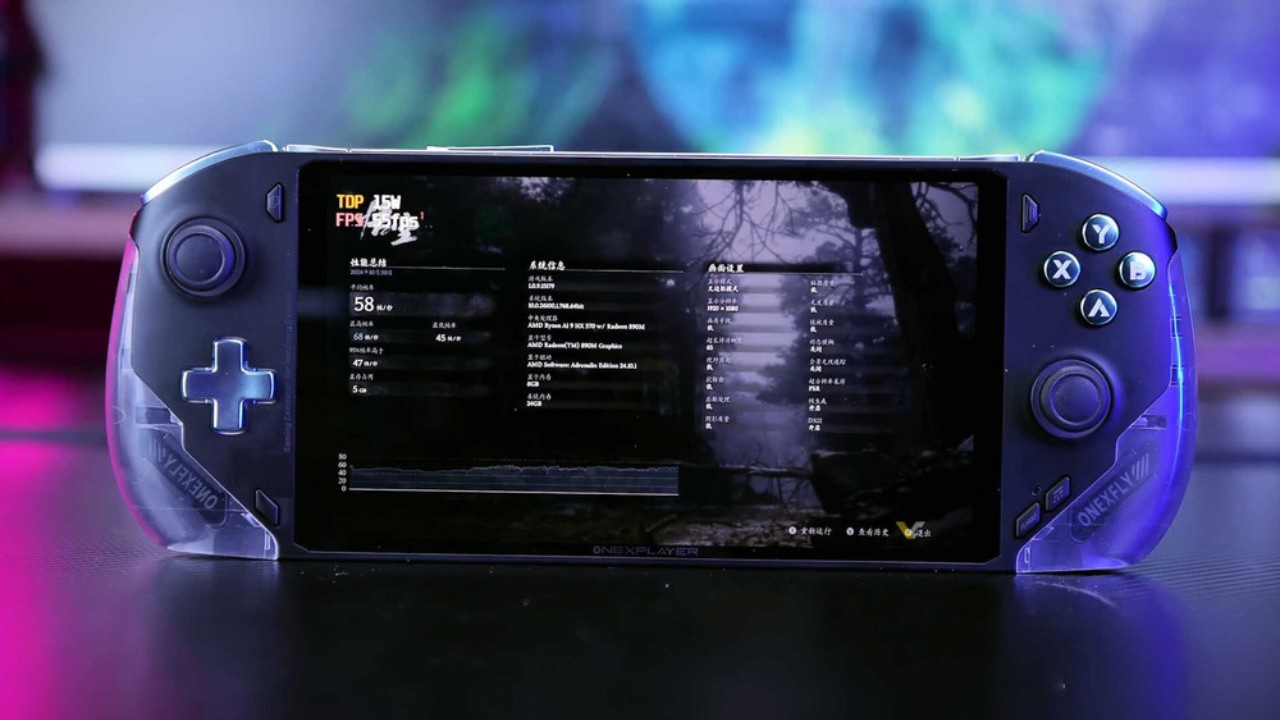
The ONEXFLY F1 Pro is more than just an expensive gadget for people in the business. It reflects a maturing category where segmentation is accelerating. Most people are interested in entry-level gadgets. Mid-level computers are a good mix of price and power. And at the very top, small companies test the limits of what portable performance fans are ready to pay. The fact that such a device exists makes the topic bigger.
A carefully built air of exclusivity is created by scarcity marketing, high-end hardware, and a crowdfunding runway. The device might not ever be meant to be used by everyone. That's not the point. Its appearance makes it clear that handheld computers are no longer just a test idea. It is a goal.
In a market that is getting more and more crowded with variations, bold difference stands out. A 9-inch OLED picture frame. Hardware that can run a desktop in the palm of your hand. Using pricing that questions what people think. The ONEXFLY F1 Pro isn't just another mobile game console. This shows that the top level of portable Windows gaming is ready to raise the bar.
Contributor, NoobFeed
Related News
No Data.