
1348 Ex Voto Review
PC
A striking medieval quest with flashes of atmosphere and conviction, undone by shallow design, unstable performance and combat systems that too often sabotage their own dramatic intent.
Reviewed by Maisie Scott on Mar 12, 2026
When Sedleo joins the market, it's clear that they want to do well, and 1348 Ex Voto is the first sign that they are going for prestige instead of sticking to the rules of their genre. The game takes place in Italy in the 1400s and is a short third-person action adventure. It definitely wants to be compared to mood-driven narrative journeys that mix historical tragedy with personal character drama.
It's easy to understand why they want to do that, especially since the project shows a young group trying to make something with cinematic weight, real swordplay and a woman whose life is changed by faith, duty and loss. Though ambition by itself doesn't bridge the gap between idea and action, and this first draft commonly feels like an exciting draft that was released before the systems, pacing and technical basis were fully ready.
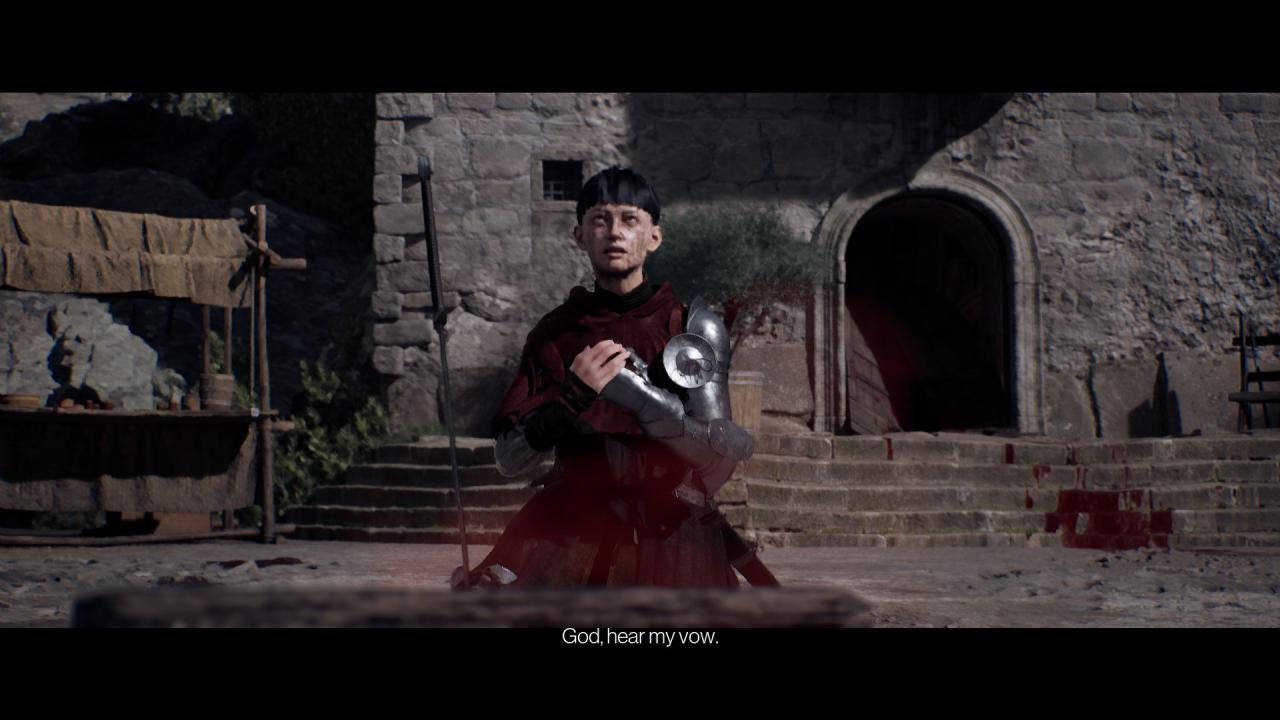
The concept is interesting right away. After a brutal attack on their town, Aeta, a trained knight, sets out to find Bianca.
This begins a story of grief, devotion and a dangerous trip through a plague-scarred landscape. People are really interested in that plot because it combines a medieval rescue story with a closer emotional connection, all while putting a female fighter at the center of a dark historical setting. Sadly, the game doesn't often build on that material with the confidence or depth needed to turn a good hook into a fully convincing story experience.
The main plot of 1348 Ex Voto has some good points, and the setting itself has natural dramatic weight thanks to the plague, religious zeal, crime and general breakdown of social order. One clear emotional thread running through the campaign is Aeta's promise to find Bianca. Other times, the world around them hints at deeper political and moral problems that could have made the journey something really memorable.
It's not a good story because it depends too much on explaining things instead of showing them. There are long scenes that explain why things happen and what's going on, instead of letting revelation, silence, or dramatic contrast do the work. As a result, the story starts off with a sense of urgency along with atmosphere but often falls into a pattern of travel, explanation and new chase without building up enough emotional power.
Aeta and Bianca's friendship should have been the most important part of the whole game. The voice cast does a great job of trying to sell feelings of love, loyalty, and loss and both lead performances give life to material that isn't always as complex as it needs to be. However, the relationship feels weak because there aren't enough scenes that go deeper than repeated promises of love and a vaguely described common past.
At the point where the game's emotional payoff is supposed to happen, you usually know how the feeling is supposed to feel, but not always how the connection is supposed to feel. 1348 Ex Voto is based on a tight loop of going through linear environments, fighting small groups of enemies, gathering supplies, finding trinkets, sword parts and sometimes getting past simple obstacles in the way.
Though there are hints of exploration, these areas are more like scenic corridors than real playgrounds. Their charm frequently hides the fact that they don't really encourage systemic interaction. Outside of combat, the few things you can do are usually very simple things like pushing boxes, climbing ledges, or doing very light jobs in the environment that feel more like filler instead of meaningful game design.
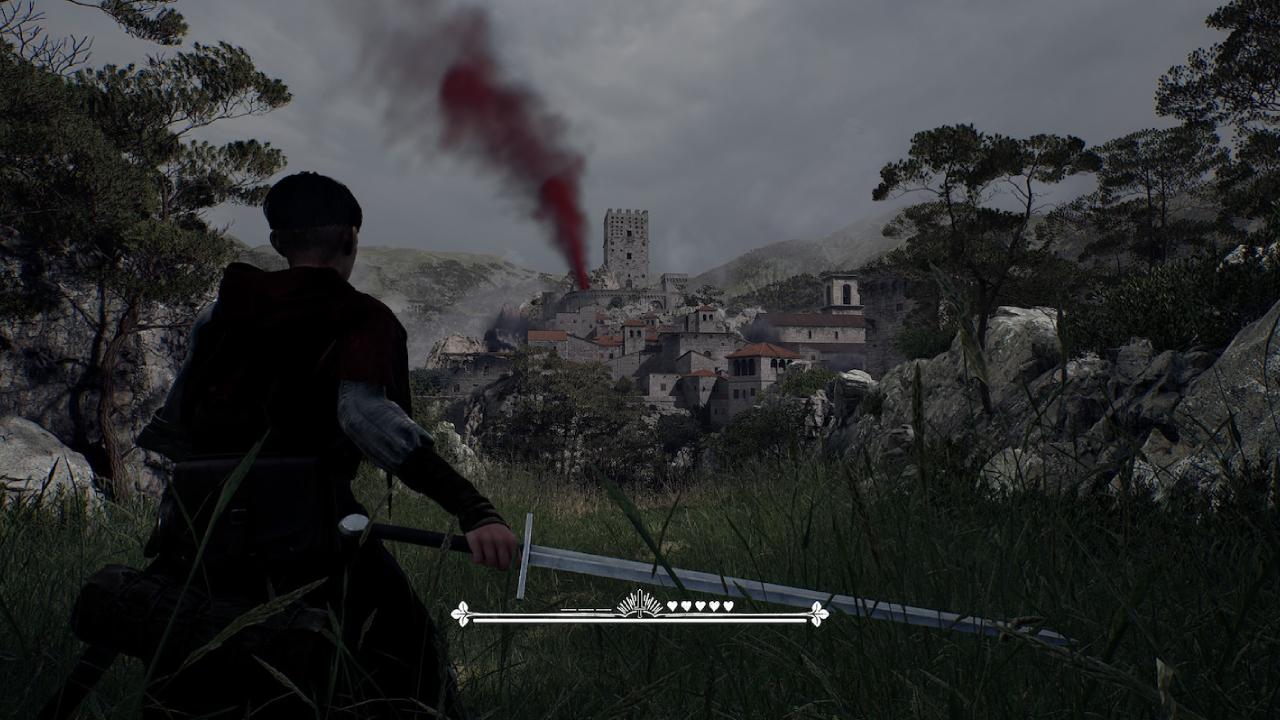
So, the game relies too much on fighting to keep things going, which is a big problem when it becomes clear that the swordplay does not have the depth, polish and variety needed to carry the whole experience. The structure is quick enough that no one gets too tired, since the mission can be finished in a short amount of time. However, speed is not the same as accuracy.
Each part has a similar rhythm, with only small changes to make it look different.
Over time, this consistency turns into monotony instead of rhythm. Throughout the journey, you'll find upgrade hooks like books, trinkets and weapon parts. However, the level design doesn't change enough to really make those discoveries feel life-changing. In a better game, those features would have been used to give you more ways to express yourself. But in this one, they're more like small changes to an experience that continues mostly the same from the beginning to the end.
If you want to fight in 1348 Ex Voto, you need to know how to use a longsword, control your guard or stamina, block and dodge, and break through the enemy's defense before doing serious damage. That looks like a neatly arranged, easy-to-read system that allows for time, positional control and changing tactics.
This is especially true when you add in different types of enemies and unlockable skills. There are glimpses of that potential in one-on-one fights, especially when a clean parry hits and an enemy guard falls down. For a moment, the fight has the sharp rhythm that the design seems to be going for. Too often, though, those flashes are snuffed out by stiffness, slow response and encounter design that turns tension into irritation before it turns into satisfying control.
The lock on behavior is the main culprit because it constantly breaks the game's own battle logic. The semi-automatic targeting can stop progress by taking Aeta's attention away from the enemy in front of her and putting it on someone farther back in the encounter space. This is because enemy defenses restart when attention changes.
That makes things more frustrating because it gets harder to control the camera, hits don't land on the target, and defensive play stops working reliably just when the system needs it the most. When a lot of enemies are crowded around you, it's not like you are being tested tactically, but like you are fighting a system that can't always figure out what the enemy is trying to do.
One of the best things about the combat is that it tries to teach sword fighting through stance, guard pressure and careful timing instead of just pressing buttons mindlessly. There is some thought behind the difference between faster and slower attacks, trinkets can be useful in certain situations, and hidden scrolls give advancement a hint of custom build crafting.
But these good points are constantly weakened by bad controls, enemies that do the same things over and over, boss fights that are more tiring than exciting, and a lack of real increases in mechanical complexity. By the later chapters, the fighting is either too random when a lot of mobs show up or too easy once you learn the game's limited language. There is progression, but it's not as strong as it seems at first. Aeta can get scrolls to unlock skills, boost her key gauges and make her stances a little better.
Sword parts and trinkets can help her in longer battles by giving her passive benefits.
Food and medical supplies are also necessary because the game's autosaves and attritional battles make managing resources a necessity rather than a non-essential survival mechanic. Still, it's not clear how power really scales, and the growth curve often seems more like a small way to make up for friction than an exciting way to find new strategy options. That changes the pace right away.
If you don't gather enough supplies or is pushed into a hard part after an annoying autosave, the game could turn progress into repetition, making the same fights happen over and over again with little change. Instead of getting levels, the grind in 1348 Ex Voto is about doing the same fight moves over and over until your timing and use of resources match what the game needs. It's possible for that loop to kill the adventure dream by making success seem like a process when it should feel dramatic and hard-won.
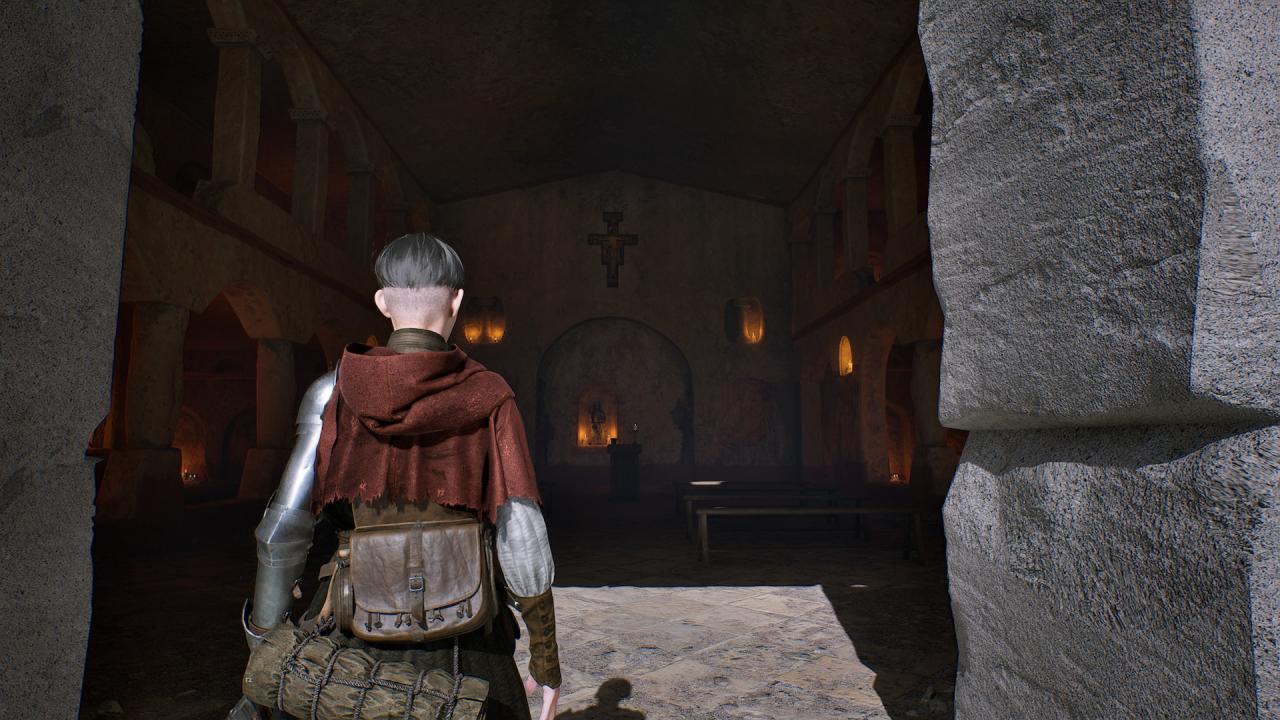
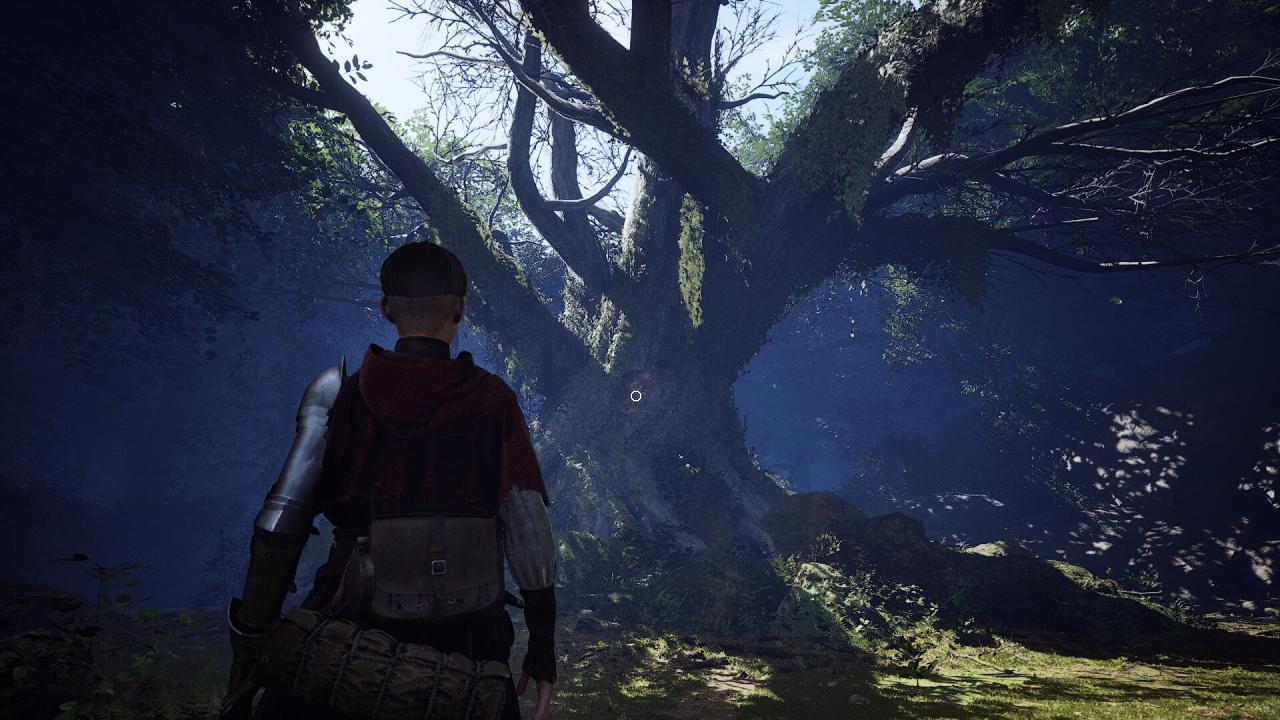
1348 Ex Voto may be the best example of Sedleo's vision in terms of how it looks. The game does a great job of showing a rough, real version of medieval Italy through great lighting, gloomy views as well as a sense of how to put scenes together like in a movie. Fields, ruins, woodland paths, settlements and castle architecture can all look really evocative, and sometimes the scenery makes you think of a much bigger, more complex work that is just outside the playable limits.
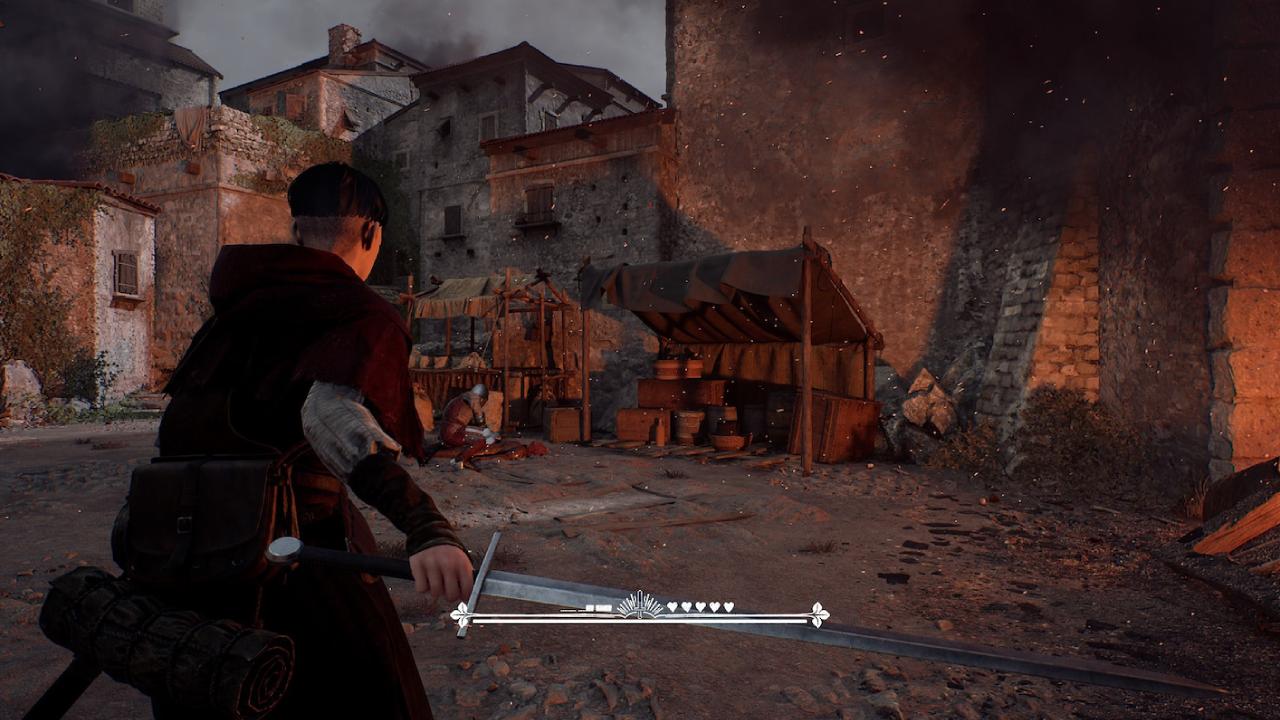
Still, good art direction can't fully make up for unstable technical elements, and the presentation is constantly harmed by stuttering, low framerate drops, pop-ins, clipping, delayed asset loading and face animation that doesn't look right. What should be immersive doesn't feel that way because brokenness and beauty share the same frame too often, which keeps the fantasy from fully settling. The way characters are shown follows a similar scheme.
There should be better visual support for the lead acts than what the game offers. The models and expressions sometimes become stiff or over-the-top in scenes that are supposed to be serious emotionally. There are some visuals that stay with you for the right reasons, like when the lighting and setting are just right. But there are also a lot of times when rough technical elements take away from the dignity of scenes and make the sadness that was meant to be there less powerful.
This difference is one of the things that makes the game stand out. It's a production with a nice exterior and clear attention to detail, but it lacks the consistent finishing work that would make that visual ambition feel premium. One of the game's more reliable strengths is its sound. The main performances give the material earnestness, restraint and a welcome seriousness.
The actors give the material emotional credibility, even when the writing leaves out or overexplains subtext. Music also helps create a meaningful mood by adding to the sad atmosphere of the setting and making scenes feel more composed than the animation and pacing on its own sometimes allow. If the story works at all, it's mostly because of the voice acting and music, which keep carrying the project when it's having trouble in other areas.
Combat sound design doesn't change things as much, but it does enough to keep the basic effect.
The setting sounds good with the steel clashes, background noise and wider range of tones, but the fights don't always have the rhythm or response that makes those sounds really sing. The bigger problem is that enemy lines that are played over and over and encounter energy that is reused wear down the dramatic value of the audio layer over time, especially during long or frustrating fights.
So, while the sound design is good and can be really moving at times, it can't fully make up for the repetitive nature of the game. It's not hard to see why 1348 Ex Voto got a lot of attention before it came out. It has an interesting historical setting, an emotional center that is a woman knight, a dramatic rescue mission and a style that looks much more confident than you'd expect from a small debut company.
But a review has to judge the game as it is playable, and that game has a story with little depth, chapters that are designed over and over again, a lock-on system that is often annoying, performance that isn't reliable, and growth that doesn't go beyond being useful. What's left isn't a complete lack of imagination, but a clear goal that runs into problems with not enough refinement at almost every stage of execution.
Scenery art, sincere performances and sword fights where timing, stance choice and guard pressure just click into place every once in a while are signs of a better future. These pieces point to a company with taste and instinct, but it also needed more time, more solid mechanical iteration and more faith in the subtleties regarding storytelling before asking you to give them your time and money.
At this point, 1348 Ex Voto seems less like a final work and more like a proof of concept. It has beautiful scenery but is hampered by systems that don't always support the journey they're supposed to help with.
Editor, NoobFeed
Verdict
A visually promising medieval action drama with strong voice work and a compelling premise, but weak combat, thin progression, and unstable performance leave 1348 Ex Voto feeling unfinished, frustrating, and far less moving than it should have been.
29
Related News
No Data.