
Above the Snow Review
PC
A cold, calculated balance of survival and hospitality in the High Alps.
Reviewed by Adiba Manha on Apr 23, 2026
Above the Desk is a Polish company that developed Above the Snow. They want to make a name for themselves in the cozy management simulation genre by giving their games strong storylines. The game, which was released by Wandering Wizard, is a mix of a standard tycoon game and a story-driven survival business simulation.
It takes place in the 1960s in the Alpine region and is based on the harsh realities of mountain rescue, tourism, and expedition culture, before modern communication systems made it easier to survive in remote areas.
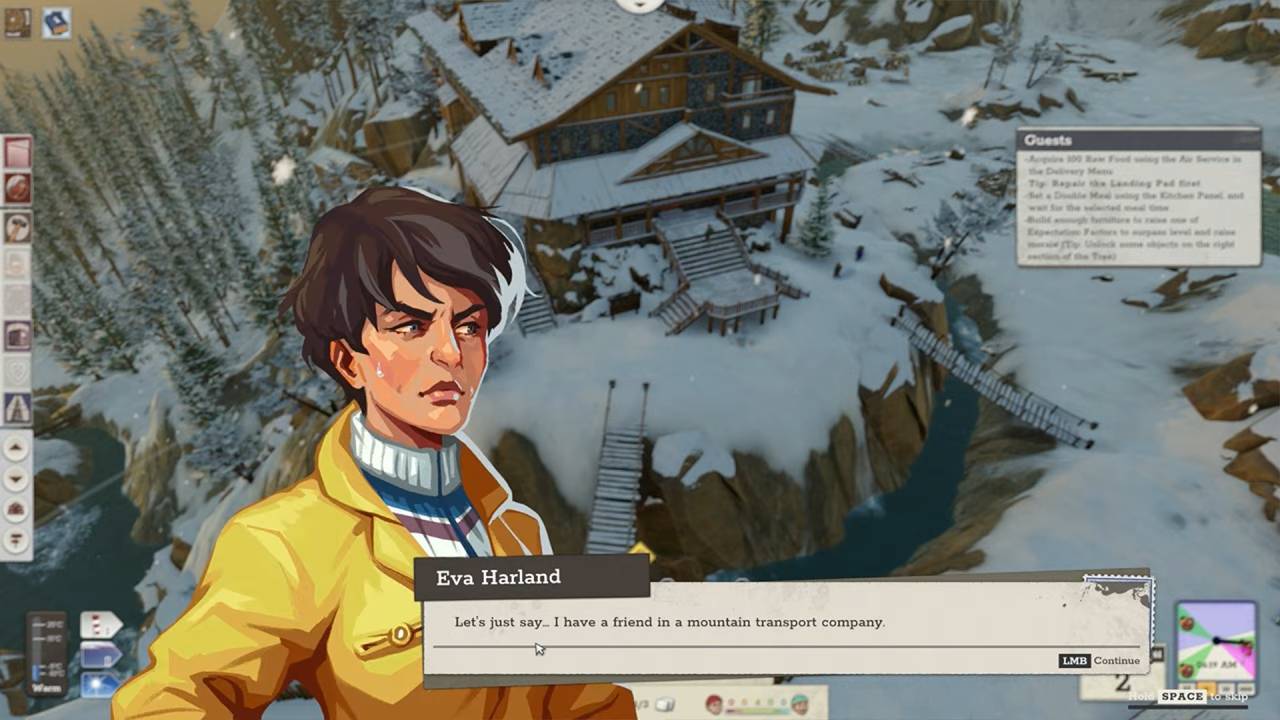
The developers call it a "cozy narrative tycoon," but the setting suggests there is something more difficult at work beneath the surface.
It is not enough for you to simply decorate a resort; you are also assuming control of a mountain shelter that is in a precarious position, sandwiched between society and deadly peaks. You will need to plan your actions, manage your supplies, and understand how the unpredictability of the alpine environment affects your situation to ensure your survival.
The idea behind the game is clear: it combines management systems with stories about the world. The creator's presentation states that the player starts the game right after the tutorial, when the shelter is already in poor condition. Early systems are designed to be limited so that players have to create infrastructure from scratch.
The idea behind it is simple, but it works. You take over an abandoned mountain lodge, fix it up, and slowly turn it into a place where hikers and climbers can stay and work. You have to deal with the weather, your guests' expectations, planning, and trail safety along the way. What makes it unique is that it tries to mimic not only a business but also a living mountain where each choice has ripple effects.
The development of Above the Snow is not limited to building a resort; it also involves revitalizing a mountain town on the verge of extinction and protecting the delicate ecosystem that draws people to it. The first thing you do is gather a small group of employees, including Francis, Eva, Nicholas, and others.
Without exception, each and every one of them possesses a unique personality, a different level of energy, and a set of responsibilities they are accountable for to ensure the house runs efficiently. The image of the shelter, the expectations people in the community have of it, and the way its purpose is gradually being reconstructed are all components of a larger story that encompasses them.
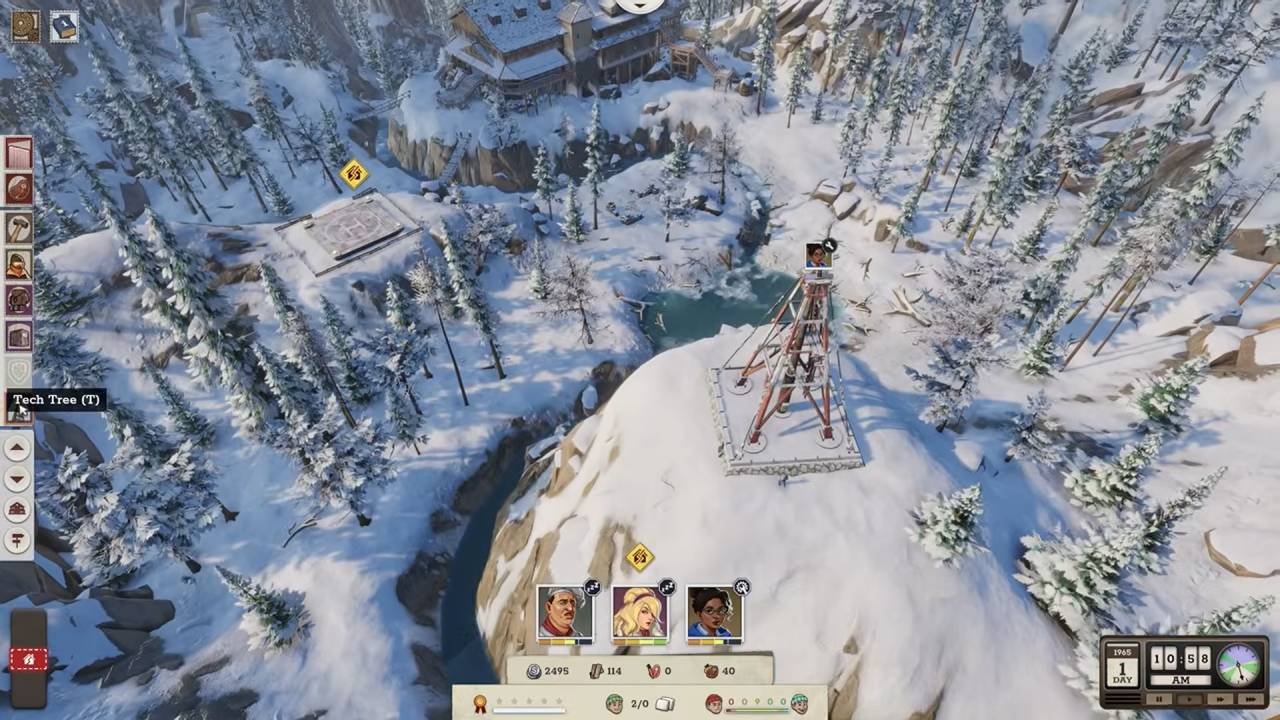
It is important to remember that guests are not merely a means of making money; they are actual people who have requirements, emotions, and skill levels that determine how well they can survive in the mountains. The majority of them are simply tourists looking for picturesque paths, while others are experienced climbers who require routes that are both safe and well-prepared.
The events also affect how the story is constructed.
For instance, pressure moments that put the shelter's systems to the test can be caused by a variety of factors, including inspections by authorities, rapid changes in weather, supply shortages, or an excessive number of people. Even seemingly insignificant details, such as clients moaning about their damp boots or the frigid dining rooms, might add up to a larger narrative about whether this establishment can survive in the harsh alpine environment.
Resource management, house maintenance, and trip assistance are the game's primary aspects. There are three main goals that guide everything you do: life, comfort, and exploration. Wood, which is the most essential resource, is the foundation upon which the entire economy is built. Heat structures, construct items, improve rooms, and add to the infrastructure of paths are all uses for it.
As a result, you are under constant strain, since even seemingly insignificant decisions, such as increasing the temperature, can have a significant impact on your capacity to survive over time. The administration of staff is equally as crucial. Because every worker possesses a unique combination of energy and expertise, it is essential that assignments be carefully assigned.
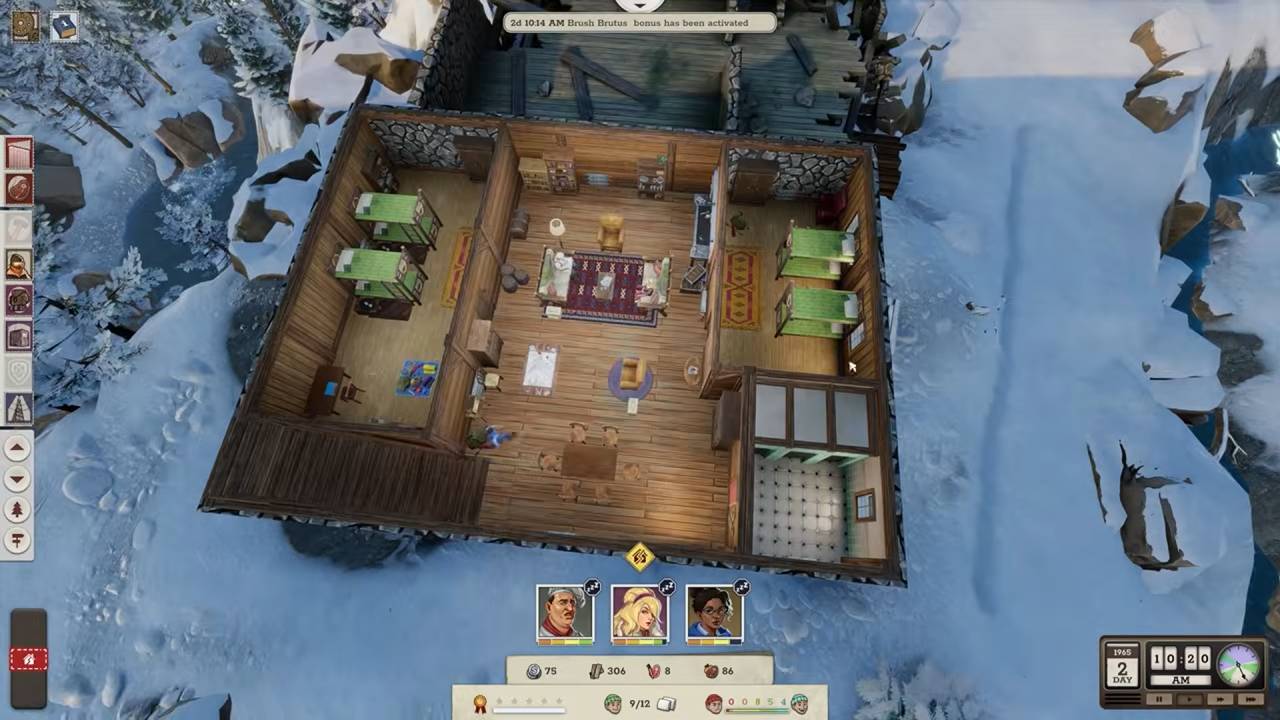
It is inefficient to have staff that is overworked, and poor management can slow down important tasks such as cooking or gathering wood. Changing the building is a process that takes some time. To begin, you are provided with basic rooms with mattresses and heating systems that are barely functional.
You will gain more control over the world around you as you progress through the game, thanks to a radio tower research system that grants you access to additional chambers.
The presence of beds, bunk beds, additional storage, and decorative items can all contribute to your guests' happiness, which, in turn, has a direct impact on both your income and your image. Among the most fascinating aspects is the logistics system that uses helicopters for deliveries and stock runs.
You can pay for air transport to bring in essential goods when the terrain becomes difficult or resources run low. This adds a strategic element, allowing money to be used instead of time and risk. The "challenge system" in the game comes from designing trails, navigating the environment, and managing risks.
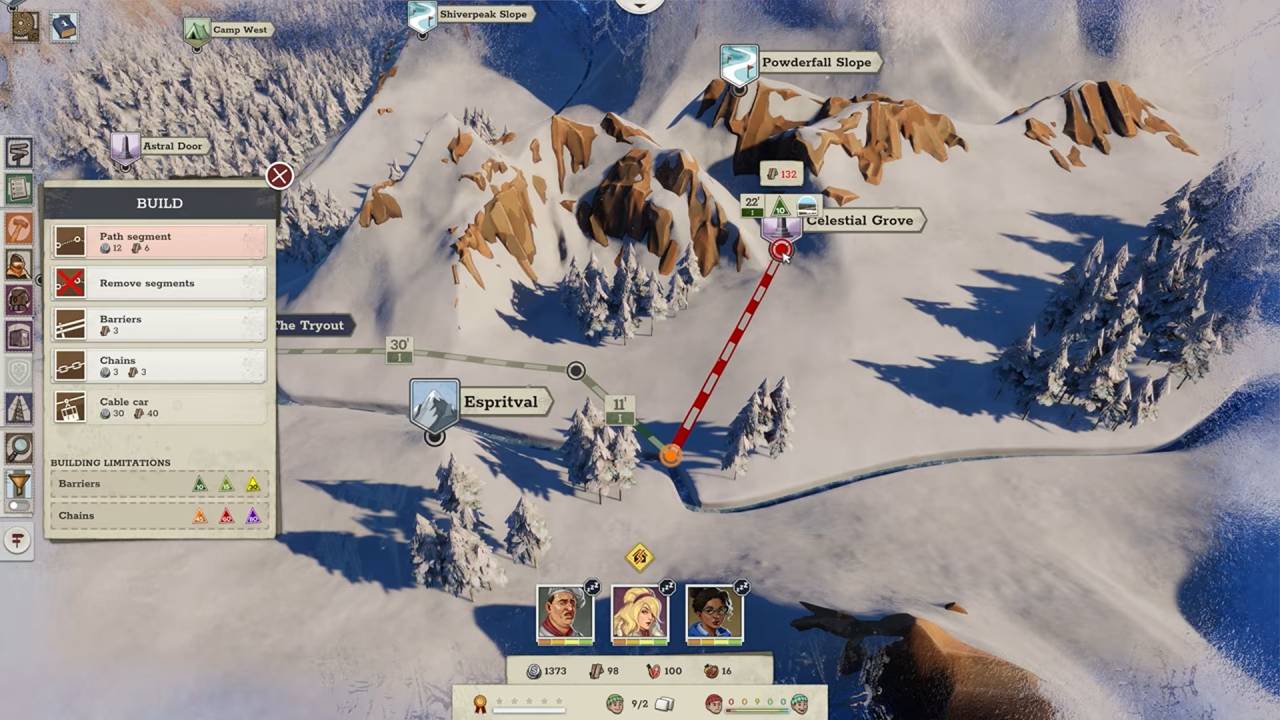
The game does not have traditional combat. One of the trickiest parts of the game is making trails. You're not just connecting places on a map; you're also looking at things like the slope of the land, the number of trees, where the water flows, and how safe it is. Different types of climbers must be able to handle each trail.
For instance, some guests prefer easy routes with beautiful views through woods and rivers, while others are fine with steep, dangerous terrain. If a trail isn't built well, it can lead to accidents, low morale, and a bad image. To build these routes, players physically choose lines across the map, ensuring they don't cross each other in the wrong direction or exceed the safe slope limits.
In rough situations, extra tools, such as barriers, can make things easier.
It's a good system for planning in detail and making things seem real. It can be strange at first because the user interface isn't obvious, and there's a learning curve when attempting different things. Above the Snow's advancement rewards infrastructure and crew improvement rather than leveling.
Taking care of guests, finishing expeditions, and maintaining the shelter earns you money and respect. The volume and quality of visitors you get depend on your reputation, a soft indicator of progress. People improve over time. Francis and other sluggish workers improve with experience. Making people feel invested in your team in the long term.
A radio tower-accessible study system oversees technology. New rooms, furniture, heating methods, and outdoor items are available here. This strategy gradually increases the game's difficulty and improves shelter management. The game's art is stylized but sturdy. With its snowy peaks, lush woods, and winding mountain paths, the Alpine environment evokes a place.
As it grows, the shelter changes appearance. It expands from a tiny lodge to a larger operating hub. Small features like workers' snow footprints add realism. The simulation character models and UI elements are practical rather than lifelike. The focus is more on reading and system clarity than on eye candy, but the settings still feel alive and atmospheric.
Audio is a big part of making you feel like you're really there, but it's not always reliable. Voice acting in the early parts of the game helps set the mood and introduce the characters. Later on, though, the game's dialogue is mostly text-based, which makes some encounters less emotional.
The background sound design has improved significantly.
Other factors, such as wind and background noise, give you the impression that you are in a mountainous region that is cold and isolated. These sound effects contribute to the game's overall survival concept.
Music should be used sparingly but effectively to accompany transitions and crucial moments in the game rather than taking over the game itself. The soundscape sets the mood, but the story might have been more interesting if the voice work had been more consistent.
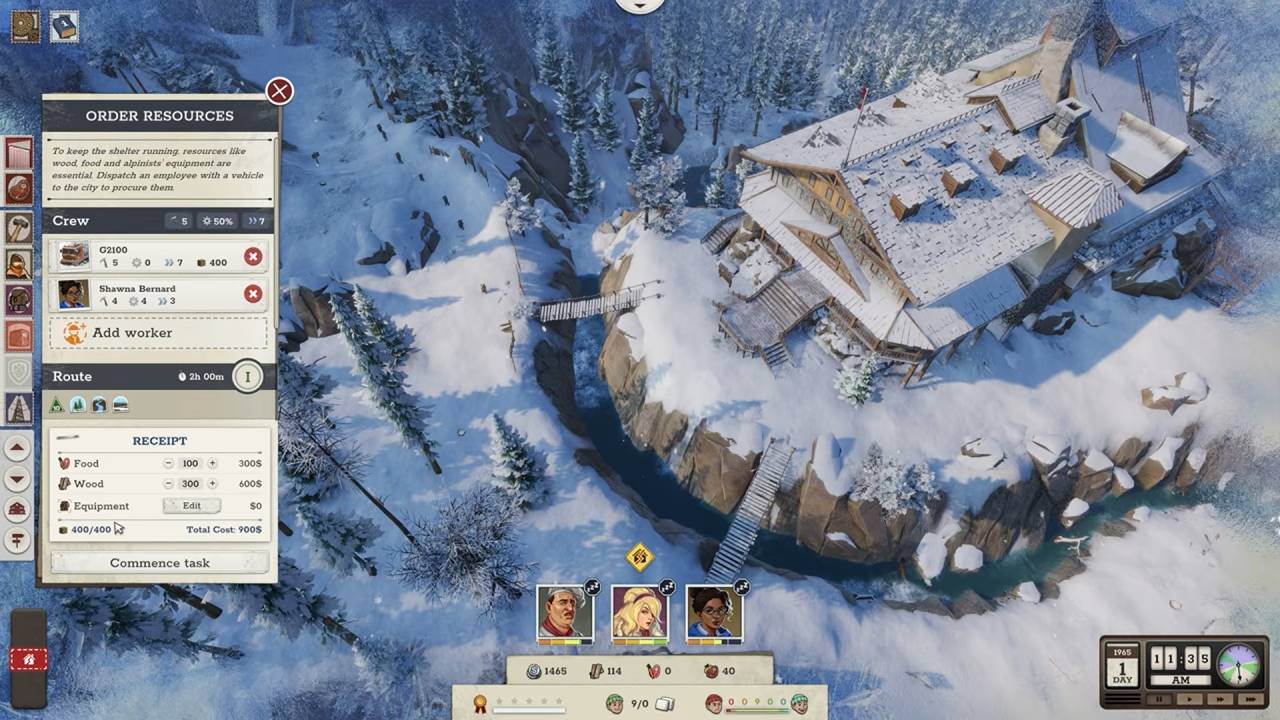
A hopeful simulation set in a mountainous environment, Above the Snow combines elements of plot, survival strain, and logistical preparation. The best part is how its systems operate together: managing the wood affects heating, heating affects warmth, warmth affects morale, and morale affects performance, which in turn affects image. Trail design affects guest satisfaction and long-term success.
When planned well, these systems create a pleasant web of causes and effects. The game has issues. The UI and lessons aren't always clear, and you have to try things several times to grasp them. Voice acting is inconsistent, weakening character-focused situations.
However, these issues don't diminish its strengths. This simulation game stands out for its tone, depth of systems, and unusual scenario. It shows how demanding mountain shelter management is when every decision counts. Above the Snow seems like a game that will do well in the long run. It's deep, system-driven, and well-thought-out, but it's still a little rough around the edges.
Editor, NoobFeed
Verdict
Above the Snow is a deeply engaging management sim with strong systems and atmosphere, held back slightly by UI confusion and uneven polish, but still highly promising and uniquely immersive overall.
82
Related News
No Data.