
Banquet for Fools Review
PC
A strange revival of old-school RPG ambition.
Reviewed by Adiba Manha on Mar 07, 2026
The rise of current CRPGs has followed a well-known path. Many people thought that the horror genre had died out, but the crowdfunding boom in the early 2010s brought it back to life with hits like Pillars of Eternity, Grim Dawn, and Underrail.
After these games, it was clear that people still wanted deep role-playing games with lots of systems. But with the revival came a move toward accessibility, with clear task markers, simplified interfaces, and mechanics that were made to make moving from one goal to another as easy as possible.
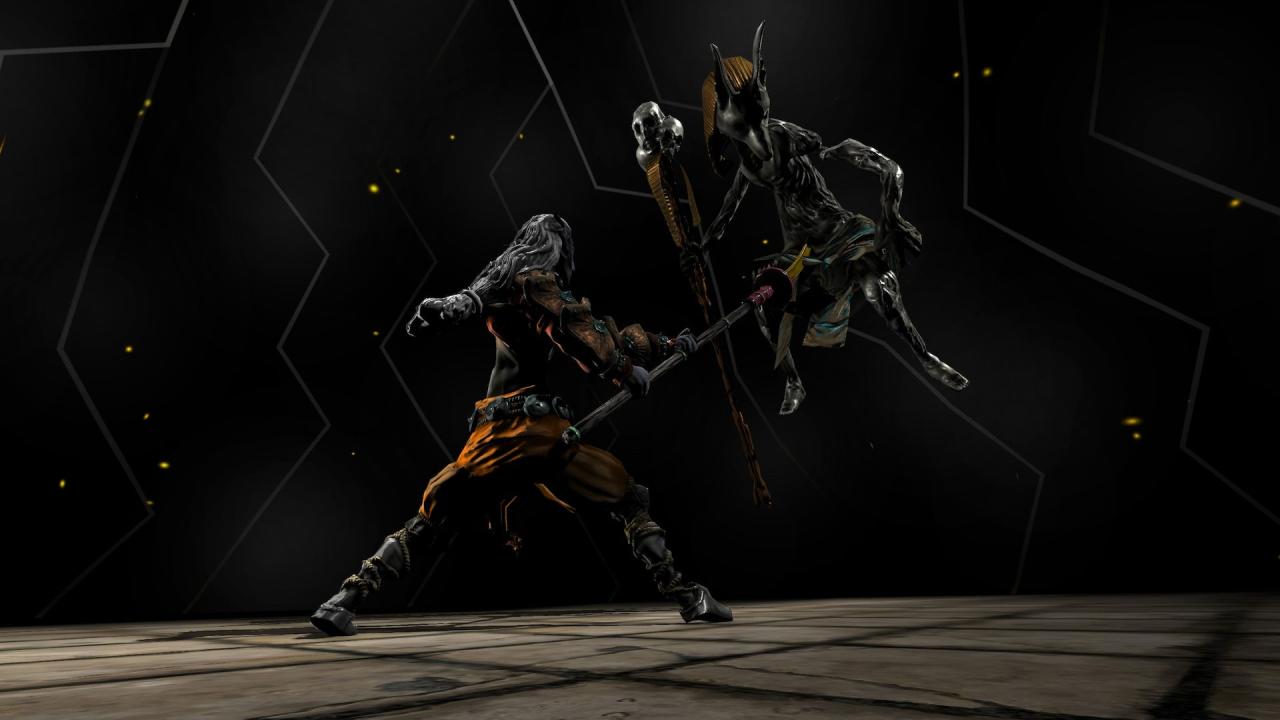
Banquet for Fools was developed by Hannah and Joseph Games, a two-person company. It's a spiritual follow-up to their previous RPG Serpent in the Staglands and, in a roundabout way, a tribute to classic historical RPGs like Darklands. Early games by the company got mixed reviews.
Serpent in the Staglands had trouble with balance and technical issues, and their later cyberpunk tactics game, Mechajammer, didn't get a lot of attention. But with Banquet for Fools, the team seems determined to make their ideas fit together much better.
Before it launched on March 5, 2026, the project was in Early Access for about a year and a half. At that time, the developers worked together openly with their community to improve the game's mechanics, make the world bigger, and listen to input. This way of making games—open, continuous, and very personal—is a lot like how the games are made. Banquet for Fools is not an RPG that is made to be easy to play. Instead, it's a complicated, old-school adventure that asks players to be willing to work with it.
The story starts with a puzzle that seems very easy.
A valuable spice crop has made the island of Invimona, which is a new settlement, a hopeful frontier. But when a whole settlement goes missing overnight without any bodies, signs, or explanation, the people in charge of the area send a group of volunteer guards to look into it.
That group is your party. Players make a group of four characters called Vollings. The Vollings are people who have turned to older heathen beliefs after their gods left them. What starts out as a simple study quickly grows into something bigger. As the group explores the island's towns, ruins, forests, and waterways, they find relics of long-gone societies and the effects of ancient forces that are still felt today.
The story stands out not because of its epic scale, but because of its mood and view of the world. Instead of using typical high-fantasy tropes, Banquet for Fools looks at folklore, local traditions, and religious practices that have roots in pagan myth. The island is like a character; it's an uncharted frontier with strange customs, tense alliances, and the remains of older cultures.
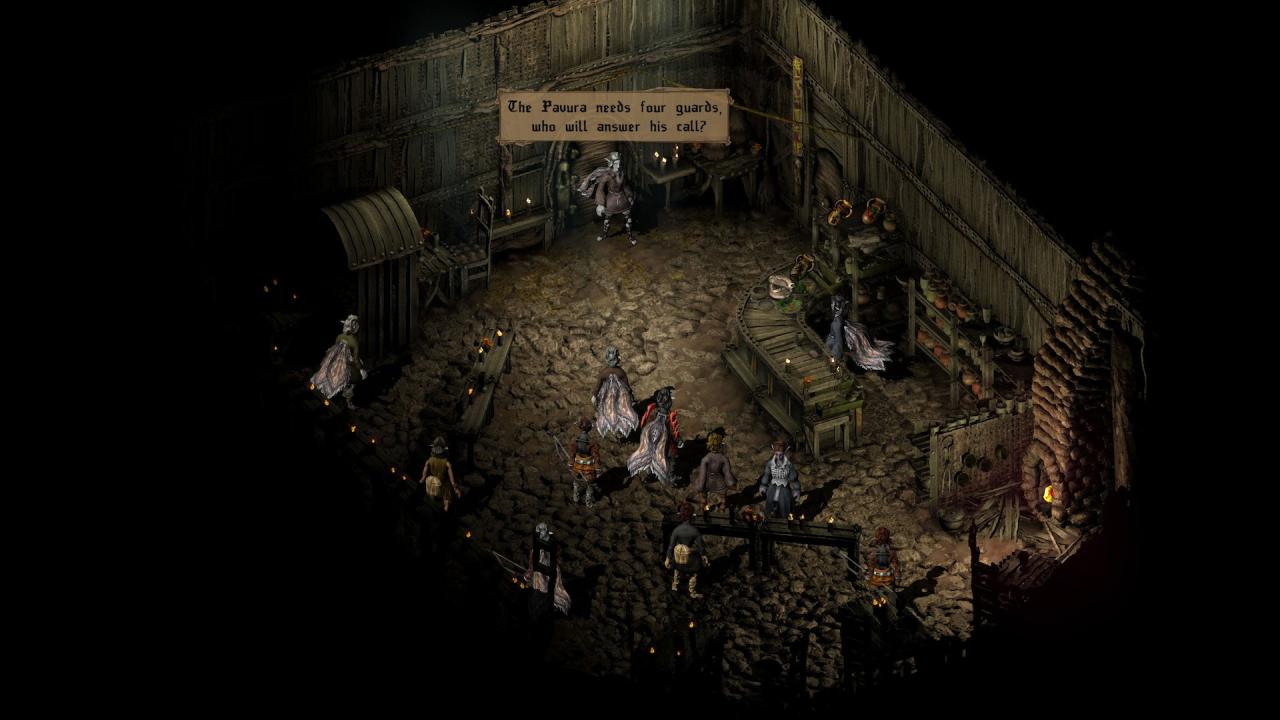
The way that NPC's talk is one of the most interesting ways to tell a story.
Instead of depending on a single main character, everyone in the party can add to conversations with non-player characters (NPCs). This small detail helps the party feel more like a real group, which is better than having unique characters that feel like blank, voiceless avatars, which happens a lot in role-playing games.
Another thing that makes the game unique is that it doesn't give too much advice to the player. There aren't any standard quest markers that point to goals. The conversation, maps, scrolls, and personal notes are where the information comes from instead. The game even comes with a journal that can be changed so that players can write down their own important hints. The way it works reminds me of tabletop role-playing games, and it rewards people who pay attention and remember things.
Banquet for Fools is an RPG with a lot of systems and a strange way of being put together. The creators call it a "party-based beat 'em up RPG," which sounds weird at first but fits the experience fairly well.
You control a group of four characters who are discovering an island.
Each character has their own skills, gear, powers, and traits. Players can make a lot of changes to their characters, including their race, sex, and basic stats. Like in old-school RPGs, some skills and traits can be marked as "gold" or "silver," which gives bigger bonuses and determines the character's early powers.
There are many skill paths in the game. Characters can focus on different types of weapons, like swords, bows, slings, or scepters. They can also improve their armor skills, rogue skills, crafting skills, or support jobs. There is magic, but it doesn't work like the flashy spell casting you see in fantasy role-playing games. The magic system is based on pagan ideas and focuses on natural skills like calling animals or temporarily stopping enemies instead of big, destructive spells.
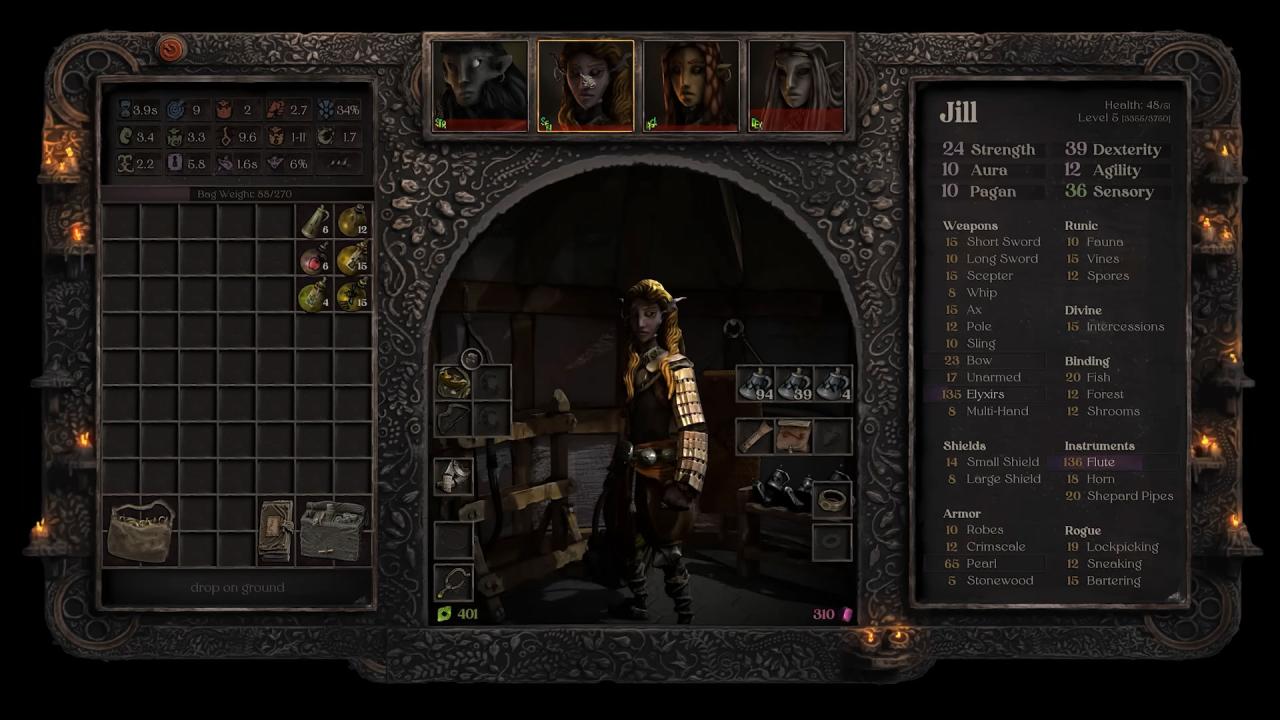
Songs and intercessions add another level of flexibility. Songs work as chants do in Pillars of Eternity; they give silent benefits when certain conditions are met. Intercessions, on the other hand, involve making holy things that are unique to each character and winning over different pagan gods. These systems weave together story and gameplay in ways that support the game's setting.
Exploration is just as hard. The world is split up into big map areas that are linked by loading screens, but it still feels like one big territory. As you move from towns to ruins, forests, islands, and more, you often find hidden items or side quests. The group eventually gets access to a boat, which lets them go along the coast and get to farther away places.
Players have to keep track of resources, carry goods, and sometimes use pack animals to move the resources.
The real thing that makes Banquet for Fools different from other CRPGs is the combat. The system feels very different from regular Infinity Engine games, even though it is officially a "real-time with pause" game.
A feature called the "combat dome" is at the heart of the game. There is an action bar for each figure that fills up over time. A player can pause the game, open the dome, and choose an action or target within its range once the bar is ready. The weapon's range affects the dome's size, which means that placement is very important for fighting.
Combat is very physical, though, which is different from many strategy RPGs. One character is directly controlled by the player, and the other characters in the party follow AI actions or formation orders. Dodging, blocking, moving, and positioning all happen in real time, which makes fights feel more like a wild brawl than a set of pre-recorded orders.
This mixed method can be exciting when it works right. Battles have more levels of strategy because of things like charge attacks, grapples, defensive moves, and state effects like fatigue and knockdowns. The ragdoll physics add a bit of randomness, and enemies are sometimes thrown around in a very dramatic way.
Still, there are some problems with the method. When there are a lot of enemies, battle can get messy and hard to control. Each character has their own action bar, and it can be hard to keep track of all of them while dodging hits. AI partners also sometimes act in strange ways, like wandering around instead of helping with the fight.
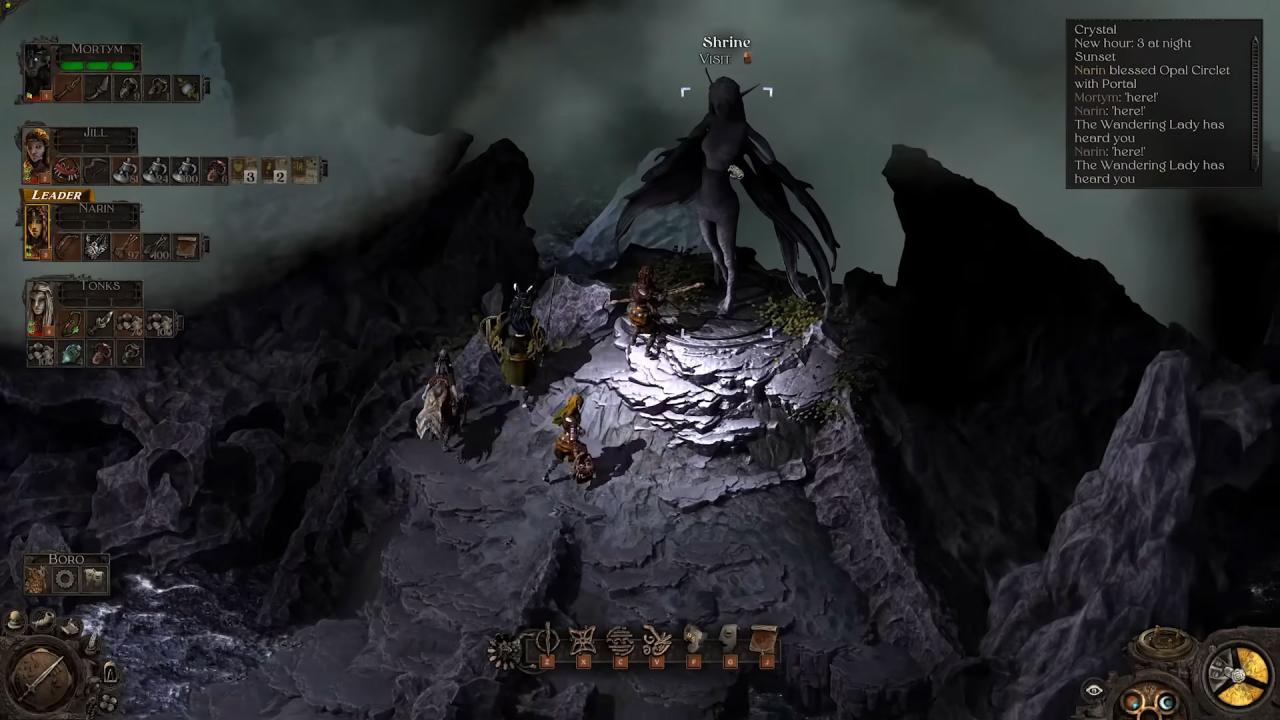
Even with these problems, the fighting system is still one of the most interesting things about the game.
It rewards players who take the time to learn how to place, time, and coordinate their party members. The leveling system is based on ideas from old-school role-playing games. Like in older games like The Elder Scrolls III: Morrowind, skills get better the more you use them.
As players level up, they get bonuses based on which skills they use the most, but they can still choose how to spend their points however they want. Instead of sticking to rigid class archetypes, this system pushes players to try out different ways to play.
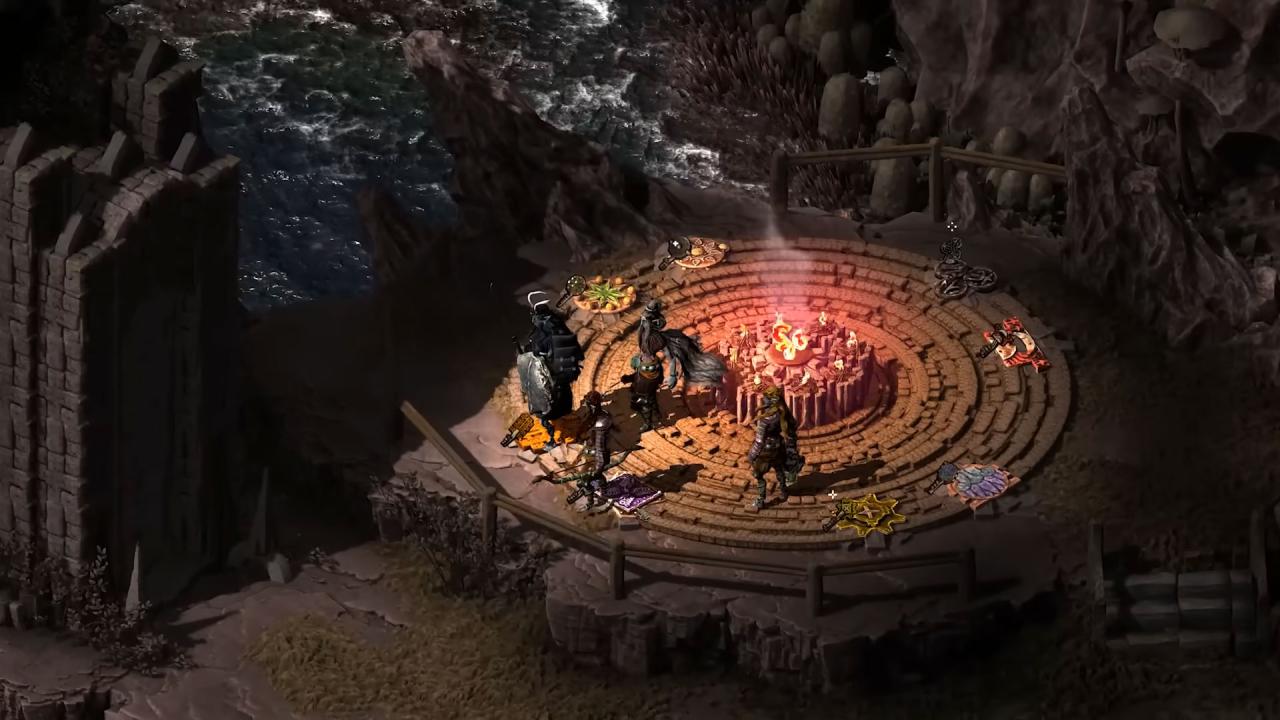
Banquet for Fools is one of the most beautiful small RPGs to look at in recent years. The game doesn't try to have photorealistic graphics. Instead, it has its own unique art style that mixes detailed pre-rendered backgrounds with character models that look like they were made of clay. The way the characters move has a slight stop-motion quality that makes them feel almost real.
They look like small clay figures. The environments, like lush forests, old ruins, and foggy coastlines, have a lot of different textures and small features. This touch style gives the world an interesting feeling of being there. The developers have even said that the surreal fantasy mood of movies like "The Dark Crystal" influenced them, and you can see that in the creatures and settings of the game.
One problem with such a thorough visual style is that it can sometimes make it harder to read. Character dialogue’s might mix in with their surroundings, and the complicated user interface might be a little hard on the eyes after a while of playing. Still, the general presentation is memorable and unique.
The sound design goes really well with the game's visual style. The music mixes traditional medieval instruments, like lyres, with light electronic sounds to make a soundscape that sounds both old and strange.
A lot of the time, the music is simple and sad, letting the sounds of nature take center stage. There is a sense of being in the middle of nowhere as you hear footsteps squelch across wet ground and birds chirping far away. The atmosphere of the island feels even more real with these small sound elements. Instead of being too loud with constant orchestral tunes, the soundtrack helps players explore and find new things.
Banquet for Fools is not an RPG that is meant to please everyone. It is hard to get through, can be annoying at times, and is fiercely dedicated to its old-fashioned beliefs. At first, it can be hard to keep track of quests, fights, and remember what to do because of how complicated the combat system is and how much stress is put on memory and planning.
But for people who are ready to give it the time and attention it needs, the game offers something that is becoming more and more rare: a world that feels real and mysterious. There is a unique mood that makes exploration fun, the systems are deep, and there are no other games like this in this genre.
The game's rough edges, like the way the AI acts, some technical issues, and a long learning curve, tell you that it was made by a small team. But those same limitations are part of what makes it special. Each system feels like it was made by hand, and each design choice was thought out.
These days, a lot of RPGs focus on being easy to play and convenient, but Banquet for Fools stands out as a brave and rigorous experiment. It might never become a big hit, but it could become a cult favorite CRPG, the kind of game that is known not for how well it was made but for the unique worlds it dared to make.
Editor, NoobFeed
Verdict
Banquet for Fools is a bold, old-school CRPG with deep systems, unique combat, and striking art direction. Though rough edges remain, patient players will discover a rewarding and memorable RPG adventure.
86
Related News
No Data.