
Disciples: Domination Review
PC
A surprisingly addictive dark fantasy strategy RPG that rewards patience, planning, and tough choices.
Reviewed by Joy Rahman on Feb 12, 2026
When you first boot up Disciples: Domination, it feels familiar in the best and worst ways. This is not some sudden reinvention of the franchise. It is a direct sequel to the previous game, picking up years after the last major conflict and continuing the story of Aviana, now sitting on a throne she never really asked for.
If you played Disciples: Liberation, you immediately recognize the world, the tone, and the emotional weight hanging over everything. If you did not, you are not locked out. The game does enough to catch you up without overwhelming you, which makes jumping in surprisingly easy.
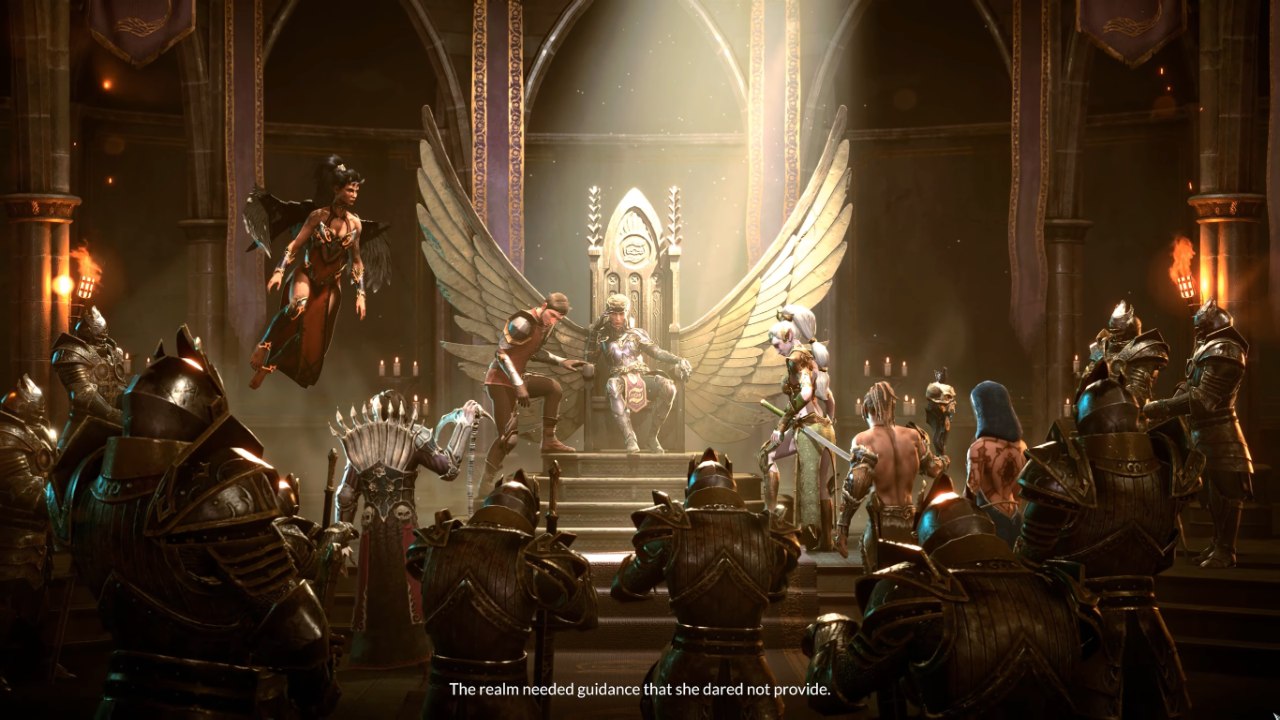
What makes Disciples: Domination interesting right away is that it does not treat being queen like a victory parade. You are not ruling a peaceful land. You are walking into a broken kingdom full of bitter factions and unresolved scars from past wars.
The developers clearly wanted to focus on what happens after the heroes win. You are dealing with consequences, not celebrations. That choice alone gives the game a different tone from many fantasy RPGs, and it sticks with you throughout your time playing.
The story centers on Aviana trying to hold Nevendaar together while everything around her feels like it is slowly falling apart. Politically, socially, and emotionally, nothing is stable. Different factions want different things. Old enemies are still lurking. Allies may not stay loyal forever. Even inside your palace, you rarely feel completely safe.
The throne room feels more like a command center during a crisis than a royal hall.
The story does a great job of not pretending that this is easy. You always feel stressed. The game reminds you that being a leader is hard through conversations, cutscenes, and little story moments. People are in pain. No matter what you choose, someone will get hurt. This game will be easy for you to get into if you like stories where being in charge is hard.
Even if you never played the first game, Disciples: Domination has enough background information through conversations and important scenes to keep you interested. Cutscenes instead of just text usually support major events, which makes them seem more important. It never gets to the level of a blockbuster movie, but it does enough to make the story work.
From a gameplay perspective, everything revolves around a simple but effective loop. You explore the overworld as Aviana, usually riding through dark forests and cursed landscapes. You discover points of interest, accept quests, collect resources, and run into enemies.
Exploration almost always leads to combat, and combat feeds back into progression. You fight, you grow stronger, you upgrade your realm, and then you fight bigger threats.
It works because each part supports the other. You never feel like you are grinding just for the sake of it. When you collect materials, it matters. When you upgrade buildings, you feel it. When you win a difficult fight, you immediately see how it helps you next time.
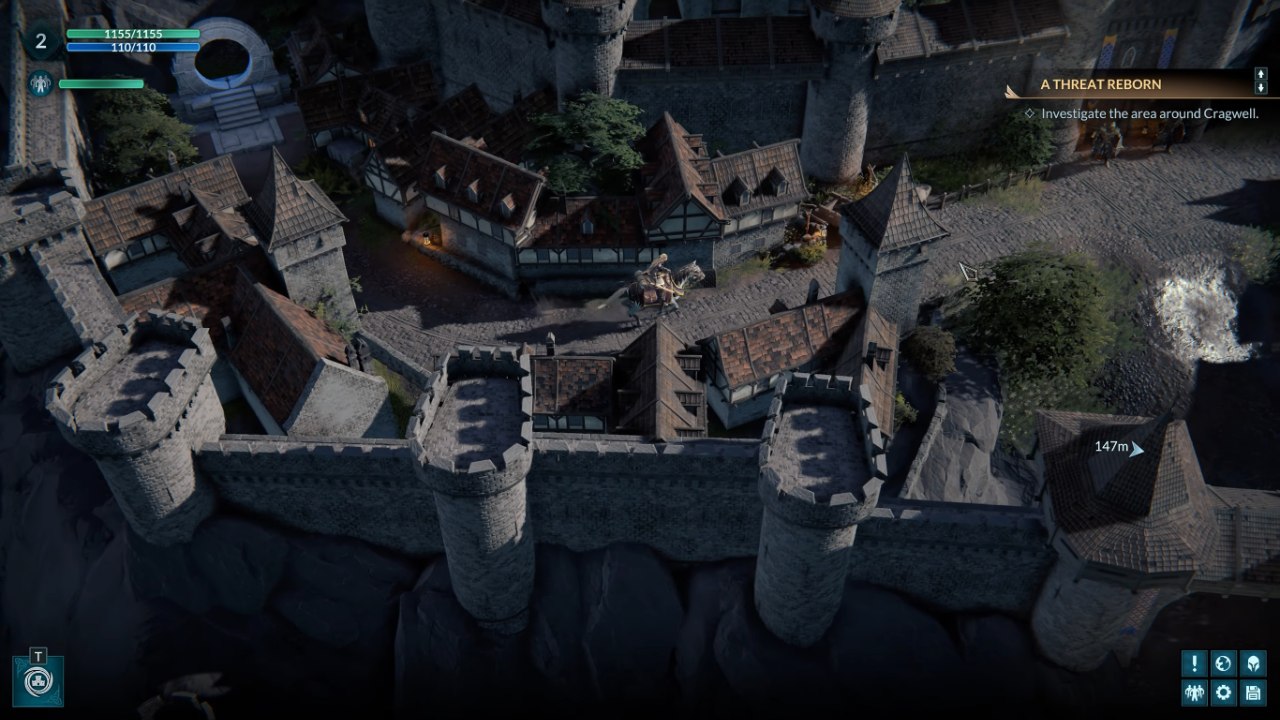
Managing your kingdom plays a big role here. You upgrade your palace, unlock new facilities, improve your barracks, and gain access to better troops and equipment. You also take control of resource points like quarries and sawmills. These are not just side activities. They directly affect how strong your army becomes.
One of the most underrated systems is what happens in the throne room. Different factions bring you grievances, complaints, and political problems. You have to decide how to handle them. Supporting one group might anger another. Spending resources might improve relations but weaken your economy.
Over time, you start checking the throne room like an inbox, because these decisions shape your realm.
It is not just a numbers game. These problems tell small stories about what is happening in your world. You learn about shortages, unrest, betrayal, and desperation. It reinforces the idea that you are ruling something fragile, not a perfect empire.
On top of that, you interact with companions and allies inside the palace. While it is not the deepest companion system ever made, it does enough to give your party personality. They feel like characters, not just units. In a game with this much political and emotional weight, that little bit of human connection helps.
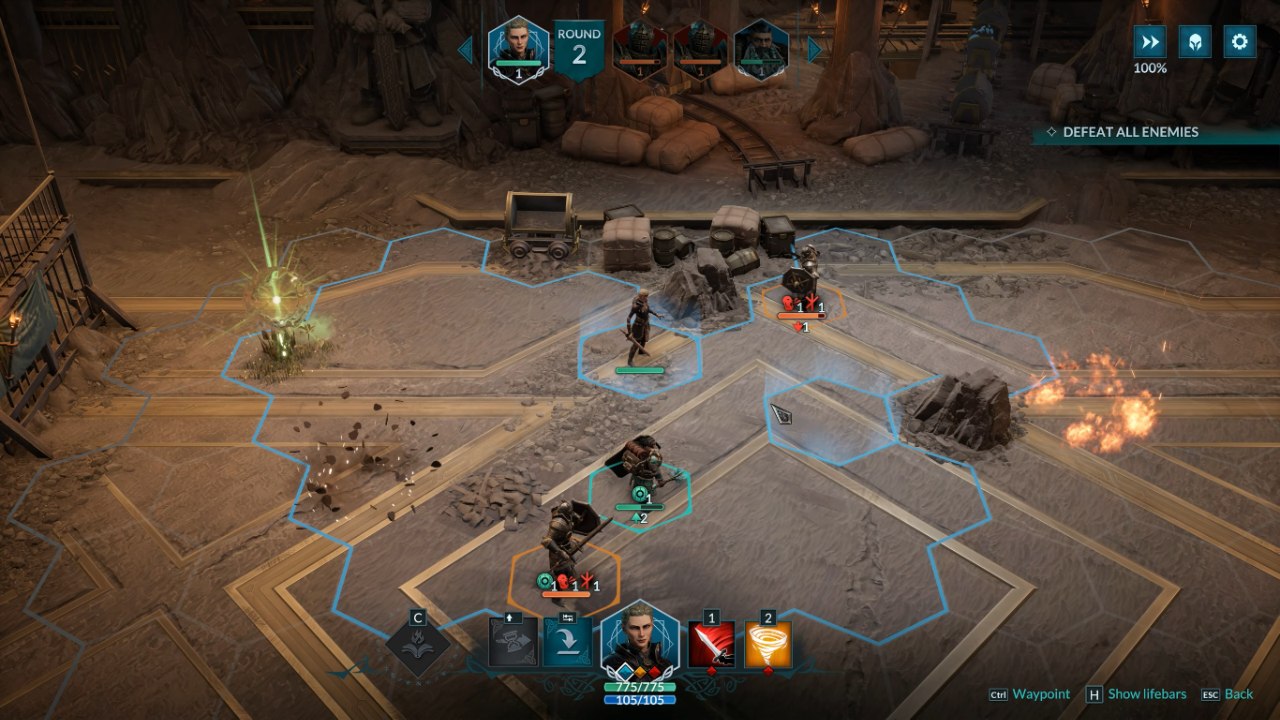
Combat is easily the strongest part of Disciples: Domination. Even if you are not usually into turn-based strategy, there is a good chance this will pull you in. Before every battle, you enter a setup phase. You decide where each unit goes. Who stands in front. Who stays in the back. Who supports. Who deals damage. Who tanks hits.
The battlefield uses a hex-based grid, which works a bit like a chessboard. Positioning matters constantly. You cannot just stack your strongest units and hope for the best. Bad placement can lose you a fight before it really begins.
In battle, everything is based on action points. Points are needed to move, attack, and use abilities. Each turn is like a little puzzle. This system makes battles feel less automatic. You still have to think, even on story mode and little mistakes add up. If you block your own units or use your skills wrong, you could lose a fight.
One of the best signs of good combat design is when you start planning your next move while the enemy is still acting. Disciples: Domination does that consistently.
Each troop type has its own abilities and passive effects. There is also a backline system, where certain units gain special bonuses when placed behind others. Finding the right combinations becomes a big part of mastering the game. You are constantly experimenting with formations to see what works best.
Instead of letting you spam powerful units, the game uses leadership points. As Aviana levels up, she gains more leadership, which determines how many strong troops you can field. Bigger units cost more points.
Environmental elements also matter. Some maps have special tiles that buff or weaken units. Others have falling rocks, choke points, or hazards. You have to adapt to each battlefield instead of relying on one strategy forever.
If you played the previous game, you will notice that combat is not radically different. It is more refined than reinvented. That can be good or bad depending on what you want. If you loved the last game’s combat, you will feel right at home. If you wanted something completely new, this might feel too familiar.
Progression is layered and flexible. Aviana levels up as you play, and you choose between different classes and upgrade paths. Each class changes how she functions on the battlefield. Some focus on support, others on offense, others on control.
You also unlock perks along different branches. These can change how abilities work, improve leadership, boost certain unit types, or enhance spells. You are not locked into one path, and you can mix styles depending on how you want to play.
Individual races can also be leveled up to unlock stronger troops. With five main factions, including the returning Dwarves, you have plenty of options. Each faction offers different strategic strengths, so experimenting with mixed armies becomes part of the fun.
Skills and spells are another layer. You unlock them over time, upgrade them, and tailor them to your playstyle. If you find an ability you love, you can invest in it and make it stronger.
Stats can feel a little unclear at first, especially if you are new to this genre. Things like intelligence and scaling are not always obvious. You might understand the general idea without knowing the exact math behind it.
There is also light customization through appearance options and trinkets. These are not game-changing, but they add a bit of personality, especially if you enjoyed similar features in the last game of the series.
Visually, Disciples: Domination fits its dark fantasy setting well. The environments are moody and consistently gloomy. Ruined villages, cursed forests, and haunted ruins all reinforce the tone. Nothing feels out of place.
Character models are solid, and spell effects look good without becoming overwhelming. Battles are easy to read, which is important in a strategy game. You rarely lose because you could not understand what was happening on screen.
One area that could be better is facial animation during emotional scenes. Sometimes the dialogue is tragic and heavy, but the characters look oddly calm. It can feel like they are discussing office work instead of life-and-death events.
The game runs well. A lot of players say that there aren't many crashes or serious bugs, especially when the game first comes out. There are some small problems, like weird sounds during attacks, but nothing that really ruins the experience.
Sound design is strong overall. Weapons, spells, and environmental effects sound satisfying. The soundtrack deserves special mention. It fits the world perfectly and adds to the atmosphere without becoming distracting.
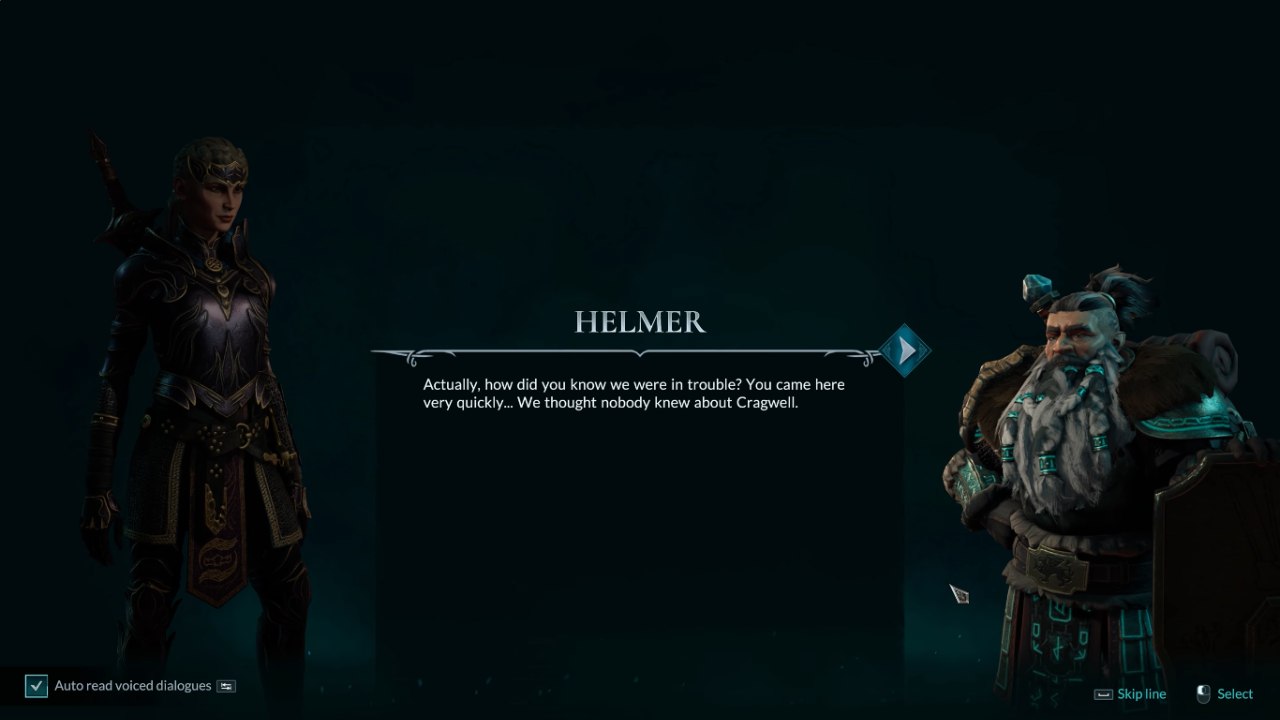
Voice acting is mostly solid. Not everything is voiced, but enough is to keep conversations engaging. Important scenes usually have voice lines, which helps prevent the game from feeling like a wall of text. You can also enable autoplay for dialogue, making story sections flow smoothly.
If you enjoy reading lore, there is plenty of it. If you do not, the game balances voiced and written content well enough that it never feels overwhelming.
One of the biggest strengths of Disciples: Domination is how it handles choices and consequences. Your decisions as a ruler matter. Supporting one faction may damage another relationship. Ignoring problems can lead to long-term issues. Solving grievances costs resources and sometimes reputation.

This system is not revolutionary, but it works. It makes you think about more than just combat. You are not only building an army. You are managing a fragile political structure. Over time, you start caring about these outcomes, which adds emotional weight to your decisions.
The campaign usually lasts around 20 to 30 hours, depending on how much side content you engage with. That is not huge, but it feels appropriate for the price. Multiple endings and different choices give the game replay value, especially if you want to see how different alliances change the story.
So, is Disciples: Domination worth your time?
If you like managing a kingdom and fighting in tactical battles, the answer is probably yes. Most importantly, it seems honest. Disciples: Domination honors your choices. And it keeps making you want to make "just one more run" more often than you think it will.
Contributor, NoobFeed
Verdict
Disciples: Domination delivers addictive tactical combat, meaningful choices, and strong progression. It is not revolutionary, but it is polished, engaging, and easy to recommend to fans of dark fantasy strategy RPGs.
77
Related News
No Data.