
Call of the Elder Gods Review
PC
A haunting expedition through memory, myth, and the quiet terror of the unknown.
Reviewed by Zahra Morshed on May 11, 2026
Call of the Elder Gods is one of the few current puzzle games that knows how to be constrained. Out of the Blue Games, a developer, opts for ambiance, emotional weight, and intellectual curiosity over pandemonium in a field enamored with spectacle and relentless action.
The overall product is both forced and shockingly sure. Rather than chasing trends, the studio builds on the template laid down by the previous company, providing an experience that values surprise as much as mechanical engagement. The first Call of the Sea was loved for its gorgeous Lovecraftian style, compelling stories, and riddles to solve in its setting.
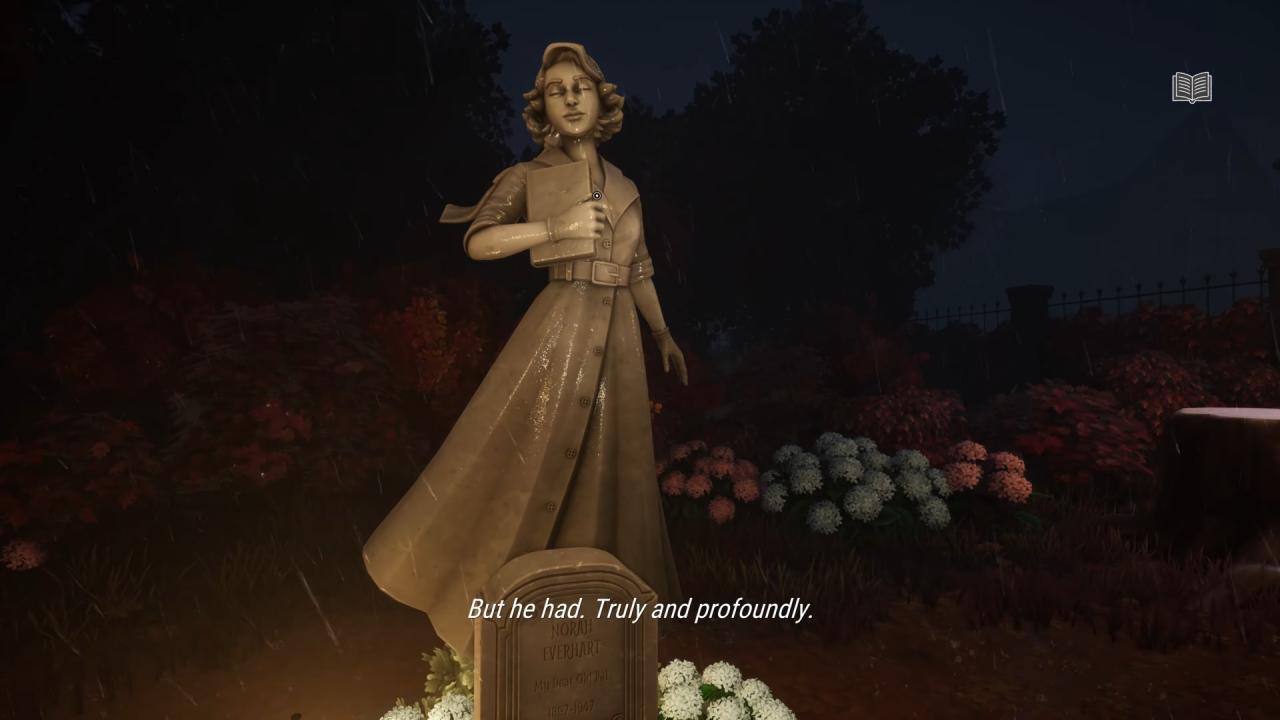
So Call of the Elder Gods takes that premise and really expands it. It becomes a grander, more ambitious plot. This sequel is no longer located on a single mystery island. Instead, it's a globe-trotting trip into abandoned ruins, frozen landscapes, secret cult hideouts, and universes that appear to make no sense.
One thing that immediately distinguishes Call of the Elder Gods from other mystery games is the tone control.
Though it’s rooted in cosmic horror mythos, the game doesn’t rely on cheap scare tactics. Throughout the experience, there are bizarre sights, ancient beings, and buildings that don’t make sense, but the emphasis is on finding as opposed to shock. This constraint gives the story an uncommon elegance and allows tension to rise naturally under every dialogue and piece of environment.
The sequel also demonstrates how much the folks who worked on it have grown up. The puzzles are quicker paced, the storylines in various environments feel more rounded and the two main characters add more depth to the stories that the first game occasionally lacked. Out of the Blue Games demonstrates a superior grasp of blending cinematic storytelling with player-driven research. Call of the Elder Gods is not only the next game in a series. It sounds a lot more confident and emotionally strong.
The events of Call of the Elder Gods are set many years after the events of Call of the Sea. Its two major protagonists, Evangeline Drayton and Professor Harry Everhart, are tied together by unresolved mysteries of the past. Harry has emotional wounds from earlier encounters with powers beyond human understanding, and Evangeline has fractured memories and recurring glimpses of strange cities. Their relationship makes a story of uncertainty, remorse, and faith that’s not always solid.
Conversations, journals, environmental clues, and well-timed revelations all help tell the story. Slowly, mysteries of lost societies, occult conspiracies and never-completed experiments tie into a larger mystery of cosmic beings and man’s curiosity about things they are not allowed to know. The story, strangely, remains personal despite these great concepts. It’s the characters’ emotional difficulties that keep the supernatural program standing, so it doesn’t completely fall apart under the weight of its own aspirations.
What makes Call of the Elder Gods so interesting is the combination of action-packed storytelling with psychological horror. One moment you may be translating ancient symbols in a crumbling temple, and the next you may be exploring a very personal tragedy around memory and loss. The game is always switching back and forth from great to scary, without losing focus. The capacity to move between tones gives the plot a lot of life.
The piece itself is quite mature.
And even when talking about cosmic catastrophes and the consequences that would end the world, speech rarely seems over the top or overblown. The characters react with genuine uncertainty, not over-the-top panic. This grounded, emotive approach creates a greater sense of immersion, with the most outlandish elements of the plot feeling weirdly real in the game’s universe.
But the plot is not ideal in every respect. But the setup's promised emotional reward is not fully paid off in the ending. Some big choices at the end don’t have substantial consequences, making the ending feel less important than it could have. Call of the Elder Gods often comes up short of emotional closure, yet the journey is still quite interesting.
But despite these issues, the plot is still one of the better portions of the game. Not many puzzle games so assuredly merge cosmic knowledge, emotional sensitivity and investigative storytelling. Call of the Elder Gods realizes that mystery works best when the answers aren’t perfectly clear, so you might remain in the dark well after the game is completed.
Call of the Elder Gods is a first-person puzzle-adventure game focused on exploring, interacting with the surroundings, and progressing the story. You journey through interconnected locations to gather clues, interpret symbols, operate machinery and discover the secrets concealed beneath each environment. Fans of story-driven puzzle games will know the framework straight away, but the way it’s put together makes the concept a lot better.
Systems that interact with each other are intentionally kept simple. You examine objects, take notes, decipher visual clues, and review notebooks that automatically document your discoveries. This design eliminates the unnecessary friction in order to preserve the focus on observation and reasoning. The surroundings themselves become the major way to deliver the story, as the interface doesn’t get in the way of immersion very often.
It’s one of the best technical changes to the game, so that it can have two protagonists.
In several puzzles, you have to move between Evangeline and Harry to exchange knowledge or to affect more than one system at once. These bits are fun and distinct and make you think about perspective, both physically and in terms of story. One of the better instances of this design theory is a problem where you have to adjust the routes of electricity and shift switches.
Call of the Elder Gods’ speed is also an improvement over the previous game. The game starts slow and cautious, but as the story progresses, it adds more intricate mechanisms and locales. The riddles are increasingly difficult without being too much for you. With this progression, you may create a beat that seems solid and in control.
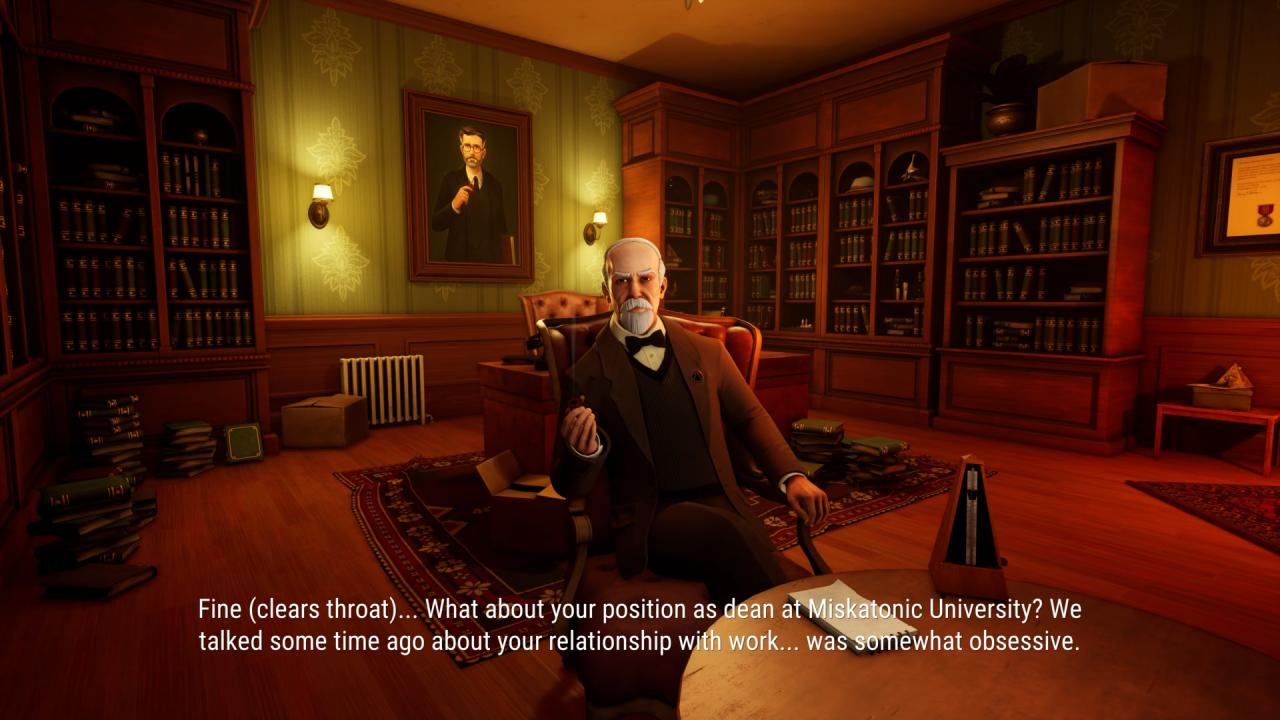
Exploration has a great aura of its own. Places include chilly study centers, vacant mansions and surreal landscapes that don't make sense or obey gravity. Each location rewards players who pay great attention to visual features and papers lying around. The game doesn’t hold your hand and expects you to understand things for yourselves instead of explaining everything all the time.
But sometimes it seems like things are progressing more slowly than they ought to. Some aspects of the traversal are slow, especially if you have to reverse through larger areas. These bits don't actually take away from the flow of the experience, but they do slow it down a bit. In Call of the Elder Gods, puzzles are better when they are closely linked and don't require a lot of wandering between them.
Call of the Elder Gods doesn’t contain much battle, which is beneficial for the experience in the long term. It doesn’t create suspense with normal action mechanics. Instead, it uses puzzles, environmental storytelling, and psychological ambiguity. It feels unsafe to make threats since you can’t easily beat them with guns or coercion.
The machine's true technical core is the puzzle design.
You decode languages, adjust how machines work, re-route energy systems, read cultist writings, and solve intricate environmental riddles that typically occur in more than one room or chapter. It's worth noting that these difficulties rarely feel isolated from the real world. All the tasks are consistent with their surroundings and add to the background of the story.
One of the best things about the game is its diversity. Some puzzles are math and logic-based, while others are about seeing patterns, being observant, or understanding what is happening around you. The experience always brings fresh features before the repetition can make users lose interest. If you pace yourself wisely, you can be sure that things will be driven forward by wonder, not by duty.
There’s also a handful of riddles that require the two main characters to work in tandem. Harry may have found knowledge that sets up a process that Evangeline stumbles across elsewhere. This results in intertwined problem-solving scenarios that are psychologically rewarding. These pieces add to the tale by subtly deepening the characters' relationships and making the game harder.
But not all problems turn out the same. Some of the late-game activities are overly difficult, which could frustrate gamers who desire things to be easy to understand. Things are slowed down a lot by a puzzle with multi-level clue interpretation, as the information isn't obvious. The built-in hints system prevents you from getting stuck, but utilizing them too much breaks the immersion and takes away the thrill of solving challenges on your own.
The hint system is flexible and something that should be applauded. It starts with providing soft nudges but then it continues on to providing well-defined walkthroughs rather than providing the solution immediately. The tiered structure accounts for the varying ability levels of players, ensuring the experience remains friendly while not making the difficulties too easy.
Call of the Elder Gods knows that interest should never be weaker than fury.
The finest thing about Call of the Elder Gods is how perfectly the chores fit into the story and universe. There is never a sensation that challenges were thrown in to make the game last. All the parts, the symbols, the hidden messages, work together to form the universe and make the game interesting at the same time. That feeling of connectedness creates immersion, something a lot of puzzle games have difficulty maintaining over time.
The game design is also better with storytelling about the surroundings. Old murals, journals with handwritten notes, devices that are broken and ritualistic objects are all clues that make you think like investigators, not like regular gamers. In this experience, observation and patience are more rewarded than reflexes, making for a slower but extremely satisfying way to connect.
Another ability to have is a good sense of pacing. The challenges get harder as the game progresses so you don’t feel too discouraged too early. The early assignments are easy, establishing a good grounding in logic before the more complex systems are introduced later in the campaign. This feature makes Call of the Elder Gods easy to play, especially for those who have no prior experience with puzzle-heavy adventures.
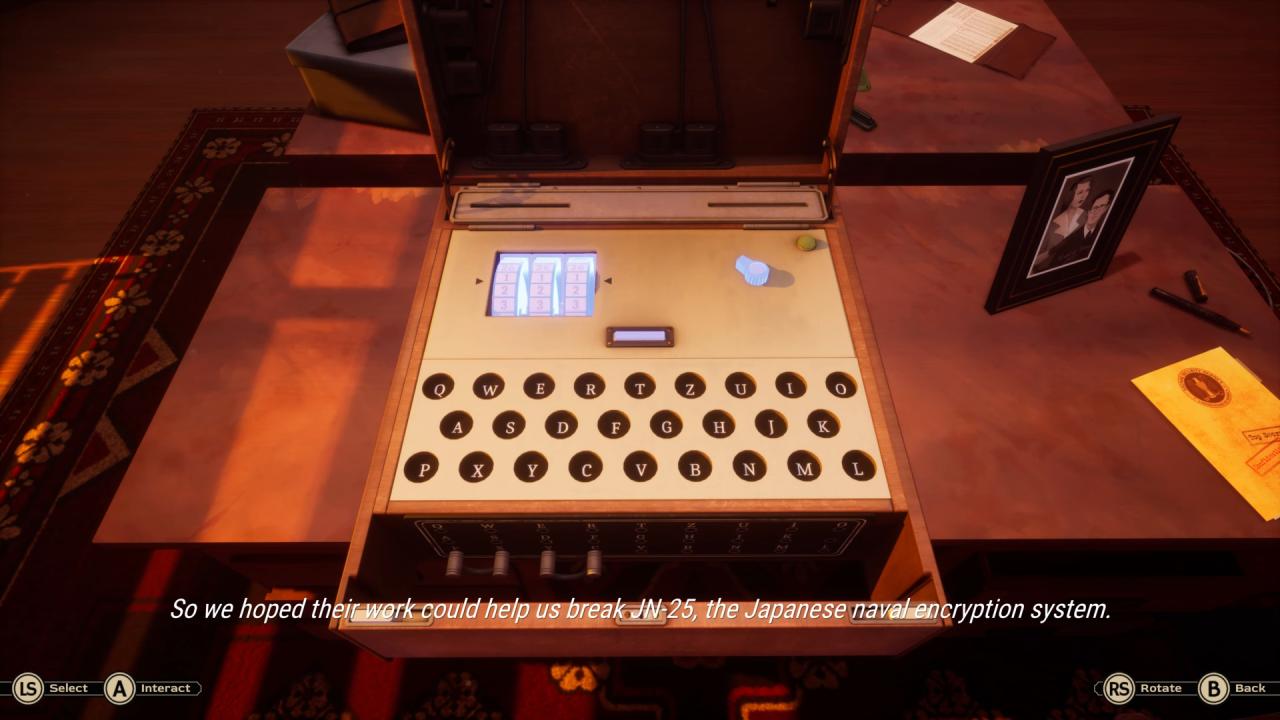
But the design sometimes goes too far into obscurity. Some answers have to be understood in such a specific way that you might not even understand what the goal was after they know the solution. These occasions are rare, but when they occur, they disrupt the usually magnificent flow of discovery. Some sequences are just not that sweet spot of being clear and hard, which is necessary for puzzle games.
The lack of real-world consequences for significant actions in the plot also lessens the intensity a bit. And while the tale builds to some hard moral decisions, the outcomes are curiously the same regardless of what you choose. More variations in endings may have made the game far more replayable and emotionally interesting.
The design still seems pretty damn finished though.
Call of the Elder Gods is an excellent illustration of how puzzle games can be thrilling without resorting to violence or continual risk. Survival depends more on your wits than anything else, which provides the experience a level of complexity unique in the current adventure game. Call of the Elder Gods doesn’t feature many of the usual forms of growth that other games do.
Collecting things does not provide you with skill trees, experience points, weapon upgrades, or score enhancements. Instead, progress is generated by learning new things and pushing the story forward. This simple approach is a good fit with the concept of discovery and intellectual curiosity in the game.
Most of the time, each difficulty you solve is like taking a step forward. You learn more about the mythology of cosmic entities and ancient societies, but also about the psychological problems that represent the major characters. Progress is natural because it comes from knowing, not from accumulating numbers. This design approach keeps you engaged, and prevents the phony grinding from slowing the tale down.
Character evolution is all about emotion, not logic. Their recollections, conversations and fresh knowledge of their past help Evangeline and Harry evolve as a relationship. The game isn’t going to make growing simpler by making upgrade systems easier, and that makes their mental trips feel heavier. Call of the Elder Gods is more of a tale of depth than progression metrics.
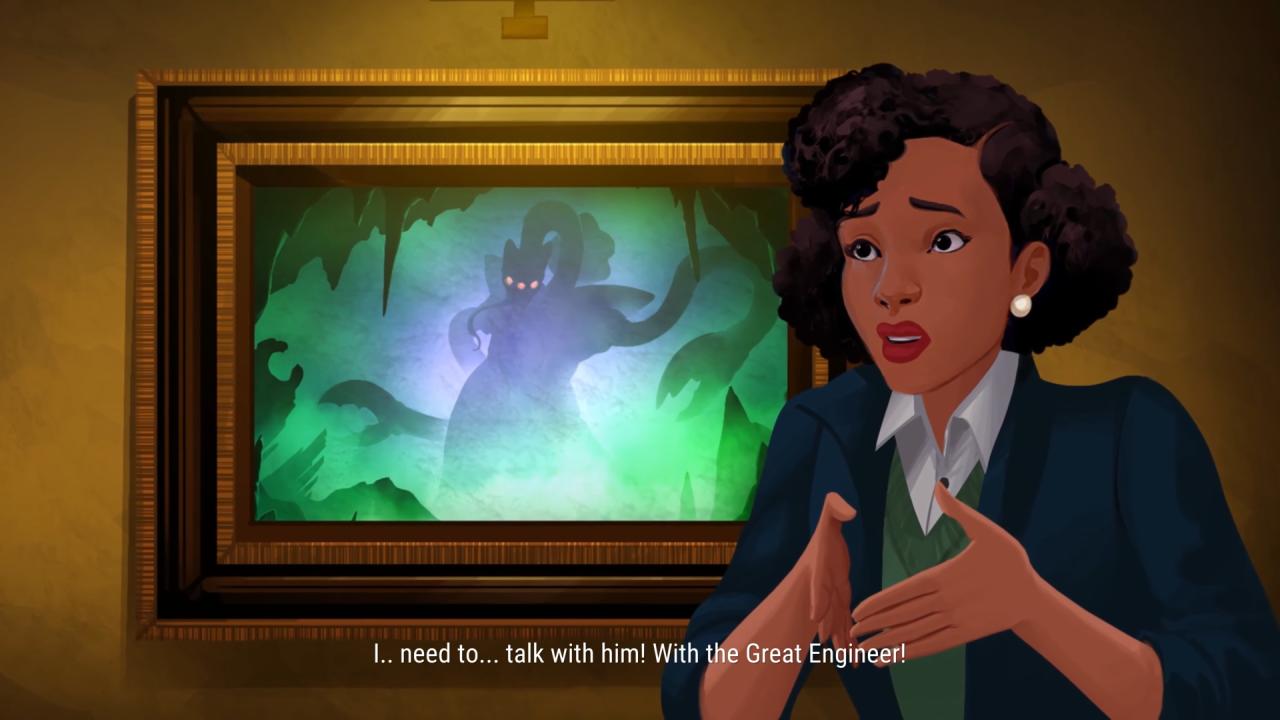
This won’t go down well with those who enjoy traditional reward cycles. Without talents to unlock or clear paths forward, the only things that will keep you going are the story and the riddles. Fortunately, the language and mood are excellent enough to sustain that interest for most of the encounter.
Call of the Elder Gods doesn't use the normal means of growth, which keeps it true to its design philosophy and keeps it from wandering off into the weeds. The prize is the finding. Every solved riddle, every translated sign, every revealed truth adds to a growing understanding that feels so much more essential than random experience points ever could.
Call of the Elder Gods is wonderful. The aesthetic of the game is a blend of realistic and painterly surrealism and it was developed in Unreal Engine 5. The settings are full of rich, dramatic detail, whether they are icy wildernesses, old submerged ruins, or surreal vistas that aren’t actually real but feel like they are.
Lighting is one of the most significant factors in setting the mood.
Dim candles flicker in deserted halls, alien buildings glimmer beneath the black sea, and odd celestial events light up huge landscapes with magnificent, terrible splendor. Every place seems to have been designed to create a certain vibe. The environmental range is also worth considering. Where many puzzle games recycle the same visual themes over and over again, Call of the Elder Gods is always adding new places with their own personalities.
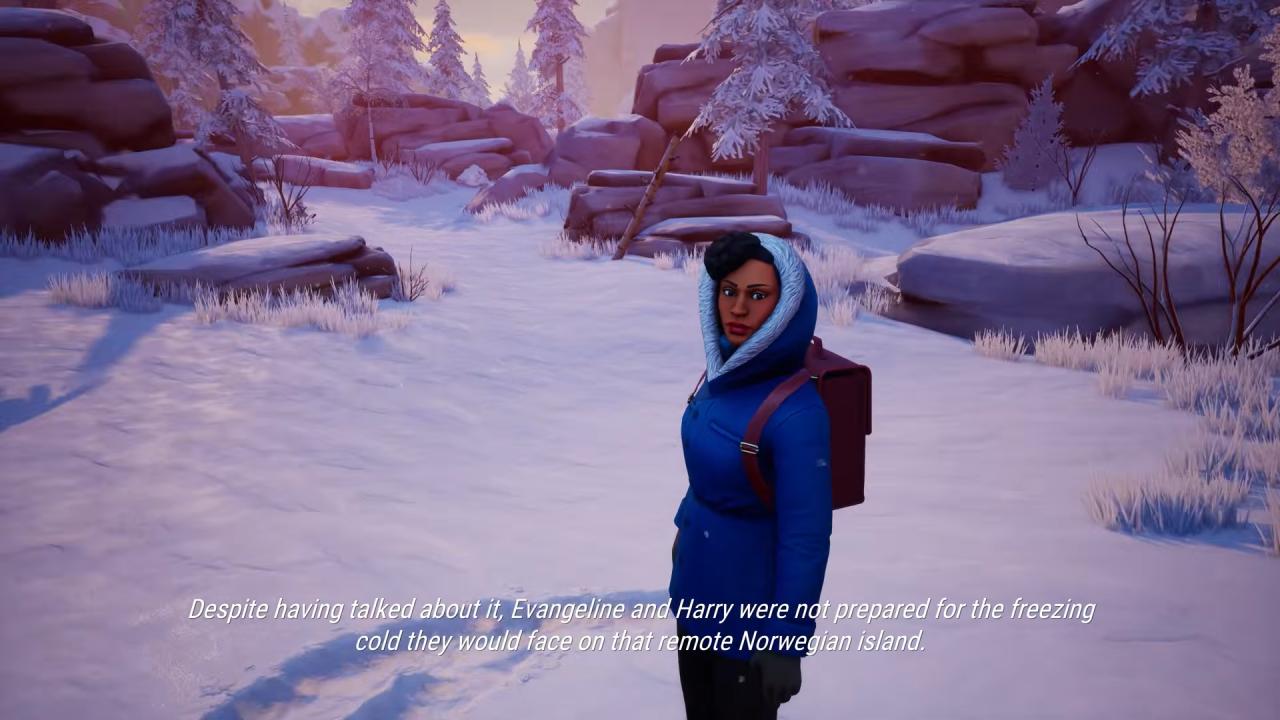
Ruins and clandestine labs buried in snow are a far cry from balmy destinations. The variation makes exploration visually intriguing, even though the game is only of short duration. The character animations are much superior to the devs’ previous efforts. Movements seem fluid and stable, particularly while ascending and interacting with the environment.
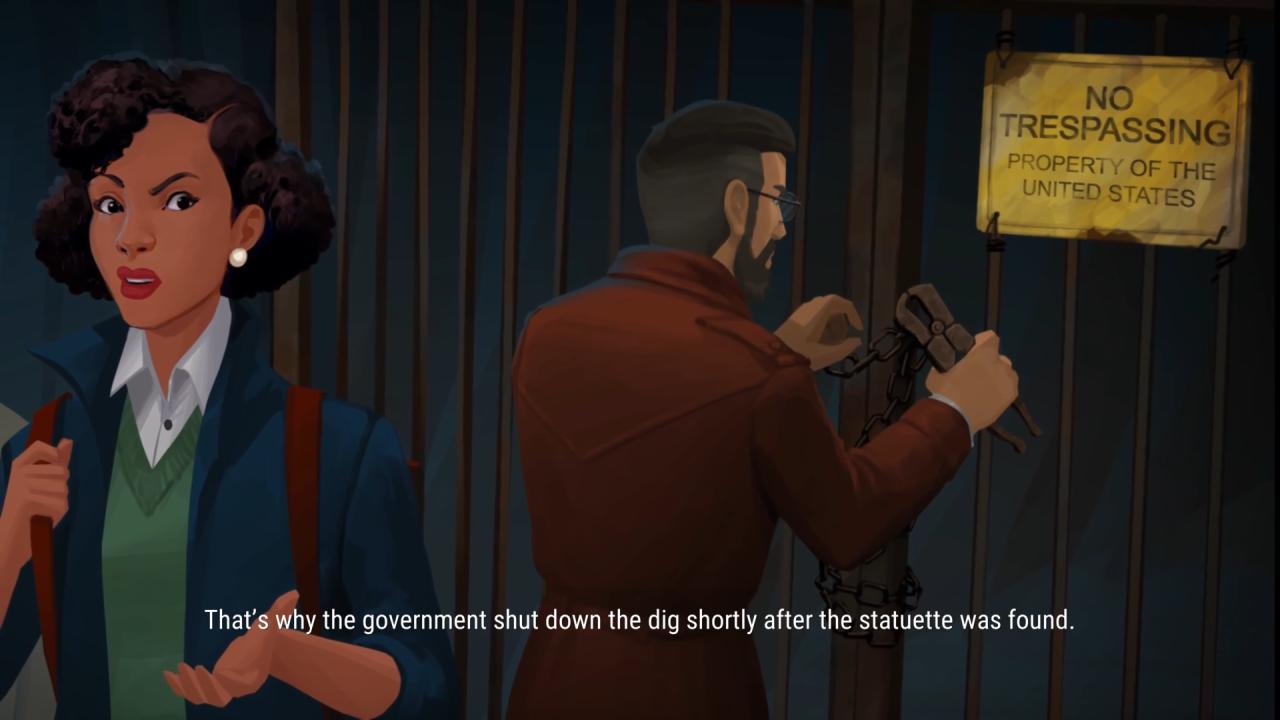
Little things, like how you place your hands when climbing a ladder or how your face contorts during a difficult exchange, really help with immersion. Another element that makes this game stand out is the hand-drawn cutscenes. These stylish shifts make you feel like you are reading a gorgeously illustrated supernatural book. The shift in art style may be jarring initially but it makes the game more unique and gives the plot a more memorable visual texture in the end.
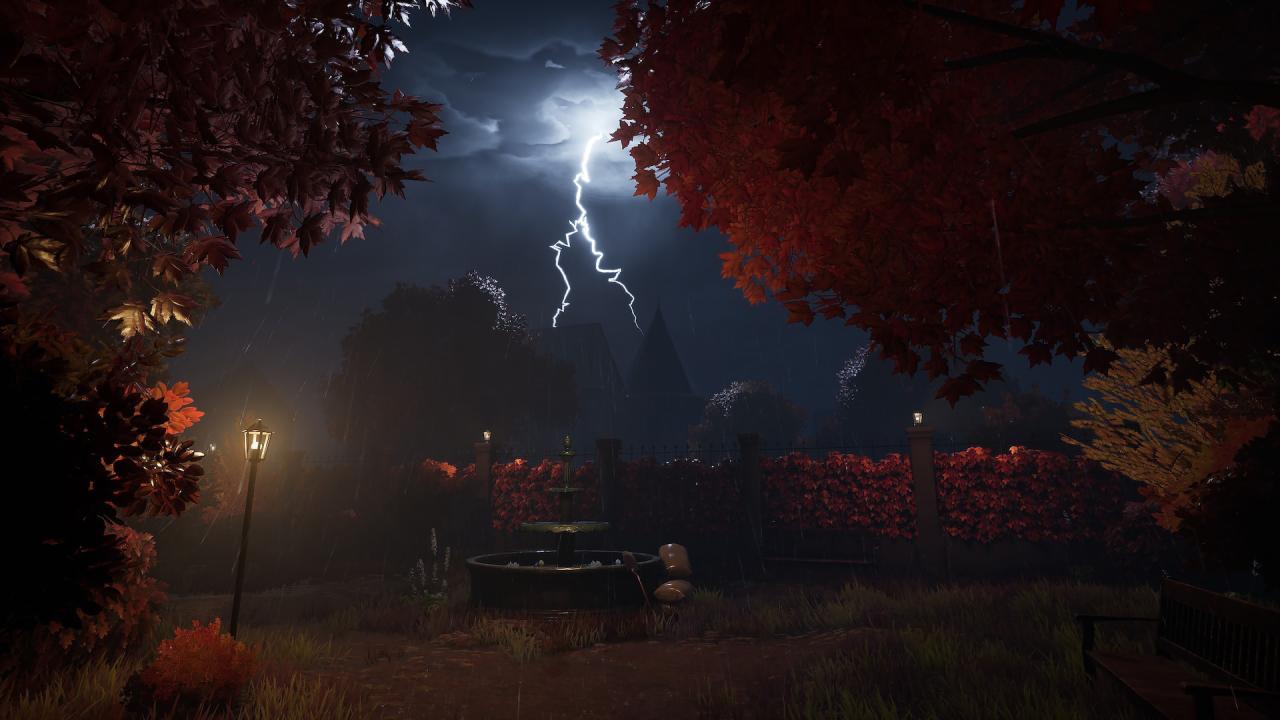
There are certain technical issues that occur from time to time, especially with loading textures and changing environments. But these imperfections are still minor compared to the whole work of art. Call of the Elder Gods always features pictures that appear like they belong in a movie theater and has a lot of mood, proving that good art direction is more important than a lot of extra technological stuff.
The sound design is beautifully subtle throughout Call of the Elder Gods.
There’s no spectacular orchestration bombarding the player; the soundtrack instead hovers gently underneath the dialogue and exploration. Ethereal tunes and ambient noises will make you feel a little uncomfortable, but not too much. This constraint gives a much more powerful immersion.
Environmental sound design works equally effectively. Water sounds resonate around the massive ruins, footfall falls naturally on varied surfaces, and far away, mechanical groans indicate activity beyond the visible. Sometimes in the scene silence itself is an effective weapon, creating tension by absence rather than excess.
One of the best things about the game is the voice acting. When there’s sadness or dread or doubt, the leads’ performances feel nuanced and emotionally true. Evangeline and Harry sound like sensible people attempting to deal with impossible facts, not over-the-top adventure tropes.
Norah tells it in a way that makes it even more engaging. Her discourse is sorrowful and smart, which, in a subtle manner, contributes to the emotional aspects of the story. Even the lesser characters, like the bad people in the cult, have an effect even though they are only there for a brief time. The acting always brings more to the writing than is on the page.
The music doesn’t have any instantly known tunes, but the ambiance is consistent and makes the whole experience even better. Call of the Elder Gods knows that sound should assist you FEEL what you are feeling, not grab your attention. This kind of thinking yields one of the most cohesive soundscapes in the modern puzzle adventure genre.
Call of the Elder Gods is a terrific game because it knows what type of experience it wants to be. It doesn’t aim to be a big game or to have a lot of intricate things about it. It’s less about riddles, more about mood, about telling stories that make you feel things, about meticulously crafting puzzles with several tiers. That clarity gives the game a rare amount of confidence from beginning to end.
Having two major protagonists makes the plot and gameplay richer. The riddles keep growing more difficult without getting too difficult. Environmental storytelling makes every site more interesting. It makes gamers feel like they are discovering the ancient mysteries themselves, not just sitting back and watching things unfold as planned.
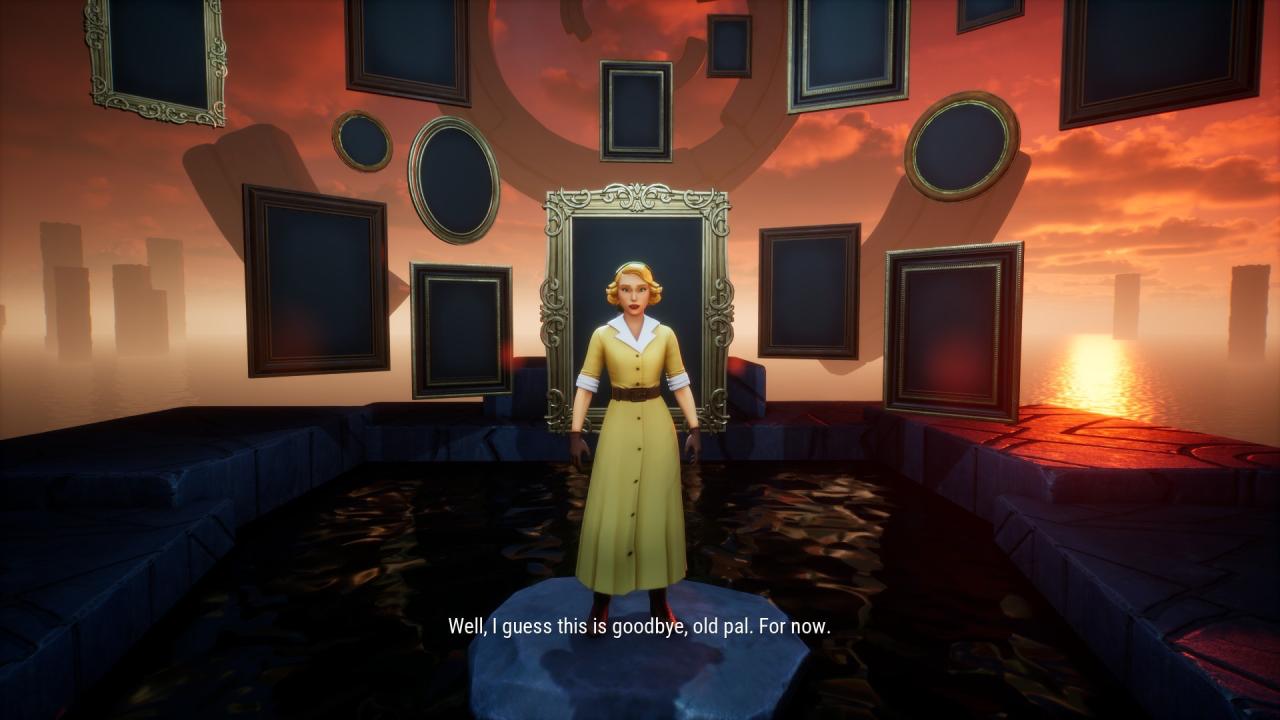
There are things that are not ideal. Some puzzles are too hard to solve, the game frequently lags in traversal portions and the ending lacks the dramatic impact that the build-up deserves. But these drawbacks are rarely enough to negate the many outstanding elements of the experience. What’s interesting is that the world of Call of the Elder Gods still feels real and alive.
The game also assumes that you are intelligent. The experience is carried by observation, patience, and wonder, not lectures or movie breaks all the time. That kind of trust is increasingly unusual to find in current games, and it lends the plot a vintage feel that sticks with you long after you’re done.
Call of the Elder Gods is one of the best thought-out puzzle games of the last several years. It personalizes terrifying space stories and makes them sad and weirdly beautiful. This trip through lost cities and fractured memories is particularly gratifying for those who prefer mystery to action and atmosphere to spectacle.
Contributor, NoobFeed
Verdict
Call of the Elder Gods is a beautifully crafted puzzle-adventure that blends Lovecraftian mystery, storytelling, and atmospheric exploration. It occasionally stumbles in pacing and endings, but its intelligence and artistry leave an impression.
78
Related News
No Data.