
Carmageddon: Rogue Shift Review
Nintendo Switch 2
A new take on the roguelike genre that captures the spirit of vehicular carnage while struggling with its own goals.
Reviewed by Nusrat Choity on Feb 06, 2026
It's always been in a weird but interesting spot in the history of video games. The show began in the late 1990s and became famous for the car fights and the fact that it didn't care about following the rules. It wasn't necessary to win races; chaos was, and destruction was praised more than clean driving.
Carmageddon changed over time from being a race to being more about how you act. As soon as Carmageddon: Rogue Shift was announced, it was clear that it would not be an easy remake. The developers didn't go all out with nostalgia; instead, they changed the series to fit a current roguelike style.
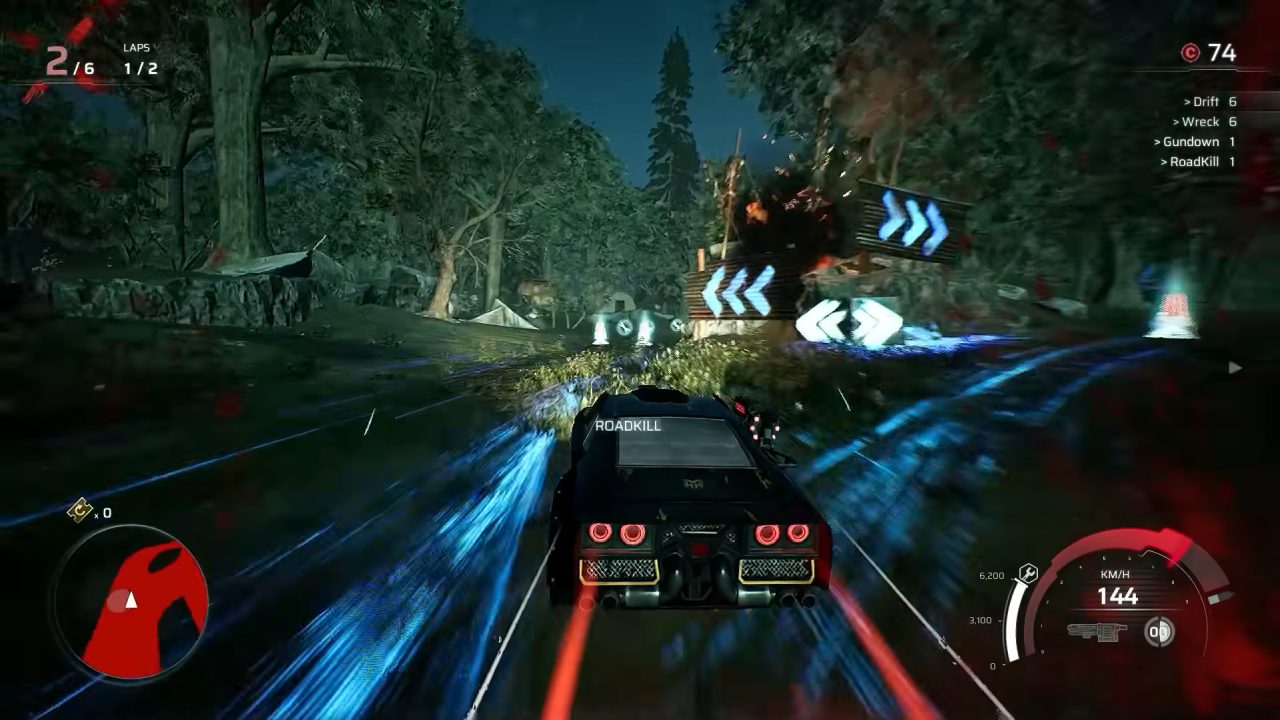
Rogue Shift is one of the most dangerous games in the series just because of that choice. In no way does it try to be the same or replace the first Carmageddon. For now, it asks you to accept Carmageddon as a base and then push it into uncharted land where staying alive is more important than speeding through each run.
The story of Rogue Shift takes place in a dark future, around the year 2050, when society has fallen apart, and fun has turned into dangerous racing shows.
The zombies, who have been given the name "Wasted," roam the tracks and towns, acting as both enemies and resources. The way the story is told is meant to be light. You don't have to watch long cutscenes or listen to dialogue to understand the story. Instead, the game uses short panels and text fragments that look like comics to explain what bosses, factions, and achievements are all about.
One important thing about this minimalist method is that it never stops progressing. You are never taken out of the experience to read about it. It also means that the world never really comes to life. The setting is moody but not very deep; it's more of a theme wrapper than a place you get connected to. World War III: Rogue Shift doesn't want to tell you a story you'll remember; it wants to put you in situations you can handle.
The most important change is the roguelike layout of the game. You don't choose individual races; instead, you start a full run across a map that branches off into different areas. Every node is an event of a different type, such as races, survival challenges, boss fights, elite encounters, shops, repairs, and dangerous scavenging tasks.
Damage is stored between events, and the run is over when your car is destroyed. This one change changes the way Carmageddon makes you feel. People still act carelessly, but now there are penalties for it. Every crash is important. Every risky pass or fight with an enforcer that isn't required could cost you the whole run.
This keeps things tense and makes you plan ahead, which wasn't always necessary in older Carmageddon games. Even when things are going crazy, the game feels smarter because of this. The physics in Rogue Shift on the road are a mix of arcade racing and demolition derby.
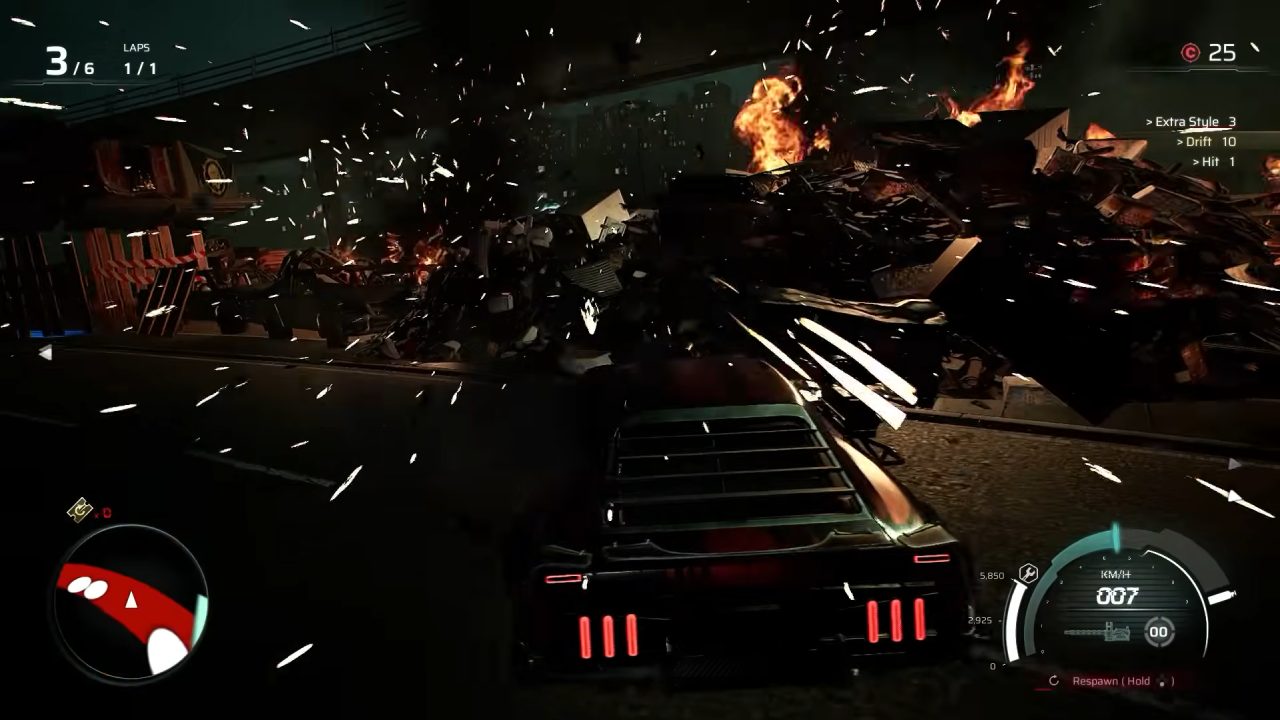
Cars feel heavy, sensitive, and dangerous, but you can't always tell what will happen. Each type of vehicle has its own style. Lighter cars are faster and more maneuverable, so you can quickly get out of harm's way and move through traffic. Heavier cars give up speed for raw power, which lets you beat up opponents and stay alive for long battles.
Side-barge controls let you drive aggressively by slamming into other drivers and sending them into danger. When you get the hang of handling, it's exciting. You feel in charge as you use your weight, speed, and position to take over the track. When it doesn't, sudden spins, awkward collisions, and forces that don't make sense can be frustrating, especially in a system where failing ends a run.
One of the most constant problems with the game is this lack of consistency.
In Rogue Shift, fighting and driving go hand in hand. Each car starts out with a weapon, and you can change, improve, and swap your weapons during a run. Weapons include everything from machine guns and rocket launchers to more specialized tools that change how you fight.
On top of these systems, perks can change the types of damage done, how boosts work, or how rewards are won. The zombies are not just things to be killed; they are also useful. Getting rid of them fills up your boost meters and gives you money, which makes you more likely to play aggressively even when you're not trying to win first place.
Enforcers put constant pressure on you by hunting you down and making you stay mobile. Boss fights are important checkpoints that require either pure racing skill or long-term fighting skill. Some bosses are actually fun, and they force you to change how you build and how you fight them. Others put too much emphasis on durability, which turns fights into long, boring wars of attrition instead of smart tests of skill.
The best thing about Rogue Shift is that it makes you make important choices. You are always weighing risk against return between events. Do you race against the best players to get strong upgrades, or do you take the less dangerous route to fix your car? Are you willing to take a chance on a scavenging mission that could make your build much better or much worse?
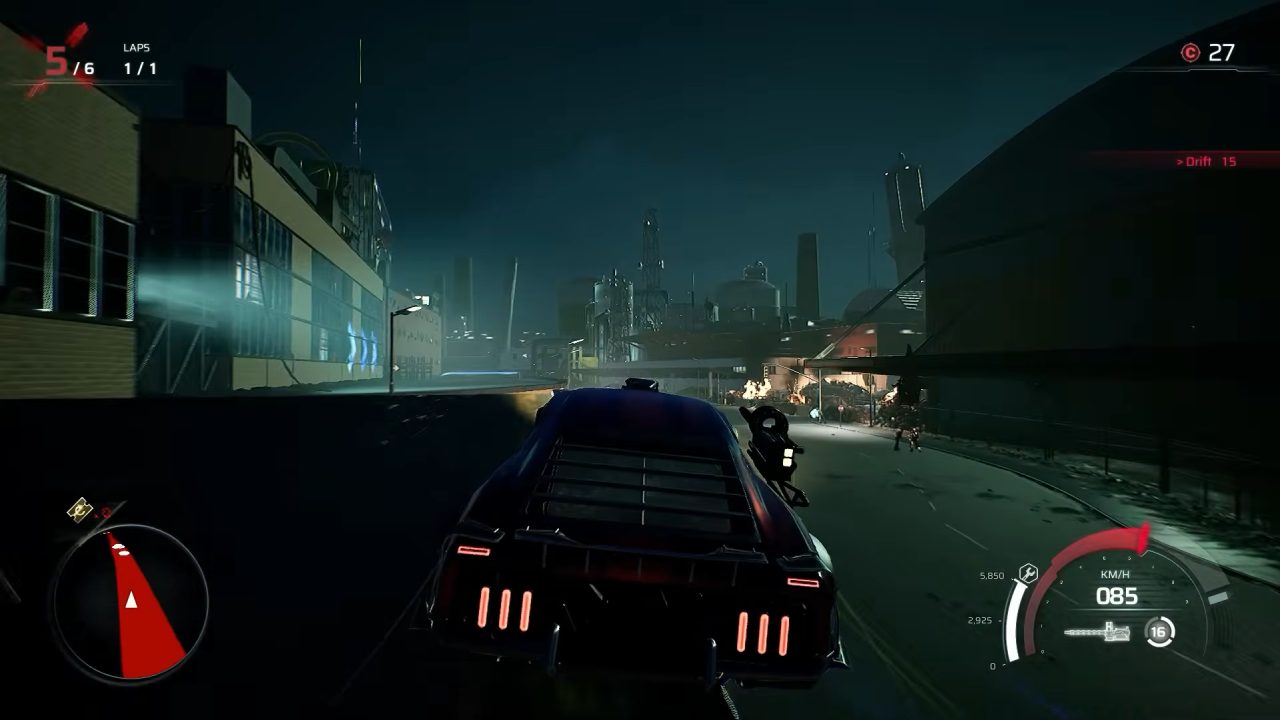
These options give you a sense of control over each run. Getting success doesn't feel like a gift. It hurts to fail, but it rarely feels wrong. But after a while, cracks start to show. There aren't enough events and tracks in the pool to keep things unpredictable for a long time. When you notice trends, the stress goes away. At first, the trip seems exciting, but it quickly turns into a routine.
In Rogue Shift, there are both temporary and lasting ways to move forward. You get points during a run, but they are gone when the run is over. You can use these to fix things, get better ones, and get extra benefits that help you plan your next move. When you beat a level and win coins, you can buy new cars, weapons, perks, and passive bonuses that last forever.
This meta process makes sure that even runs that don't work out help future runs that do.
Over time, you unlock more builds that can work, which encourages you to try new things and be creative. When you feel frustrated at first, knowing that you are always moving forward helps. The bad thing is that progress slows down a lot after most unlocks are unlocked. At that point, the game's major loop is pretty much the only thing that keeps it interesting, and it's not deep enough to keep playing over and over again.
In Rogue Shift, the tracks are made to help with both racing and fighting. Wide lanes let drivers move quickly, and environmental dangers make things less predictable. Some tracks focus on speed, while others force you into deadly close-quarters fights. There is a good range of visuals, from open wastelands to enclosed industrial areas.
On the other hand, mechanically, the songs start to blend together. It's common for layouts to use the same ideas or dangers over and over again. Over time, comfort takes the place of energy. You start to plan for problems instead of responding to them, which takes away from the sense of danger that the roguelike structure is supposed to create.
Rogue Shift does a great job with its post-apocalyptic mood. The surroundings feel hostile, the vehicles look rough and worn, and the explosions have weight. The general look fits with Carmageddon's history of filth and excess. The show does have some technical problems, though.
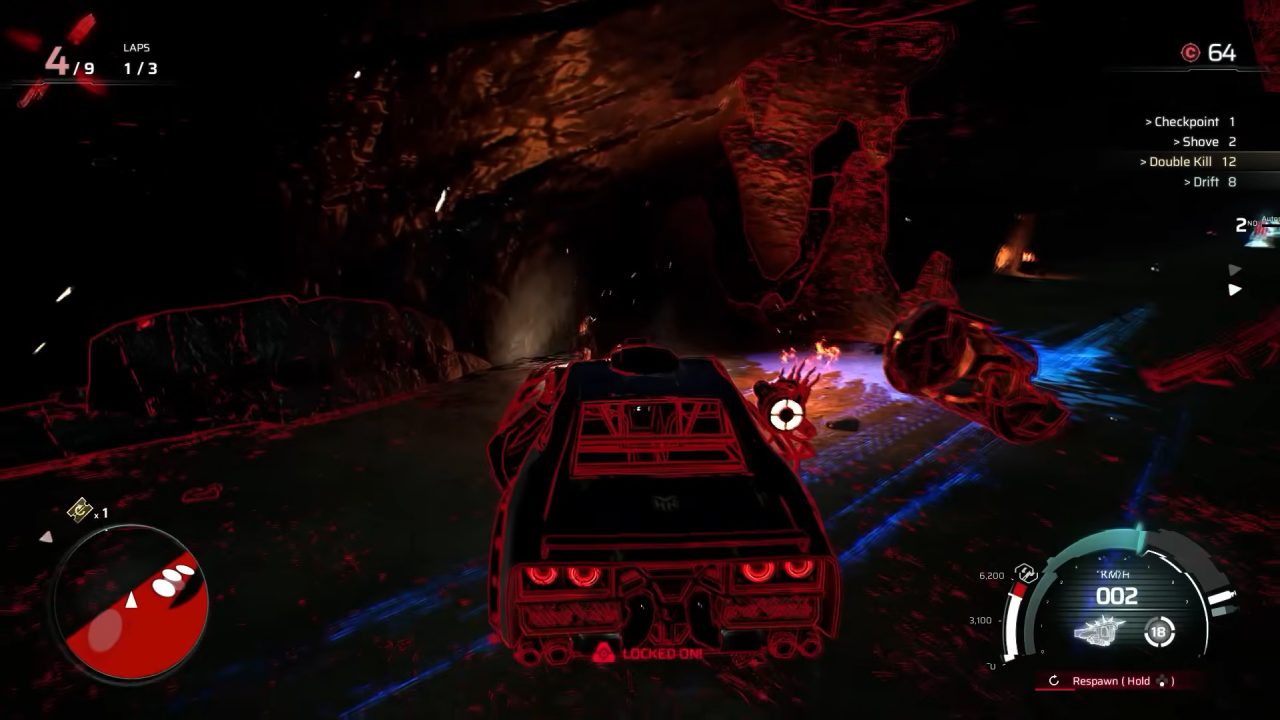
It's easy to see that the lighting, textures, and performance aren't always the same, especially when things get serious. Even though updates have made the game more stable, it still feels a bit rough around the edges. It looks better when it's moving than when it's not, which fits with its focus on speed, but it never gets as polished as the ideas inside deserve.
Sound design does a great job of making confusion louder.
The engines roar with danger, the crashes sound just right, and the weapon effects are satisfying and powerful. The music in the game is mostly aggressive and high-energy, and it changes depending on how intense the races and fights are. This exciting sound gets your adrenaline going and helps hide some of the game's visual flaws.
There is no voice acting, but it doesn't feel like a loss. Rogue Shift tells you everything it needs to know through noise, movement, and damage. Carmageddon: Rogue Shift is a brave game that should be praised for that. It doesn't just recycle nostalgia; it tries to make a cult classic more in line with current design trends. Car battles feel really new because the roguelike structure adds drama, strategy, and consequences.
When everything works out, Rogue Shift has thrilling moments of well-controlled chaos that capture the rebellious spirit of Carmageddon. But it can't reach its full potential because it doesn't have enough different kinds of material, is hard to use, and has some technical issues. It reads like a good first draft of an idea that, with a little more work, could have been great.
In the end, Carmageddon: Rogue Shift is neither the last game in the series nor a completely new game. There is a big experiment going on here that sometimes fails but mostly succeeds in being exciting, tense, and damaging without any qualms.
Contributor, NoobFeed
Verdict
Carmageddon: Rogue Shift is a fun experience to crash into if you like risk, exploration, and high-stakes chaos more than polish and endless variety.
74
Related News
No Data.