
Feastopia Review
PC
A fun city-building game with beautiful colours and soft soundtrack.
Reviewed by M. Hasan on Jan 30, 2026
City-building games have always done well when they are easy to play. The genre usually encourages you to take your time, look around, and build something important over time, from well-planned streets to well-organised supply routes.
Feastopia, made by White Star Studio and published by IndieArk, takes place in this same setting but quickly begins to move things around. Sources say that White Star Studio is a small yet skilled development company situated in Guangzhou, China.

They are best known for making simulation games like Thriving City: Song. With Feastopia, the studio moved away from simulations that were only based on history or reality and instead focused on fantasy, roguelite structure, and food-based gameplay.
Feastopia wasn't made as a sequel or spin-off; it was an experiment that combines the city-building genre with the high-pressure, repeating nature of roguelikes. Feastopia isn't just a limitless sandbox; it's based around set runs, increasing difficulty, and features that let you keep making progress.
The way it was made is part of a trend in strategy games:
making the game look cosy while still making the decisions quite hard. The game appears easy, but it requires continual attention since you have to balance the needs of a city with the wants of a supernatural creature at its center.
The story of Feastopia is simple on the surface, but it has a big impact on all the systems that are behind it. The sources say that the game takes place in a wonderful country full of riches where humans and a heavenly being named Dango make a sacred promise to each other. This entity comes down from the sky as an egg that is put right in the middle of the map. Dango is the center of attention from the time it hatches.
There aren't any extensive talks or movie-like cutscenes that describe the story. Instead, it happens through mechanics, results, and increased needs. Dango needs to eat on a regular basis, and the kind of food it eats has a direct effect on how it feels.A cheerful Dango blesses the city, which makes it easier to stay alive. If you don't take care of Dango, it gets angry, which makes the wrath meter go up and makes punishments worse and worse.
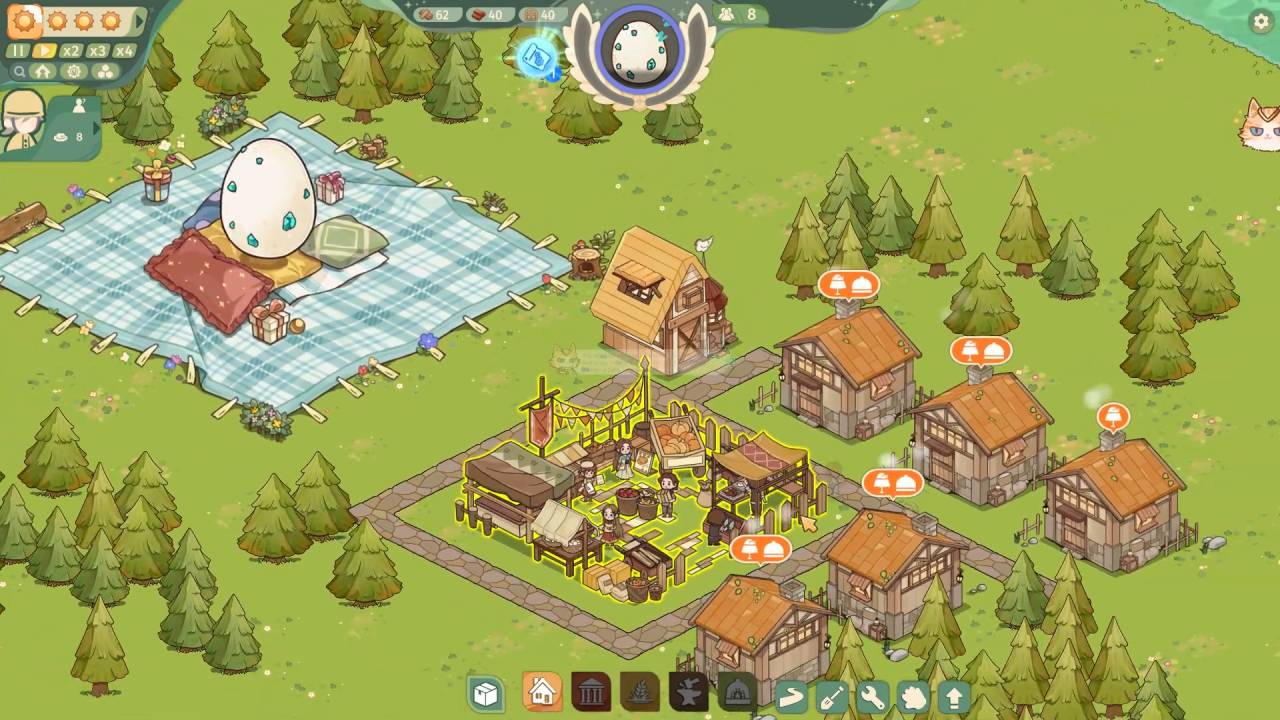
This makes the plot more exciting, just like real-life issues of balance and responsibility. The city is not just for the people who live there; it is also part of God's design. People have wants, objectives, and social growth, but the settlement's success as a gourmet offering will decide what happens to them. Is the city being built to make people prosperous, or is it only to keep a god from becoming mad? I think about that question every time I run.
Feastopia is a city-building management game with a roguelike structure at its core.
At the start of each run, you can choose the type of map, the beginning resources, and any bonuses that are available. These choices affect how things go at the beginning and can have a big effect on whether or not you succeed later. From there, you start building a settlement from the ground up.
There are many different kinds of buildings, and they are all quite specific. People live in homes, farms grow food and animals, timber mills make raw materials, tailors make things better, and chefs turn simple ingredients into more complicated dishes. Placement is important. To avoid wasting time and money, storage sheds need to be adjacent to fields, and production chains need to be carefully arranged to minimise bottlenecks.
You can unlock blueprints by completing tasks and accomplishing goals. The sources say that this system makes sure that new mechanics are added at a steady pace, although the number of systems might still be overwhelming. When new buildings go up, additional needs often arise, leaving little place to breathe.
Workers provide another level of difficulty. Feastopia takes a page from the Anno series by adding worker layers. Basic workers can do simple jobs, but more complex production needs specialised staff like junior cooks or artisans. These workers require better places to live and more help, which adds social management to the logistical puzzle.
Dango is always putting pressure on all of this.
Feeding cycles happen on a regular basis, and each cycle has certain types of food that must be provided. Early needs are easy to meet, but later cycles need more complex meals, drinks, and dishes with more than one ingredient. You are always drawn back to the center of the city, where Dango waits patiently—or not so patiently—as the city spreads outward.
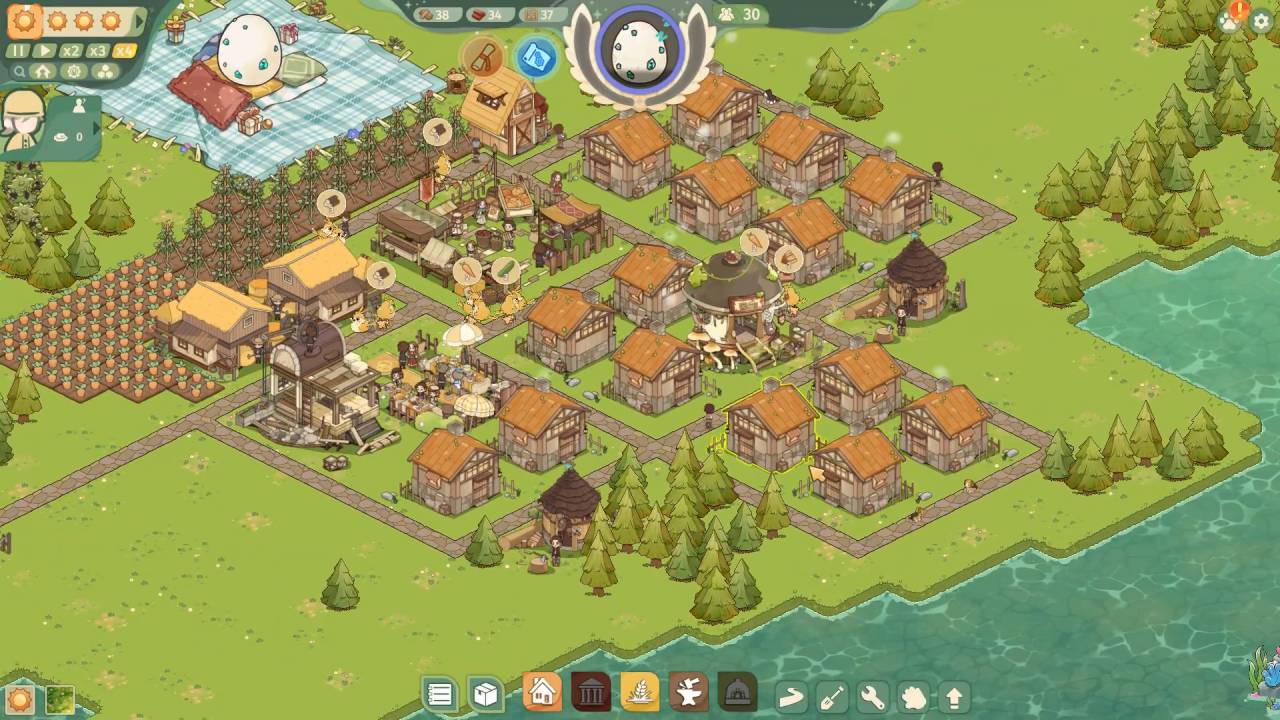
There are no traditional puzzles or fights in Feastopia. Instead, its problems come from how things work together. The city itself is the mystery. How do you quickly gather raw materials, turn them into high-quality cuisine, assign the right personnel, and deliver everything before the timers run out?
Randomly generated maps make sure that the placement of resources changes every time you play. Drafting blueprints makes planning even harder because you have to pick from a small number of possibilities that may or may not fit your needs at the time. This leads to times of improvisation, when one missing item might ruin an entire feeding cycle.
Time pressure is a big part of it. The game changes a lot when Dango hatches. A city-building game that used to feel serene turns into a race against time. Timers for feeding, anger meters, and rising necessities make it necessary for you to make decisions quickly. There is a pause button that stops time and lets you plan, but according to the sources, halting often becomes almost necessary instead of voluntary.
One of the most talked-about features of Feastopia is this change in flow.
It can be disturbing how peaceful it looks and how hard it is to use. Does the pressure make you feel excited, or does it impair the homey sense of the pictures? You mostly have the solution. Feastopia is strong because it is unique and has a lot of depth. The Dango mechanism is one of a kind. It turns making meals into a story and a mechanical showpiece. You really have choices with the tiered systems, and when you win, it feels like you earned it, not just by chance.
But the way the game is played can be too much. The sources suggest that the tutorial doesn't take long to explain a lot of mechanics. Some systems don't make things plain unless you look for them. This makes it hard for new people to learn, which could cause them not want to keep going.
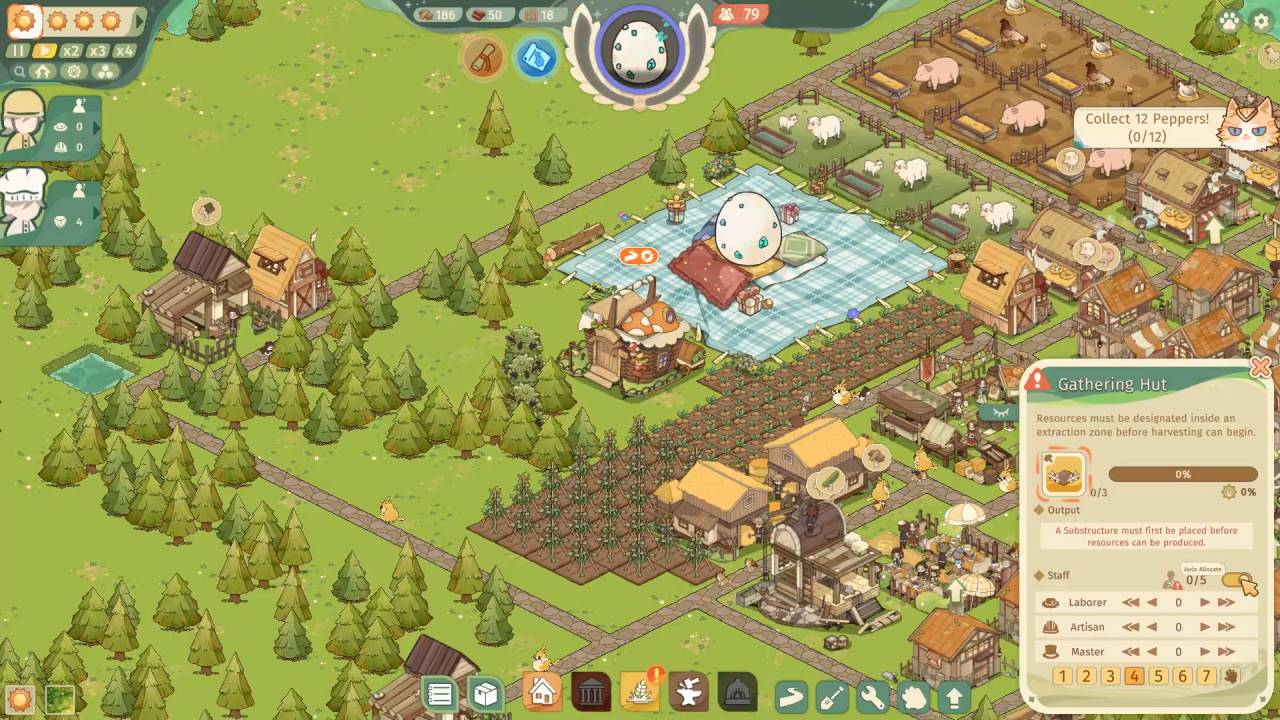
People also dispute about the roguelike structure itself. Sometimes, runs stop all of a sudden. Even if the goals aren't met, the game can still end, which means it has to start over. For some, this makes the genre's identity stronger. It makes other people feel bad, especially after investing time in a settlement that seemed like it would work out.
It is quite nice to gaze at Feastopia. The art style is bright, soft, and welcoming.
The buildings are round and lively, and the crops sway in the wind. The whole place feels alive. Dango's design is one of a kind; it's cute, emotional, and strangely dangerous when it's mad. There are five different biomes that make the game look different each time you play. As the city grows, visual input shows that things are getting better. New buildings and lots of movement make it feel like life is happening. The game's visual warmth and mechanical intensity are two of its most noticeable qualities.
Sound design is a small but crucial part of the process. The soft sounds of nature, such as birds singing and gentle music, make a peaceful background. The sources say that the music in the game complements the look and feel of the game instead of taking over. But this peaceful setting can be deceiving. When timers are going off and anger levels are mounting, calm music can make things worse instead of better. The consequence is a curious mix of emotions: worry and calmness.
Feastopia is a game full of surprises. It seems cosy, yet it plays hard. It looks easy, but there are many layers of difficulty. It makes you want to relax, but it rarely lets you. The reports say that the game is not horrible at all. It has a rewarding loop, rich mechanisms, and a fundamental notion that is truly original.
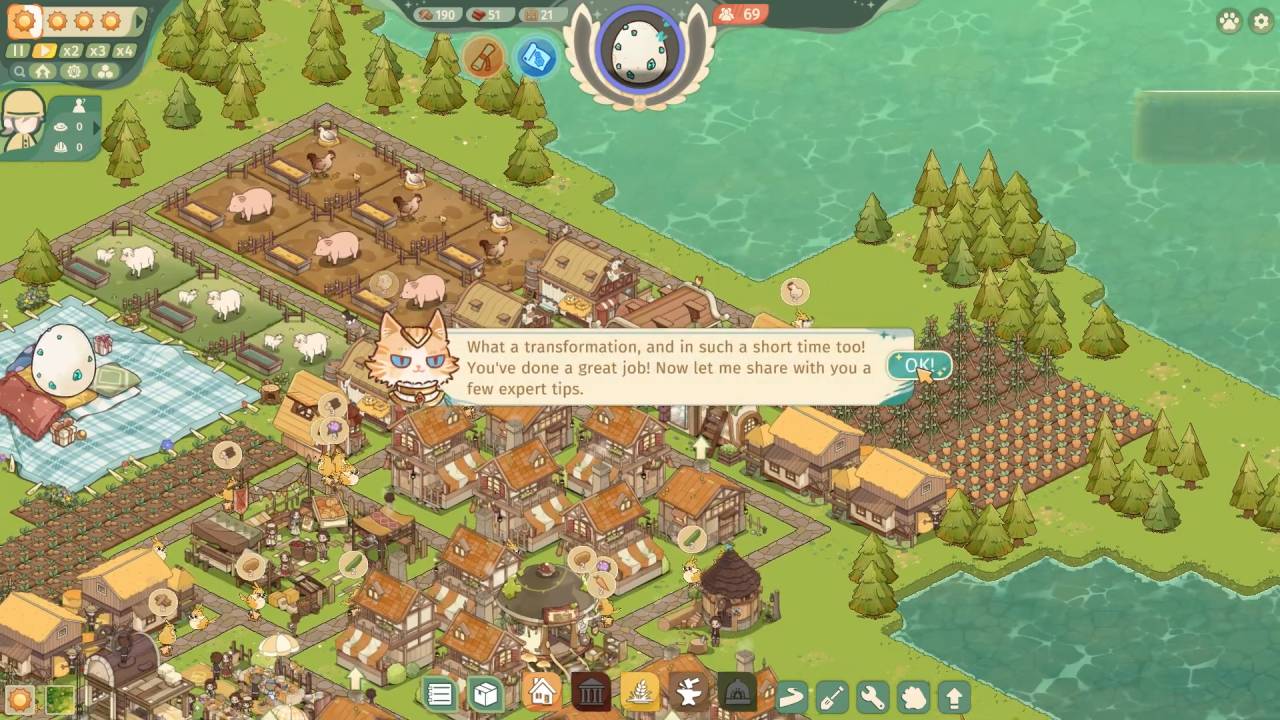
Feastopia is a great challenge for you if you appreciate city-building games with a lot of strategy and roguelikes like Against the Storm. If you just want to relax, it could feel too much or too sudden. The game's biggest success is also its biggest risk: making you care a lot about feeding a god while running a city under stress.
Is Feastopia a party or a conflict over food? It depends on how much you want to be challenged. A pleasant but hard roguelike city-building game with rich systems and big ideas. Feastopia rewards you if you plan strategically, but it can be too much if you just want to relax.
Editor, NoobFeed
Verdict
Feastopia is a rogue-lite city builder that will capture you with its deity and foodie metropolis in a captivating land. It’s easy to enjoy the peacefulness, and you can be laid back while playing this game.
70
Related News
No Data.