
Halloween: The Game Review
PlayStation 5
IllFonic's take on the Halloween franchise gives both Michael Myers and his victims a fun way to play, but unreliable NPCs and uneven pacing hold it back.
Reviewed by Mahi Araf on Sep 09, 2026
IllFonic is no stranger to multiplayer games, and with Halloween: The Game, the studio takes on one of horror's most recognizable franchises. Unlike some recent horror adaptations, this isn't another Gun Media project. Instead, IllFonic brings Michael Myers back to Haddonfield in an asymmetrical horror game that tries to do something different with the familiar formula.
That difference becomes clear as soon as you understand what you're actually trying to accomplish. Most asymmetrical horror games put survivors in a simple situation: escape the killer and stay alive. Halloween: The Game takes a broader approach. When you're playing as one of the heroes, you're responsible for the people of Haddonfield as well.
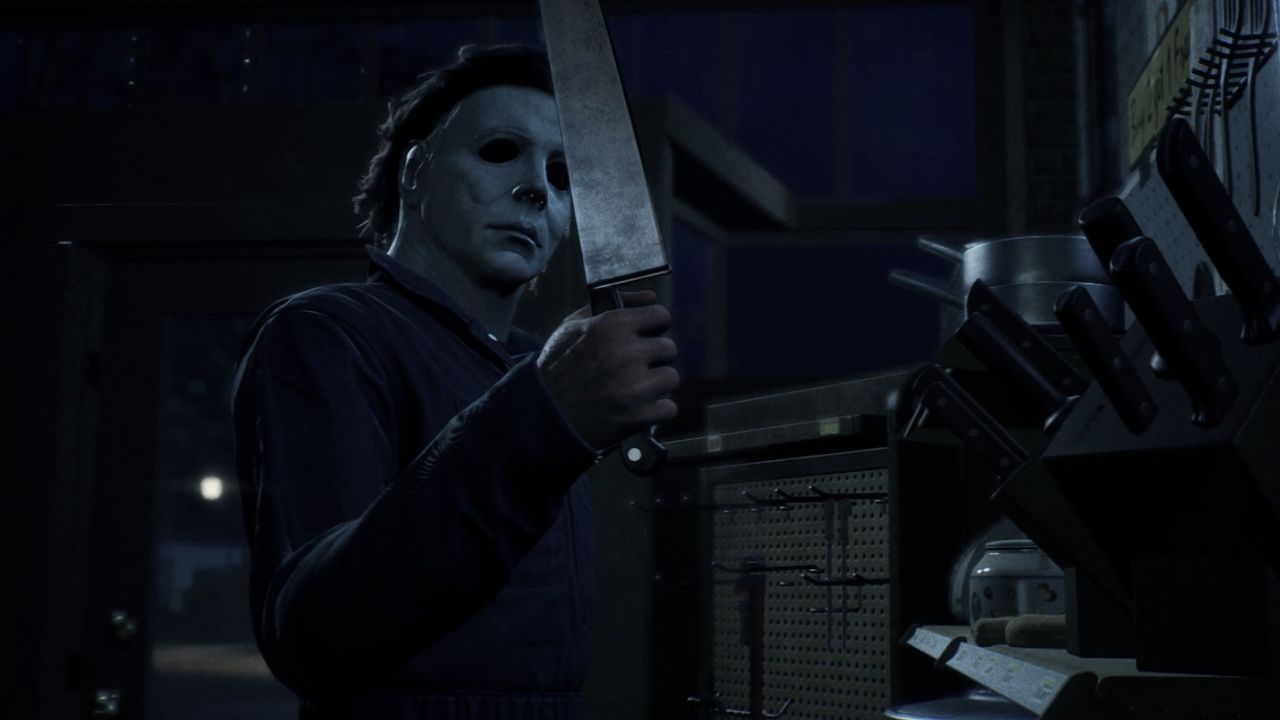
Your job isn't just to save yourself, but to warn residents, prepare escape routes, and get as many people out of danger as possible while Michael Myers moves through the neighborhood looking for his next victim. Considering how many major horror franchises have found their way into the asymmetrical multiplayer genre, it was only a matter of time before Halloween received the same treatment.
IllFonic's challenge was making Michael Myers feel like more than another killer dropped into a familiar multiplayer structure.
Thankfully, the studio has built several systems around him and the residents of Haddonfield that give Halloween: The Game its own identity. Halloween: The Game also avoids being a multiplayer-only experience by offering a single-player campaign based on the original 1978 Halloween. Rather than letting you play as one of the heroes, the campaign puts you directly behind Michael Myers as he escapes the asylum and begins his killing spree.
The story follows the classic film's events from Michael's point of view. You move through Haddonfield, stalk unsuspecting victims, and decide how you want to carry out each kill before eventually reaching the inevitable confrontation with Laurie Strode and her friends. If you enjoy playing the killer in asymmetrical horror games, this is a useful introduction to Michael and his abilities.
The single-player campaign gives you time to understand how Michael moves, stalks his targets, and uses his abilities without immediately throwing you into a live multiplayer match against experienced players. The campaign is divided into six chapters, with the earlier sections gradually introducing the abilities you'll rely on throughout the game.
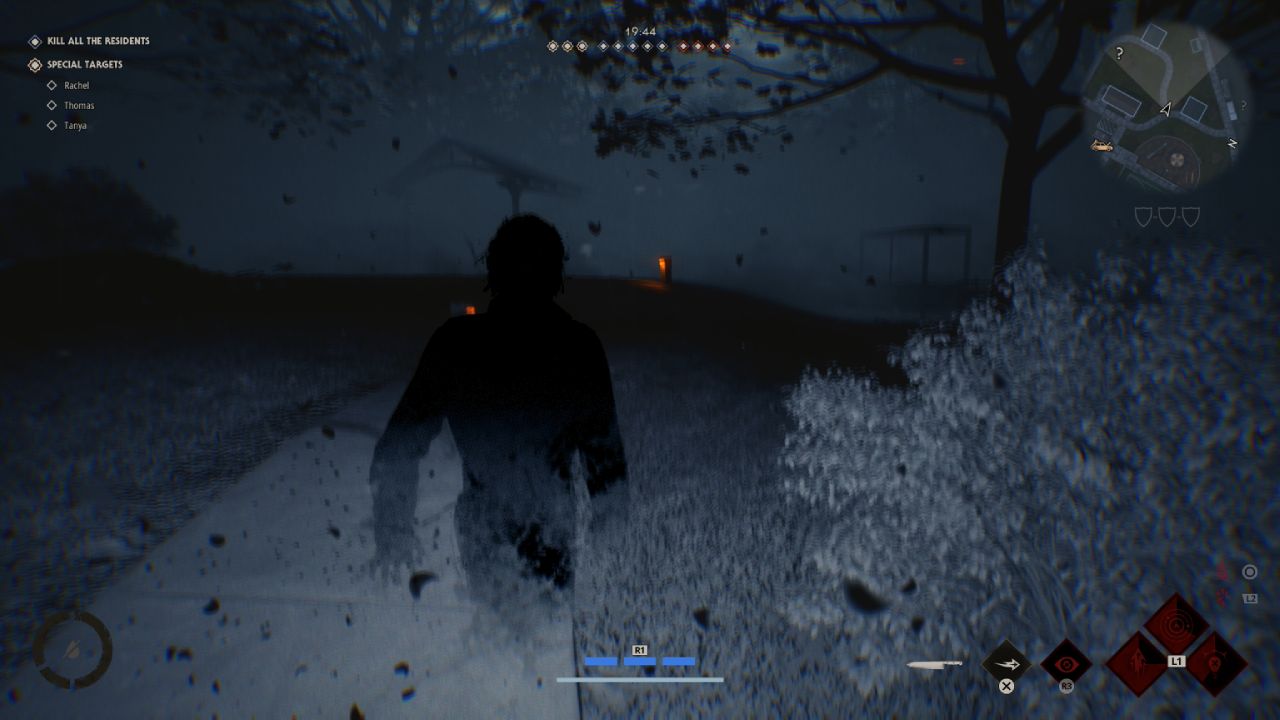
You can use Shape Jump to turn Michael into a specter and suddenly appear near unsuspecting victims. Reality Tear expands the areas where Shape Jump can be used, while Detection Pulse reveals nearby targets. Blackout can also destroy electrical sources that would otherwise prevent Michael from moving through certain areas of a building.
Michael's Killer Sense lets you watch an intended victim while his Stalk meter gradually fills. Building up that meter becomes important because it opens the door to more creative kills when you eventually catch your target.
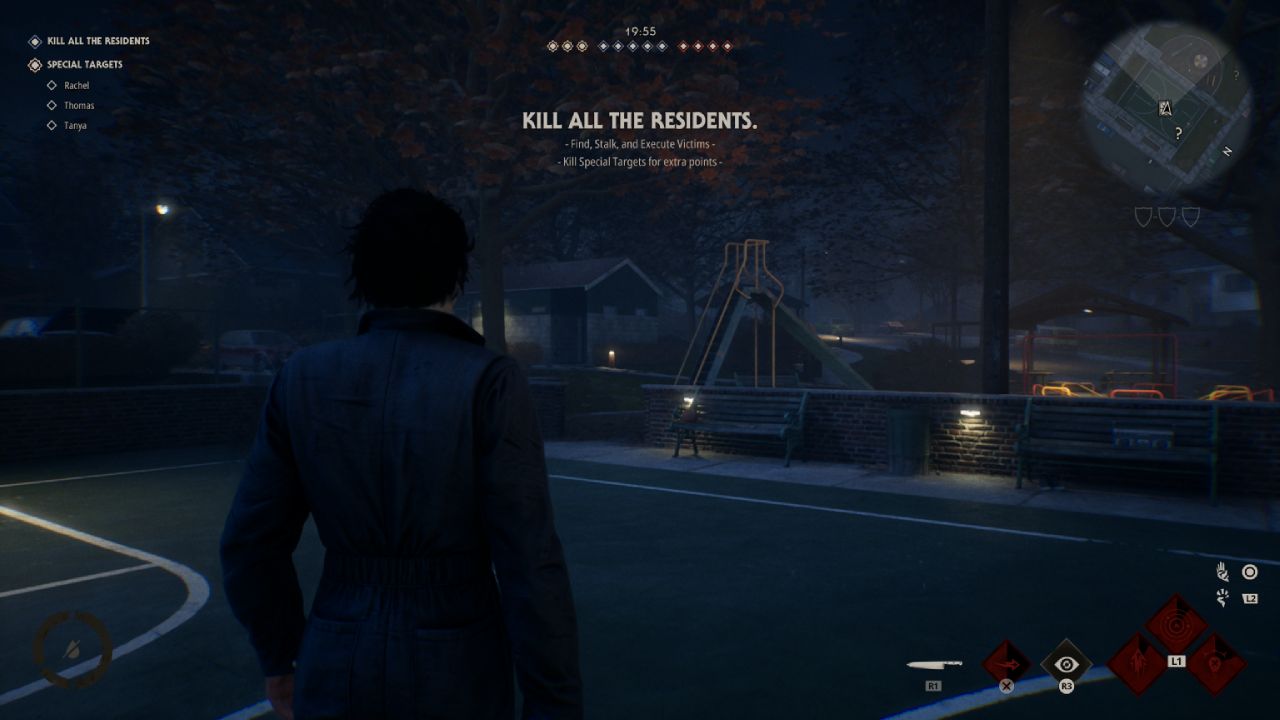
The campaign starts you off with Michael's trademark knife, but leveling up in both single-player and multiplayer unlocks additional weapons and more ways to take down victims.
The game isn't shy about showing just how brutal Michael can be. Standard executions are already violent, while creative kills let you use phones, walls, and the environment to finish victims in different ways. Those kills aren't just there for spectacle, either. Single-player challenges encourage you to experiment with them and reward you with cosmetics that can later be used on Michael or your heroes in multiplayer.
The campaign also works particularly well because it recreates Haddonfield so faithfully. Familiar locations such as the Myers, Strode, and Wallace residences are included, while the surrounding neighborhood gives you plenty of space to explore. Learning these locations in single-player also gives you an advantage when you eventually move into multiplayer because you'll already have an understanding of the maps.
At the same time, the campaign feels like it could have done more. A dedicated hero tutorial or an alternate campaign could have been a great addition. A "what if" scenario where Laurie discovers Michael's murders earlier and tries to save Annie, Lynda, and Bob could have worked as a companion story to Michael's campaign.
Multiplayer already gives you a version of this objective, but turning it into a focused story could have made the single-player offering feel more complete.
Even without that addition, the six chapters provide a worthwhile way to experience Haddonfield without going online. The campaign is brief, but it serves its purpose well and makes Michael much easier to understand when you eventually take him into multiplayer.
The multiplayer side of Halloween: The Game is where IllFonic's biggest idea comes into play. Instead of simply repairing generators or finding a way to escape while a killer hunts you, the heroes have to protect Haddonfield's residents.
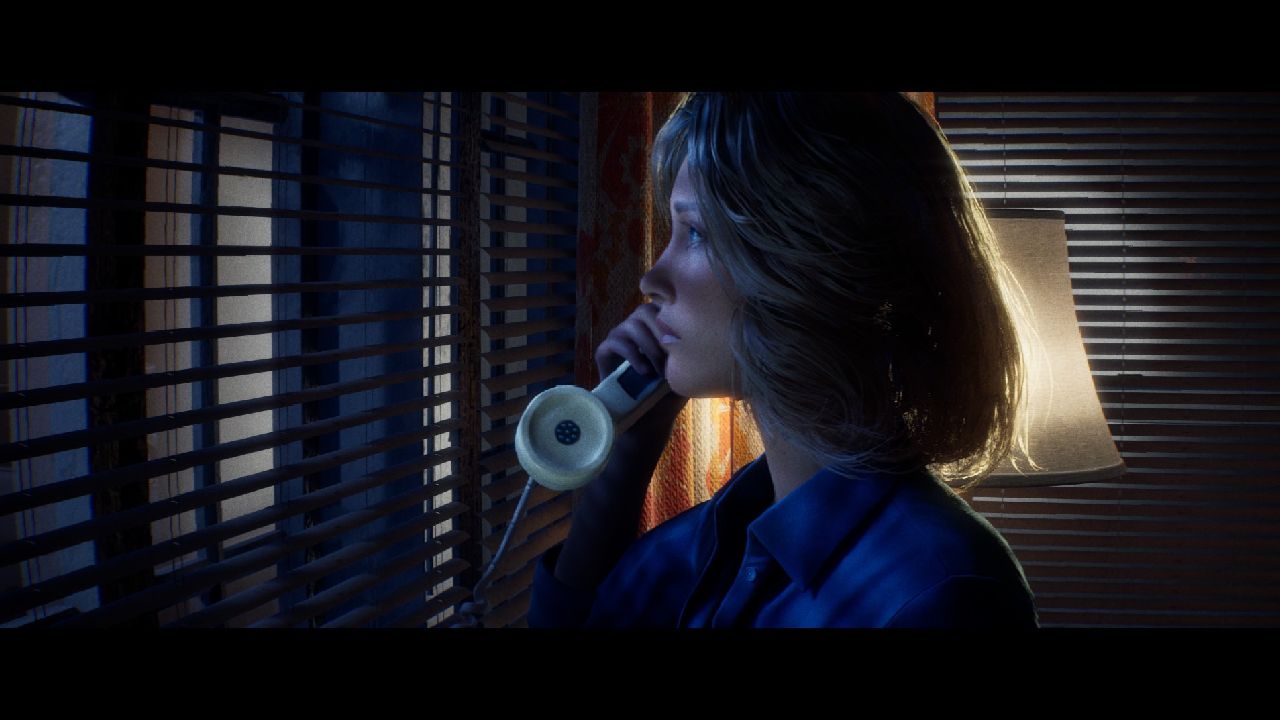
You spend most of your time moving from house to house, warning NPCs about Michael, convincing them to cooperate, and preparing different escape routes. You can also call the police and work toward getting residents safely out of the area. This creates a constant feeling that you're managing more than just your own survival.
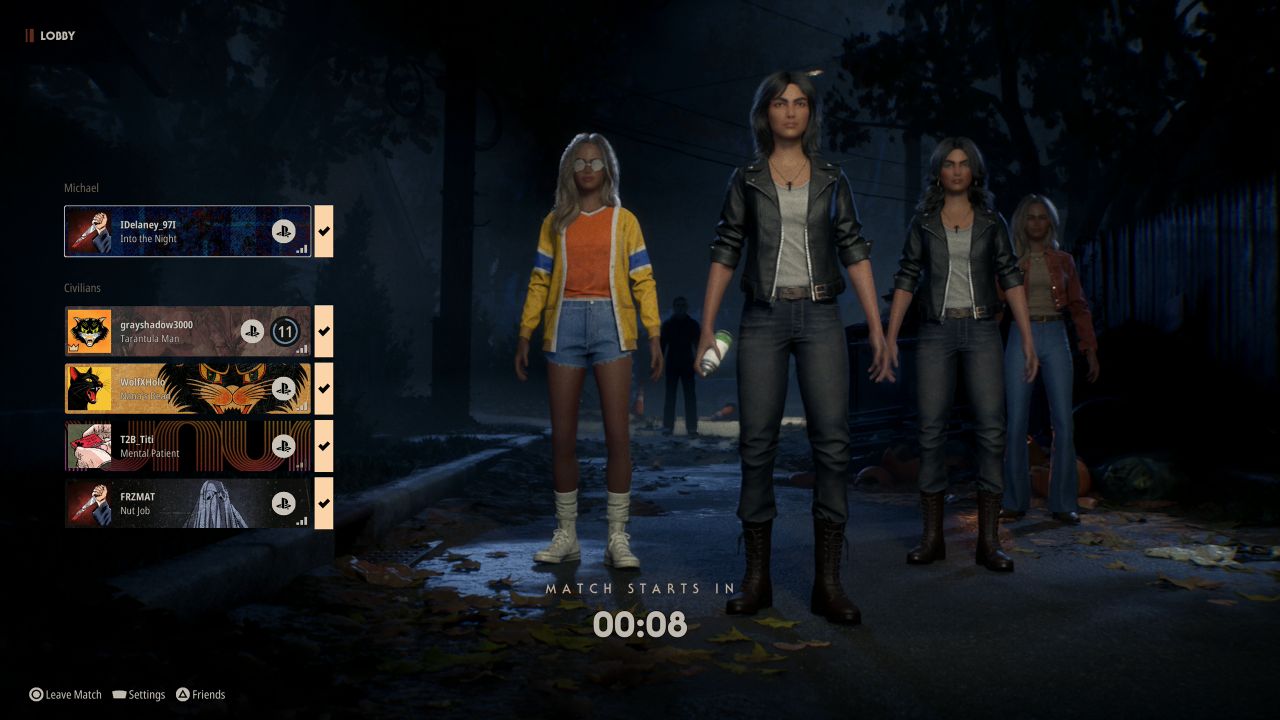
Interacting with residents is deliberately risky.
The camera zooms in during certain interactions and takes away much of your control over what you can see. That means you're often left exposed while talking to an NPC, making a phone call, or preparing an escape route. Michael can be somewhere nearby, and you won't necessarily see him coming.
Once a resident trusts you, you can give them different commands. They can hide, follow you, move toward an available escape route, or even call the police themselves. In theory, this turns every house into another situation you have to manage while Michael is moving through the neighborhood.
The problem is that the NPC AI can make this system frustrating. Residents sometimes close doors on you, run away before you can even talk to them, or behave unpredictably when you're trying to help. In some situations, residents suddenly push you while you're trying to interact with them.
Because of this, you may often find yourself telling residents to hide instead of following you. Having them stay put can be safer while you and the other heroes prepare an escape. Asking them to call the police isn't always much better, since NPCs can fail to make convincing calls.
This isn't simply an annoying technical issue.
The residents are at the center of what makes Halloween: The Game different from other asymmetrical horror games. When their behavior doesn't work properly, it directly affects the game's most important mechanic. Michael can even eliminate targets because they run away from the hero who is supposed to be protecting them.
When the residents actually cooperate, however, the system works much better. Protecting them while trying to reach an escape route before Michael finds everyone can create some of the game's best moments.
Michael himself is also fun to control. His ability to move around Haddonfield makes every trip between houses feel dangerous. You're constantly checking your surroundings because he can appear at almost any moment. Keeping Michael in sight prevents him from using Shape Jump, but watching him doesn't make you completely safe. It simply changes how he approaches you.
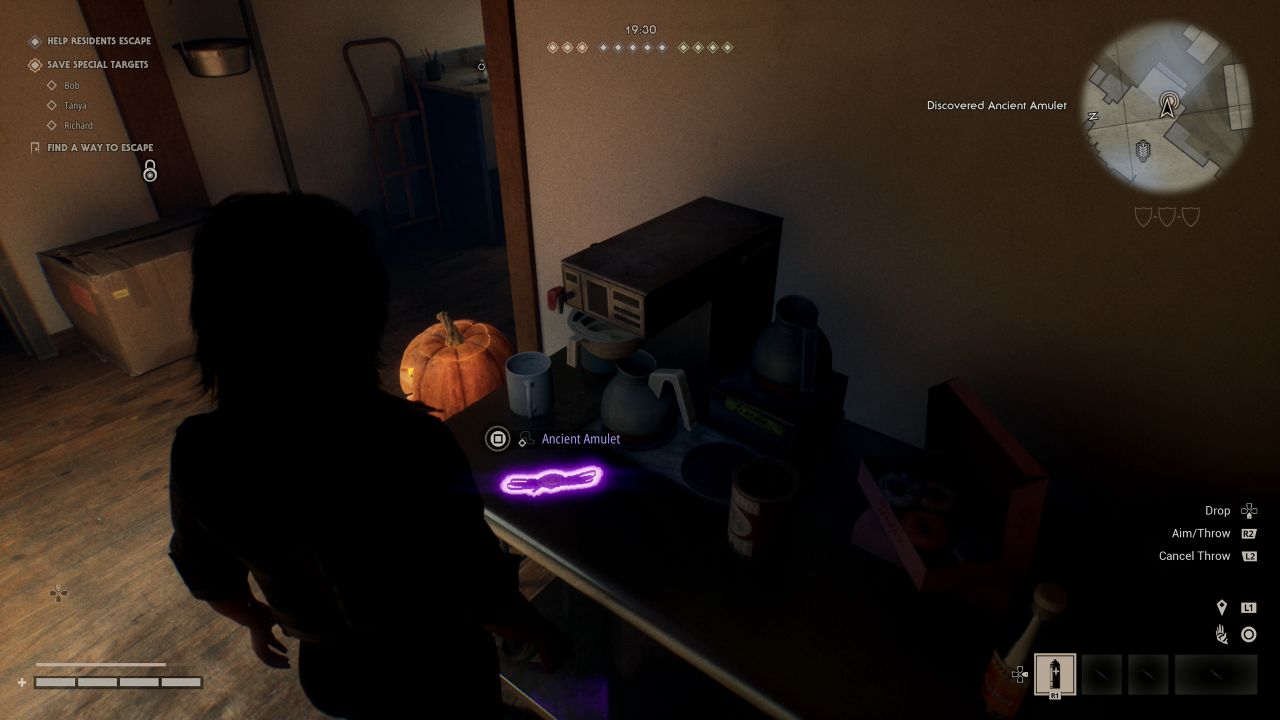
That creates a nice tension where even looking away for a moment can feel like a risk. The single-player campaign also does a good job preparing you for Michael's multiplayer abilities, so you aren't thrown into your first match completely unaware of how he works.
The balance between Michael and the heroes is another positive.
There was an initial concern that controlling one killer against a coordinated group of players might make Michael too difficult to use, but the matches generally feel balanced. Michael can win just as convincingly as the heroes.
The heroes themselves also have different passive abilities that give each character a slightly different play style. Jennifer Renss is useful when you're focused on communicating with residents and the police. Rachel Callahan can deal more damage and hear Michael breathing while he's using Shape Jump. Eric Dunn can use firecrackers to disorient Michael for longer, while Marcus Navarro can pick locked doors and gain additional perks when he's the last hero standing.
Each match also has three VIP targets. Characters such as Laurie, Annie, and Lynda can appear as VIPs, and they can eventually be unlocked as playable legacy characters as you level up.
The different escape options give the heroes some flexibility. Depending on the map and situation, you can work toward gates, storm cellars, police wagons, or cars. Preparing these routes requires you to search the neighborhood, complete tasks, and decide where to send the residents you've convinced to cooperate.
The problem is that matches can run longer than they need to. The beginning of a match tends to be tense and unpredictable, but that momentum doesn't always last. Toward the end, you can end up searching the map for one remaining resident or another way to escape, sometimes without knowing what you're supposed to do next.
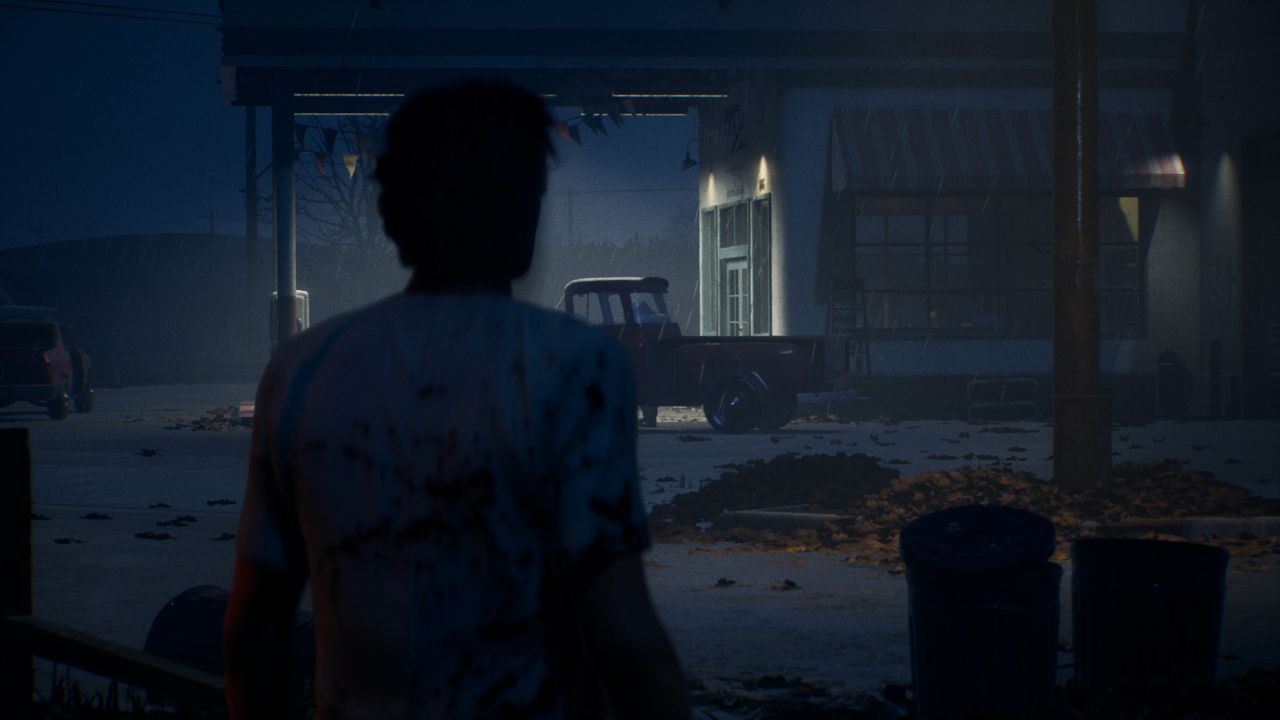
These slower moments can feel especially long compared with Dead by Daylight's quicker tempo. Halloween: The Game captures the tension of the Halloween movies quite well in the opening stages, but it doesn't always maintain that pressure throughout the entire match.
Replayability is another matter. Right now, Michael is the only killer. So, naturally, many matches are similar. You can customize him with different abilities and starting weapons, and the heroes have their own traits, but these options don't drastically change the structure of a match.
The progression system does provide some additional room for experimentation. Halloween: The Game uses a deck-based system, with minigames rewarding you with cards that can improve things such as movement speed and charisma. Other bonuses can increase the number of police officers that arrive when you call them.
You can create multiple decks before a match, allowing your heroes to specialize beyond their natural abilities. It isn't a revolutionary progression system, but it gives you another reason to experiment with different builds instead of approaching every match in the same way.
Death also doesn't necessarily take you out of the action.
In some situations, you can return as a police officer and attempt to arrest Michael for a special victory. There's even the amusing possibility of seeing Michael Myers loaded into a paddy wagon. You can also communicate with Dr. Loomis through a CB radio and respond as him.
These mechanics give eliminated players something to do rather than simply forcing them to wait for the match to end. Not every system worked perfectly during the review, though. An arrest attempt couldn't be completed because the prompt never appeared before Michael recovered from being knocked down.
Halloween: The Game doesn't rely on traditional puzzles in the way a single-player horror game might. Instead, its challenges focus on interacting with residents, calling the police, preparing escape routes, completing minigames, and managing the danger around you.
These small minigames are used when you're trying to convince residents to trust you or persuade the police to enter the map. They fit naturally into the larger gameplay loop because you're never simply completing a task for its own sake. You're creating another option to get people out alive.
Combat is also more about survival and positioning than traditional fighting.
As a hero, you're mainly trying to avoid Michael, keep residents safe, and use your character's abilities to create opportunities to escape. As Michael, the focus changes completely. You stalk targets, use your abilities to approach them, build your Stalk meter, and choose how to eliminate them.
Michael's strength is the variety of creative kills, while the different hero abilities keep every survivor from feeling identical. The main weakness is that the surrounding systems depend heavily on NPC behavior. When the AI works, protecting residents can be genuinely tense. When it doesn't, the same mechanic becomes one of the biggest frustrations.
The presentation is one of Halloween: The Game's strongest areas. The recreation of Haddonfield gives the game a convincing connection to the original movie, with recognizable homes and locations spread throughout the neighborhood. The environments are detailed enough that moving through the streets feels worthwhile.
At the same time, the familiar locations help the game feel like a proper Halloween adaptation rather than a generic asymmetrical horror game with Michael Myers added afterward.
The cinematic presentation also makes the multiplayer matches more memorable.
The game is full of visual nods to the original Halloween, and the overall presentation does a good job recreating the franchise's atmosphere. The sound design works hand in hand with the visuals to give the game its best sense of atmosphere. IllFonic has made good use of John Carpenter's iconic Halloween music, which has been closely identified with the franchise since 1978.
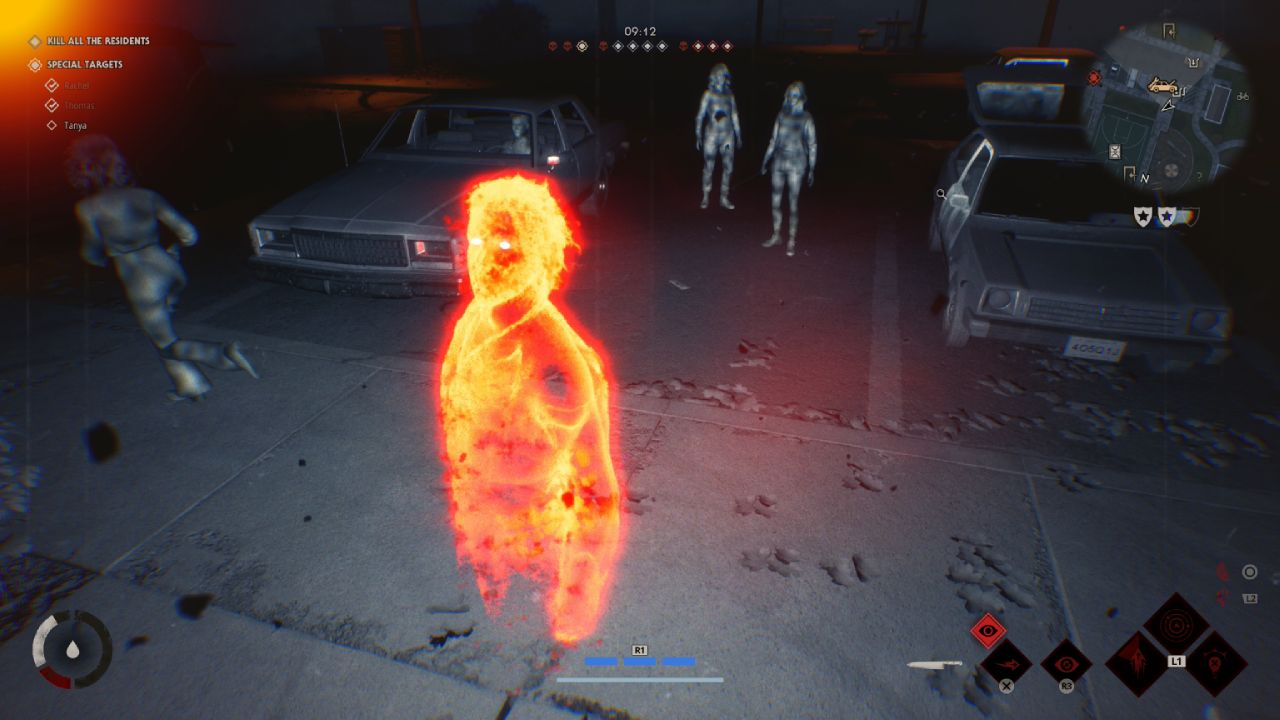
The newer tracks also have a late-'70s feel that suits the setting. Familiar music, quiet streets, and residents unaware they are going about their evening—the audio enhances ordinary moments. Sound also conveys Michael's presence effectively. Some of the hero abilities will have you hear his breathing, adding even more to the stalking mechanic, and the music and environmental sounds help sell the idea that danger can appear at any moment.
Halloween: The Game isn't a perfect asymmetrical horror game, but it does something that many games in the genre struggle to do: it gives both sides of the match a reason to be fun.
Playing as Michael Myers is straightforward enough to understand, especially after spending time with the single-player campaign. At the same time, the heroes have different abilities that make them useful in different situations. The central idea of protecting Haddonfield's residents also gives the game an identity beyond simply putting Michael Myers into an established multiplayer formula.
The single-player campaign is brief, but it is a good addition for anyone who wants to experience Michael's side of the story without playing online. Recreating the events of the 1978 movie from Michael's perspective is an interesting way to revisit the classic, and the campaign doubles as a useful introduction to his abilities.
The multiplayer is where the game's long-term potential becomes more uncertain. Protecting NPCs creates some excellent moments when everything goes right, but unreliable AI can undermine the entire premise. The limited number of objectives and the fact that Michael is the only killer right now also make you wonder how much replayability the game will have over time.
Another issue is match pacing. The early stages can be tense and cinematic, but the later levels sometimes lose that energy as players search for remaining residents or another way out. After enough hours, the similarities between matches could become more noticeable unless IllFonic keeps expanding the game's objectives, maps, characters, and ways to play.
Even with those issues and some bugs, Halloween: The Game is enjoyable, especially when played with friends.
It has a strong foundation and one of the more interesting objectives in the asymmetrical horror genre. You aren't simply trying to survive Michael Myers; you're trying to keep an entire neighborhood alive while he hunts everyone down.
For fans of Halloween and players who enjoy asymmetrical horror, there is enough here to make the trip to Haddonfield worthwhile. The game can provide a couple dozen enjoyable hours, particularly in a group. Still, its future depends on whether IllFonic can improve the NPC AI and keep adding meaningful content.
Halloween: The Game has the potential to become a cult favorite, but its current problems make it hard to say whether its formula can stay engaging long-term. As it is, it's a solid, fun adaptation that understands what makes Michael Myers tick, while also giving the survivors their own jobs and identity.
Senior Editor, NoobFeed
Verdict
Halloween: The Game is a blast of asymmetrical horror with a great Michael Myers experience, but unreliable NPC AI, repetitive objectives, and uneven pacing keep it from reaching its full potential.
88
Related News
No Data.