
Steam Frame Price Leak: Valve's VR Headset Could Cost Over $1100
Valve's next VR headset now carries leaked pricing well above the company's original target set for its predecessor.
News by Naheyan Tahmin on Aug 05, 2026
The price of the next big VR headset hasn't been set in stone for months, even though shipments have been quietly arriving in warehouses ahead of launch. New leaks show that Valve's Steam Frame will cost a lot more than many buyers were looking for. This has caused a lot of uncertainty.
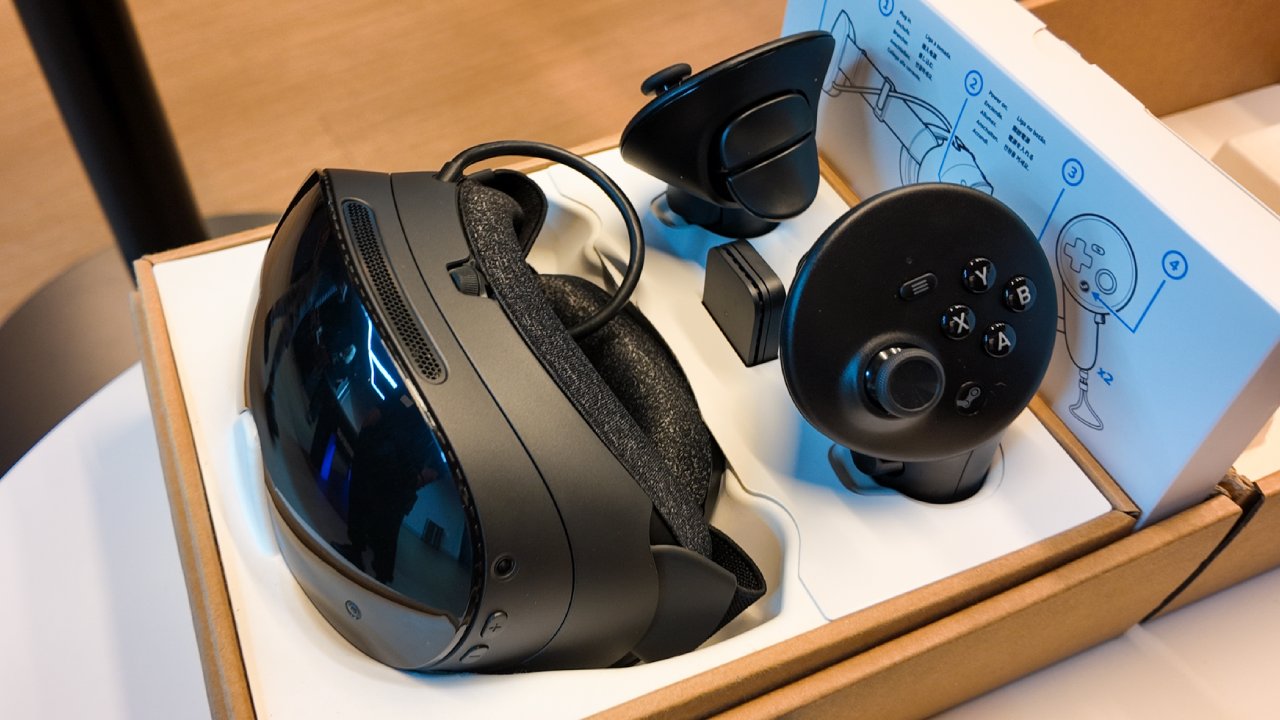
Steam Frame units have arrived in the US and are currently stored on pallets in stores until they can be sent out to customers. However, neither a release date nor an official price has been set. A price estimate has come to light, and it's higher than expected. Reports now say the headset will cost more than $1000.
.jpg)
When the headset was announced in November, Valve said it would be priced below its predecessor.
If the leak holds, rising component prices, particularly for RAM and SSDs, appear to be pushing the final price well past Valve's original target. This would not be the first time this has happened to Valve this year. Steam Machine launched earlier in 2026 at $1049, around $300 more than originally planned, with that increase also attributed to rising memory and storage costs.
Where the Steam Frame sits in the VR market depends heavily on what it delivers for that price. A four-figure price tag looks steep next to headsets such as the Meta Quest 3, but lower-tier hardware in cheaper headsets often limits which games can actually run well.
Meta Quest 3 costs $600, considerably less than what the Steam Frame is expected to command, but that difference in cost tracks with a real difference in capability. Meta's headset relies on the Snapdragon XR2 Gen 2 chip, while the Steam Frame runs on a 4nm Snapdragon 8 Gen 3 chip paired with 16GB of LPDDR5X memory, giving it meaningfully more headroom for demanding standalone titles.
Steam Frame runs natively on SteamOS and, unlike headsets that depend heavily on a connected gaming PC for their best titles, it does not need to piggyback off one for many games. It can still connect to a PC for x86-based titles that are not natively compatible, using an included 6GHz wireless adapter to stream an entire Steam library through the headset. That dedicated wireless dongle for streaming stands out as a deliberate design choice aimed at reducing the friction that comes with wired PC VR setups.
The VR market overall has seen more setbacks than breakthroughs in recent coverage.
If Valve launches the Steam Frame now and buyers commit to it, only for Meta to introduce a significant hardware jump the following month, that outcome would work against Valve's timing. It raises a real question about whether Valve should hold back and reconsider its launch strategy given how close Meta's event falls to a potential Steam Frame release.
Apple's Vision Pro was expected by many to bring VR into the mainstream, but its price kept it from reaching a broad audience. There is a real risk that the Steam Frame could follow a similar path if its final price ends up too high for most buyers, even with features that go well beyond what cheaper standalone headsets currently offer.
Potential buyers will have to decide if the Steam Frame's native SteamOS support, full PC game compatibility, and the wifi streaming dongle that comes with it are worth the extra money compared to cheaper stand-alone options. This is true whether the price starts at $1100 or closer to $1500. This estimate looks different for someone who already has a PC gaming library than for someone who is only looking at price.
Editor, NoobFeed
Related News
No Data.