
XBOX Ally Data Shows Owners Skip XBOX Store For Steam
New data reveals most Xbox Ally owners subscribe to Game Pass yet skip the Xbox storefront entirely in favor of Steam.
News by Maisie Scott on Aug 05, 2026
New reporting from Windows Central has put fresh numbers behind one of the biggest open questions surrounding the next XBOX, and the data cuts in two directions at once. The report centers on usage figures from the Xbox Ally handheld and what they suggest about Project Helix, the platform Microsoft has described as an open system built to run PC games alongside XBOX titles.
According to the report, Microsoft currently loses $150 on every Xbox Series S console sold, a figure tied in part to rising memory prices. That loss sits at the center of a larger argument about whether Project Helix should function as an open platform at all.
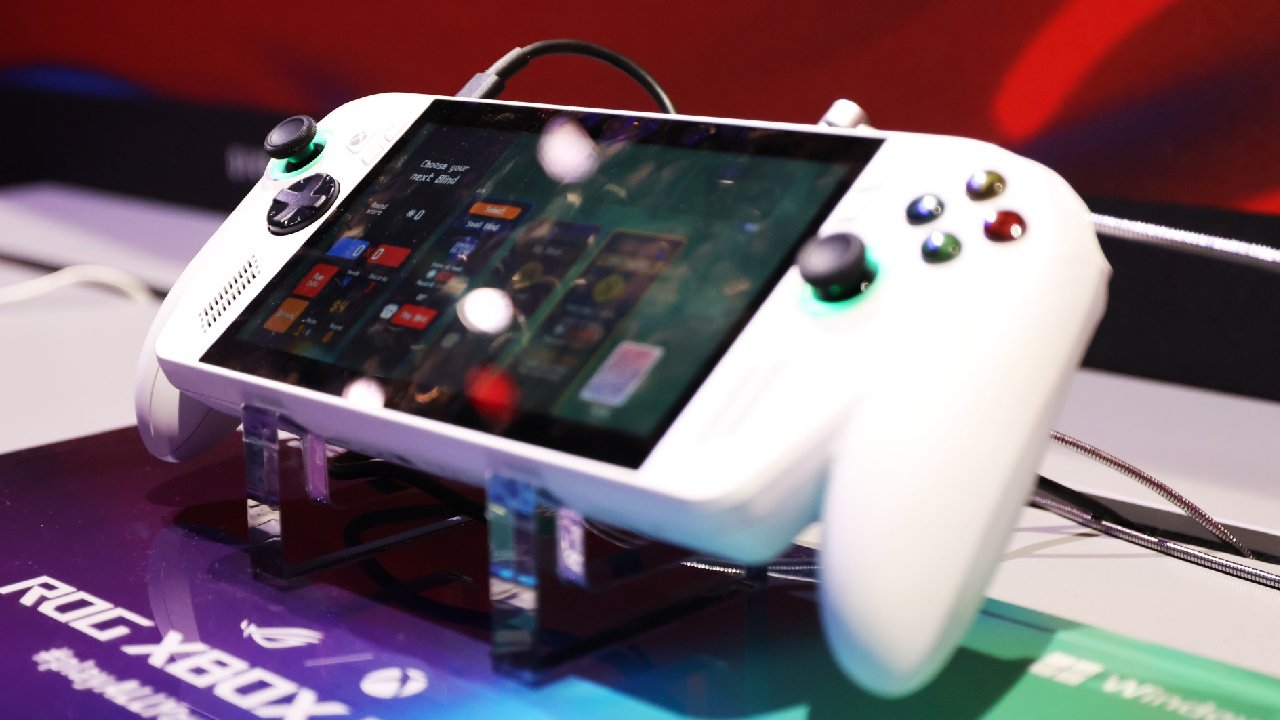
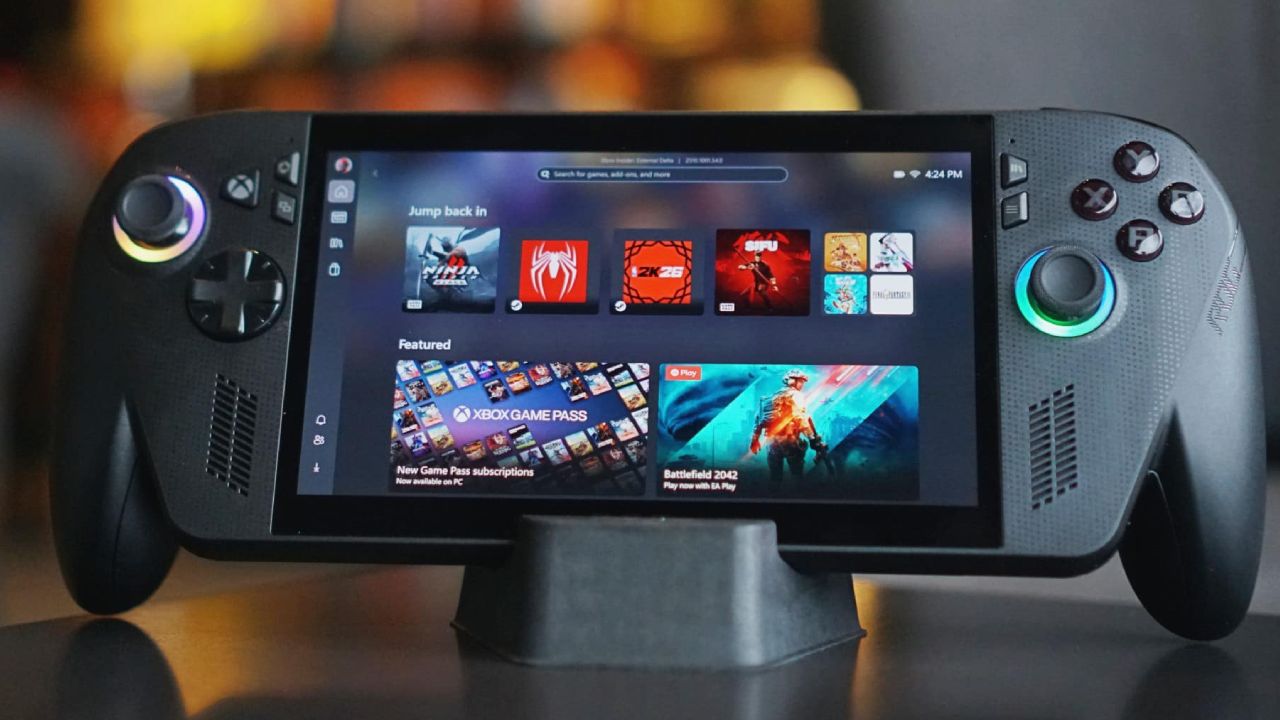
The most recent XBOX-affiliated hardware launch was the Xbox Ally, produced in partnership with Asus.
Internal data cited in the report shows that 75% of Xbox Ally owners subscribe to Game Pass, a figure that ties the subscription closely to the hardware itself. We see that as a positive signal for Microsoft's subscription business on its own. The purchasing data tells a different story. Among Xbox Ally owners who also own an XBOX console, around 25% went on to make purchases through the XBOX PC storefront.
Among Ally owners who do not own an XBOX console, that figure drops to 2%, meaning nearly all new Ally owners without prior console ownership went straight to Steam instead. We think the statistic is telling on its own. Independent of Game Pass, people are largely not using the XBOX Store, and that pattern raises a real question about what an open Helix would actually deliver for Microsoft's bottom line.
There has also been a shift in tone from XBOX leadership on this point.
Comments about shipping third-party storefronts on XBOX surfaced from Phil Spencer in 2024, but more recent statements from Asha Sharma have pulled back from that commitment, suggesting the plan is still being worked out. You can read that shift as part of a broader change in direction, one where XBOX leadership is less willing to give up the platform.
Positioning Helix purely as an open PC box was always, in effect, a step back from the console business, one that traded a share of game sales for a bet on Game Pass growth. That bet has not paid off as hoped. Subsidy costs factor into this too. Microsoft is heading into a console generation it will likely need to subsidize heavily, and that pressure adds another reason to reconsider how open the next XBOX should be.
This is not a new pattern. XBOX has cycled through different visions before, going back to the XBOX 360 and Kinect era. Each reset arrives with a new answer for what XBOX is supposed to be, and each shift appears to leave the platform's market position weaker rather than stronger.
Hardware partnerships add another layer of complexity.
Manufacturers such as Asus, Dell, and MSI are unlikely to want to build a Helix device that only runs XBOX titles, which puts pressure on Microsoft to keep some form of openness in the design even as the business case for it weakens.
Revenue concentration may explain part of the reasoning here. The majority of XBOX revenue still comes from console sales, even with a smaller installed base than PlayStation, and ring-fencing that revenue could be a driving factor behind any pullback from a fully open Helix.
Project Helix has drawn attention for its performance and for pricing expected to be competitive against a pre-built PC. If the primary use case for most buyers ends up being Steam rather than XBOX software or subscriptions, that undercuts what Microsoft is trying to build with the platform.
Whether reversing course again will change XBOX's position remains an open question.
What seems clear is that presentation matters as much as the underlying business decisions. Announcements about strategy shifts tend to matter less to most buyers than whether the resulting product is something people actually want to own.
There may be an opening here tied to shifting sentiment around Sony, following criticism of its recent move to phase out disc-based hardware. That sentiment alone will not build a strategy, but it does create room for XBOX to make a stronger case for itself if it can settle on a clear direction and stick with it.
The next XBOX also faces a structural challenge separate from the Steam question. Because Microsoft's upcoming titles are expected to ship on current-generation consoles and PC as well, exclusivity tied specifically to Helix hardware becomes harder to define, a shift from how console generations have traditionally worked.
Editor, NoobFeed
Related News
No Data.