
Legends of the Round Table Review
PC
A deep dive into Arthurian Legends through tactical strategy and medieval art.
Reviewed by Joy Rahman on Apr 04, 2026
Legends of the Round Table is Artifice Studio's recently published game that blends medieval imagery with complex strategic gameplay to create something new. It's evident from the start that the devs are very dedicated to staying true to the Arthurian legends, especially the French literary tradition that brought us characters like Lancelot, Tristan, and the elaborate adventures of the Knights of the Round Table.
Artifice Studio, on the other hand, is intent to make every choice, quest, and combat matter while remaining true to the lore, unlike many current adaptations that simplify or change these legends. Legends of the Round Table was inspired by two popular strategy RPGs: The Darkest Dungeon and Banner Saga.
Banner Saga is known for its story-driven choices that might mean life or death for the player. The Darkest Dungeon, on the other hand, is all about managing a team of heroes with their own idiosyncrasies and the ability to die permanently. Artifice Studio wants to recreate this level of strategy and consequence in the world of Arthurian legend, which is full of chivalric ideals, courtly love, and moral dilemmas.
The tale of the Round Table is as captivating as the legends that inspired it.
The developers wanted to make a game that was true to the 13th-century source material while still including modern gameplay mechanics to keep players interested. Making a strategic RPG that puts historical accuracy and a good story first is a big risk, especially in a time when action and photorealistic graphics are the norm.
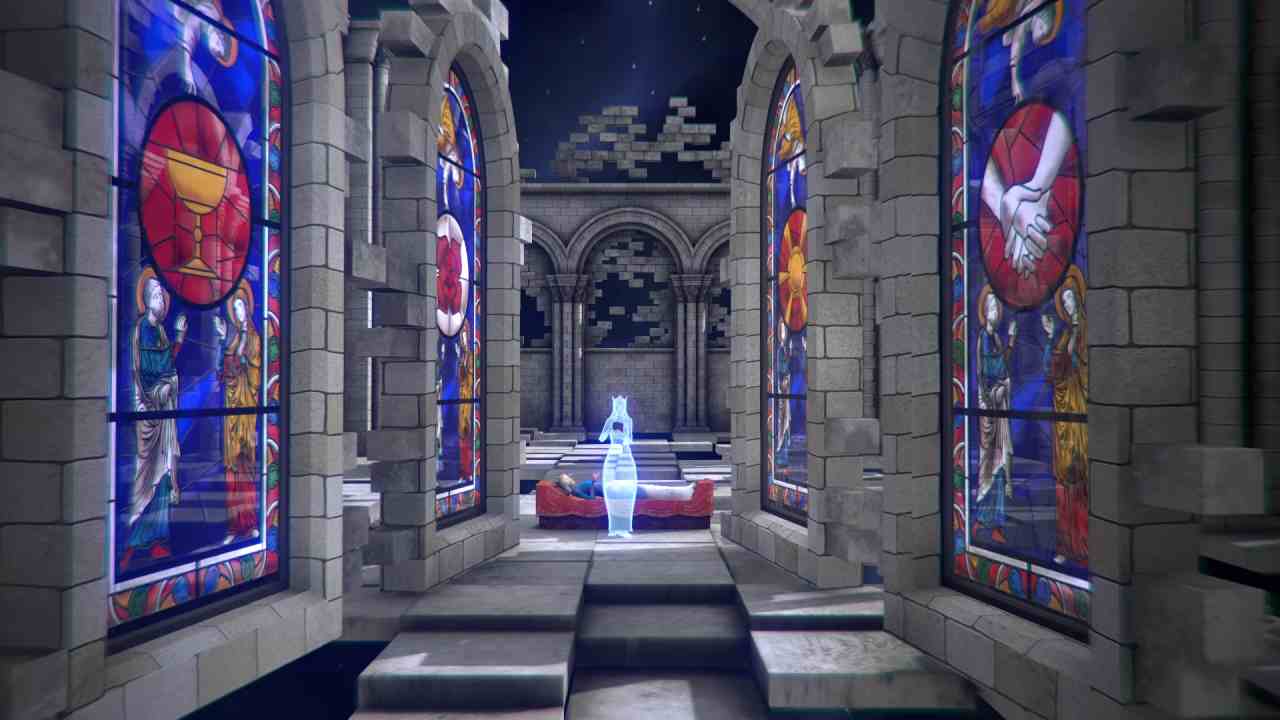
The developers have chosen to evoke the Arthurian era using illuminated manuscript-inspired graphics, 3D animations, meticulously hand-painted backgrounds, and authentic medieval music, all designed to immerse players in that world. The game's design is deeply influenced by the intricate world of medieval French literature.
This influence permeates every aspect, from the dialogue between characters to the strategic planning of their battles. It's as if you're stepping directly into a living, breathing manuscript. The game itself gives a really interesting look at how these ideas are put into action. It shows Arthur and his court and how he became king after his father, Uther, died.
The sword in the stone and the Lady of the Lake gifting Arthur Excalibur are two well-known portions of the story. Even while these moments may be familiar, the game places them in a broader strategic and moral context, ensuring that each player's experience is unique.
The Legends of the Round Table were heavily influenced by the Arthurian stories, especially the Vulgate Cycle and other French writing. The first person to write about major stories like Lancelot's love for Guinevere and the search for the Grail was Chrétien de Troyes.
.jpg)
However, the game uses subsequent information to construct a more interesting plot. From the start, characters like Merlin, Sir Gawain, and Sir Bedivere are significant, and their actions and personalities shape the story as it unfolds.
It seems that Eleanor of Aquitaine is a guiding figure in the sample, presenting the story and setting the scene for the historical and chivalric background of Arthurian mythology. She teaches players about loyalty, bravery, and how to act in court, which makes the game more educational and fits with the tale.
The game also talks about genuine and famous locales, such as megalithic monuments, Irish ogham stones, and beautiful medieval landscapes. These make the story feel more real. The trial gives players early access to a number of tasks, such as the well-known Green Knight quest and the Wedding of Dame Ragnelle.
Players can then send knights to these adventures. You can follow the tale closely, but the game also lets you choose who does each task, which can lead to different endings. The Lady Ragnelle quest, for instance, adds a supernatural figure to the story, which fits with the fantasy tone of Arthurian romance.
Legends of the Round Table is mostly a turn-based tactical RPG with some aspects of strategic management.
The game doesn't use regular dice rolls; instead, it uses cards. In battle, a dispute, or any other activity, each card can give you an edge. They demonstrate features like chivalrous virtues—loyalty, courage, affection, and selflessness—and they are also affected by changes in the seasons, which can change the outcome and open up new strategic options.
When the action starts, the person who starts it doesn't know the success criteria, but the defender does, as when they try to convince an NPC or fight. This design style maintains the game's fun and engaging by making players think about their plays while keeping some things up in the air.
In Legends of the Round Table, fighting is both hard and strategic. There are minor fights, like one-on-one duels, and big fights, like whole battalions fighting. Each knight is different because of their personality and chivalric code, and these things directly determine how well they battle.
.jpg)
You can move around tactically on the battlefield, which is a hex grid. If you want to win, it relies on where you are, what kind of attack you choose, and how skillfully you use your cards. Players can aim at certain opponent areas, which makes the game's strategy aspects more interesting.
Battalions are led by specialized leaders in big battles.
Before the battle, you choose knights to lead each unit. There is also a diplomacy phase when you may use lieutenant stats to get enemy units to do what you want. You don't just win or lose; you get points based on how well you do, which affects the entire war effort. If you lose a lieutenant, you can lose points. However, if you win an amazing battle, you might get the chance to face enemy commanders directly.
The fighting system is great since it is deep and adaptable. Players can fight foes honorably or dishonorably, show mercy, or change the outcome of the game by playing cards in a certain way. But it can be too much for some who are new to it. There is a lot of information to take in, such as numbers, cards, terrain, and virtues, but the introductory films in the game do a great job of explaining these things without taking you out of the game.
Quests, combat, and player choices all affect how characters grow in the game. Knights get "glory points" for finishing missions. These points affect both the growth of each knight and the strength of the whole army. Knights learn new things and change their traits and relationships by talking to people and going on missions.
Positive or negative interactions can affect loyalty, friendship, and rivalry, which can, in turn, shape team composition, quest outcomes, and card availability. This makes a tiered feedback loop, where your ability to manage relationships and resources directly affects your strategic choices and the result of the conflict, giving those who prepare ahead an advantage.
The game seems great. Legends of the Round Table combines 3D models with 2D backgrounds, the latter hand-painted and inspired by medieval illuminated manuscripts. The backgrounds themselves are rich with historically accurate colors, dyes, and painting techniques, which help to draw you in.
.jpg)
The motions of skirmishes and mounted battle are meant to make you feel like you're in a moving scroll. The game's realism is even better because of the small features in the surroundings, including the megalithic stones and Celtic writing, as well as the architecture of the time.
Even though there is a lot of information available, the user interface is still quite easy to use. Visual markers make it easy to see what type of card it is, what its stats are, and where it is on the battlefield.
The game's sound design is just as amazing.
The music, played on old instruments like lutes, harps, and simple drums, sounds like troubadour songs from the Middle Ages. The story is told in parts through music, which makes it more enjoyable. The singing is sparse, which actually makes the plot better, not worse. The voice acting is great, and the characters' comedy and seriousness fit the original work nicely.
Even trivial elements, like Merlin giggling about "potatoes from a faraway land," make the medieval setting feel real and add to its charm. Legends of the Round Table is a unique mix of historical accuracy, strategic depth, and rich storytelling. The game is fun and complicated at the same time since it has card-driven gameplay, turn-based tactical warfare, and the complicated rules of Round Table governance.
The game lets players really get into the Arthurian legend by carefully combining real and mythical aspects. The game certainly presents its challenges. Initially, the sheer volume of information can be overwhelming, and striking the right balance between player agency and fidelity to Arthurian legends is a tricky proposition.
Nonetheless, the developers have implemented some clever solutions to these issues. They've woven together lessons, narrative structure, and flexible gameplay mechanics to maintain player engagement. The game also hints at a game world where choices – whether on the battlefield or in moral dilemmas – have real consequences, creating a dynamic, interactive kingdom ripe for exploration.
The sounds and sights are really amazing. The game's glowing book look, together with 3D animation, hand-painted sceneries, and real period music, sets it apart from other RPGs. Using music, period-appropriate speech, and a careful look at historical and mythical sources all add to the story's immersion.
.jpg)
In short, Legends of the Round Table is a big and well-made strategy RPG. It stands out because it is dedicated to historical accuracy, features complex tactical gameplay, and offers a story that makes you think.
This game has something for everyone, from people who love Arthurian stories to people who like medieval-style and tactical RPGs. The full version is set to build on the sample, and I'm looking forward to seeing how the game continues to walk the fine line between giving players freedom and being true to one of history's most important and long-lasting mythologies.
Legends of the Round Table is a great game for anybody who likes strategy, history, or myths. There are character-driven adventures, amazing fights on the battlefield, hard Round Table management, and locales that look like they sprang from the Middle Ages. It's already one of the first games I want to play when it comes out.
Contributor, NoobFeed
Verdict
Legends of the Round Table masterfully blends Arthurian lore, strategic turn-based gameplay, and medieval artistry, offering an immersive, choice-driven RPG experience—challenging yet rewarding for fans of history and tactical storytelling.
88
Related News
No Data.