
Mega Man Star Force Legacy Collection Review
Nintendo Switch 2
A time capsule of DS-era ambition that still finds ways to connect.
Reviewed by Asura Kagawa on Mar 27, 2026
Some games get better with age. Some people are stuck in their time, for better or worse. In this group, Mega Man Star Force Legacy Collection is strongly placed. It doesn't try to change what these games were; instead, it brings them forward almost exactly as they were, with a few tweaks to make them work on current systems.
That's important because Star Force has always lived in a weird place. It came after something like, tried to be different just enough to stand out, and felt like both a continuation and a soft reset at the same time. All of that history is in this collection, which has three games, seven versions, and a design theory that still feels like it was made in the middle of the 2000s.
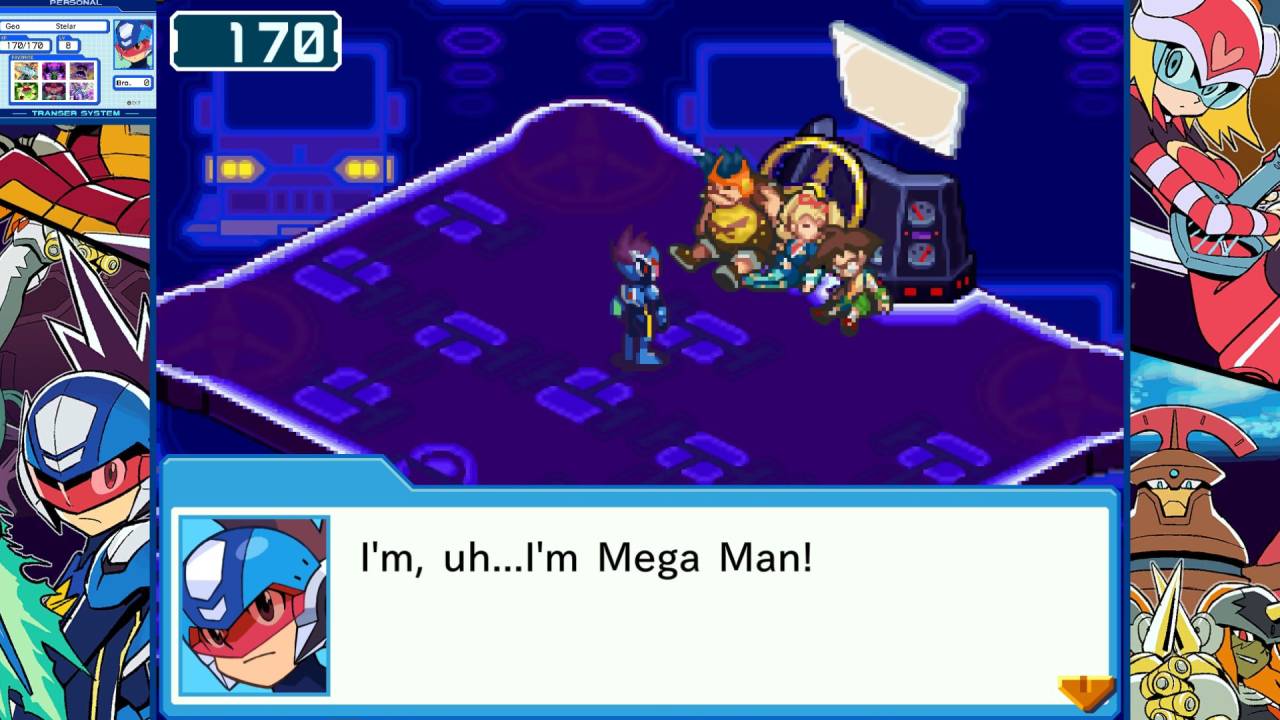
There's more to the question than just whether the games are good. It's about how well they hold up now that everything else has changed. The story picks up a long time after the Battle Network era. In this world, technology has changed from direct internet connections to more general things like EM waves, satellites, and unseen layers that cover everything.
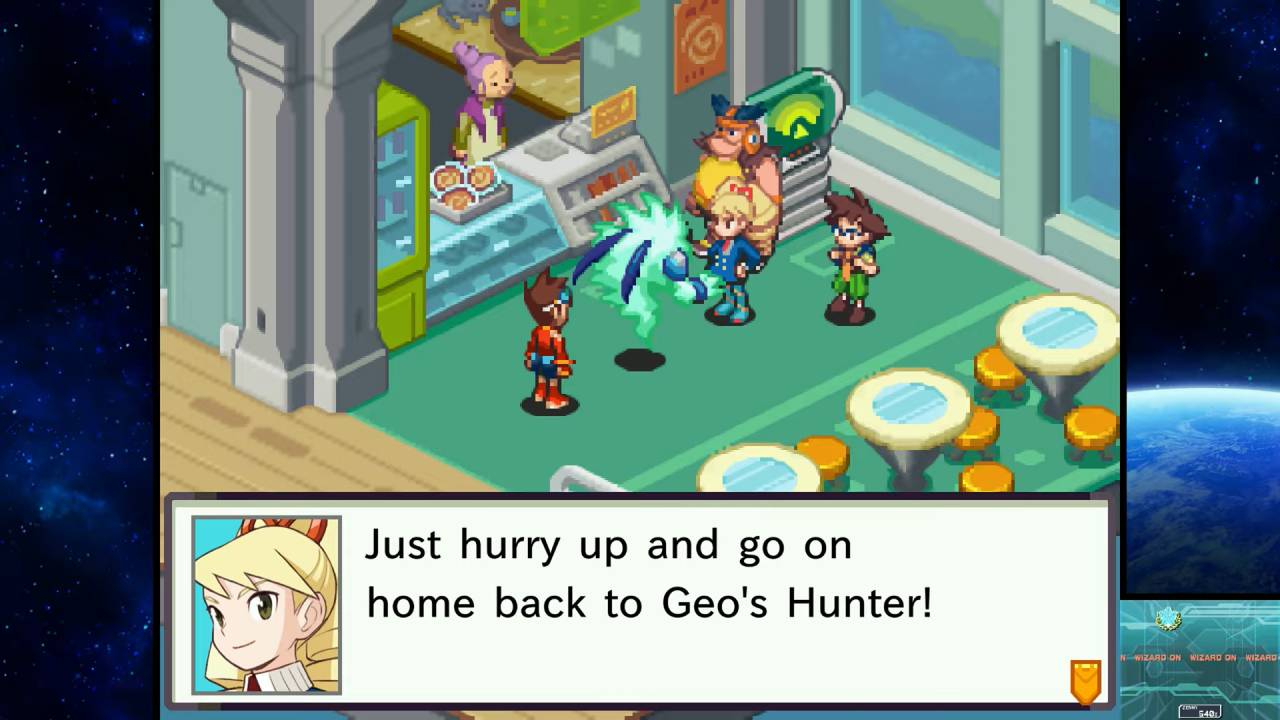
Geo Stelar, a kid who doesn't quite fit in anymore, is at the center of it all. Because his father went missing, he feels far away, cut off, and stuck in a cycle of avoiding things. That changes when Omega-Xis comes along. He is an alien who has his own reason for being on Earth. When the two come together to form Mega Man, Geo is sucked into problems he can't avoid.
The story's tone is what stands out, not its size. A lot of the time, it has an episodic framework. In each arc, a new character is introduced, usually someone facing problems of their own. Almost every time, things get worse, turn into a fight, and end in a realistic yet expected way.
It's not sneaky. The writing is sometimes direct and even too dramatic.
That being said, all three games have an honest feel to them. A steady beat guides Geo's change from someone who avoids relationships to someone who starts to depend on others.
That idea runs through the "BrotherBand" system. Relationships aren't just in the story; they also change how you play. Making bonds gives you passive benefits and sometimes extra abilities that you can use in a fight. It's a good idea, but sometimes it doesn't work out as well as it could.
From the third game on, both Geo and the rest of the world feel more linked. The story never gets really deep, but it stays the same enough to keep things grounded as the change happens slowly. A lot of this will sound familiar if you've seen Battle Network. It's still grid-based fighting, but Star Force changes how it looks and feels.
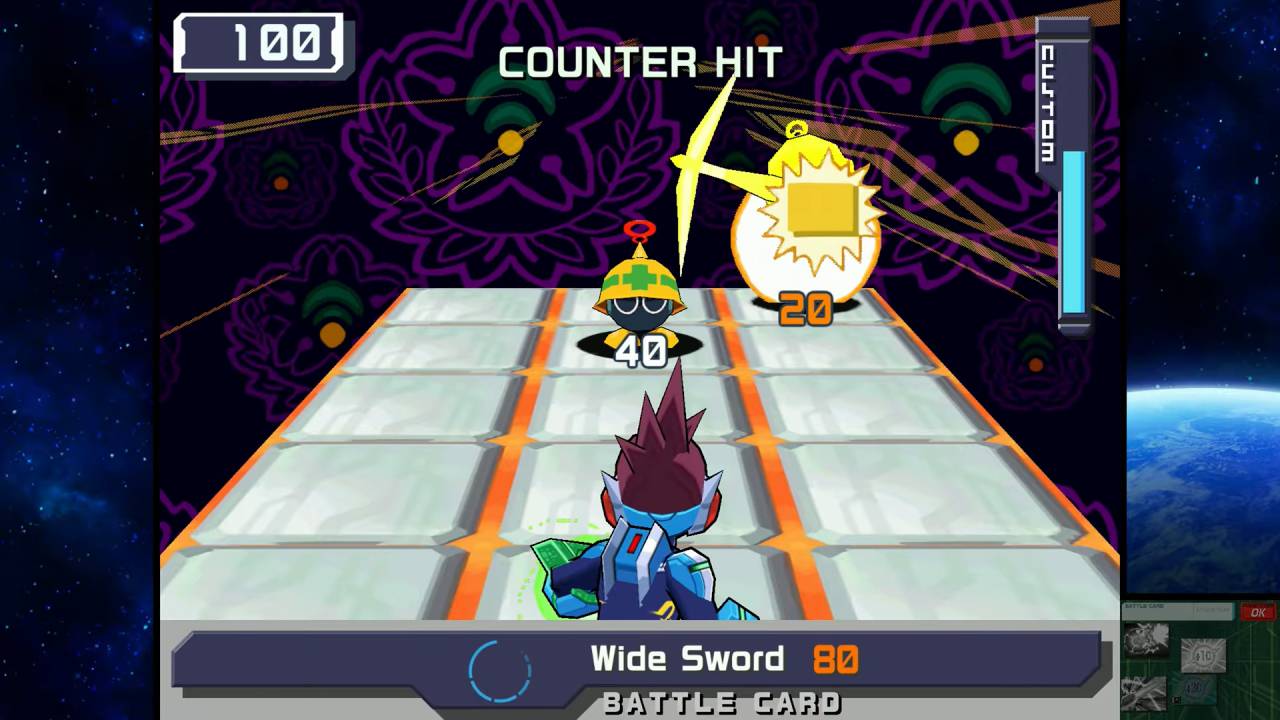
Battles no longer happen on a flat, side-view grid. Instead, they happen from behind. There are only three lanes for movement: left, right, and center. This makes placement more important right away. It also helps you understand enemy strikes after you get used to the view.
Battle cards are what make combat possible. Every few seconds, you get a hand with attacks, powers, and defensive tools to choose from. Once you make your choice, you use it right away.
There's a pattern to it: avoid, wait, choose the right time, and then act.
Simple settings will stay that way. A shield protects for a short time, a rapid-fire buster deals chip damage, and a forward dash lets you close the gap fast. The method is easy to understand, making it easy to use from the start.
Building decks is easier now than it was in older games. Cards don't have to follow strict rules to work together anymore, so you can mix types without too much trouble. It solves some problems, but it also takes away some tactics.
When you're not fighting, travel goes back and forth between the real world and the world above it, called the wave world. To make progress, you need to talk to people, check things, and jump between these areas to make things happen. It works, but sometimes it feels like a lot of back-and-forth for not much gain.
You spend most of your time in combat, which is a bit of a mixed bag.
It feels quick and ready to act when it works well. When you block an enemy attack right as it hits, it's satisfying, and the growing pool of fight cards keeps things from getting boring. You can fight in more ways because each game adds new forms and skills. But after a while, it gets old. It's fun to fight early on. In the end, they start to mix.
In all three games, the core loop doesn't change enough to keep things interesting. Different kinds of enemies are somewhat helpful, but not sufficiently so. Patterns shift, and things get harder, but the way you react doesn't change much. It stops being so much about learning new methods and more about doing the same old ones over and over again with small changes.
In the first two games, you need certain points to get to the wave world, which adds another layer of difficulty. It makes things move more slowly than they need to. This is better in the third game, making the changes smoother and cutting out unnecessary steps.
Puzzles are put together similarly. Most of them are easy: find something, remember it, and then use what you remember. They don't get very complicated, but they can get boring if you keep running into the same people or have to drive a long way.
Rewards in battle are closely linked to progression. When you beat an enemy, you get fight cards, money, and sometimes upgrades. The best way to improve efficiency is to strengthen the deck.
There are more choices with this process now that the collection is there. You can change the number of encounters, the amount of damage they do, and the benefits they give you. The core game hasn't changed, but these changes make it easier to tailor the experience to the amount of work you're willing to do.
There isn't much tuning needed for the games themselves.
You don't have to spend a lot of time farming materials to move forward. This keeps the pace steady, but it also makes it less appealing to try out different builds in depth. The extra choices help people who want to speed things up or make the edges smoother. The baseline balance stays the same for everyone else. The line has a look that is similar to the first one.
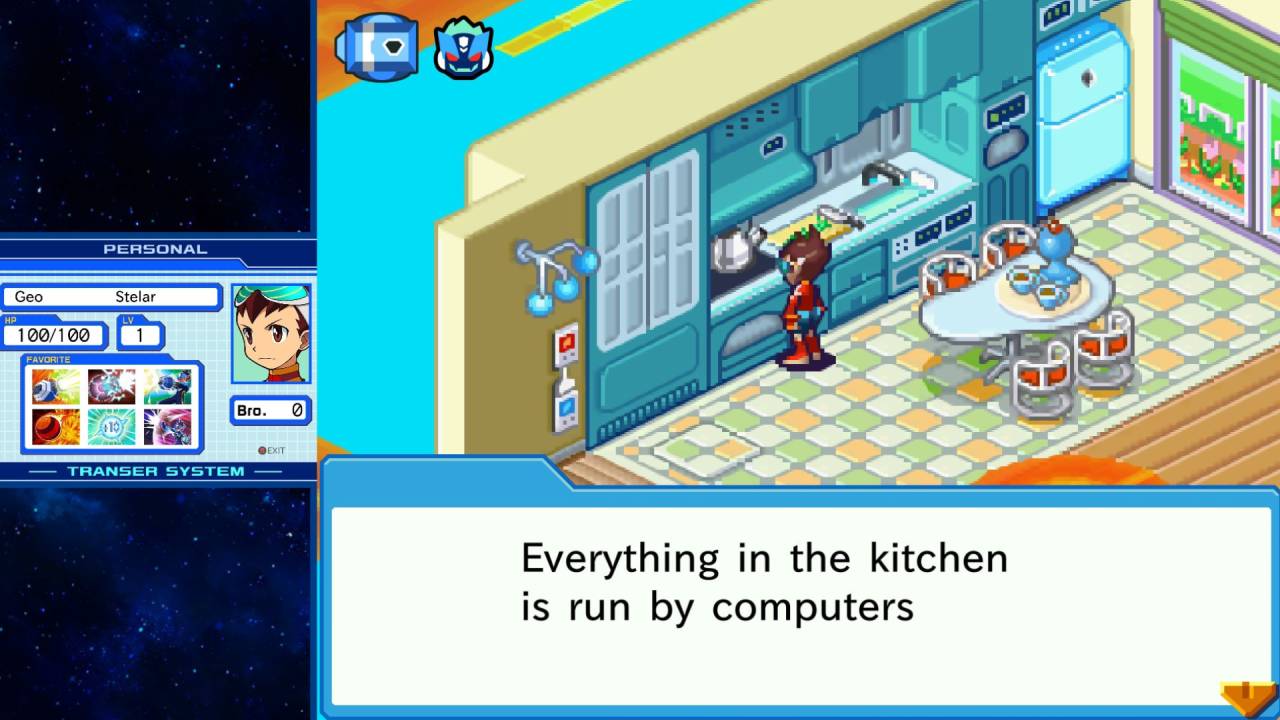
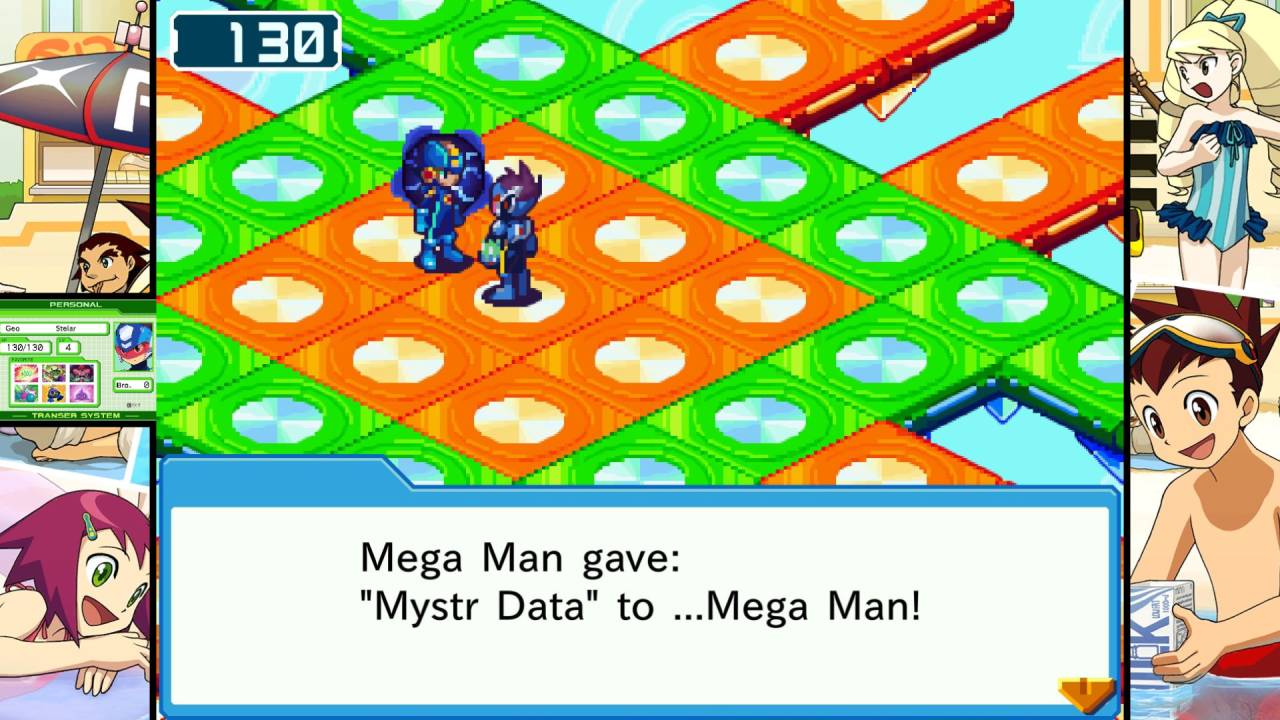
The pixel art from the DS has been fixed up and enlarged to fit current screens. You can use the smoothing filter if you want, but it tends to blur features rather than enhance them. Most of the time, turning it off makes the picture clearer and more reliable.
Designs for characters are still unique. This has a unique style that combines old-school Mega Man features with a more modern, almost anime-like look. It works, even if it doesn't always seem classic. Mega Man's model, while he's in a fight, is made in 3D, and it works pretty well. By today's standards, it's not very detailed, but it doesn't feel out of place either.
The biggest problem is the layout of the two screens. The collection lets you show both screens in different ways, so you can change the focus or the position of the screens. It works, but it's not always smooth. It needs a little more attention sometimes than it does.
A lot of the game's excitement comes from the music.
The battle themes are quick and powerful, the exploration themes are lighter, and the emotional times lean toward softer music. The tone is right, and it doesn't try too hard to stand out. The music in all three games is also pretty different, though some tracks play over and over again, making them stand out.
These add-ons help. You can change things up with the built-in music player and pre-arranged songs. It's a small element that makes the whole thing better. Plain and simple sound effects that are in line with what you'd expect from a game in this genre.
Mega Man Star Force Legacy Collection doesn't feel like a new release; instead, it feels like a picture that has been kept safe. It takes everything the series had to offer and shows it in a way that is easy to understand, flexible, and mostly true to the original.
That has value. This is the best way to get into Star Force because it brings all the versions together in one place and adds extra features and changes. But it's also hard to ignore the limits. The structure relies too much on repetition, the combat doesn't change enough to keep things interesting across games, and some design choices don't hold up well over time.
It doesn't fall flat because it stays the same. Even though the story is simple, it makes sense. It's still easy to pick up the game, even when it gets repetitive. The tone as a whole never loses sight of what it wants to be.
This collection doesn't come as a surprise. It doesn't change anything or push the limits. It doesn't have to, though. It's a continuation of a system that worked, brought forward with just the right amount of care to be playable now. That might be enough for you, but it depends on what you want.
Staff Writer, NoobFeed
Verdict
Mega Man Star Force Legacy Collection is a good, content-heavy collection that captures a unique era of Mega Man, but the repetitive combat and old-fashioned graphics make it feel less important to anyone other than fans and retro enthusiasts.
70
Related News
No Data.