
MINOS Review
PC
A methodical roguelite where every maze tells a different tale.
Reviewed by Wasbir Sadat on Apr 10, 2026
Artificer, a studio that has quietly built a name for itself by trying new things across different genres, has released an interesting new game called MINOS. If you're familiar with their previous projects, you might have noticed their knack for reinterpreting established techniques, giving them a fresh spin. Artificer doesn't limit itself to a single artistic approach.
They've tried tactical RPGs, stealth strategy games, and now something that combines roguelite development with tower defense and maze building. MINOS stands out just for that reason, before you even play it. It's not the kind of title that immediately makes you think of big crowds or high-octane action.
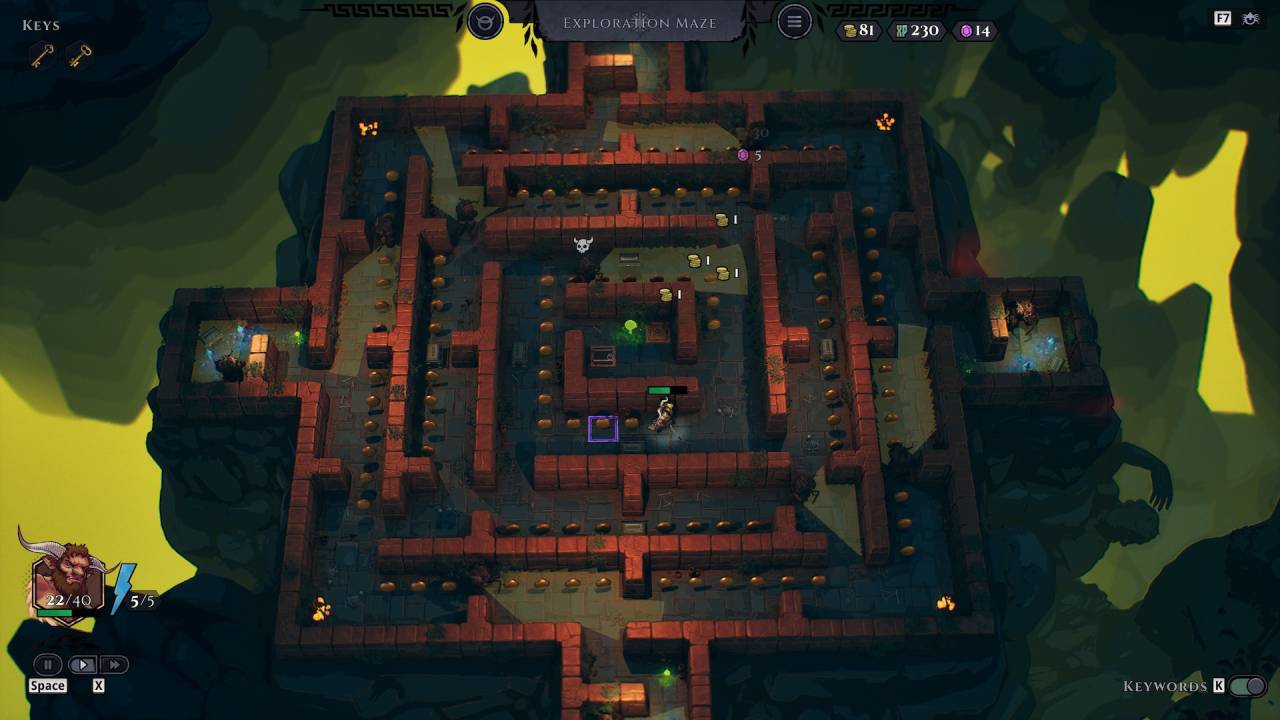
We are interested in it because it makes us wonder. It's naturally interesting to see someone else play the game, change the layout of labyrinths, try out different traps, and deal with increasingly complex waves of enemies. It's a different beast, this game. Unlike the current crop of roguelikes, which seem to thrive on frantic energy, this one takes its time.
That deliberate pace, that careful planning, is precisely what sets it apart.
The main idea behind MINOS comes from a Greek legend. You play as Asterion, the Minotaur. Asterion is not a mindless beast stuck in a maze; instead, he is more like a guardian, keeping his labyrinth safe from waves of explorers who want to steal from inside it.
Daedalus, the mythical architect of the labyrinth, is with you. He tells stories and makes the game easier to play by changing the maze and adding bits of history along the way. The way Daedalus and Asterion interact is a common one in stories: one character sets the tone, gives advice, and sets the mood, while the other character, which is controlled by the player, does most of the work.
The story doesn't have to be too complicated, but it isn't. It sets the scene for the game well and explains why you have to keep rebuilding and protecting your cave. Another hidden theme is descent, both literally as you go deeper into the maze and figuratively as Asterion grows through upgrades, power, and staying alive.
MINOS is built around a loop that combines roguelite game development with strategic planning. There are different parts to each run. The first part is the camp or map phase, where you get resources, improve your skills, and pick the next task. The labyrinth phase then comes next. It consists of two parts: planning and execution.
This is where the game really shines. In standard tower defense games, paths are set in stone. But in MINOS, you can move walls, change paths, and make complex corridors that are meant to waste enemies' time and make traps work better. It turns into a place where effective creativity can grow.
.jpg)
As soon as the action starts, waves of enemies come into the maze to try to get to your hideout. Your only goal is to stop them. The best way to do this is with traps, but Asterion can also fight directly if needed. In between waves, you get things like gold, experience, and blood, which all help you move forward in different ways.
The puzzle part of MINOS is very connected to the fighting part.
There's also a small amount of exploration between levels. As you go deeper, you'll find new game features and sometimes come across special labyrinths that serve as puzzle rooms or story beats. How can you get enemies through the most dangerous way while putting yourself in the least amount of danger? That's the main question that every labyrinth asks.
Where you put the trap is very important. Some traps can only be put on certain tiles, and others, like bait traps, can change how enemies act. You can connect traps to pressure plates, set off chain reactions, and even make death machines that look like Rube Goldberg puzzles. It has a lot of depth, especially given how different the enemies are.
Enemies are more than just food. Others turn off traps, and some types get stronger when they're with others of the same kind. This means you can't just use one approach for your designs; you have to change them. This should allow for very creative answers, at least in theory. But this is also where some of the game's flaws become clear.
The systems let you set them up in complicated ways, but not every run gives you the tools to fully execute your plans. Randomization is very important, and sometimes you have to use more basic, brute-force methods because you don't have the right parts for complex combos. But when you play as Asterion, combat feels less like the main event.
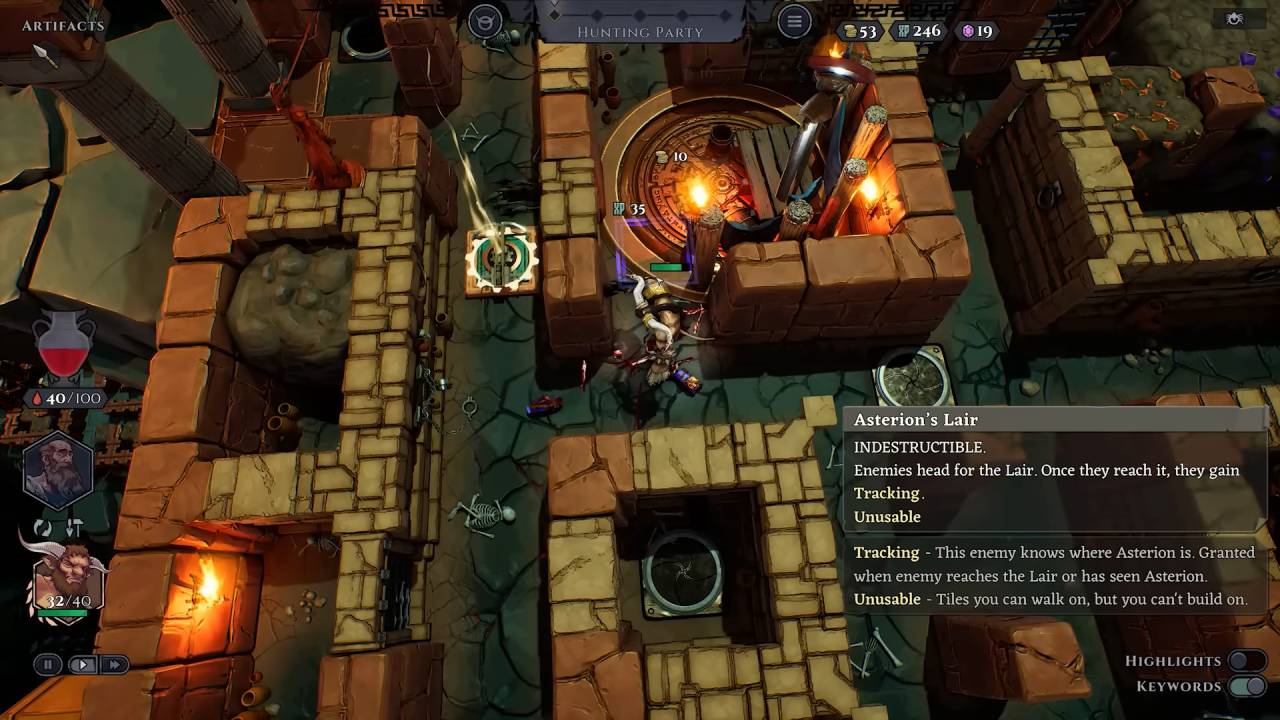
Once he gets upgrades, he can do damage and hold his own, but groups can easily beat him. The game definitely encourages heavy use of traps. In MINOS, you move forward in a way that is similar to other roguelite games, but with some fun changes. Defeating foes nets you gold, experience, and various other rewards.
Asterion grows stronger as he accumulates experience, allowing him to learn new skills and improve attributes such as attack speed and vitality. Gold is the lifeblood of your endeavors, the currency you need to buy traps and strengthen your defenses with each attempt. Simultaneously, the blood of defeated enemies can be offered to a deity, yielding additional trap rewards and further enriching the game's progression.
After a single run, you can get more permanent upgrades through the forge and other tools.
You can unlock new traps, make old ones better, and plan your next run here. It gives you a sense of progress, a feeling of development, even when a particular attempt doesn't quite pan out. Still, the pace can feel off at times. The game tends to be slower and more methodical, so success doesn't always feel as satisfying right away as it does in faster roguelikes.
Sometimes, it feels like you're just enduring the less exciting bits, waiting for the good stuff to kick in. MINOS's aesthetic is undeniably reminiscent of the stylistic choices found in isometric games such as Hades. It's important that the settings are clean and easy to read for a game that relies on planning and awareness of your surroundings.
One can find labyrinths of varying sizes and configurations, from small and confined to large and open.
Due to this variation, both the appearance of items and the manner in which they are played are altered. On the other hand, working with smaller maps can be challenging in some ways, but working with larger maps makes it simpler to be creative.
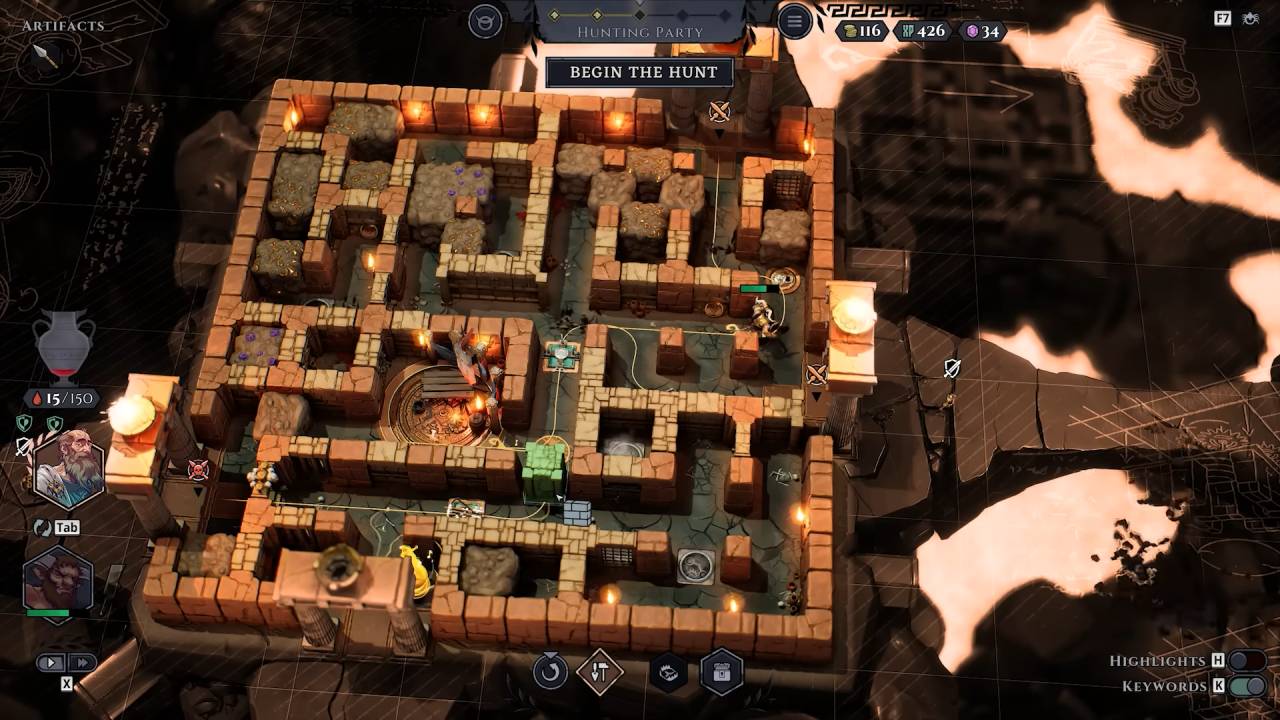
It is clear that the character designs, particularly Asterion's, are powerful and in line with the narrative. Being in the presence of the Minotaur is a terrifying experience; he embodies the character very well. It is true that the game does not really push the boundaries of graphics, but it does a fantastic job of creating a style that complements the game's features.
An excellent example of how the sound design can perfectly suit the ambiance of a game is. To accentuate the sensation of precisely organized strategy and regulated pandemonium, the game deliberately avoids blasting players with overly loud music.
Instead, it enhances the overall game experience, which is what really matters. The various aural cues that indicate the activation of traps, the movement of foes, and the ebb and flow of combat allow you to maintain your situational awareness inside the confines of the labyrinth.
This allows you to keep your situational awareness within the confines of the cave. When you are simultaneously handling several entry locations and waves of enemies, this becomes an especially important consideration.
The music is mostly ambient, with a theme that makes you feel like you're in a mythical prison.
It doesn't really stand out as a feature, but it does its job well and doesn't get in the way. MINOS is an interesting mix of ideas that don't always work well together, but are still interesting. The appeal lies in how players can adapt and shape the battle. Constructing a maze, observing foes fall prey to your traps, and then refining your strategy as the game progresses is genuinely enjoyable.
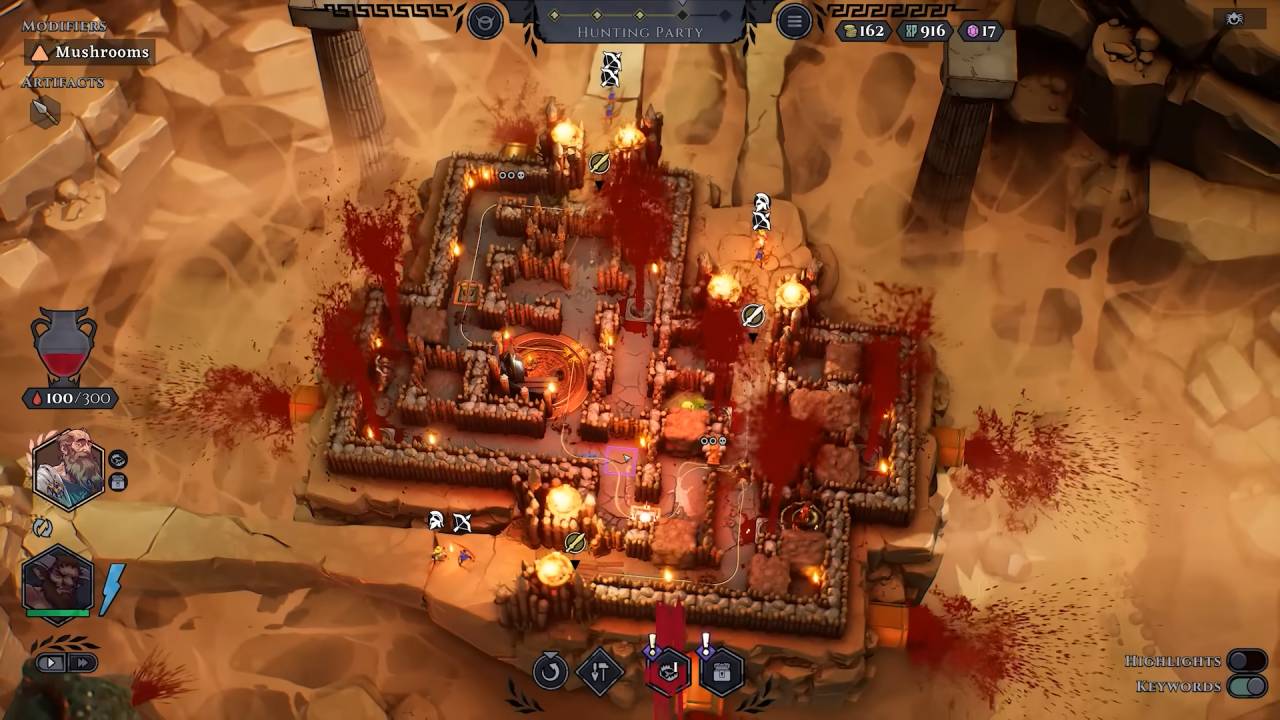
On the other hand, the game's slow tempo diminishes its appeal compared to its faster roguelike counterparts. Unlike games that offer constant rewards and exciting combinations, this system doesn't provide immediate satisfaction or a sense of excitement.
That said, the situation isn't necessarily worse; it's just changed. MINOS is best suited for those who are patient, like to plan, enjoy experimenting, and are focused on gradual health improvements. While it won't consume your entire day, it's a thoughtful, unique experience that distinguishes itself from the competition. MINOS is a great game for people who like tower defense, making dungeons, and playing in a planned way.
Contributor, NoobFeed
Verdict
MINOS is a clever blend of roguelite, tower defense, and maze-building that rewards strategy and experimentation, but its slower pace and randomness may limit long-term engagement compared to faster roguelikes.
78
Related News
No Data.