
MotoGP 26 Review
PlayStation 5
Milestone’s latest entry leans into small physics and career tweaks without changing the core formula.
Reviewed by Azfar Rayan on Apr 28, 2026
Milestone has been working in the racing game space for a long time now, and if you’ve followed motorsport games even casually, you’ve probably seen their name come up again and again. They’ve become one of the most consistent developers in this genre, not because they constantly reinvent things, but because they steadily improve what they already have.
Whether it’s MotoGP, Ride, or Supercross, their approach tends to stay the same: refine, adjust, and expand in small steps rather than tearing everything down and rebuilding from scratch. That philosophy is especially clear in the MotoGP series, which has been running for over twenty years under official license.
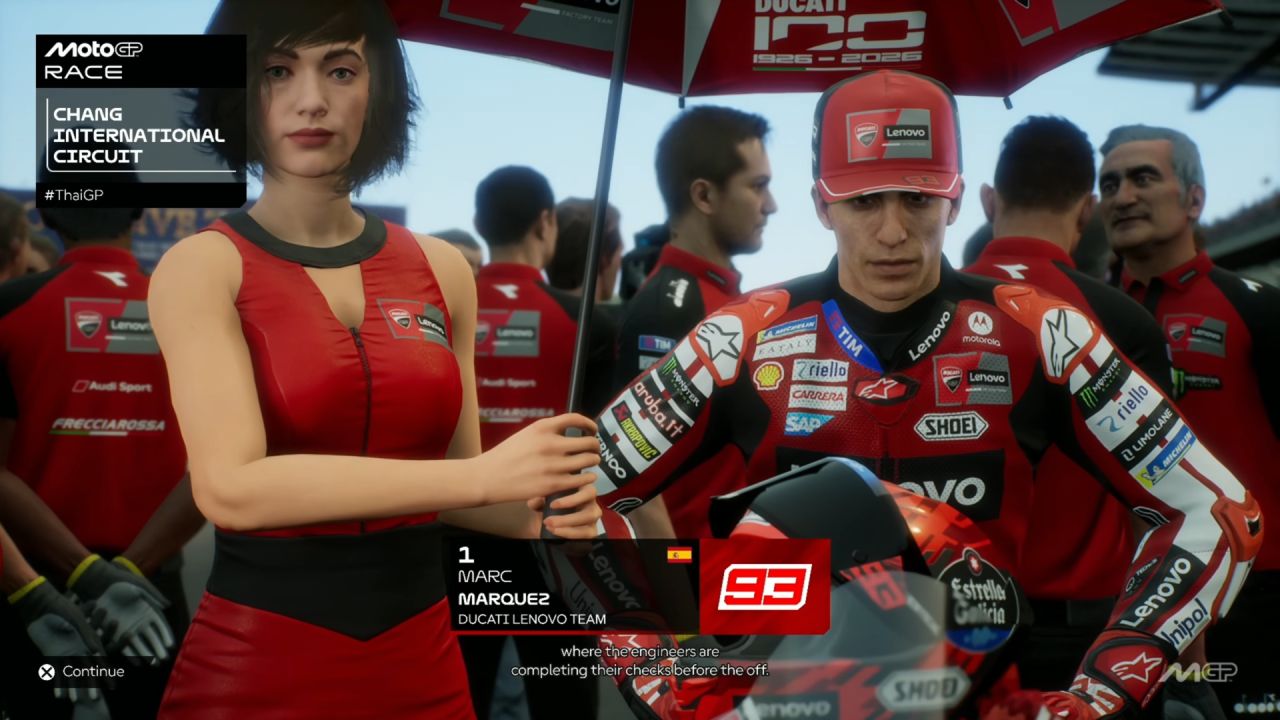
When you look at it from a distance, it’s one of the longest-running yearly racing franchises still active today. Because of that, you’re not dealing with a series that changes dramatically from entry to entry. Instead, each new game tends to update rosters, tracks, physics tuning, and presentation layers while keeping the structure almost identical.
Over the years, that has worked in its favor in some ways. You get a consistent base of handling that fans can rely on, and a level of mechanical depth that slowly refines each season. At the same time, this also means that we keep expectations quite controlled. You’re not coming into a MotoGP game expecting something completely new each year but rather looking for subtle improvements that make the experience feel more realistic, more responsive, or more polished.
Milestone has been focusing more on modern engine upgrades and physics tweaks in recent updates, especially since they switched to Unreal Engine 5.
The visual presentation has improved steadily, and sound design has seen major overhauls in previous releases. That foundation is what MotoGP 26 builds on, continuing the same incremental change approach rather than a full reset.
MotoGP 26 arrives as another step in that long-running annual cycle, and it very much feels like a continuation of last year’s foundation rather than a new direction. The structure is familiar from the moment you enter the game, with quick access to modes, streamlined menus, and an immediate focus on getting you on track.
This year’s main identity shift comes from its rider-based physics system, small adjustments to the career structure, a few presentation changes, and new track additions. But at its core, it still feels like a MotoGP game you already know, just with some tuning applied under the surface.
Career mode remains the central experience in MotoGP 26, and if you’ve played previous entries, you’ll immediately recognize the structure. You're still going through full racing seasons in Moto3, Moto2, and MotoGP, with weekends planned around practice sessions, qualifying, and race day performance.
This time, the way your journey is framed between races is a little different.
At the beginning, you have press conferences where you talk about your short-term goals. These aren’t story-driven in a traditional sense, but they give your career a bit more direction than simply accumulating points across a season. You might be asked to aim for becoming the team’s number one rider, pushing for specific bike upgrades, or building rivalries with other riders on the grid.
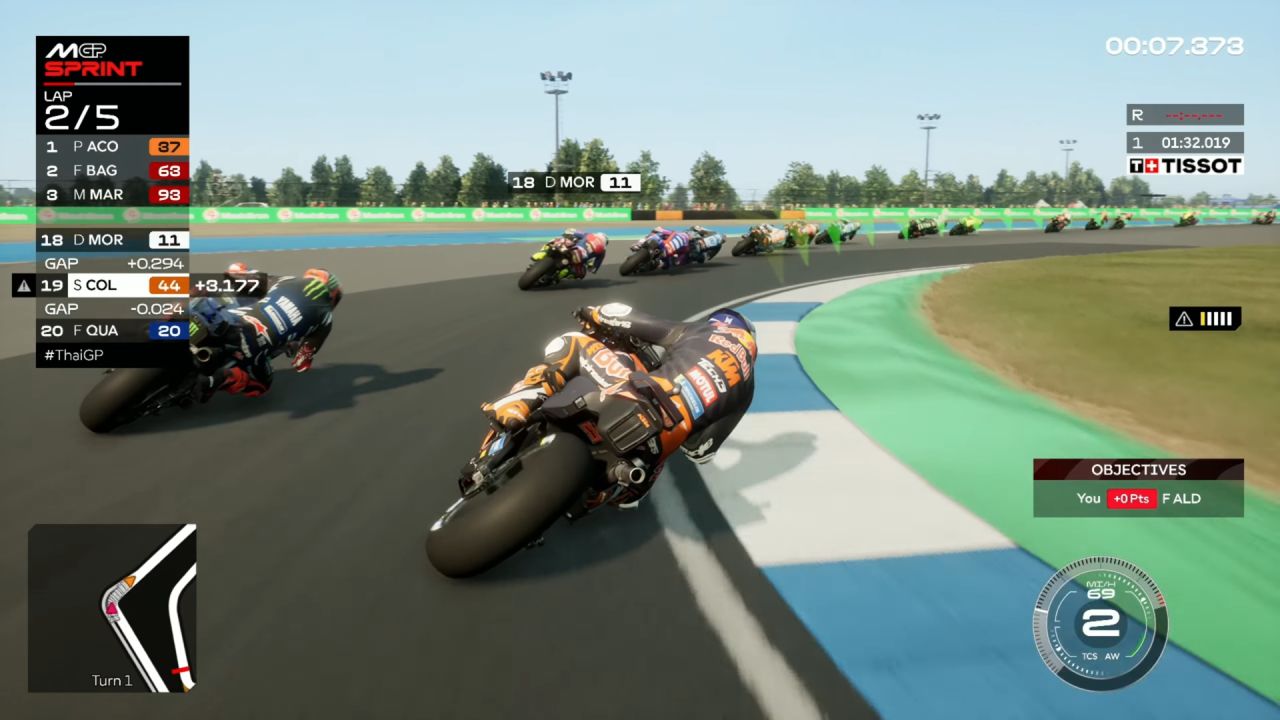
Those rivalries are more structured than before. Instead of just racing everyone equally, you now focus on specific opponents over multiple weekends. Outperforming them earns you rewards such as development boosts or reputation increases. If you fail, the game doesn’t punish you harshly, but it shifts your focus toward new goals and new rivalries, keeping the career loop moving forward.
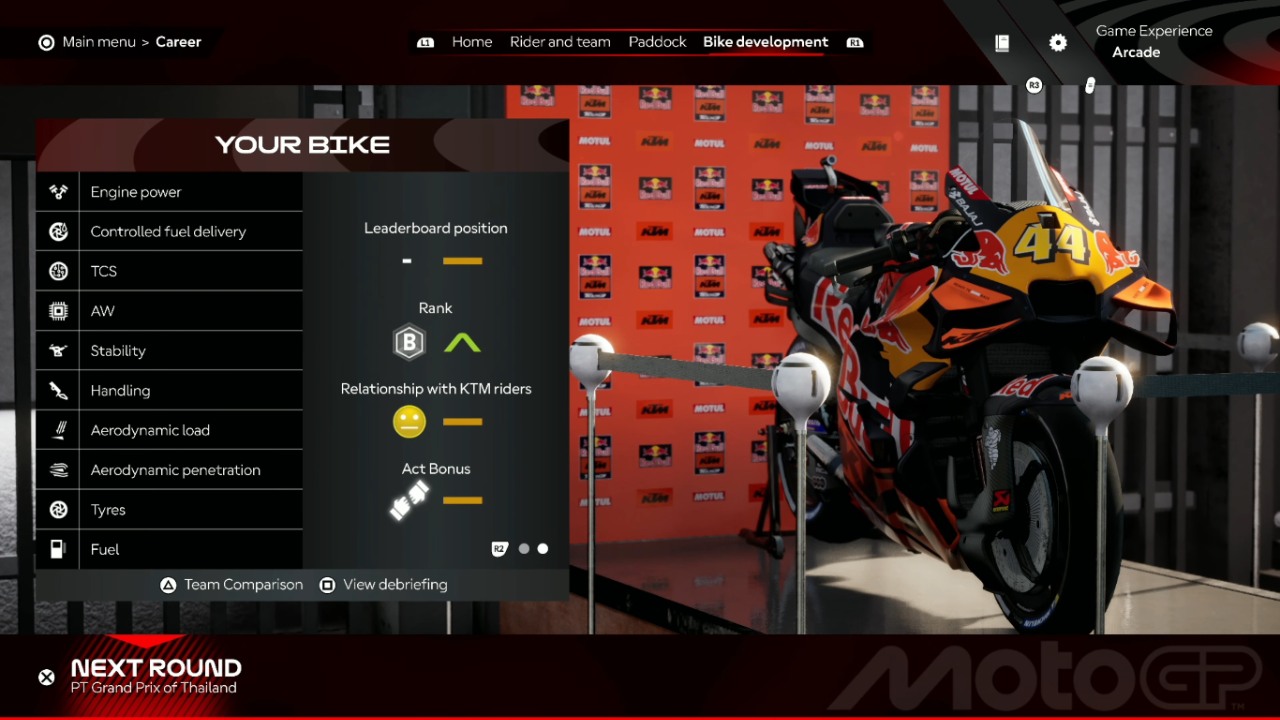
Bike development continues to be a long-term progression system that sits at the heart of career mode. Not only are you racing for championship points, but you're also changing how competitive your bike gets over time. You can change upgrades, performance tweaks, and the overall direction of the team through debriefs and feedback sessions. The important thing to remember is that even teams at the bottom don't have to stay uncompetitive forever.
With enough time invested, you can bring weaker machines up to a much higher level, which makes long careers feel more meaningful.
Another major change this year is the ability to step directly into the role of real-world riders, rather than only using a custom character. This gives you more flexibility in how you experience the season, although it also introduces some oddities in how career progression behaves when you start moving riders around or entering unusual team scenarios.
MotoGP 26 sticks closely to the tried-and-true formula, but it adds small changes that you notice over time instead of right away. Still, every race weekend follows the same pattern: practice sessions to learn the track, qualifying to set your grid position, and then sprint and main races depending on the category.
The gameplay at any given moment still comes down to finding the right balance between speed, braking, and turning. What changes slightly this year is how the bike reacts under different conditions. You’re encouraged to be more deliberate with inputs, especially when it comes to corner entry and throttle control on exit.
Two main gameplay styles return: sim and arcade.
Sim mode is where the full depth of the game sits, with realistic tire wear, strict braking physics, and more demanding control requirements. Arcade mode reduces the complexity significantly, making the bike more stable and forgiving, which allows you to focus more on racing lines and speed rather than mechanical precision.
Race-off events are still present and continue to act as side content within the career structure. These include minibike racing, flat-track events, and production-bike challenges. They feel different enough from standard MotoGP racing to break up the rhythm of the season, but they don’t carry the same depth or long-term engagement as the main championship races.
A new collectible trading card system has also been introduced, where you earn packs after races and championships. It doesn't change how well you do or how quickly you progress in a mechanical way, but it does add a little bit of collection-based engagement that gives you something else to look at between races.
Multiplayer is still the same as in previous games, with ranked racing and big lobbies for competitive play.
If you like racing against real people instead of AI, it's still a great choice. Dynamic AI is still part of the game, and it changes the difficulty level based on how well you're doing. While this system is designed to keep races balanced, it can sometimes feel like it shifts too frequently during sessions, which slightly disrupts consistency in longer races or championship progression.
The physics system in MotoGP 26 is probably the most important talking point in the entire game, because it subtly changes how you interact with every single corner, brake zone, and acceleration point. The shift toward rider-based handling sounds like a big conceptual change, and while it does influence how the bike feels, the reality is more nuanced once you spend time on track.
What you’ll likely notice first is that turning feels slightly more responsive, especially when transitioning into corners at medium speed. The bike reacts a bit quicker to directional input, and there’s a more gradual sense of weight transfer when you lean in. It’s not a dramatic overhaul, but it does make the riding feel a little more fluid compared to last year’s entry.
Braking, however, is where the biggest adjustment comes in.
You’ll find that braking performance feels reduced, and that changes your entire approach into corners. Instead of relying on aggressive late braking like in previous games, you’re forced to be more precise with pressure and timing. If you push too hard, the bike doesn’t just stop cleanly — it becomes unstable, and that instability can easily lead to a front-end loss or a wide exit.
This creates a slightly more cautious rhythm overall, especially on tracks like Sepang, where heavy braking zones are a key part of lap time. It doesn’t feel broken, but it does feel intentionally tuned down, likely to balance out how fast the bikes can become in the hands of experienced players.
Tire behavior also plays a bigger role in how the physics feel moment to moment. In early impressions, tire temperature management feels inconsistent, especially when trying to build heat in longer stints. Instead of naturally stabilizing, tires may feel like they struggle to reach the right temperature, which directly affects grip and corner confidence.
This means you sometimes feel like you’re fighting the bike more than expected, especially early in sessions.
Another subtle change is how acceleration behaves out of corners. At lower RPM, the power delivery feels slightly muted, and then it suddenly kicks in more aggressively once you’re higher in the rev range. This makes the acceleration a little "steppy," which changes how you time your throttle application, especially when you leave slower corners.
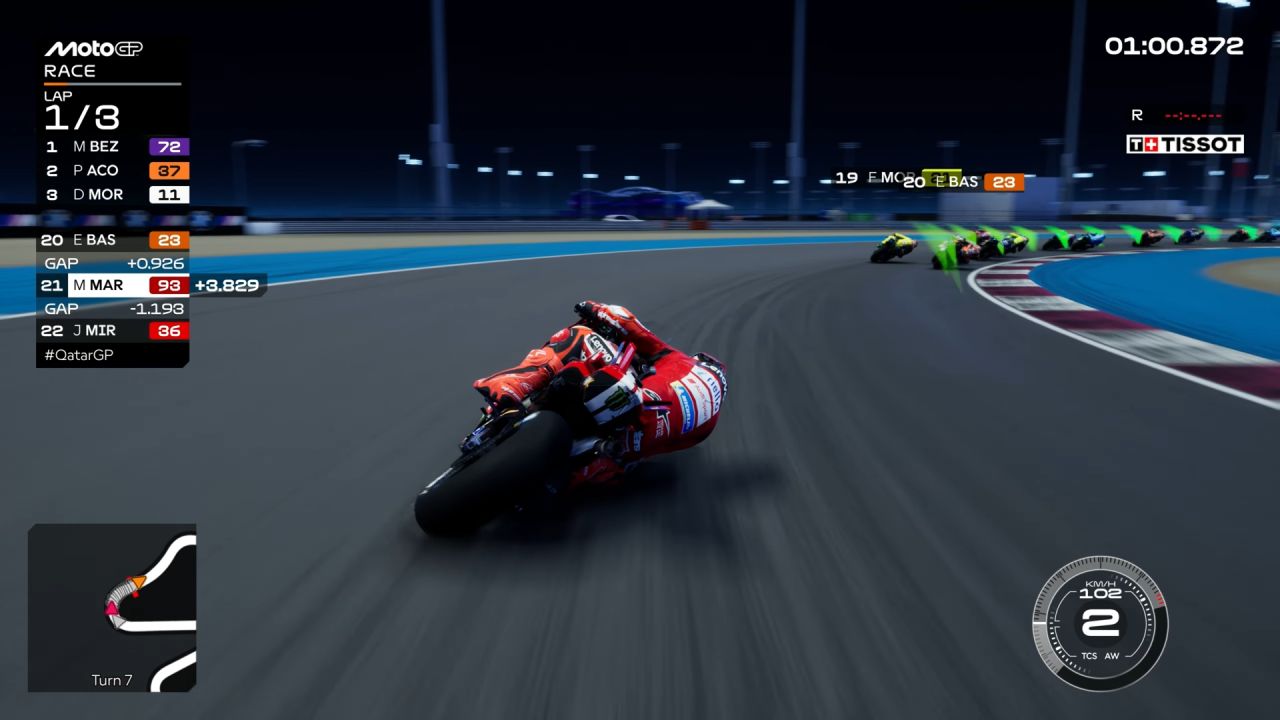
Even with these problems, the ride height device works better and the transitions are smoother overall. The system feels less abrupt and more controlled, even if it’s slightly less impactful than in previous games. Overall, the physics sit in an interesting space—more responsive in direction changes but more restrictive in braking and tire consistency.
The bike feels more responsive when you change directions, and once you get used to the new handling model, corner entry has a smoother rhythm. The fast parts feel like they flow better, and the overall experience of riding feels a little more natural in motion.
Braking changes make the game less predictable at first, which is a bad thing. Also, the way the tires heat up can make things less consistent, which can affect grip in longer sessions. Tight corners also show some of the bike's limits when it comes to leaning or changing direction in the middle of a turn, which can cause the bike to not respond as expected.
Your performance over the season has a big impact on how far you can go in MotoGP 26. Every race affects not only the championship standings but also your reputation and development systems. Strong results help you get better bike upgrades, and consistent performance makes your team more competitive in the long run.
The debrief system is still one of the most important tools for progression because it lets you shape how your bike changes.
This means your choices between races matter just as much as your actual race results, especially in longer career runs. Even if you start with weaker teams, the system allows you to gradually build them into stronger contenders, which gives long-term structure to career mode beyond just winning races.
Visually, MotoGP 26 continues to use Unreal Engine 5 to deliver clean, detailed track environments. The circuits are very well done, and the lighting changes based on the time of day and the weather make the races feel more real and exciting.
However, the visual improvements are not as big as they were in the last entry. You won't see a huge jump in quality from one generation to the next; instead, you'll see the same quality with small improvements. The performance on consoles and PCs stays the same, with smooth frame pacing during races, even at high speeds. The menus and paddock areas that are off the track work, but they aren't as detailed as the racing environments themselves, which is a consistent feature of the series.
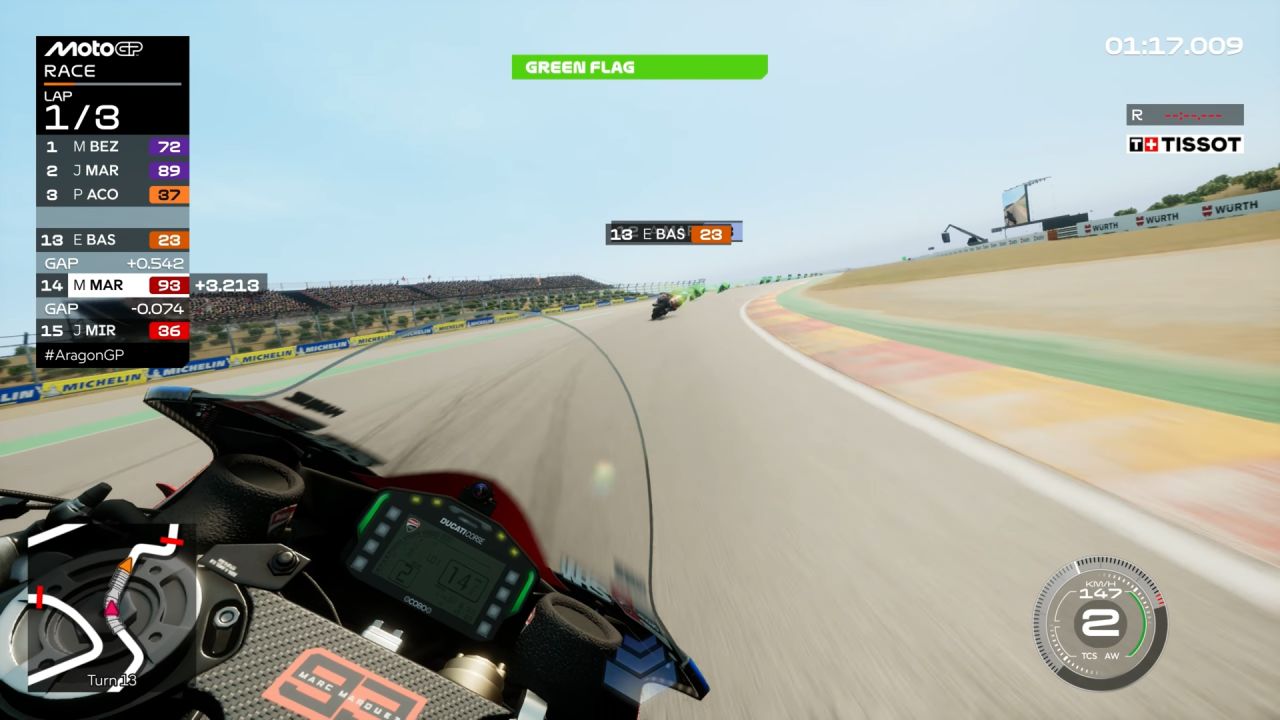
One of the best things about MotoGP 26 is the sound design, especially the new bike sounds for Moto2 and Moto3. These classes now sound more different and polished than they did in earlier games, which sometimes had an engine tone that was too sharp.
MotoGP bikes still have great sound, especially at high speeds when the engine noise and wind effects work together to make you feel like you're speeding up. Crowd noise and environmental effects also help set the mood at the start of a race and during close battles.
Overall, the sound design is still consistent and works well, even though it hasn't changed much from last year.
You can feel small changes all over MotoGP 26, but nothing makes the experience you already know completely different. Milestone has clearly focused on refining specific parts of the physics system, particularly rider movement and bike responsiveness, while also adjusting braking behavior and tire systems to create a slightly different riding rhythm.
The rider-based handling system is the headline feature, and while it does make the bike feel more connected in some areas, it doesn’t dramatically change how you play from lap to lap. Instead, it slowly becomes noticeable over time, especially in corner transitions and body positioning. The biggest change you'll have to get used to is that braking now takes more control and less aggression. This will naturally change how you approach racing lines and overtakes.
Career mode is still the best part of the game. It gives you a long-term structure that keeps you interested over several seasons. Even though it creates some strange career situations, being able to play as real riders makes the game more interesting. Bike development systems and rival challenges give each season a sense of direction beyond just winning races, so progression still feels meaningful.
The game is still solid but familiar in its presentation. The biggest change you'll have to get used to is that braking now takes more control and less aggression. This will naturally change how you approach racing lines and overtakes.
Career mode is still the best part of the game. It gives you a long-term structure that keeps you interested over several seasons. Even though it creates some strange career situations, being able to play as real riders makes the game more interesting. Bike development systems and rival challenges give each season a sense of direction beyond just winning races, so progression still feels meaningful.
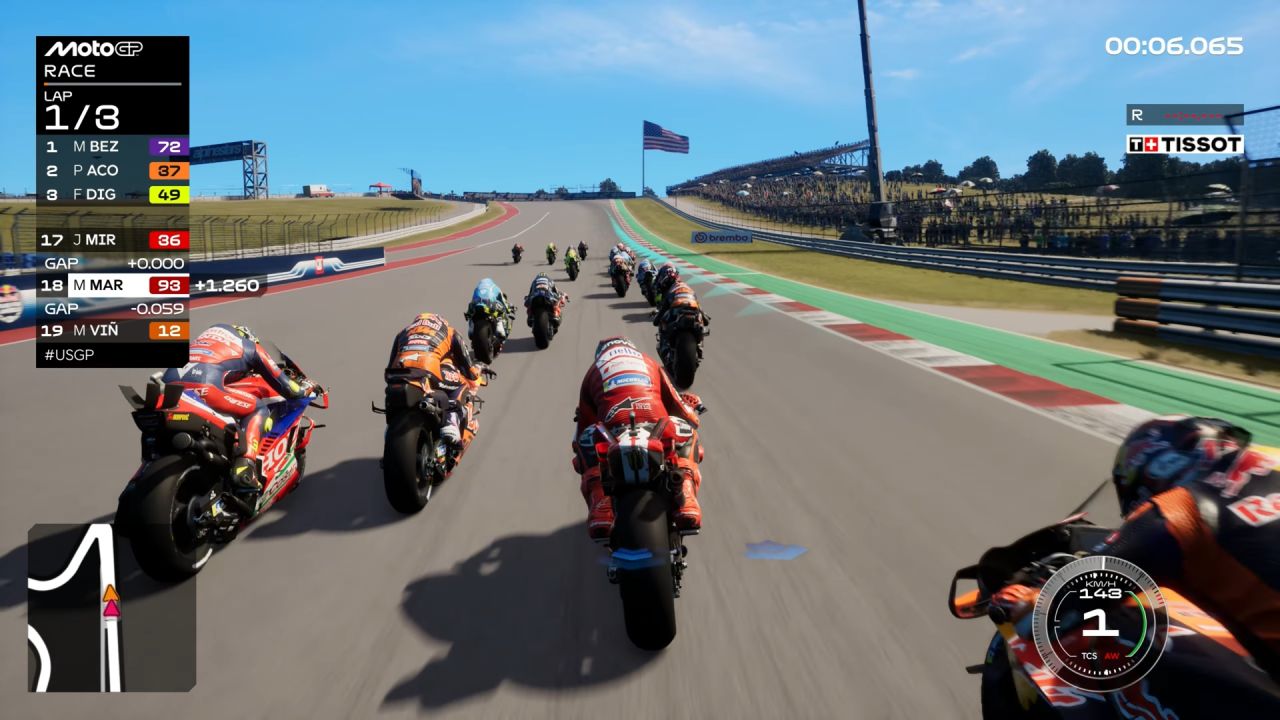
MotoGP 26 is still solid but familiar in its presentation.
Visuals are clean, tracks are well designed, and performance is stable, but you’re not getting a major leap forward compared to the previous entry. Sound design is slightly improved in lower classes, helping distinguish the different racing tiers more clearly.
Now, in terms of price, MotoGP 26 launches at a standard AAA racing game price point, putting it in direct competition with other annual sports and motorsport titles. At that price, expectations naturally shift toward noticeable innovation or significant feature additions. That’s where MotoGP 26 becomes a harder recommendation for returning players.
If you are new to the series or haven’t played a MotoGP game in a while, there is still a lot here to enjoy. The handling is deep, the career mode is structured, and the overall racing experience remains one of the most authentic motorcycle simulations available on console and PC. In that sense, the value is much easier to justify because everything will feel fresh and fully featured.
Senior Editor, NoobFeed
Verdict
Refined handling and career depth make MotoGP 26 feel more responsive and consistent, but the changes are incremental rather than transformative. It’s a solid upgrade for newcomers, yet returning players will find little reason to switch.
88
Related News
No Data.