
NBA The Run Review
PlayStation 5 Pro
A fast-paced 3v3 basketball experience that mixes streetball energy, NBA stars, and chaotic fun into one competitive package.
Reviewed by Mahi Araf on Jun 11, 2026
This is NBA The Run, a brand new 3v3 arcade basketball game that throws you right into that streetball mindset. The game is heavily inspired by classic arcade-style basketball experiences such as NBA Street, where style, creativity, and fast-paced action are as important as scoring points. You know when you jump into it for the first time, it's made to bring that type of energy back into basketball games that hasn't been there in a minute.
Play by Play Studios is the indie developer team behind this project, formed in 2021. The studio itself may be young, but the people working in it are not new to the industry. You're dealing with developers who have worked on major titles from places like EA Sports, Visceral Games, and Sony. That background shows in how the game feels, even if the project itself is not tied to any of those older franchises.
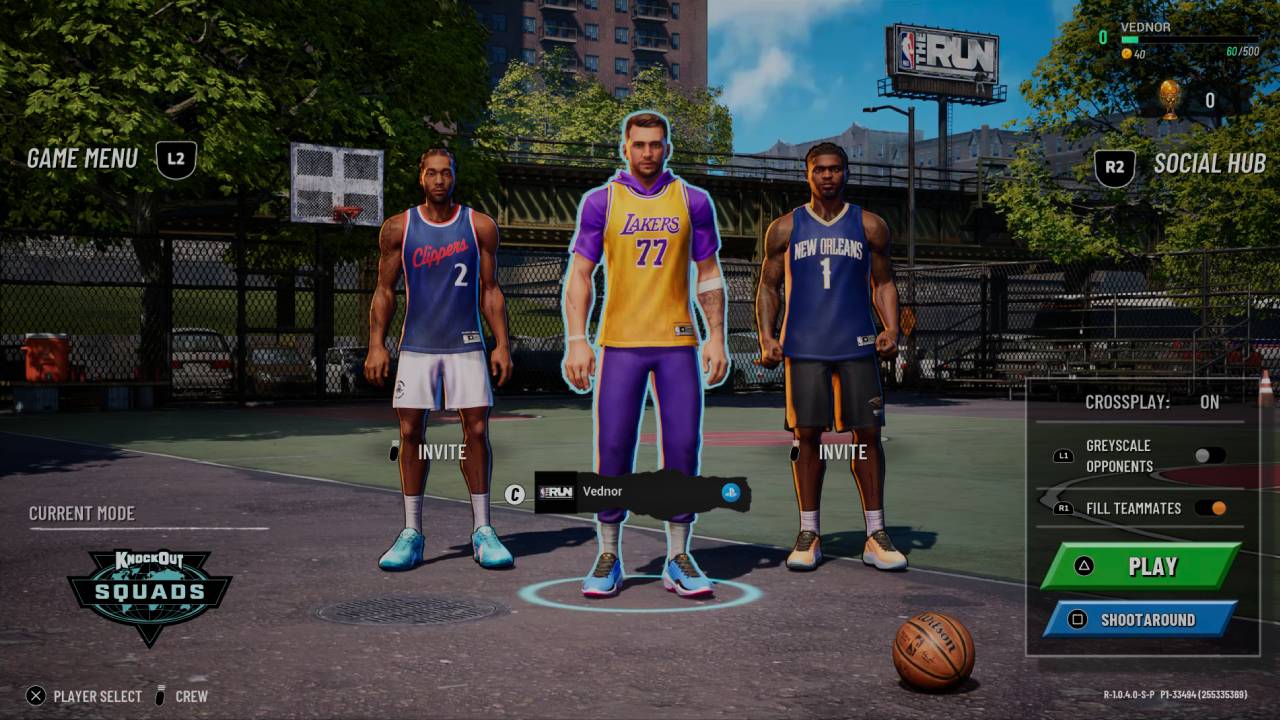
Instead of trying to remake or directly copy NBA Street, the game goes in its own direction.
It takes inspiration from that era of arcade basketball but builds a new identity around it. You can think of it as a spiritual successor rather than a remake or continuation. That means you shouldn't go in expecting a modern EA-style revival of the Street series, because that is not what this is aiming to be.
The whole idea behind NBA The Run is to bring back that pick-up-and-play basketball style while still giving you enough depth to keep improving. There is a combination of arcade mechanics, NBA licensing, and a competitive structure that makes something that feels familiar yet different enough to stand on its own. As soon as you start playing it, it leans hard into fast-paced matches, flashy plays, and a focus on momentum.
There isn't really a traditional story or narrative structure to NBA The Run. Rather, the "journey" is about competition. You're essentially moving through tournaments, winning matches, and working your way up through a series of runs until you reach the final stage. Everything is focused on gameplay advancement, not story. So it all depends on how successful you are in the matches.
The main structure revolves around Knockout modes. You get Knockout Solos, Knockout Squads, and Knockout Private tournaments. Each one follows the same general idea of a 3v3 setup where you compete across multiple rounds in a tournament format. Winning a full tournament rewards you with trophies and progression, pushing you further into the game's loop.
In Solo mode, you control all three players on your team, which gives you full control over every action on the court.
It feels more like the older arcade basketball games, where you control everything. Squad mode is where you control one character and rely on teammates. It completely changes the pace and decision-making. Playing with random players feels random, but playing with friends feels a lot more coordinated.
Private tournaments expand things even further by allowing large player lobbies, letting you set up custom competition with up to dozens of players. This creates a more community-driven experience where matches feel more structured and competitive depending on who you are playing with.
There are also rotating rule sets that vary a little each match in these modes. One game, for example, could make every shot worth one point, while another could make dunks worth more, or change the conditions for scoring altogether. This ensures that no two matches are the same and forces you to constantly change your style of play rather than sticking with one approach.
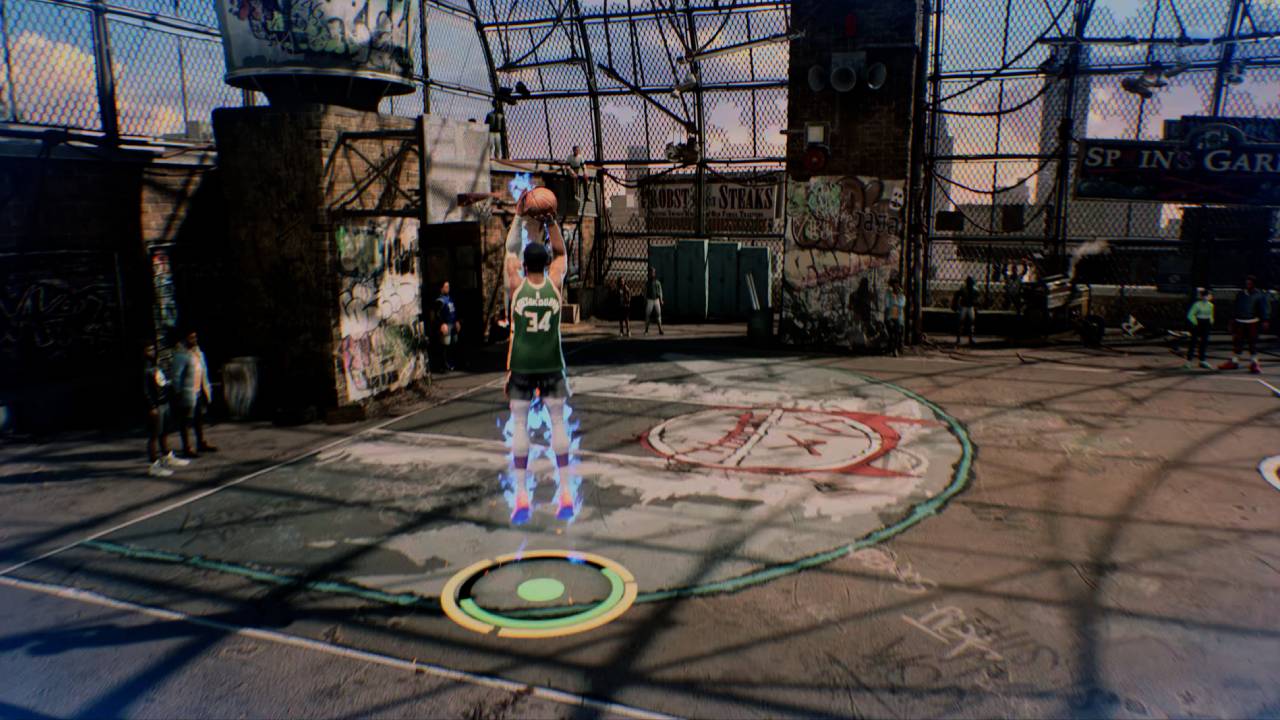
NBA The Run, in actual gameplay, is a game about speed, quick decisions, and expressive basketball mechanics. At the surface level, the controls are simple. You pass, shoot, dunk, and defend just like you would expect in an arcade sports game. But there's more complexity than it looks at first glance when you start to learn the deeper systems.
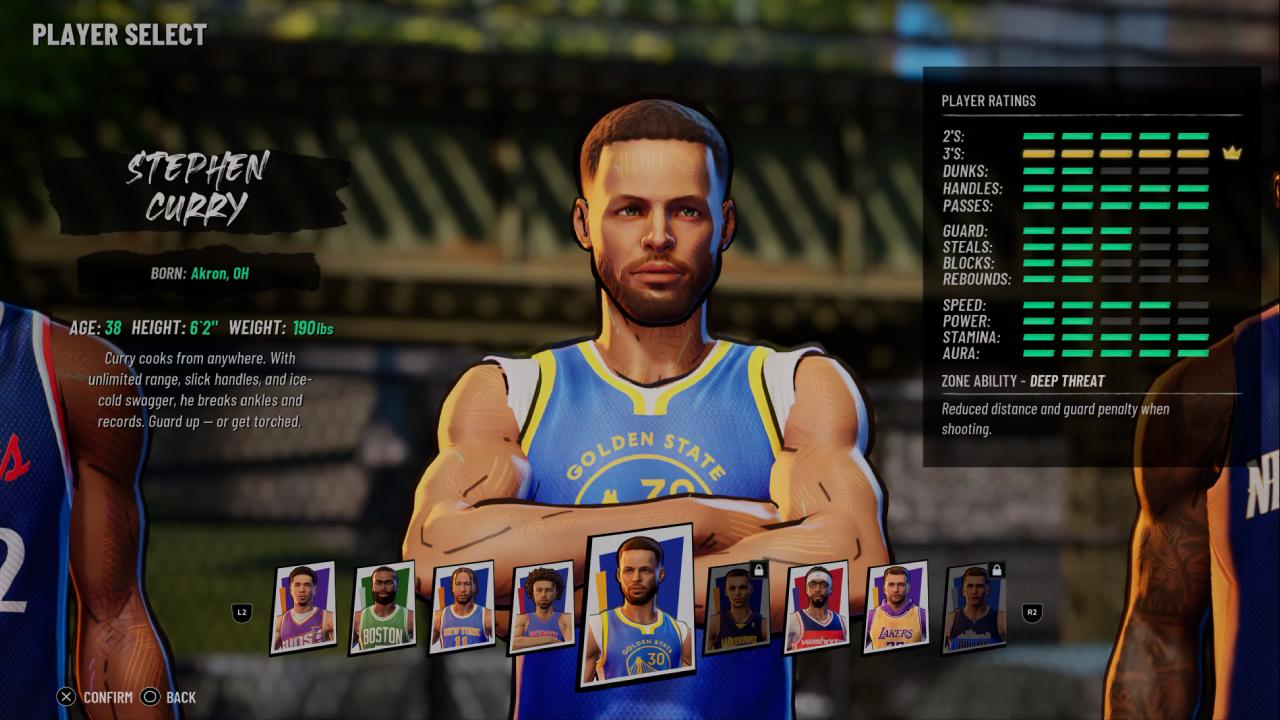
Each character has their own strengths and weaknesses, depending on their real-life counterpart or character type.
Some are better shooters, some are better defenders, some are better at finishing at the rim. You are encouraged to learn different characters and build your playstyle around their abilities. This is the diversity of your approach to each match, not a single dominant strategy.
A major part of the gameplay is the "In The Zone" system. This works like a momentum or takeover mechanic where your player builds energy as they perform well. Once activated, you get boosted abilities depending on the character. For example, a shooter becomes more consistent at long range, while a defensive player becomes much harder to score on. It's a system that puts pressure on you and rewards you for playing well at the right time.
There are also trick moves and flashy mechanics to the game. Control Stick & Button Combinations: Use the control stick and button combinations to pull off dribble combinations, step-backs, spins, and other creative moves. Some moves are high-risk, especially if your player has poor ball-handling stats, which can lead to you losing possession if you time them poorly. This adds risk-reward balance to the flashy gameplay.
As in other modern basketball games, shooting is timed, and perfect releases yield better shots. The shots feel explosive and satisfying when timed right, especially with the arcade-like presentation. But defense also plays a big role, as well-timed contests can significantly impact shot success.
Then there's physical stuff like pushing, stealing, diving for loose balls, and blocking shots. The mechanics are intended to keep the game aggressive and active. Whereas plays develop slowly, and you are constantly in movement, space, and reaction decisions.
NBA The Run's physics are built to support arcade-style play, not realistic simulation.
So the motions are a little exaggerated, the animations are quick, and the interactions are optimized for responsiveness rather than realism. Every time players collide, every time a ball hits the rim or a shot is contested, it all feels so much more immediate, less hampered by the shackles of simulation.
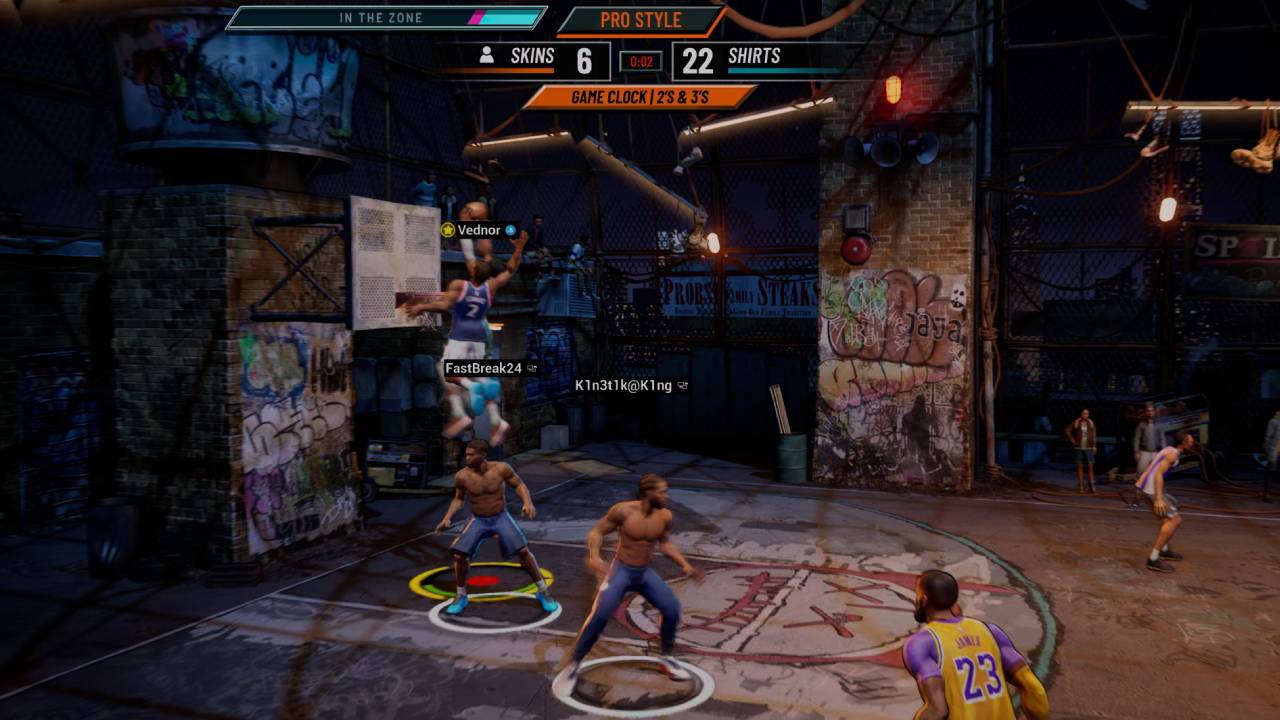
The AI that controls the players varies with the mode and situation. In solo control, your teammates follow basic positioning/support logic. In squad play, most of the decision-making is driven by human players. CPU behavior is functional but not super advanced in private or offline-like settings; it's more about keeping the game flowing than creating complex basketball-IQ moments.
Defensive mechanics are very timing-based.
Blocking and stealing require precise inputs, not spam actions. If you are poor at timing defensive plays, you often leave yourself vulnerable, especially against skilled offensive players. It creates a rhythm in which awareness is needed on both offense and defense, rather than brute force.
One of the good things about the system is that nothing is overpowering. There are overpowered mechanics, but you can counter them. Great shooters can be challenged by good timing, and dominant bigs can be drawn into pump fakes. This balance has been tuned to promote adaptation given repeated play.
On the negative side, the limited depth of offline systems means you can't push AI-driven gameplay too far. Most of the experience is online competition, so the long-term variety comes more from matchmaking and player engagement than from structured single-player depth.
NBA The Run is all about earning Cred in matches and tournaments.
Every game you play will give you currency based on performance; wins yield higher rewards. Tournament victories provide even larger rewards, which pushes you toward repeated play if you want to unlock everything.
Cred is used in the in-game shop, where you can buy animations, taunts, jerseys, banners, badges, and even new dunk styles. The system encourages you to play it over and over again, because you need to do well over time to unlock cosmetic and gameplay-related items.
Progression is also greatly determined by character variations. NBA stars have different stats and abilities in their rookie versions than their standard versions. These variations often require a lot of Cred to unlock, making them a long-term goal for dedicated players.
No microtransactions are in the game; everything you have to earn through gameplay. This leads to a grind-heavy system, but progression feels tied directly to effort rather than to spending money. It also adds value to the Deluxe Edition by giving early access to certain characters and more currency.
NBA The Run has a stylized look, and it is a bit cel-shaded.
It's not trying to be hyper-realistic but readable and gives the characters an identity. NBA players are recognizable, and the animations are smooth enough to allow for fast-paced gameplay without confusion.
The characters are modeled to resemble real athletes while still fitting within an arcade environment. There are several courts, each with its own theme and layout, that fit the game's streetball theme. The lighting and effects during momentum plays, especially, help highlight big plays like dunks and clutch shots.
The sound design enhances the arcade feel with energetic audio cues for scoring, blocks, and special abilities. It's not about creating a realistic crowd; it's about creating the atmosphere for those hype moments. The music and effects give matches a sense of speed and energy.
Performance is usually consistent across platforms, with the priority on smooth gameplay given the game's competitive nature. A lot of focus is placed on the online experience, meaning graphical realism is sacrificed for a responsive, stable netcode. The game is designed to make this happen.
NBA The Run brings back the arcade-style basketball that the genre has been missing for a long time. Instead of simulation-heavy gameplay, it features quick matches, expressive mechanics, and a competitive tournament structure. You always have something to do, be it scoring, defending, or adapting to rule changes in between games.
The game is really fun when you are playing with friends or well-organized teams where communication and strategy are important. Random matchmaking can be like a coin flip, but organized play highlights the game's best qualities.
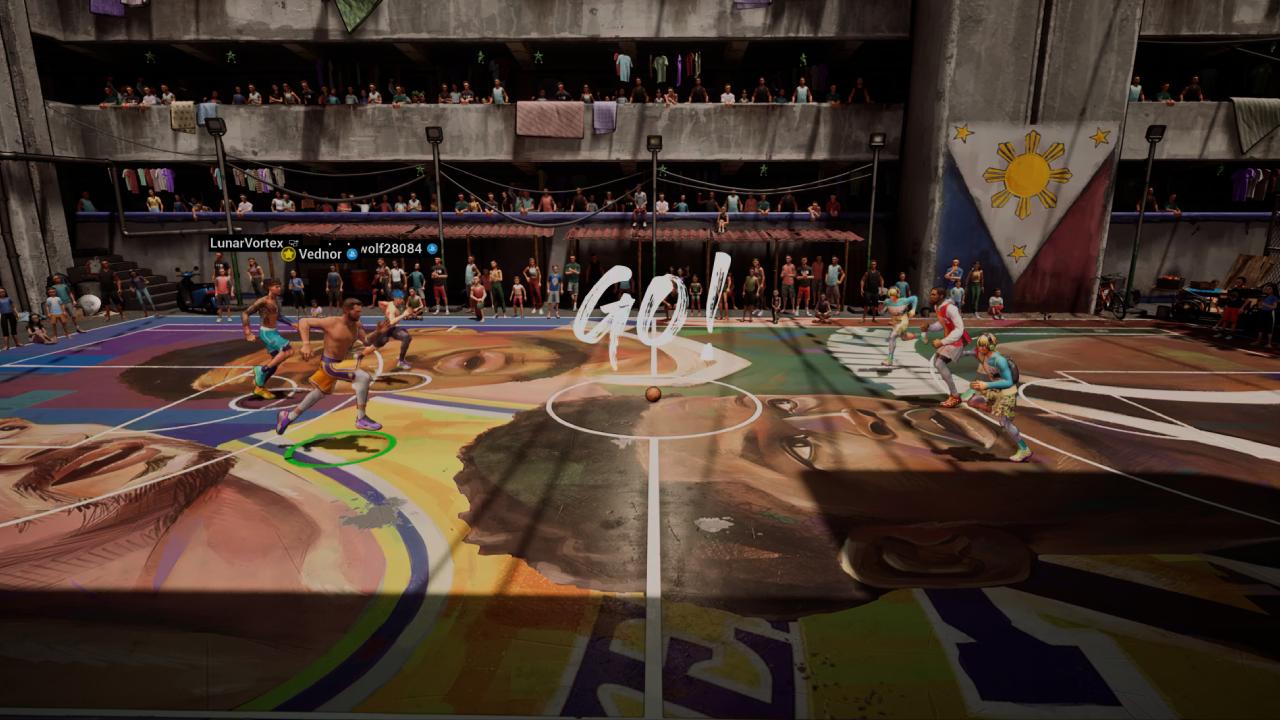
The rotating rules and "In The Zone" system help prevent matches from getting stale and encourage adaptability.
The game, however, has its shortcomings. Without a solid offline mode, solo variety is limited over the long term, and the Cred system makes progression feel grind-heavy. But since there are no microtransactions, everything you earn is actually earned in gameplay.
Overall, NBA The Run is a decent arcade basketball game. It's not trying to replace simulation basketball games but rather provide an alternative experience focused on style, speed, and creativity. It fills a much-needed gap in the genre and shows great promise for future updates and expansions.
Senior Editor, NoobFeed
Verdict
NBA The Run is an enjoyable arcade basketball game with solid mechanics and decent replay value, with a streetball feel, but is held back mostly by a lack of offline content and a grind-heavy progression system.
85
Related News
No Data.