
Noble Legacy Review
PC
Early Access
Rule your very own medieval village and carve your destiny in this Early Access RPG.
Reviewed by Mahi Araf on Aug 20, 2025
If you have ever wondered what it would be like to live in the Middle Ages, there’s no need for you to wonder anymore, because you’ll know the answer as you wander the muddy roads in your village. Studio 369 may not be a familiar name to many, but they are here to make a name for themselves with an ambitious approach to the medieval city-building genre.
Noble Legacy lets you walk through the streets of your village, interact with your citizens, and physically participate in building your settlement. This hands-on perspective is what makes the game unique. The game’s still in Early Access, but the signs of promise are there. The game blends traditional city-building mechanics with third-person exploration.
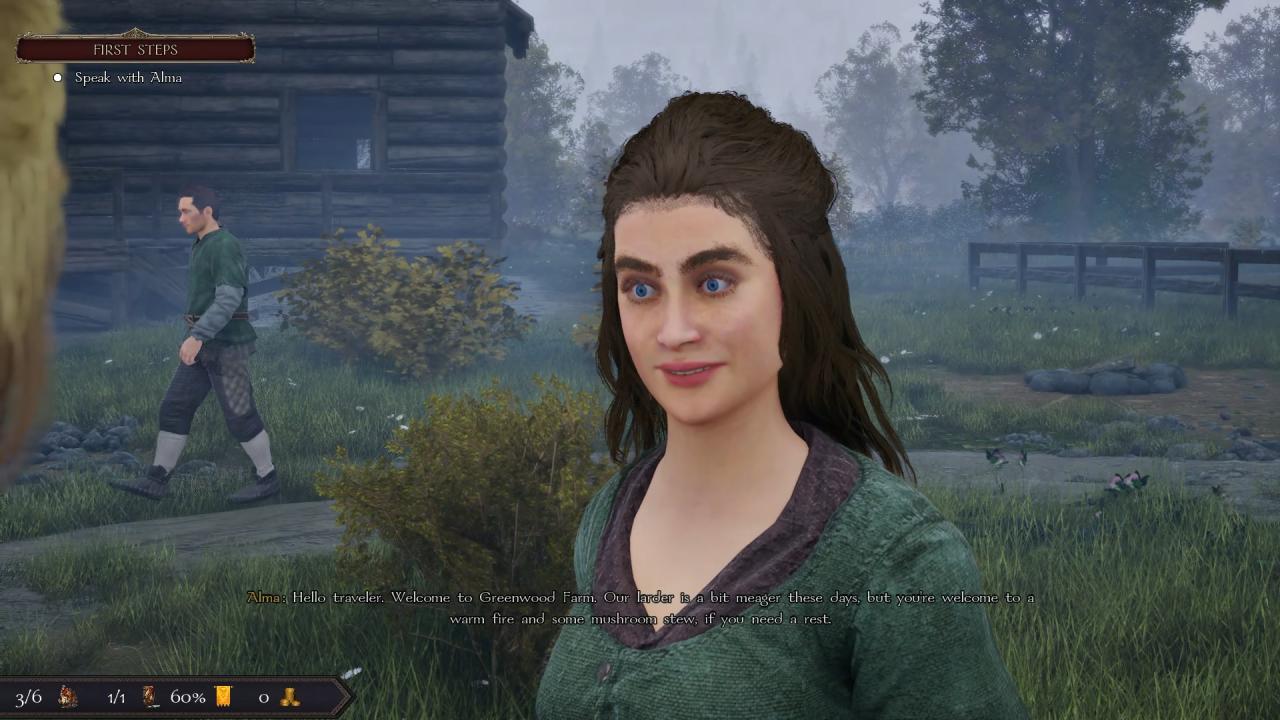
For a city-building game, Noble Legacy has a rich plot, one that leads you to make consequential decisions. What the plot does really good is that it invites you into its world and not only oversees as you would in traditional city-builders.
The story begins with your return from the Holy Land to inherit Greenwood, a land of the free and a land of promise, but slowly but surely plummeting towards extinction. As you set foot in Greenwood, the buildings are in ruins, the armland has gone empty, and as for the villagers, they’re barely able to survive anymore. Your task is to restore Greenwood to its former glory as you rebuild it from top to bottom.
You soon find yourself managing housing, food, tools, and villager satisfaction while monitoring production chains. Raw wood gets turned into planks, planks become furniture, and suddenly, your villagers are living a life that’s more than a life of peasantry and one that brings back dignity into their lives.
The campaign gradually introduces game mechanics through quests and events. Many of these are light and manageable, such as repairing buildings, or recruiting villagers, or day-to-day village shenanigans. Some events add more depth, like deciding how to handle a wandering, drunken monk in town. You can intervene personally or let events unfold naturally, and these decisions give your village what it was lacking in: personality.
There are moments, like when a blacksmith is disappointed because the tavern is out of drinks, that make you see the more human side to this game, which is funny but also very natural in terms of role-playing. Moments like this will make you realize how, regardless of the era, we are not so different from medieval peasants. If the drinks run out, productivity follows suit.
Sandbox mode, on the other hand, emphasizes creativity. Players can design every detail of their town or rely on ready-made buildings to speed construction. As your town grows, so does its complexity. Villagers have distinct needs, preferences, and ambitions. From assigning villagers to jobs to ensuring they have proper housing and food, every action matters.
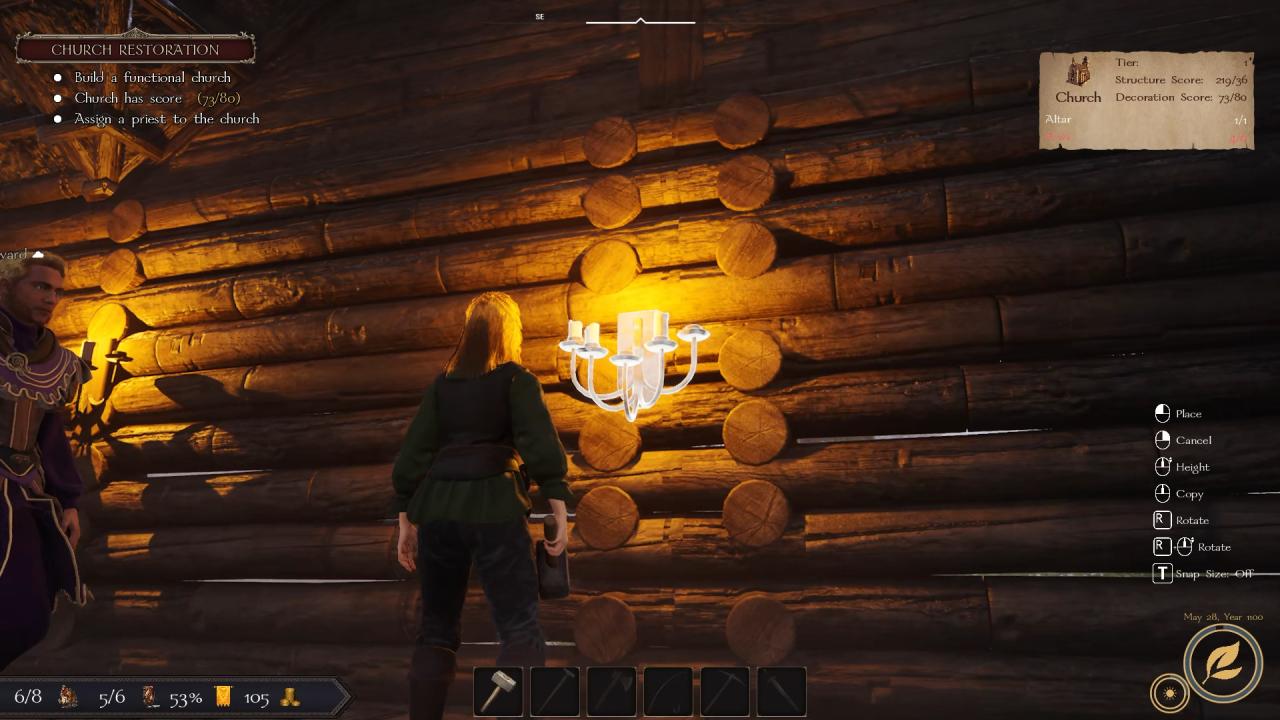
Noble Legacy is not your average medieval management game that punishes you for making mistakes. The demo makes it clear this is about steady growth and creativity. It is a win-win for the people who are more inclined towards cozy game-building and not flashy combat. Don't go in expecting this to turn into some medieval hack-and-slash having huge boss fights, because you are going to set yourself up for disappointment.
The gameplay in Noble Legacy is both satisfying and hands-on. You collect resources such as wood, stone, and food and manage production chains that convert raw materials into tools, furniture, and finished buildings. Maintaining a healthy economy is crucial because your villagers depend on these resources for both survival and happiness.
Villager management is a core component of Noble Legacy. Each villager has distinct skills, preferences, and ambitions. Some are better at certain jobs, while others require improved living conditions to remain productive. The attention to detail from Studio 369 is commendable. Villagers may refuse to work if there is a lack of food, furniture, or leisure, which would reduce productivity. High morale boosts productivity and loyalty and unlocks development opportunities, making villager management a strategic and personal part of gameplay.
The third-person perspective allows you to explore your village from the street level, giving a sense of presence rarely found in city builders. You can switch to a top-down view when precision building or layout planning is required.
Combat in Noble Legacy is currently minimal but functional. Raiders and bandits occasionally attack your village. You can either pick up a weapon and fight yourself or shift focus to strengthening the village’s defense. While combat is not the game’s focus, these encounters add occasional tension to the otherwise relaxed management experience.
The “puzzle” element of the game arises from resource management and efficiency. Assigning villagers to jobs, managing food and housing, and ensuring production chains remain smooth can become challenging as your town grows. Ignoring the marketplace or not building enough houses are mistakes you might make that can escalate into small crises, giving you a fun layer of problem-solving as well.
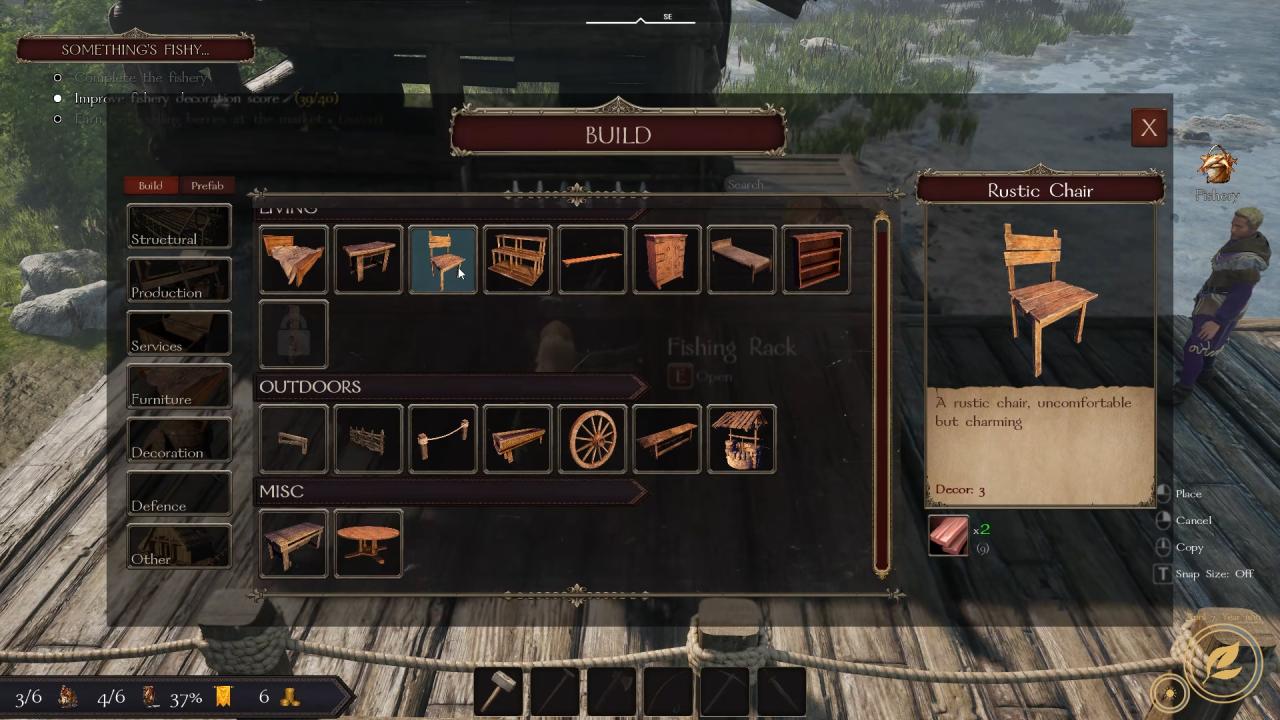
There’s also a soft RPG element in villager progression. Villagers can level up, gain better tools, and improve their efficiency, adding depth to workforce management and giving long-term incentives to care for each character. Instead of traditional XP, progression in Noble Legacy comes from expanding and improving your settlement.
Completing quests and maintaining villager happiness contribute to unlocking new structures, tools, and decorative options. Villagers gain skills over time. This soft progression system encourages strategic planning while maintaining the relaxed pacing that the game emphasizes.
You are the mayor, carpenter, and ruler of the village all in one; that’s what makes management so fun while also not pressuring you to splash out on microtransactions, which could be a common complaint for games of the genre.
Visually, Noble Legacy strikes a balance between charm and functionality. Greenwood feels alive despite being on the verge of ruin initially, but your actions also contribute to how you make your village look and feel. Rain and thunderstorms add atmosphere, even if they currently last only briefly.
Early Access limitations exist. Facial animations are sometimes stiff, and NPCs can appear slightly uncanny. Prefab buildings save time, while freeform building allows for creativity, including curved paths, plazas, and themed districts. The game has a unique visual identity that enhances the hands-on experience, even with minor flaws.
Sound design enhances the feeling of life in your village. Birds, villagers working, the clinking of tools, and ambient noise all work in unison to create a realistic atmosphere.
The Early Access version features a guide character whose voice-over helps you navigate the systems. The full game will eventually include more voice-over content; this initial implementation shows the potential for high-quality audio that matches the game’s tone. Background music and environmental effects add to the medieval setting.
Noble Legacy excels at giving players a grounded medieval city-building experience. The third-person perspective, combined with detailed villager AI and economic systems, makes it feel alive in ways few other city-builders manage. Combat is minimal, but that is not the game’s focus clearly.
For fans of slow-burning village management and sandbox building, Noble Legacy offers a rewarding experience. Its foundations are solid. It very well can make a name for itself that will push Studio 369 towards success. The demo is playable now on Steam, making it easy to try for yourself.
Senior Editor, NoobFeed
Verdict
Noble Legacy delivers decent medieval city-building with charming visuals and creative villager management. Early access rough edges exist, but the studio is clearly laying building blocks to provide a polished game.
60
Related News
No Data.