
People of Note Review
PC
A Rhythm-Infused JRPG that hits all the right notes.
Reviewed by Maisie Scott on Apr 08, 2026
People of Note is a turn-based adventure game that was published by Annapurna Interactive. It is a game that boldly combines the gameplay elements of classic JRPGs and rhythm games. Despite Annapurna Interactive not being a well-known company, this game demonstrates that its developers enjoy telling stories and playing role-playing games.
By carefully examining the systems of classic Japanese role-playing games (JRPGs), particularly those from the fifth and sixth console generations, such as Final Fantasy VII through X, the developers have improved them with modern ideas, particularly in terms of making the games easier to access, changing the battles, and adding music. Additionally, they have avoided repeating old ideas.
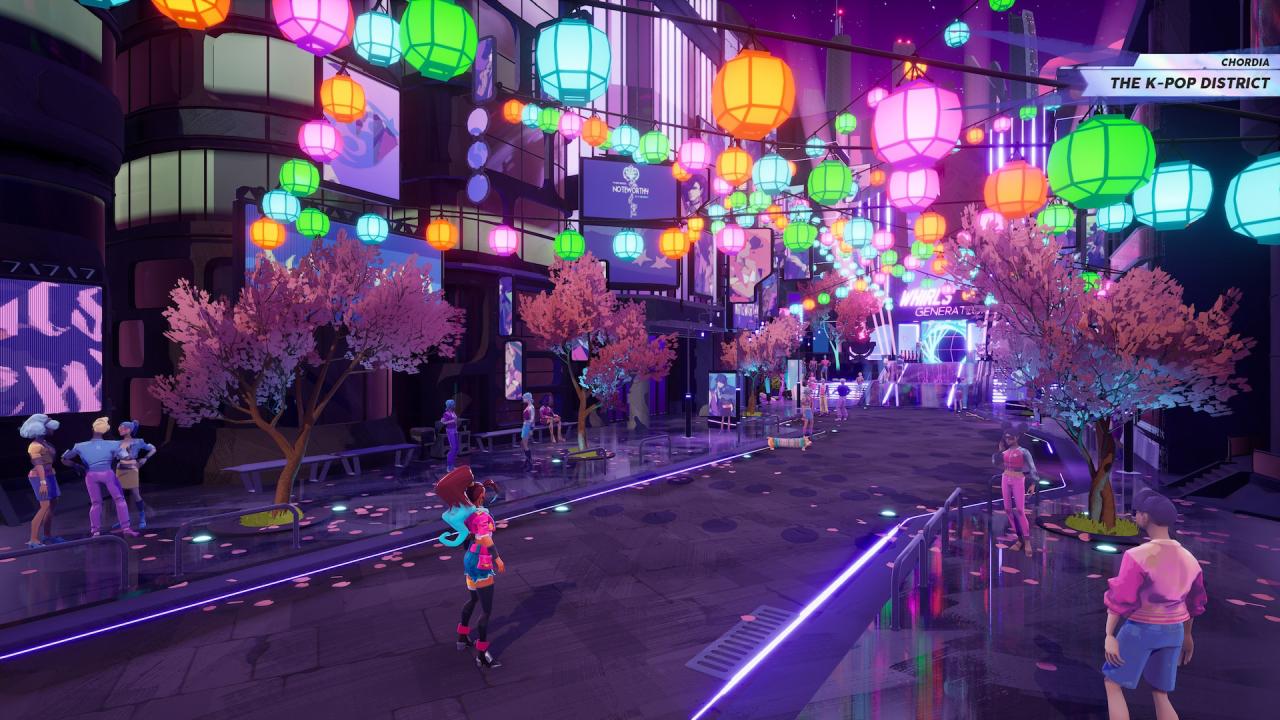
Despite the game not calling itself a sequel, it appears to be a philosophical continuation of the best turn-based role-playing games. It evokes those games while building a music-driven universe where rhythm is important to the plot, battle, and progress. The developers definitely considered what makes traditional RPGs good and how to improve them. As a result, the game feels both familiar and new.
People of Note is unique because it's not just a JRPG; it's also a music RPG.
The game is a mix of two different types of games: strategic, turn-based fighting, and rhythm-based interactions. In this world, music runs everything from society to politics to the fate of the planet.
It took a lot of courage for the creators to make a society centered on diverse kinds of music. Each city has its own style, from rock and metal to pop and electronic dance music (EDM). The world that was made is colorful and very well-detailed. It's full of clever musical references, visual nods, and genre-specific flair that make exploring feel purposeful.
The game starts out small but quickly grows into a big project. You meet Cadence, a young singer-to-be from Cordia, a city that is big on pop music. Her dream is to win a big competition and become the most famous artist in the world of Note.
The first chapters explain what drives her, how she feels about Smolder, a boy band that hasn't changed in a while, and what her single sound can't do. But what starts as a desire for fame turns into a fight against a darker group that seeks to collect the world's musical keys, powerful objects that could cause a disaster.
The story skillfully balances these high stakes by mixing silly, Disney Channel-style moments with emotional character arcs.
Cadence is the main character in People of Note. She is a hyperactive, ambitious pop diva who feels like a standard musical lead. At first, the judges of the music contest don't like her, so she leaves Cordia and finds a band from around the world that mixes different kinds of music to form something spectacular.
Along the way, she meets Fret, a rock guitarist who used to have a rival named Freak (or Quincy—get it?). She also meets Cynthia, a character who struggles with self-doubt but wants to help others, and Vox, a rap prince whose tough exterior hides deep feelings.
The world feels funny because it is both silly and also feels real. Some parts of the story are predictable, like how the tension between band members is settled by friendship and well-choreographed musical numbers. However, the dialogue is funny, and the characters' personalities really come through. Even minor figures, who aren't always well-developed, add color to the world.
In some scenes that look like fully animated music videos, Cadence and her band play songs that show how they feel and what drives them. These scenes are beautiful to look at, but they don't have any involved gameplay, so the player may feel like they're just watching during important parts of the story. Still, the story is surprisingly interesting and heartwarming because it combines humor, heart, and a consistent theme.
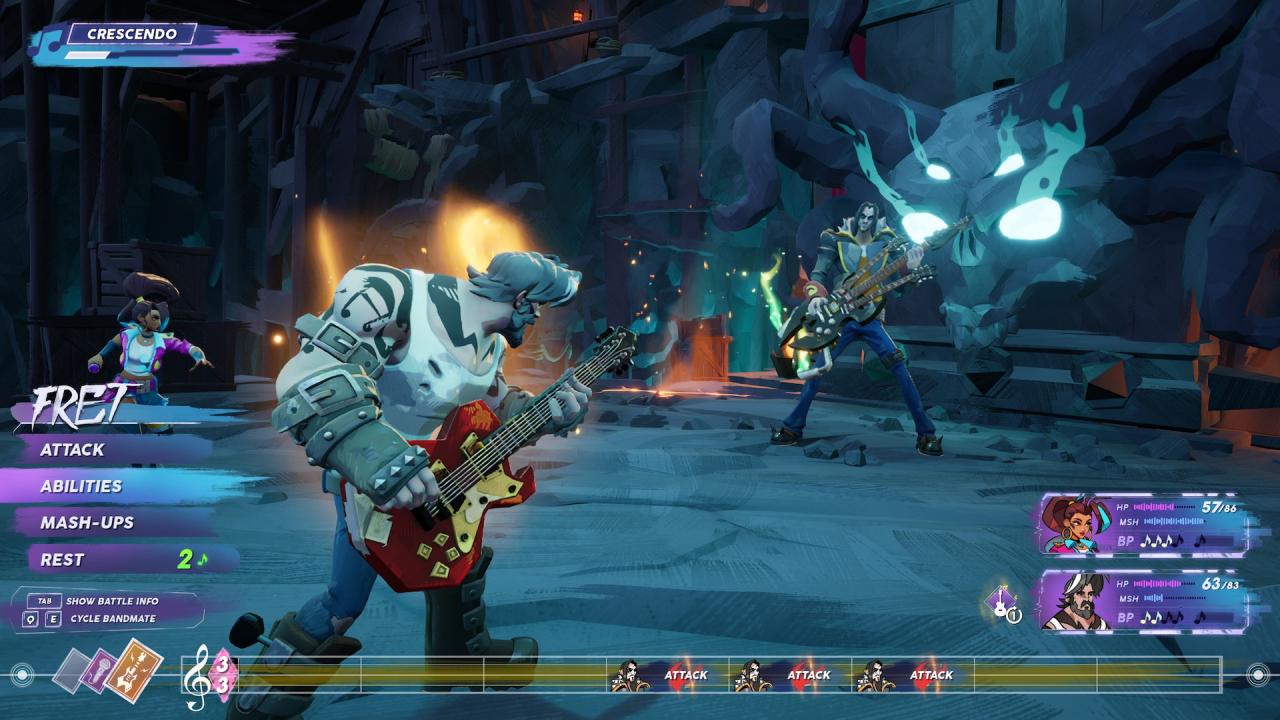
People of Note is a turn-based role-playing game at its core, but it adds rhythm mechanics that feel new and rewarding. There are stanzas, or rounds, in a battle, and each character and enemy has a certain number of acts they can do on their turn.
Players can decide the order in which party members act, and some skills get stronger depending on where or when they are used, which makes it fun to plan ahead. For instance, Cadence's first-action attacks get stronger, and Fret can increase the damage of the next attack. This method rewards planning ahead and coordinating well.
Pressing buttons at the right time during strikes adds rhythm to the battle.
On-screen signs tell players when to press buttons to match the beat of the current song. Misses make attacks less effective, while perfect or great accuracy does more harm. After a while, this mechanic feels like second nature and adds tension and pleasure without being a gimmick. There is also a genre-specific power dynamic in the combat system: if the fight theme fits with a character's specialty, their attacks do more damage.
.jpg)
When you use a mashup move, the abilities of multiple party members work together to do damage or heal, which encourages more experimentation and teamwork. Customization is deep but easy to use, mostly through the Song Stone system, which is similar to Final Fantasy's materia. There are places on each weapon for abilities, and abilities can be changed with big and small nodes that change their power, BP cost, or turn order.
Experience points can be refunded and moved around easily, so there are never any grinding requirements that stop you from building and changing your party. Accessibility is an excellent feature because it lets players modify the difficulty level, bypass fights, or even skip chores altogether.
Dungeons feature environmental puzzles and battles that require planning. Some fights are timed challenges where players have a set number of turns to beat all enemies, showing how well they know how to use their party's skills. The rhythm mechanics are controlled by buttons and used in battle, making each fight more difficult. Random encounters can get boring, but non-respawning fights take that away, and extra grindable battles let players get XP quickly without having to go back.
Combat is good, but it has a few small problems.
Some rounds favor some characters more than others, which makes the game less fair, and the fact that you can't guard or parry takes away some defensive options. Bosses with a lot of health can make battles feel like they last a long time. Regular battles might drag on, making success seem more dependent on attributes, level, and gear than strategy.
Mashup attacks can speed things up. Still, the game's peculiarities are balanced by its high XP, song stone customization, and imaginative builds and experiments. Both compulsory and optional engagements yield a lot of XP. Due to the fact that players can engage in combat whenever they choose, grinding is never boring.
The distribution of experience points can be done in a variety of ways, allowing immediate skill modification and risk-free experimentation with new things. Mashup meters reset at the start of each boss bout, making smart skill use even more vital. This forces players to use skill and forethought rather than grinding to defeat adversaries. Its art style is distinctive.
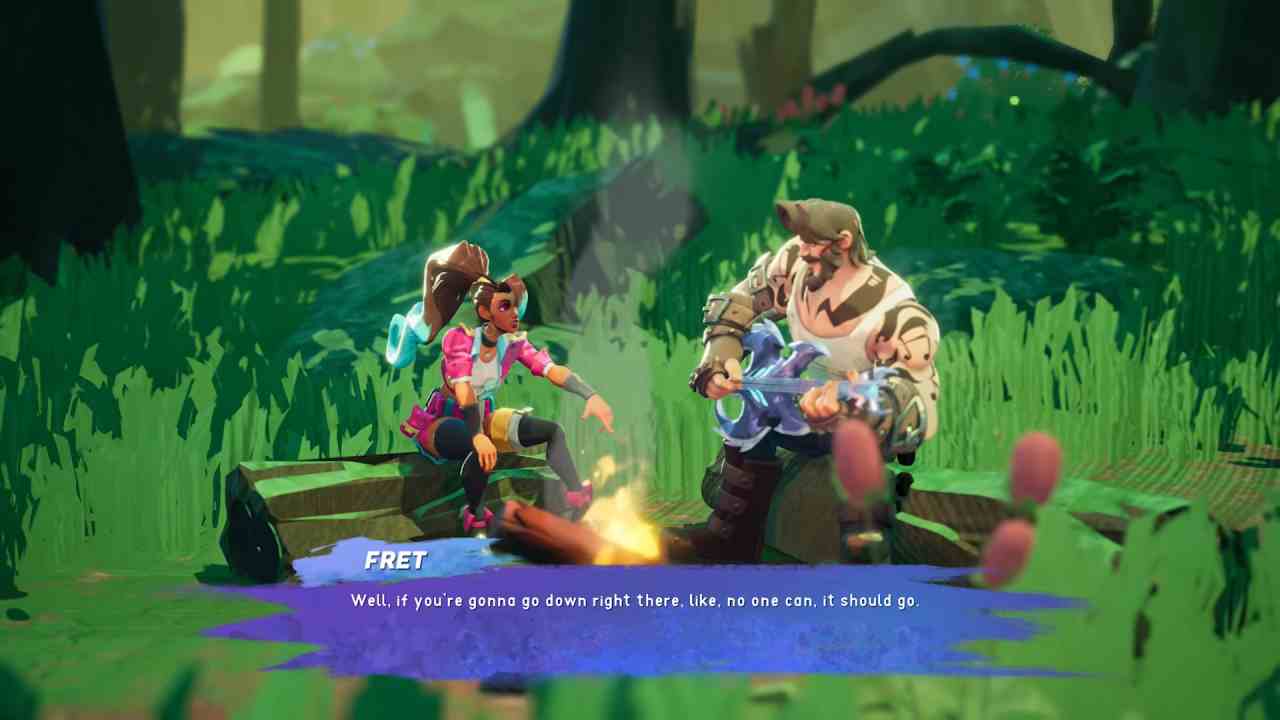
Cel modeling and cartoonish character designs are used. Each city in Note has a unique look that reflects the type of music that is popular there. For example, Durandis, which is in the desert, has buildings with skulls that represent rock and metal, while Luminina's neon-lit, Blade Runner-style look shows that it is an EDM city. The characters are made to look like they do in the music—Cadence wears bright pink pop clothes, and Fret wears a classic rock tank top and pants.
The settings are incredibly realistic and have bright themes that make you want to explore and get lost in them.
When there are cutscenes, pictures stay still, while music videos come to life. These scenes are quite pretty to look at, but they can sometimes make the player feel like they are not doing anything. You can't do anything in these areas, thus the gameplay and story scenes can't be properly merged. These segments are still fun and give players something to look forward to after they get into the plot.
The music in People of Note is pretty good. Each fight track adapts to the type of battle, making the experience feel more realistic. Lex, an independent pop artist, sings Cadence, and her voice adds emotional weight to the musical scenes.
Heather Gonzalez plays Cadence, Jason Charles Miller plays Fret, Erica Ishii plays Cynthia, and Grammy winner Mansa Wale plays Vox. Each band member has their own talented voice actor. Vox even wrote a song just for his character, which made the show feel more real. The music is a key component of the game because you use it to solve puzzles, fight, and explore.
Players feel like they're in tune with the music when they hit the buttons at the right time or in a rhythmic way. The numerous forms of music also keep the game fun. Small musical references in NPC names, city names, and enemy designs add to the world-building and layer in fun and smarts that music and game fans will enjoy.
People of Note is a unique mix of a JRPG and a rhythm game that feels both old and new at once. Its story is sometimes obvious and Disney Channel-like, but it's cute, funny, and has a great group of characters who make it better.
Combat is deep, strategic, and satisfyingly rhythmic, even if some fights feel long or uneven.
Song stones, BP management, and mashup strikes add flexibility and experimentation, encouraging players to think outside the box. Puzzles are fun and rarely stressful, and players of all skill levels can enjoy them because they can skip over parts of the game.
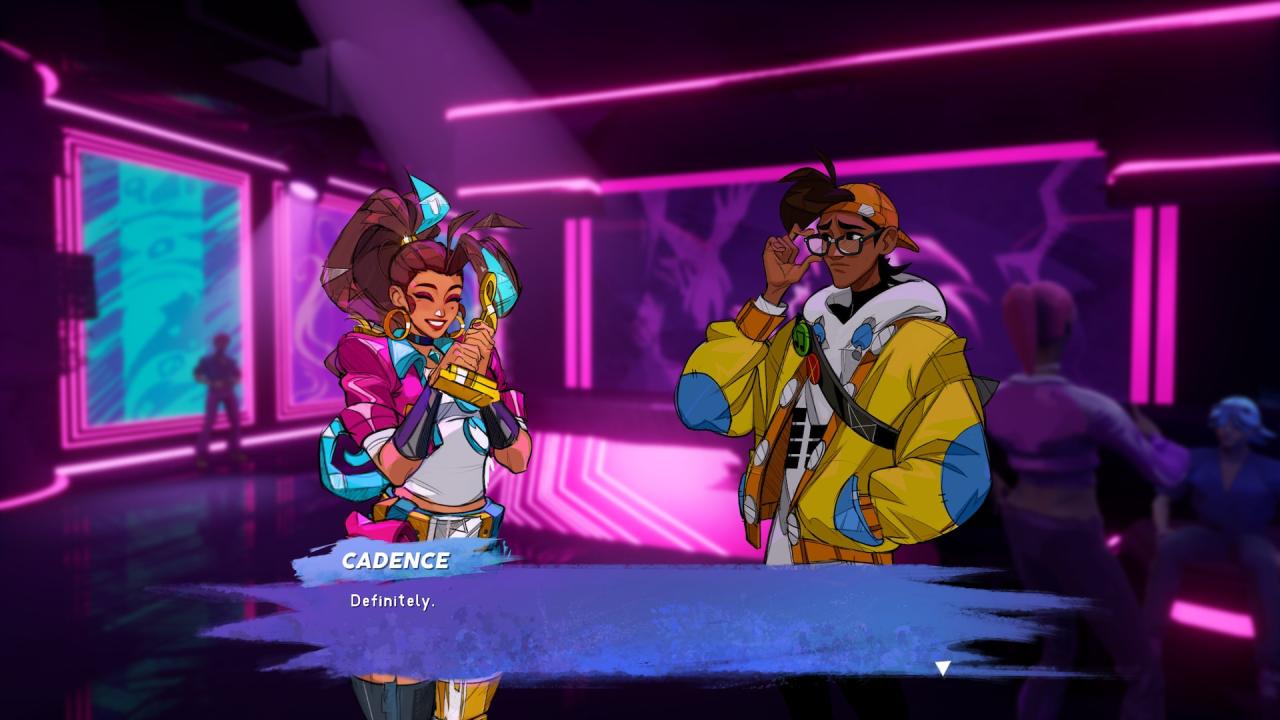
The graphics are bright and well-balanced, and the environments and characters are in line with the music styles they feature. Fully drawn musical scenes are beautiful to look at, but they can't be interacted with much. The music is great and helps you get into the game while connecting the story, world, and gameplay. There are some minor bugs and timing issues in battles, but they never ruin the experience.
In the end, People of Note is a sweet love letter to both rhythm games and JRPGs. It finds a good balance between two types of game mechanics, creating a world where music, strategy, and story work well together.
This game is fun for everyone, whether you like silly shows, old-school turn-based RPGs, or just a good rhythm challenge. It rewards patience and creativity. It's creative, fun, and full of personality. The game made me smile, tap my foot to the beat, and hope for a sequel from a team that clearly loves what they made.
Editor, NoobFeed
Verdict
People of Note masterfully blends rhythm gameplay with turn-based RPG mechanics, offering charming characters, inventive combat, and a vibrant musical world—flawed but endlessly fun, immersive, and unforgettable for fans of both genres.
78
Related News
No Data.