
Planet of Lana II: Children of the Leaf Review
PlayStation 5
A quietly powerful sequel that elevates indie storytelling through art, emotion and elegant puzzle design.
Reviewed by Asura Kagawa on Mar 04, 2026
Many independent games are made out of love rather than for show, and the first Planet of Lana showed that small studios can make emotionally deep experiences that are just as good as those made by big studios. The first game, which was made by the Swedish company Wishfully and released by Thunderful, was praised for its hand-painted environments and story that didn't use words.
It gave you a simple puzzle-platforming adventure that felt more like an animated movie than a normal video game. When news of the game came out, people naturally had high hopes. Wishfully came back with Planet of Lana II: Children of the Leaf three years after the first game came out.
They wanted to expand the world without losing the personal feel of the first game. Sequels often have trouble following up on the success of the previous game, but the studio took on the task with confidence and restraint. Instead of starting from scratch, the makers improved the things that made the first version stand out.
That is how a game that feels both familiar and carefully changed came to be.
Planet of Lana II: Children of the Leaf has a clear design theory from the very beginning. It tries to make the world more emotionally powerful while keeping the games elegantly simple. Instead of making the game too hard, the developers focus on mood, pace, and telling stories through the surroundings. This careful method lets the second part grow naturally from the first.
Planet of Lana II's release also shows how narrative-driven independent games are becoming more popular. It wishfully shows the power of quiet storytelling in a field that is usually ruled by big shows and huge open worlds. Small-scale, artistic and well-thought-out mechanics can make a bigger effect than sheer size, as shown by the studio. The sequel is based on that idea from beginning to end.
There is no direct narration in Planet of Lana II. Instead, the story is told through pictures. Once more, you follow Lana, a brave girl whose kindness pushes her to face risks far beyond her peaceful village life. Mui, a mysterious cat-like companion with ancient powers and a friendly attitude, goes with her on her travels. Their relationship is what makes the whole thing so moving.
At the start of the story, Lana's home world is facing a new problem. A mysterious illness threatens someone close to her, which sets off a trip through forests, ruins, frozen landscapes and buildings that are underwater. Lana goes further into the world, and pieces of history that have been lost slowly start to come to light. These findings give us a glimpse into past battles between technology, nature, and human ambition.
One thing that stands out about Planet of Lana II: Children of the Leaf is that there is no spoken language. Instead of speaking in a way that can be understood, the characters talk with expressive sounds, motions, and tonal cues. Because of this choice in style, the story becomes more like visual poetry. Instead of direct narration, emotions are shown through movement, mood, and music.
The story of Planet of Lana II explores ideas of balance and duty as it goes on. Different groups around the world have used technology in different ways, which is causing problems with growth and living in harmony with nature. Lana's journey slowly shows what happened because of the choices she made. The story is less about beating enemies and more about figuring out how the world's balance is so fragile.
Even though Planet of Lana II: Children of the Leaf is presented in a gentle way, the story has a lot of emotional weight. Moments of danger, finding, and friendship happen in a way that feels like a movie. Since there is no speech, you are more likely to figure out what is going on by watching than by being told.
This way of telling the story makes it global, going beyond language.
Plants of Lana II is a side-scrolling puzzle platformer that combines ways to get from one place to another, interacting with the world, and working with other players. Lana is the main character that you control as she runs, climbs, slides, and jumps through different settings. Because the controls are responsive and purposely easy, moving around won't take away from the experience. There is precision platforming, but it doesn't feel too hard most of the time.
Lana's relationship with Mui is the most important part of the game. You can tell Mui how to connect with devices, turn on mechanisms and change things in the environment. Because of this dynamic, puzzles become group problems where both characters have to work together. They feel connected emotionally and the system makes that happen.
Planet of Lana II: Children of the Leaf has a small but important part about exploration. Care has been taken to frame each area so that it draws your attention without being too pushy. Lighting, environmental cues, and character movements all subtly show you what you need to do. This well-thought-out design makes the experience immersive while still making it easy to access.
When there are chase scenes, there are sudden bursts of action that break up the slow pace. At these times, Lana has to act quickly to get away from dangerous machines or the surroundings. The scenes are visually dramatic, but easy to understand how they work. Their job is to make things more intense without being too much for you.
Changes to the surroundings, like being able to move around underwater, add another layer of gameplay. Lana has to come up with clever ways to get Mui across the water in these parts because the little creature won't swim. In these parts, new puzzle options are introduced, and the characters' personalities are strengthened. Also, they keep the trip from becoming boring.
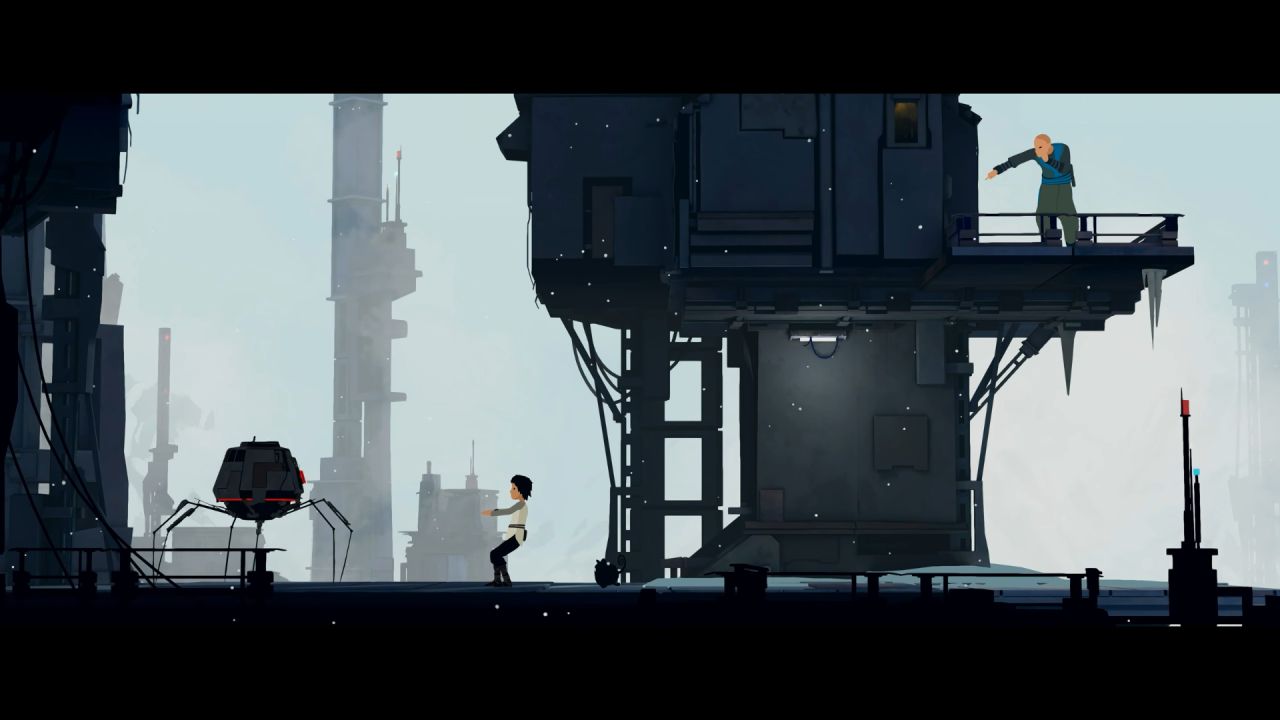
The lack of combat in Planet of Lana II is on purpose. Instead of using standard game mechanics to beat enemies, you must outsmart threats by being sneaky, timing their moves and interacting with their surroundings. In some places, hostile machines watch, so Lana and Mui have to carefully plan what they do. There is tension because people are trying to avoid conflict.
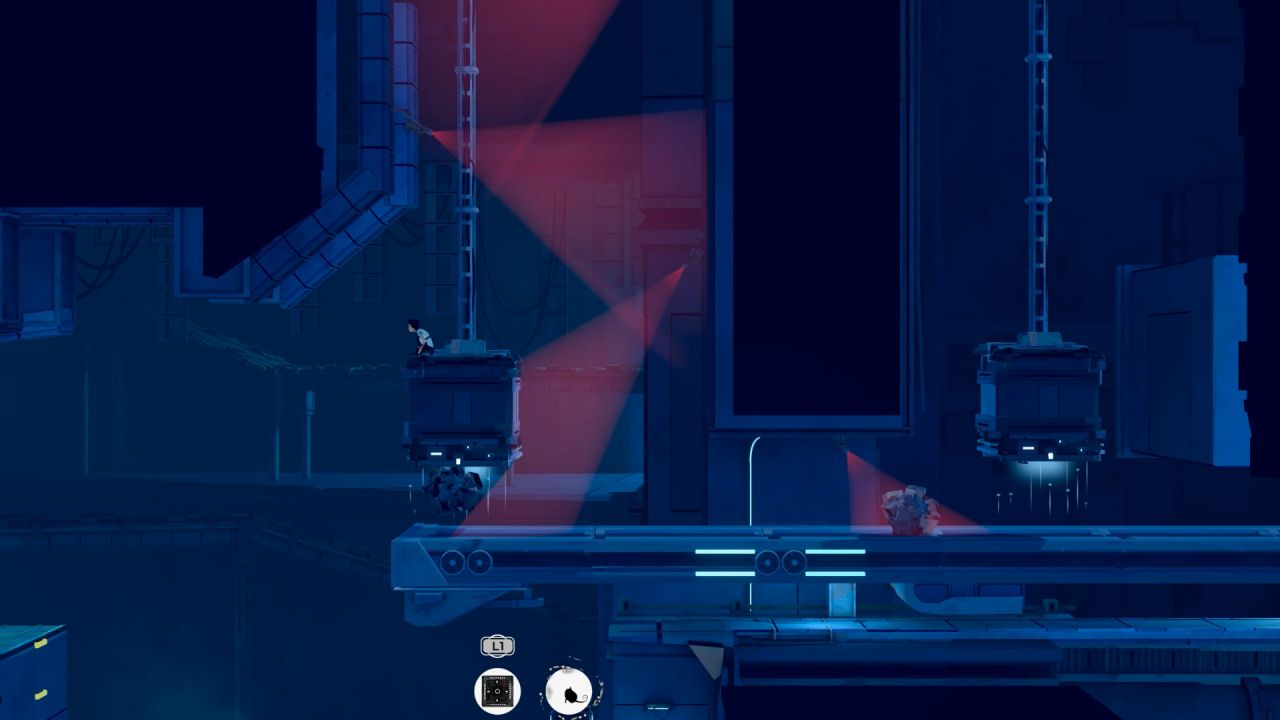
A lot of puzzles involve turning things on or off, moving platforms, or controlling things in the surroundings. These options are greatly increased by Mui's skills. The creature can talk to tools or control some animals, which lets it get to places Lana could never get to on her own. These features make it easy to try new things without being too complicated.
Some puzzles give you the chance to briefly control animals in the environment.
For instance, animals that live in water might release clouds that make it hard for enemies to see, letting Lana pass easily. Other creatures help move fire or get to faraway places. These exchanges give otherwise simple platforming ideas new and interesting twists.
Planet of Lana II: Children of the Leaf's layered puzzle design makes sure that the tasks get harder over time. In early puzzles, easy rules are introduced and then put together in more complicated ways. This progression keeps things from getting frustrating while still giving you satisfying times of realization. It is usually clear to players what the game wants them to do.
On the other hand, some parts with controlled creatures go on longer than they need to. Tight deadlines in small areas can temporarily throw off the otherwise smooth flow of things. There aren't enough of these times to throw off the experience. Still, they're one of the few places where the design feels a little too broad.
The best thing about Planet of Lana II's puzzles is how clear they are. The camera always shows both important things and dangers on the same screen. It is not often that you have to guess where to look or what might be important. The attention stays on solving problems instead of making mistakes because of this openness.
The way Lana and Mui work together makes the experience even better. A lot of puzzles depend on the two characters working together perfectly. Timing commands and making sure both partners are in the right place at the right time becomes a fun mental practice. With this system, easy rooms can be turned into complex challenges.
Still, the way Mui is controlled sometimes causes small conflicts. It can feel slower to control the thing with a cursor than to control Lana directly. This wait isn't usually a big deal, but it can get in the way of the natural flow of solving puzzles. Luckily, the makers have limited the high-pressure situations that need Mui to move quickly.
Overall, Planet of Lana II: Children of the Leaf does a great job of being both easy to play and fun. It's still possible to understand puzzles without them becoming silly. It's important to pay attention and be on time when putting clear ideas into action. That mix keeps the adventure interesting the whole time it's going on.
Planet of Lana II does not use traditional ways to grow, like skill trees or experience points, as many new games do. The design puts story flow ahead of mechanical buildup on purpose. You do not level up, get new fighting skills, or grind resources. Instead, you move forward by solving new puzzles and interacting with the surroundings.
This choice makes the game's pace feel more like a movie.
It doesn't feel like each new mechanic is just an extra way to play, but rather like it fits in naturally with the story. As Lana goes to new places, the game changes in small ways to match her trip. The story stays focused and moves quickly because there is no grinding.
There are secret items and collectibles hidden all over the game's settings. These finds make you want to learn more without changing the flow of the story. Finding them gives you a sense of accomplishment rather than a practical benefit. A gentle award system is used instead of a forced one.
Planet of Lana II: Children of the Leaf stays true to its identity as an experience-driven game by not using traditional ways to grow. The main focus is still on mood, story, and puzzle design. It's nice to see some restraint in a business full of upgrade systems.
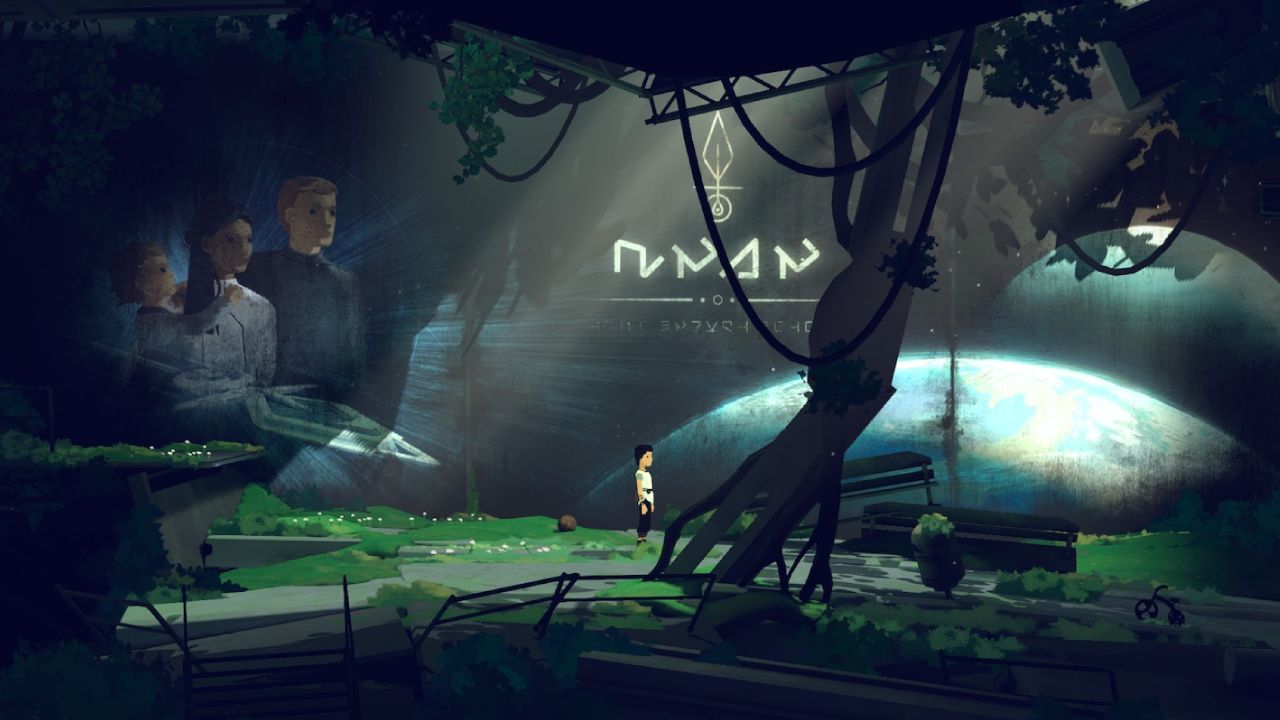
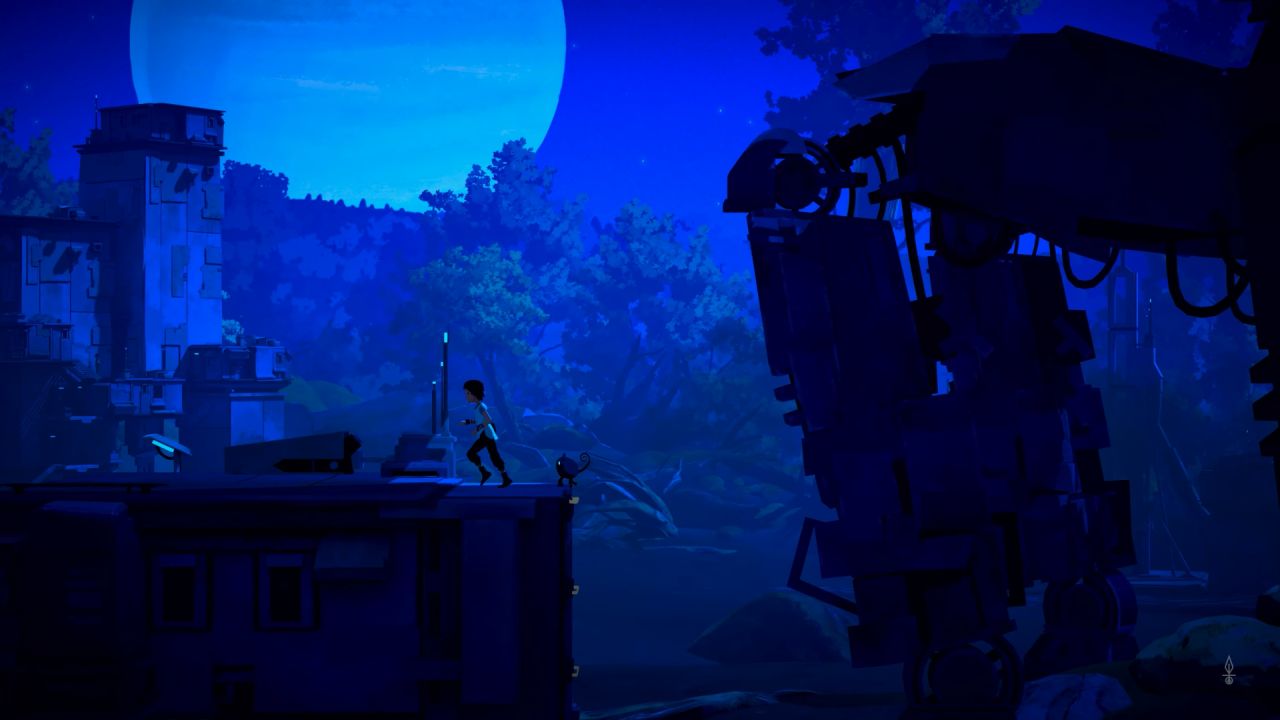
Planet of Lana II is one of the most beautiful independent games to look at in recent years. Each environment looks like it was painted by hand, more like a live illustration than a normal digital landscape. A lot of depth is created by soft textures, layered backgrounds, and gentle lighting effects. As a result, the world feels both strange and familiar at the same time.
The range of environments is much greater than in the first game. You go through lush forests, frozen mountains, underwater ruins, and towns that are far away. Each place feels different, but they all fit together in the bigger artistic concept. The developers paid a lot of attention to color balance and design.
Character movement is also something that should be praised. Lana and Mui show how they feel by making small movements, changing their stance, and making facial expressions. Even though they aren't talking, their movements show that they are interested, scared, and determined. These details make the emotional link between you and the characters stronger.
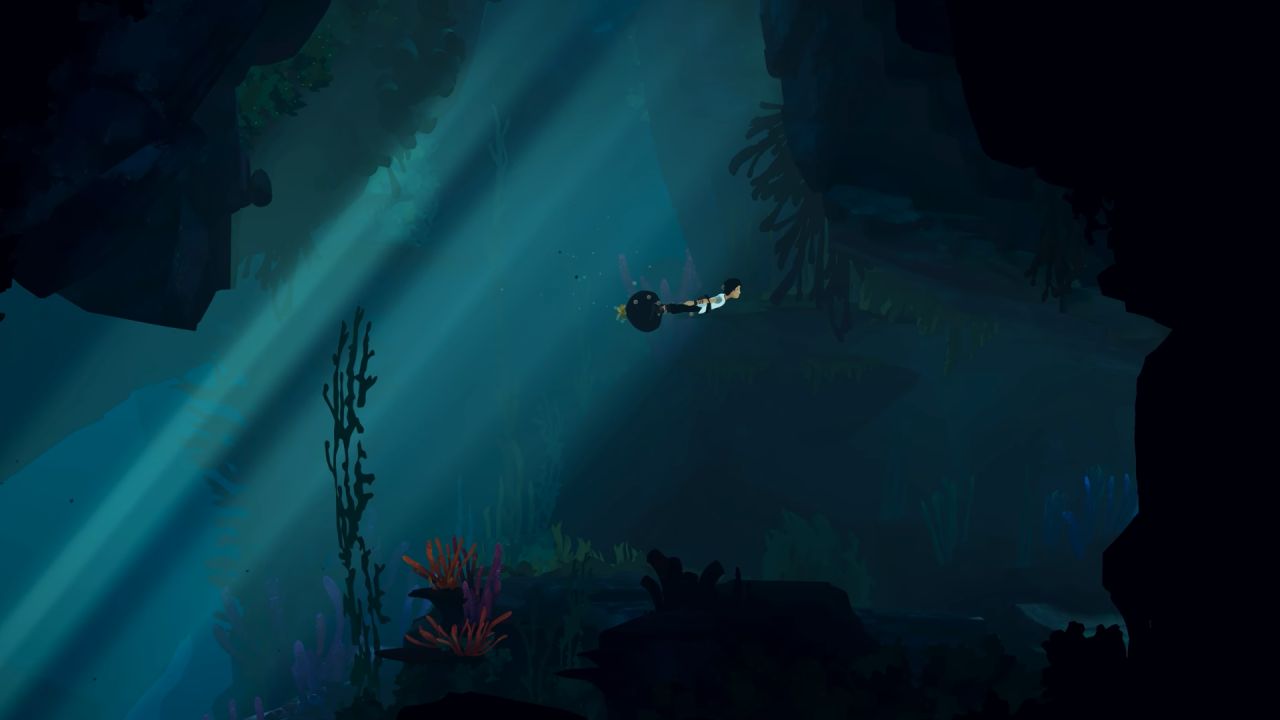
The way the game guides your attention visually is another amazing feat. A lot of the time, characters look at important things or respond to movement far away. These minor cues help you find your way around without being annoying. The end result is a beautiful way to tell a story visually.
To put it simply, Planet of Lana II looks amazing. Every scene could pretty much stand on its own as a work of art. Not many independent games are able to combine artistic vision with technical skill so well. One of the best things about the game is still how it looks.
The sound creation is just as important to the character of Planet of Lana II. The orchestral music has a movie-like quality that makes emotional scenes stronger. Exploration is accompanied by quiet sections, and chase scenes are heightened by dramatic swells.
The music never takes away from the experience; instead, it always makes it better.
Because there is no standard dialogue, vocal performances are even more important. Melodic sounds and emotional tones are used by characters to talk to each other. It's surprising how clearly these sounds show purpose and emotion. You quickly learn how to figure out what these sounds mean.
Environmental sound also makes realism much stronger. Wind echoes through caves, faraway machinery hums under old ruins, and forests are full of quiet activity from animals. Each sound makes the world seem bigger. Even when it's quiet, the atmosphere feels alive.
All of these parts work together to make a soundscape that goes well with the game's beautiful graphics. The sound in Planet of Lana II isn't just there for looks; it tells a story. This creates an experience that stays with you mentally long after the last scene is over.
Planet of Lana II: Children of the Leaf does well because it knows what made the first game good. Instead of trying to add bigger features or louder shows, the developers are working to improve the things that make the series unique. The world in the sequel is bigger, but the closeness that made the first game so unique stays the same. This careful balance makes the whole thing better.
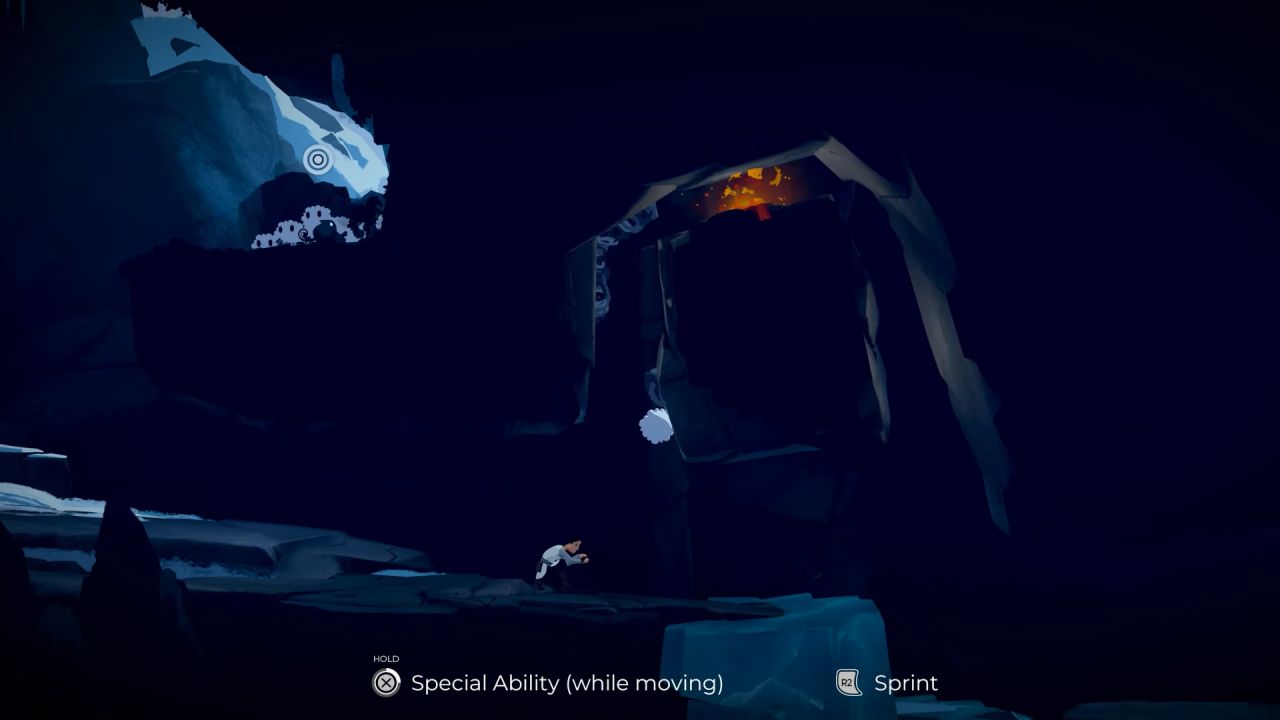
Lana and Mui's relationship continues to keep the story emotionally stable. The dangers around them are beautifully balanced by the warm times they share with each other. Few games are able to make such strong links through visual storytelling alone. This success makes the game stand out on its own.
Mechanically, the puzzles stay serious and interesting all the time. The design isn't perfect because there are some pacing problems and some creature control segments that go on for too long. But these flaws aren't very noticeable when you look at how well the whole thing is made. The game has a steady beat that keeps people interested.
Planet of Lana II: Children of the Leaf, most importantly, shows how focused design can lead to creative ideas. Because the creators put atmosphere, art, and story first, they make something truly memorable. The game isn't the biggest or hardest of the year. It could be one of the most beautiful, though.
Staff Writer, NoobFeed
Verdict
A breathtaking indie sequel that blends artistry, emotional storytelling, and elegant puzzle design. Planet of Lana II: Children of the Leaf refines everything that made the original special, delivering a visually stunning and heartfelt adventure.
79
Related News
No Data.