
Pragmata Review
PlayStation 5 Pro
A smart take on making sci-fi genres that don't always believe in their own ideas.
Reviewed by Nusrat Choity on Apr 13, 2026
Pragmata seemed like one of those games that might never come out for a long time. It was talked about, then went away, then came back, and then fell silent again. In a field where delays are common, people's expectations quietly changed from being excited to being cautiously curious.
When it finally came out, the question wasn't just whether it would be good, but also whether it would be worth the wait of years. The fact that it's not connected to any other brand makes its arrival more interesting. Big companies don't try new things very often these days, especially when it comes to action genres, where tried-and-true formulas are the norm.
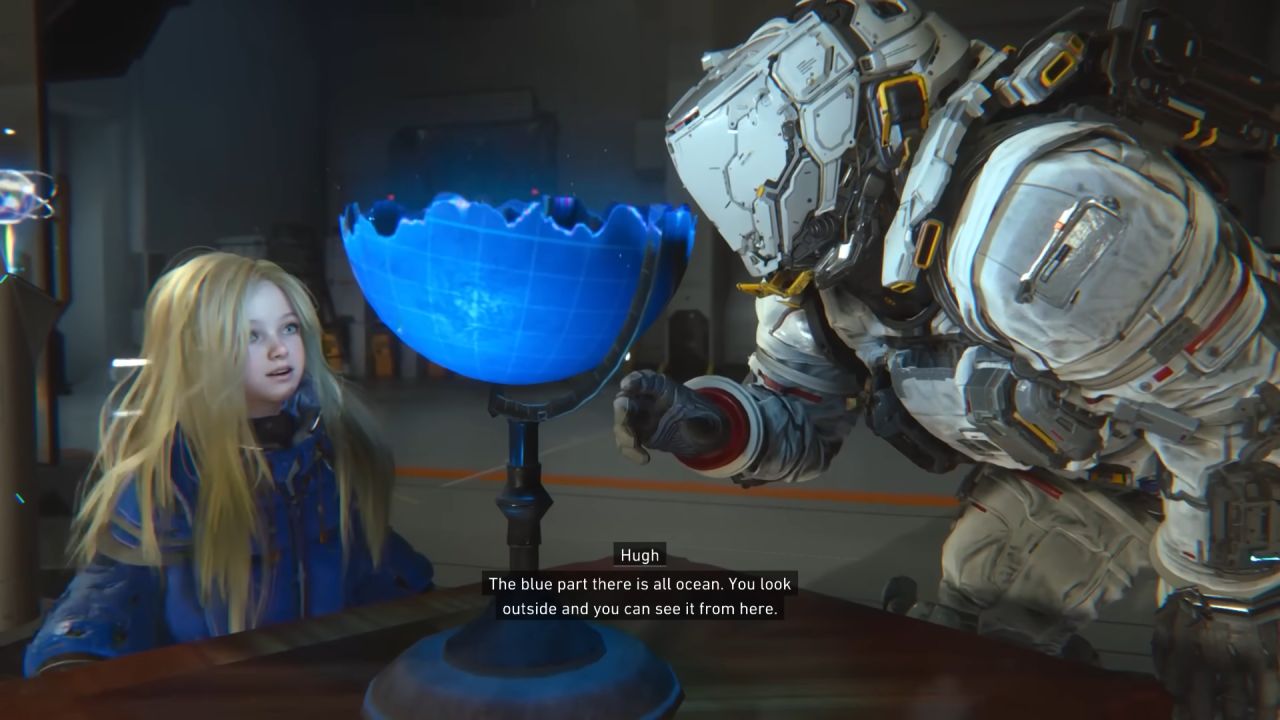
When Pragmata comes up with something that tries to be different, it stands out right away, even before the first shot is fired. Hugh Williams, a specialist sent to look into a lunar study facility called the Cradle, is the main character of the story. The station was meant to push technology to new limits.
It was built around a powerful resource that could make almost anything. It stops making any noise at all. As soon as they get there, everything starts to fall apart. Hugh is separated from his team by an accident, and it doesn't take long for the station to become infested with hostile machines and a bad AI system. During this chaos, he meets Diana, a robot that was made to look like a girl.
The girl isn't just going along for the ride. We couldn't make progress without her.
Diana's skill at hacking into the station's systems and, more importantly, its enemies' systems is what keeps them alive. The story then goes on through a broken world where both people depend on each other in very different ways. There seems to be only one goal: figure out what went wrong and get back in touch with Earth.
But what's really important is how this strange pair deals with each other as time goes on. The main ideas are ones you've heard before. Some bad AI, too much government control, and the risks of uncontrolled technology are always there, but they never really take the lead. The story then focuses on the bond between Hugh and Diana, which is where it feels most at home.
Their relationship is a lot like the typical one between a parent and a child, but it works because it grows naturally. The environment is cold, but Diana's interest and childish behavior make it feel warmer, and Hugh changes over time from a cold professional to someone who is more caring and open emotionally.
The message isn't subtle and doesn't try to be, but it works. The bigger story, on the other hand, stays too safe. A lot of the background information is given through logs and vague notes, which can feel unrelated to the main experience. The mystery moves along slowly and doesn't really surprise us.
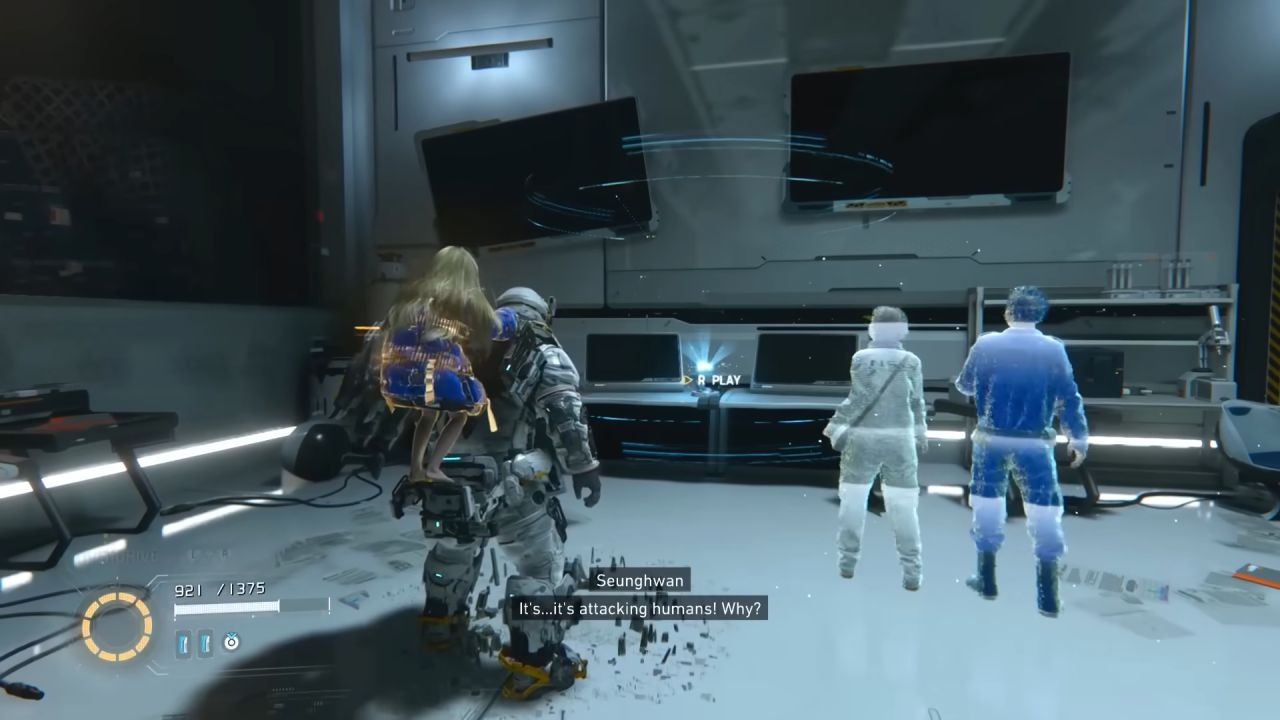
Anyhow, the emotional link between the two main characters is strong enough to keep things interesting all the way to the end. Pragmata looks like a third-person shooter you've seen before at its core. Moving, aiming, and using weapons all follow well-known patterns, and the way you move from one battle zone to the next is also easy to understand.
Everything changes when the hacking system comes into play.
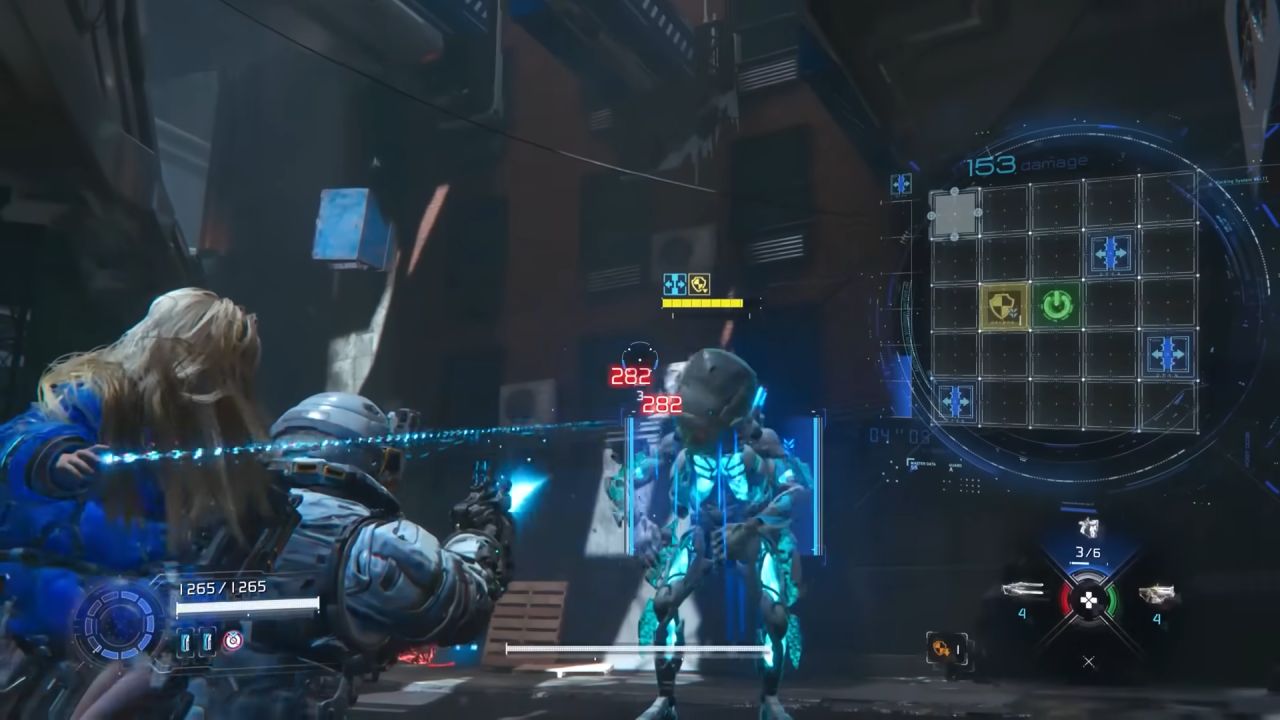
Combat is based on being able to do two things at the same time. You are in charge of Hugh and telling Diana to hack enemies in real time. When you aim at an enemy, the game doesn't stop the action; instead, it adds a grid on top of it, and moving through it is just as important as shooting your weapon.
This is not a different part of the game. The tech is here. You're always moving between both layers, focusing on both avoiding attacks and planning a way through the hacking grid. It takes a while to get into the beat, but once you do, the game feels different from others in the same genre. The idea behind combat is easy, but it's surprisingly hard to do in real life. It won't help to just shoot.
The enemies are designed to be immune to damage unless they are hacked first. This makes every fight a small puzzle. Most of that thought takes place on the hacking grid. You have to lead Diana through a network of nodes to a spot that shows where an enemy is weak.
There are optional nodes along the way that make you more vulnerable, add effects, or activate extra powers. How you move through that grid is important, especially when a lot of baddies are closing in. Early meetings give everyone a lot of room to breathe.
Attacks are easier to read, enemies move more slowly, and the hacking system seems doable. But that ease goes away as the game goes on. As battles go on, different kinds of enemies appear, and each one acts in a certain way, making it necessary to make quick choices.
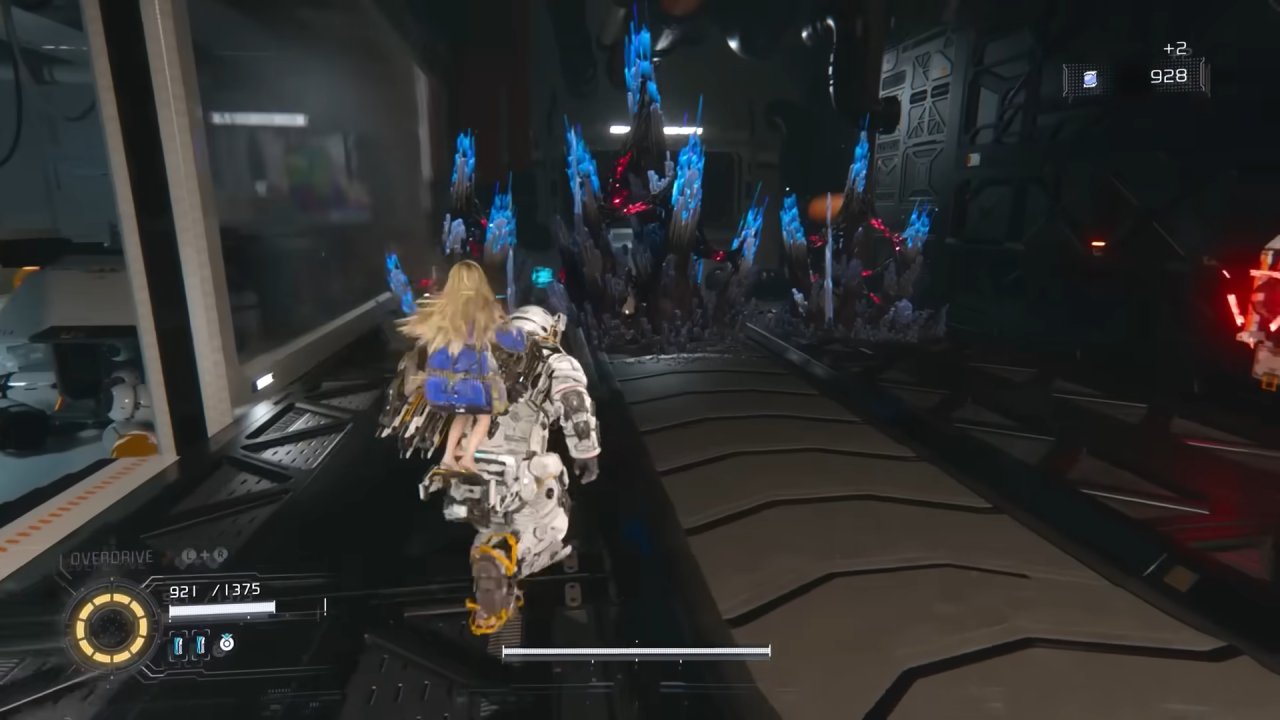
Some enemies make it impossible to hack until certain parts are killed. Some attackers use sneaky moves that stop progress if you aren't paying attention. While projectiles are flying in, grids are changing, and enemies are getting closer, the system feels best when all of these things come together.
It makes things tense without depending only on speed.
The way powers are used also adds a level of strategy. Hacks that affect more than one target can turn groups of enemies against each other or damage them all at the same time. Others can only be used once, so picking the right time to spend them is part of the task. It's not enough to just get through the grid; you have to do it quickly.
With that said, the method does have some flaws. Hugh's movements can be heavy, and he may not move at all when he's in a tight space. Dodging or changing course mid-jump doesn't always succeed. It's alright without it, but it stands out when busy.
Later on, you can also see the repetition. Even though new types of enemies are added, the way battles are set up doesn't change much. The original novelty of the dual-system combat starts to wear off a bit as the same patterns keep happening. Still, the main idea is strong enough to carry most of the experience. Exploration and fighting are very important to progress.
As places are cleared, resources are gathered and used to make Hugh and Diana better. Their skills improve at the same time, which supports the idea that one can't work well without the other. Hugh's upgrades help you stay alive longer and make weapons work better. Diana's improvements give you more options and make hacking more useful.
This split evens out growth and makes people want to look at both sides, not just one. The main place for improvement is the Shelter. It's more than just a food place. That's where the mood changes, making it easier for Hugh and Diana to talk. Not only do these breaks make things more interesting, but they also make their relationship stronger in a way that feels normal.
There are also different ways to handle advancement. You can always move forward in the story, but you can also go back to earlier places to get more resources or try out different builds. Because enemies come back, gathering supplies doesn't feel like a chore.
The system isn't too hard to understand, but it gives you enough options to make changes feel worthwhile.
Pragmata is set up to feel like a guided experience, but it doesn't feel limiting. There are multiple ways to complete each level, as well as hidden places and optional goals that encourage exploration. Exploration and growth go hand in hand.
Upgrades and materials that are useful are often hidden in places that aren't clear. This makes the game slower for people who are willing to look around. Diana can scan to find things close, but that doesn't mean you don't need to know how to get to them. Moving around is also important here.
Hugh's thruster-based traversal lets him move quickly for short periods of time, which makes vertical areas and new routes possible. As upgrades make these skills better, going back to older areas is more fun.
The only real problem is getting around. It's easy to get lost because the guide doesn't always show the right way to go. This is very important when going backward. A tracking system can help you find things, but it can't get rid of all the trash that builds up when you move from one place to another.
In spite of that, exploring is still one of the best parts of the game.
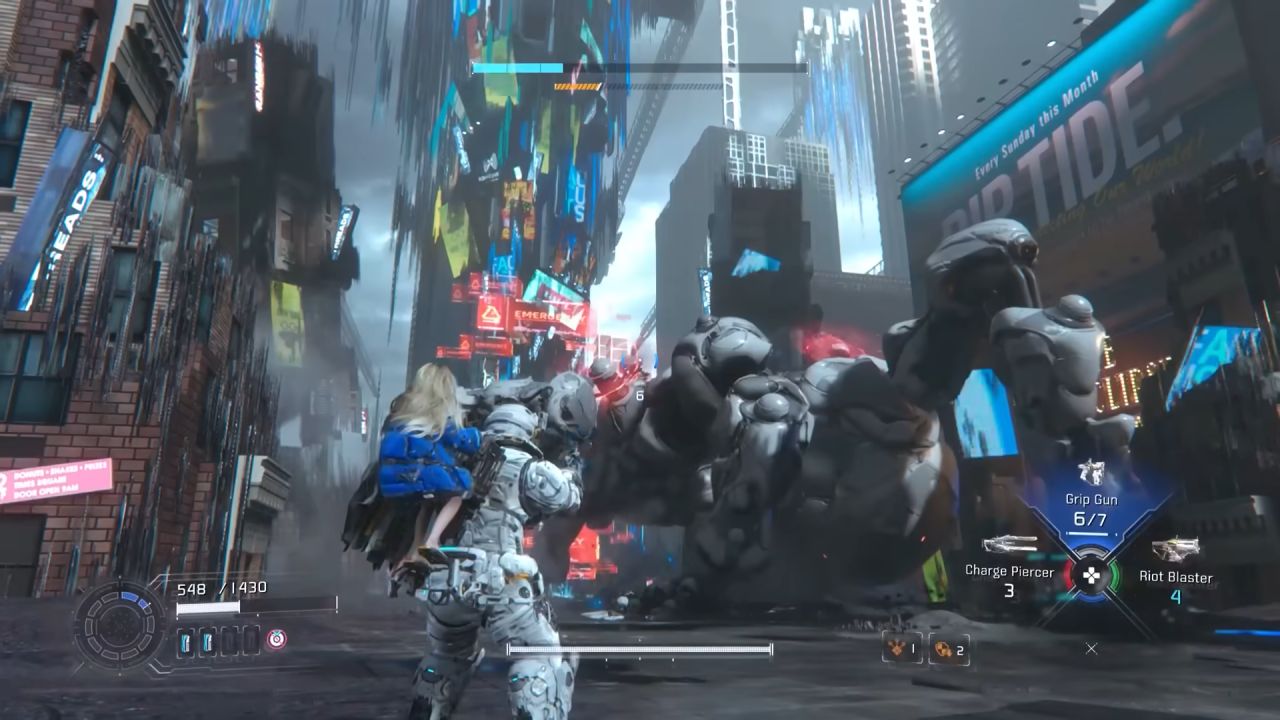
The way Pragmata looks is very striking. The setting alternates between cold, industrial rooms and fake versions of familiar places, making a contrast that is meant to be unsettling. You go from walking through clean hallways to standing in a place that looks like a city street or a forest, but there's always something a little off about it.
The mix of realistic and fake graphics gives the game its own unique look. The setting and skill with which the picture was made really stand out. The world looks smooth thanks to reflections, realistic background textures, and character models.
Most of the time, the game runs easily, with only minor visual glitches that don't really take away from the experience. Even though enemy designs do different things, they can look alike sometimes because they all came from the same place. It's a small problem, but you can tell when you play for a long time.
While not drawing too much attention to itself, the sound design adds to the mood. Environmental sounds enhance the sense of isolation, yet fight sounds remain crisp and responsive. The Shelter's music stands out the most. It makes the room feel calm and romantic, which is very different from the tense outside.
These quiet spots help keep the general pace even. Especially with Diana, voice acting gives them even more power. Her acting is both interesting and emotional, which helps the story make sense. The way she and Hugh talk to each other feels normal, which helps make their relationship seem real.
Everything in Pragmata is built around one great idea, which is one of its best features. When you hack and shoot together, you get a new way to play, even though most of the rest of the game is the same. The ideas of the story don't go as far as they could, but the connection between the two main characters makes it strong.
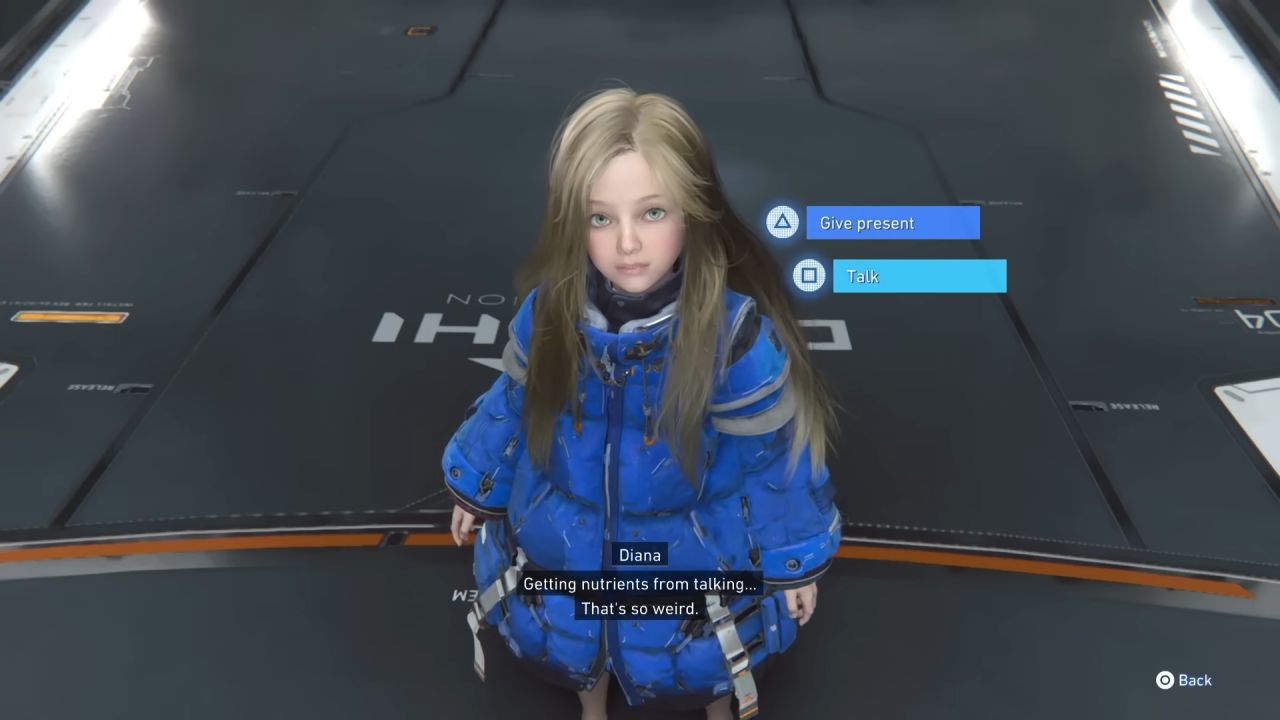
That link adds enough emotional weight to keep the story going, even though the main plot is clear. There are problems. Movement can feel choppy, later parts feel like they're repeating themselves, and it's not always easy to find your way around. But these problems don't take away from what the game does well.
When Pragmata works well, it creates times that feel truly different—moments when handling two systems at once is easy, and everything fits together perfectly. That level of excitement isn't always there, but it's there enough of the time to make a mark. This genre doesn't change the genre, but it shows that new ideas can still be added to it.
Contributor, NoobFeed
Verdict
Pragmata is a smart and interesting sci-fi shooter with a truly new fighting system. The story is a bit safe, and the same things happen over and over again, but overall it's a memorable experience.
72
Related News
No Data.