
Annulus Review
PC
A dark-fantasy tactical RPG with sharp battlefield ideas, strong atmosphere, and a progression model that both rewards patience and tests it.
Reviewed by Maisie Scott on Apr 09, 2026
Annulus is a free-to-play dark fantasy strategy game from Hong Kong company NIRVANA that makes a clear statement about its genre. Its appeal is based on medieval violence mixed with Lovecraftian unease. The game doesn't try to be new from the start, but it knows how to present itself well by starting with cinematic staging, dark production design and a world that makes you think of war before you even learn all the details.
That start is important because for these kinds of projects, the creative idea must be clear within the first hour or they fail. It's clear what the main point is here: war is ugly, life is transactional and tactical decision-making is how the game shows both. Not just newness is what makes Annulus popular early on; editing is also a big part of it.
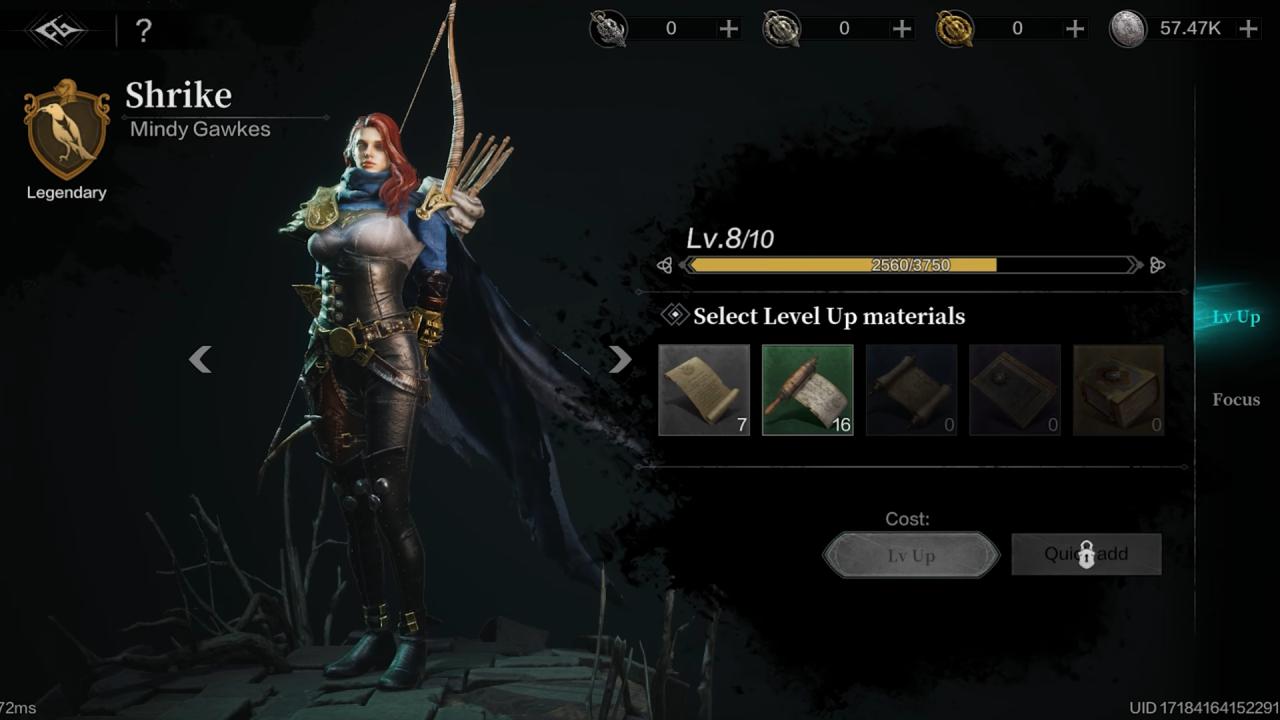
The structure of current free-to-play tactical RPGs is one example of how NIRVANA has taken elements from well-known genre templates and given them a harsher visual grammar and a more grounded military tone. The experience doesn't try to hide the fact that it's based on a mobile phone; daily systems, roster building, recruit loops and long-tail growth are all built in. But the game seems more than just a generic product in a dark coat because of how well it builds its world and how it designs its battles.
Wade is the main character of Annulus.
He is a mercenary captain who has to find his way around the war-torn continent of Noviseth, where political divisions are more important than simple racial categories and every partnership feels temporary. That is one of the story's smartest moves, because it makes the world seem politically divided rather than cartoonishly split into clear moral camps.
Instead of the usual species war, humans, orcs and other forces in the game have goals that overlap, which gives the setting more depth right away. On top of the political unrest is a current of cosmic fear that starts out as something subtle but becomes more obvious as the story hints at horrors bigger than war. When looking at mood, pacing and structural promise, Annulus's storytelling works well.
However, when looking at dramatic urgency, it falls short. Cinematics and dialogues written in this style of visual games do a good job of setting the mood, and side quests offer a bigger picture in the world beyond the main route, especially once the map is opened and tensions between factions are clearer. The stronger story hook is the effect, since decisions seem to change reputation, story branches and chances to win throughout the campaign.
The weaker part is the beginning, which spends too much time on guided training and not enough time on a genuinely captivating early dramatic payoff. Annulus is about preparing for a fight, moving through the map, pushing the story forward, interacting with the world in optional ways and the long work of building an organization of mercenaries that can do their job.
The camp slowly opens up the game's larger infrastructure, such as systems for leveling up, recruiting, crafting and managing characters that add to the strategy metagame. On the world map, you can move forward by doing combat missions, story nodes, side activities, towns, camps and reward loops that make it easy to take shortcuts even when the main road is clear.
This layering adds a nice amount of detail to the game, and it makes the world feel more alive instead of like a list of random events.
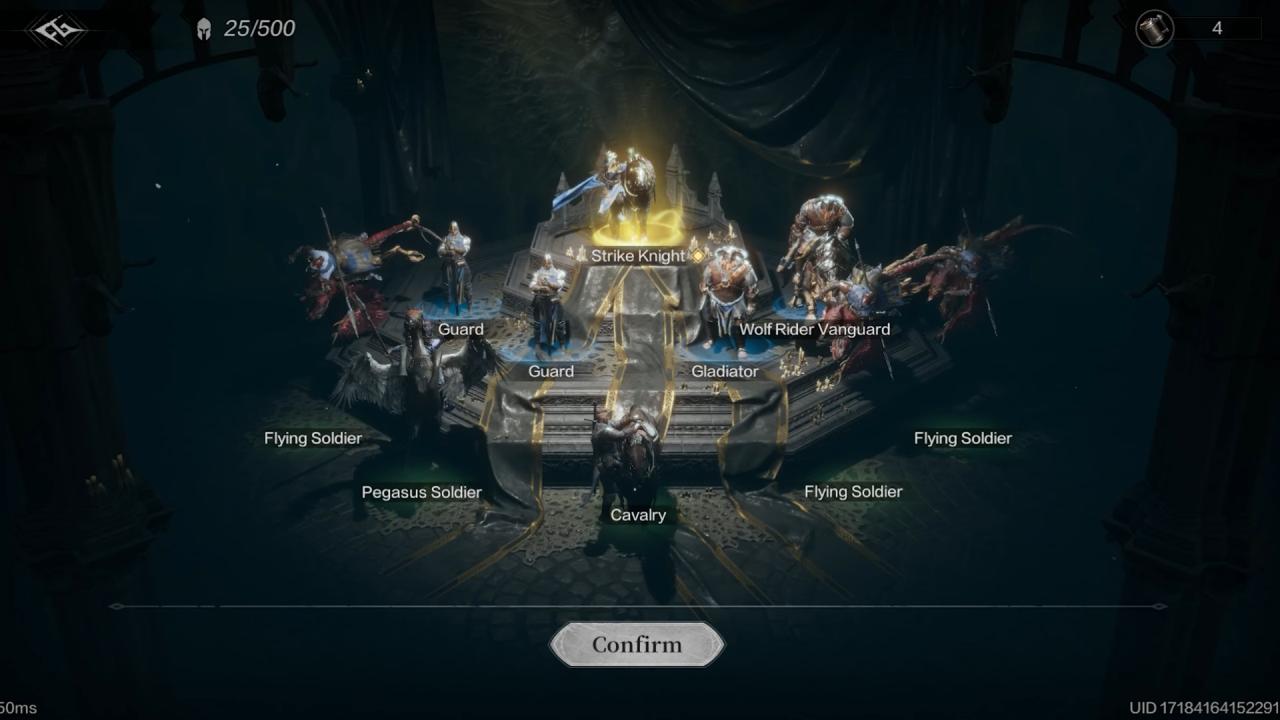
This game also makes it clear that the personality of the roster is important for keeping players. It feels like character classes are based on how they work on the battlefield rather than how they look. Unit evolution paths, on the other hand, let you build a team around your favorite habits rather than just making the numbers look better.
As an example, a sorcerer can specialize in different elements, guards can take on more offensive or defensive roles and story-connected characters have their own development rules. This makes for a good balance between customization and authored design. The problem is that too much of that expression is blocked by a long tutorial rhythm in the early hours, which delays the point at which exploration turns truly exciting.
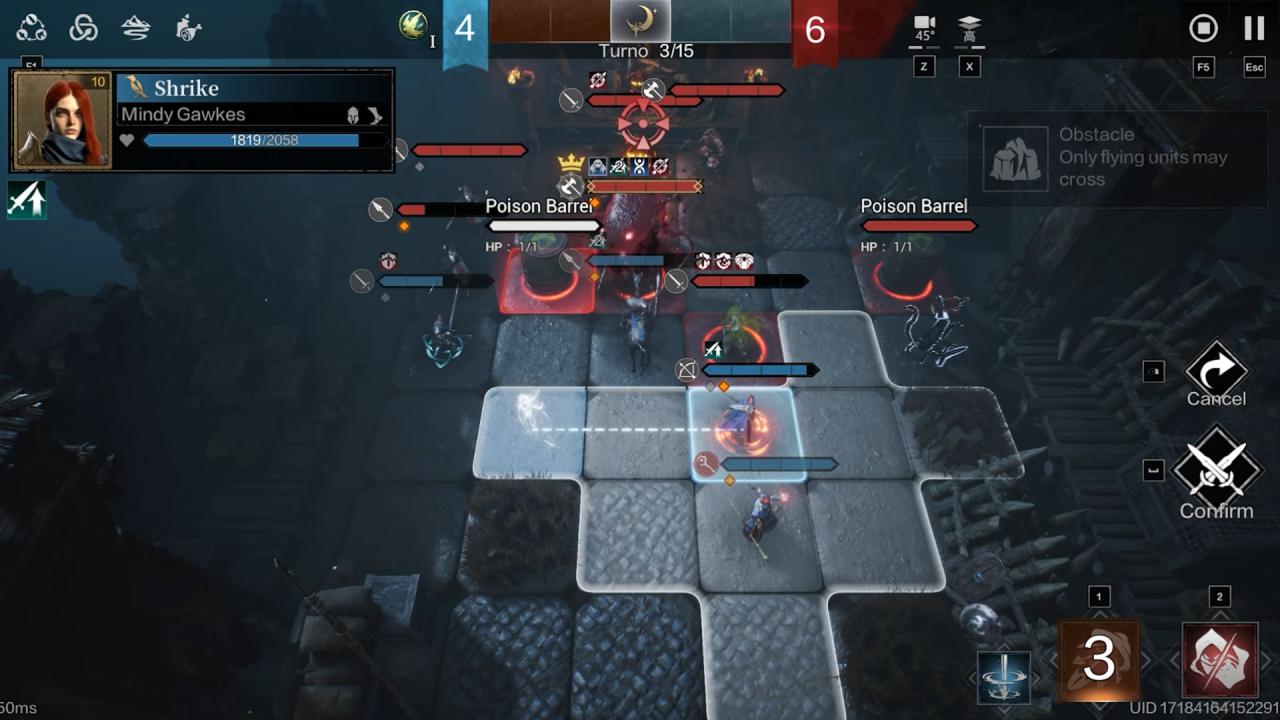
Annulus's combat is grid-based and turn-based, and its basic structure is instantly familiar. Positional tactics, class roles, advantage systems and ability timing are at the heart of every fight. But being familiar with something doesn't mean you're weak, especially when encounter design knows how to use old ideas in new ways.
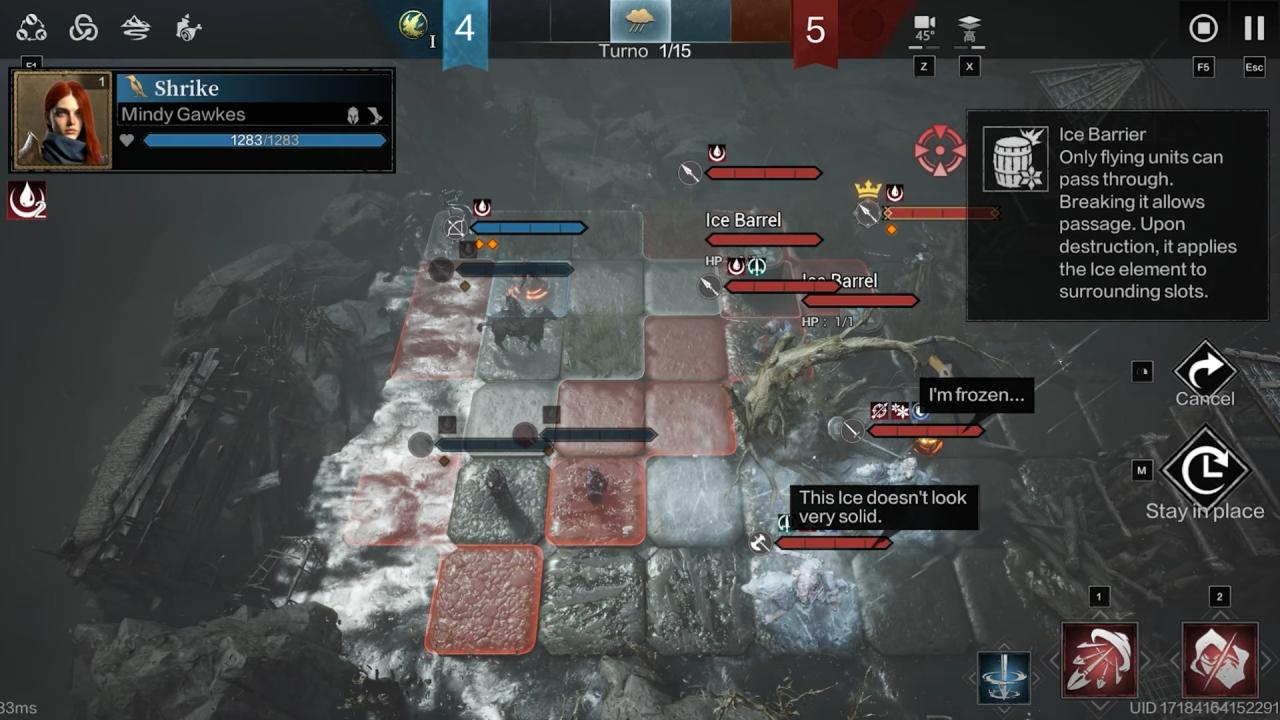
Adding environmental aspects that change the way you play across chapters is the best thing the game could have done. This would have made terrain and tile effects more useful than just looking nice. There are healing spaces, brief battlefield buffs, traps, line-of-sight issues and movement restrictions that make you rethink their formation compared to just going with the flow of the game's main strategy.
Critical praise for Annulus really shines here, since the toughest fights don't just need better stats. They want better reading, more space between words and a more mature understanding of what each unit does when there is stress. Archers are important because they can reach, guards are important because they can control the pace, cavalry are important because they can project threats, and sorcerers are important because a group that doesn't have magical answers can fall apart quickly.
This makes a battle model with clear roles, which is much better than one with too much complexity that looks like depth.
The coolest thing about Annulus is that the battles feel like they were written by a person, not a computer. Many tactics games say they grant strategic freedom but actually reward using the same simple strategy over and over again. This game, on the other hand, really tries to change the battle rhythm by using chapter features, changing field conditions and roster interactions that punish being lazy.
It is well liked how hard that design is; it makes one feel like each plan wants to be solved on its own, not by using what you've learned before. That's the exact level of discipline a serious tactical RPG needs to keep people interested after the initial buzz of launch. The limits are also clear. While the controls aren't particularly beautiful, they do the job.
The learning curve is too steep for too long, and the free-to-play structure could ruin the tactical loop by adding boring tasks and limits on progress. The game also has a big usability problem: its systems don't get stronger until the initial friction goes away. This means that some of you may quit before the design fully shows off its strengths. At the same time, that's a business risk, since strategy games don't usually get a lot of chances to show how good they are.
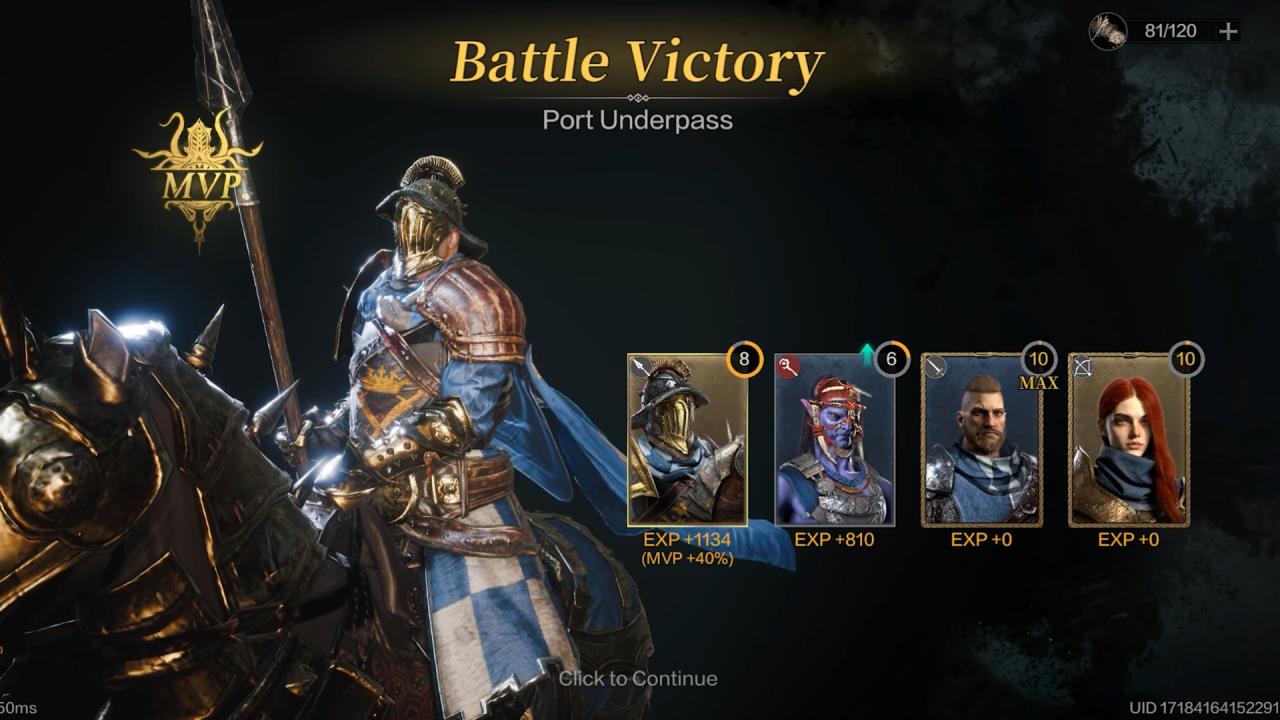
In Annulus, you can move forward by completing battles that give you experience, materials, currency and the chance to improve your class. The game also has repeatable content that seems to be built to support the long grind that comes with the free-to-play model. It's not a side effect to repeat battles to get higher ranks, better resources and more account development; it's part of the game's intended rhythm, and it never acts like it is.
With extra systems like recruitment, duplicate-driven enhancement, rank promotion and role evolution, accumulation becomes one of the most important sources of power. This has a direct effect on gameplay, since strategic awareness is important in a fight, but as an account grows, it gradually gives you more good options.
Still, the progression plan works both ways.
On the one hand, it builds long-term loyalty by making every fight feel genuinely important, even when the story moves slowly or a certain map is hard. On the other hand, it brings up the common free-to-play worry that time is being carefully stretched, especially when tutorials, daily structures and minor victories start to pile on top of each other.
The design works, but it's not invisible, and the smartest of you will notice when you feel like you have to work to stay engaged, other than having it feel normal. The game has some of the best graphics in its genre. Its lighting, weather, battlefield detail and character silhouettes are all driven by Unreal, which makes the world feel rough, lived-in and severe.
Besides using too much decoration, the art direction sells fear through restraint, with mud, steel, fire, darkness and broken-down landscapes doing most of the emotional work. The way the battlefields are framed has a high-end feel, especially when environmental effects interact with the game's rules and make visual information useful for strategy.
This last point is very important, because in a strategy game, visual beauty is much more useful when it makes the text easier to read than when it's just there for looks. The sound design isn't as flashy as the visual design, but it does what it's supposed to do. The music goes toward dark and dramatic tones that add to the feeling that the world is increasingly militarized and hopeless.
Combat sounds and background noises add to the tension without getting in the way of making decisions. There's nothing cheap or careless about this, but the score doesn't always seize the moment with the same confidence as the outdoor art. In the end, the soundscape is just a well-tuned supporting layer that makes the mood better, but it never becomes the game's signature sound.
In the end, Annulus is not a change, but it is a lot more interesting than a typical copy of a genre.
The best thing about it is how well it combines a dark fantasy setting, role-based tactical fighting and encounter design that is based on the environment to make something that feels planned, moody and strategically plausible. Its biggest flaws are the business model logic, the lengthy training process and the way the game is structured, which sometimes makes the best parts of it feel slightly out of reach.
Still, when the systems come together, the effect is clear enough to suggest a real future, not just a fun launch week wonder. If you like formation reasoning, battlefield adaptation and progression systems that are detailed enough to allow real tinkering, then you should pay attention to Annulus. It might annoy purists who like expensive, self-contained tactical design without daily loops and rhythms that are close to making money, which is a valid complaint.
But ignoring the game completely would mean losing out on a combat system with real bite, a world with singular tonal conviction, and a creator who knows how to make terrain, role identity and pressure work together. For the right people, this isn't just another strategy game that's coming out. It's a real dark horse that has the potential to get much stronger over time.
Editor, NoobFeed
Verdict
Annulus is a dark, tactically rewarding strategy RPG with strong atmosphere and smart battlefield design, held back by a slow opening and free-to-play friction, but compelling enough to merit serious attention from genre loyalists.
61
Related News
No Data.