
GRIME II Review
Xbox Series X|S
A ferociously stylish sequel that sharpens combat, amplifies atmosphere, and deepens player expression, even as its exploration loop and narrative core struggle to match the brilliance of its moment-to-moment design.
Reviewed by Adiba Manha on Mar 30, 2026
There aren't many surprises in the metroidvania genre, so sequels don't get to be unique very often. Games compete on mood, map design, and fighting style. That makes Grime II impressive right away, not because it changes the way it looks from the first game, but because it knows which strengths to build on and which flaws need a more careful rethink.
Clovergite's first game got a lot of attention for its spooky mood and unique look. But this follow-up is more sure of itself, has bigger visual goals, and a more marketable level of polish. Grime II doesn't try to be a complete departure from the earliest model, but it definitely plays and looks like a follow-up made by a group that knew what made the first game great.
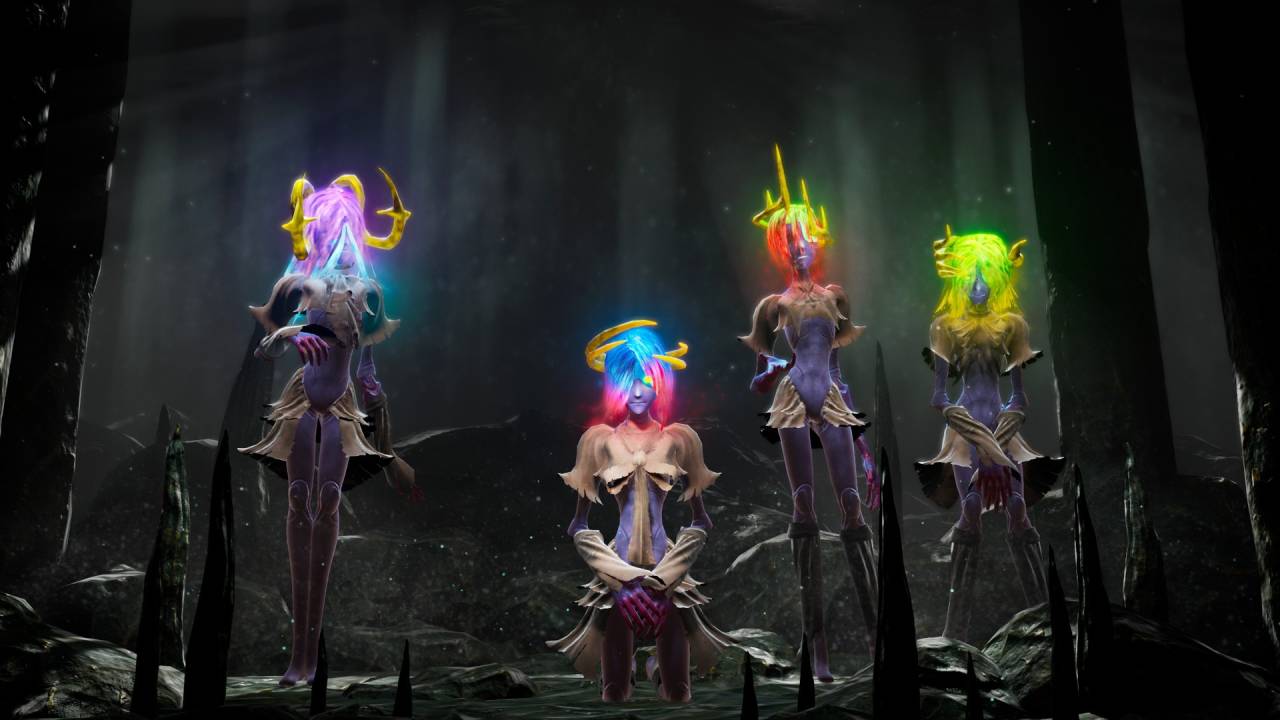
You can see that trust in the new thematic frame.
The first game was very surreal, focusing on the body and rocks. This second game delves deeper into a realm of painted surfaces, sculptural fragments, live art, and creation itself as both a story and a mechanical motif. This change is smart because it keeps the alien feel of the series while giving the art direction more color, contrast, and space, so it feels like it was made by someone, not just strange.
This choice is very good for Grime II because it makes the game feel friendlier to people who have never played it, while still offering enough body horror and metaphysical unease to please people who liked how awful the first game was. The story puts you in charge of a Formless, an art copy that was made by an unknown person and set free in a world that was formed by the act of making itself.
In theory, this is good stuff; it's a world where hunger, making things, being yourself, and copying can all come together in interesting ways. In reality, the story functions more as support than as a surprise. It gives just enough background to the quest without becoming the main reason to keep going. Grime II does have a story, but the main plot often feels like a vague way to build the world rather than a dramatic engine with real drive.
Still, the world does a huge amount of mental work for us. The areas are very different from one another, the non-playable people have sharp silhouettes and memorable personalities, and even small conversations have enough wit or hostility to keep the world from feeling like vague lore wallpaper. The main character also gets dialogue that gives off an angry, forceful vibe, which adds an edge to the journey that many silent or almost silent genre heroes don't have.
Grime II doesn't have a story that will stick with you for years, but it does make a world that is unique enough to want to live in, and that makes a big difference in a genre where worlds often blend together once the credits roll. Intrigue and connection are not quite the same thing, which is what's wrong. The game does a great job of showing strange ideas, mysterious symbols, and creepily alien beings, but the main plot is still more static than dynamic.
While there are moments of wit, danger, and thematic unity, the main story never really comes together to make something emotionally powerful that can compete with the fighting or the art. Grime II gets by with that flaw because of how well it's presented, but the story still feels like something the game has to do instead of something it fully masters.
As usual in metroidvanias, the main gameplay loop entails exploring connected areas, gaining new movement skills, finding secret paths, activating checkpoints, and then slowly going back to old areas with better tools and more confidence. The game has its distinct rhythm, though, thanks to the way these systems are stacked.
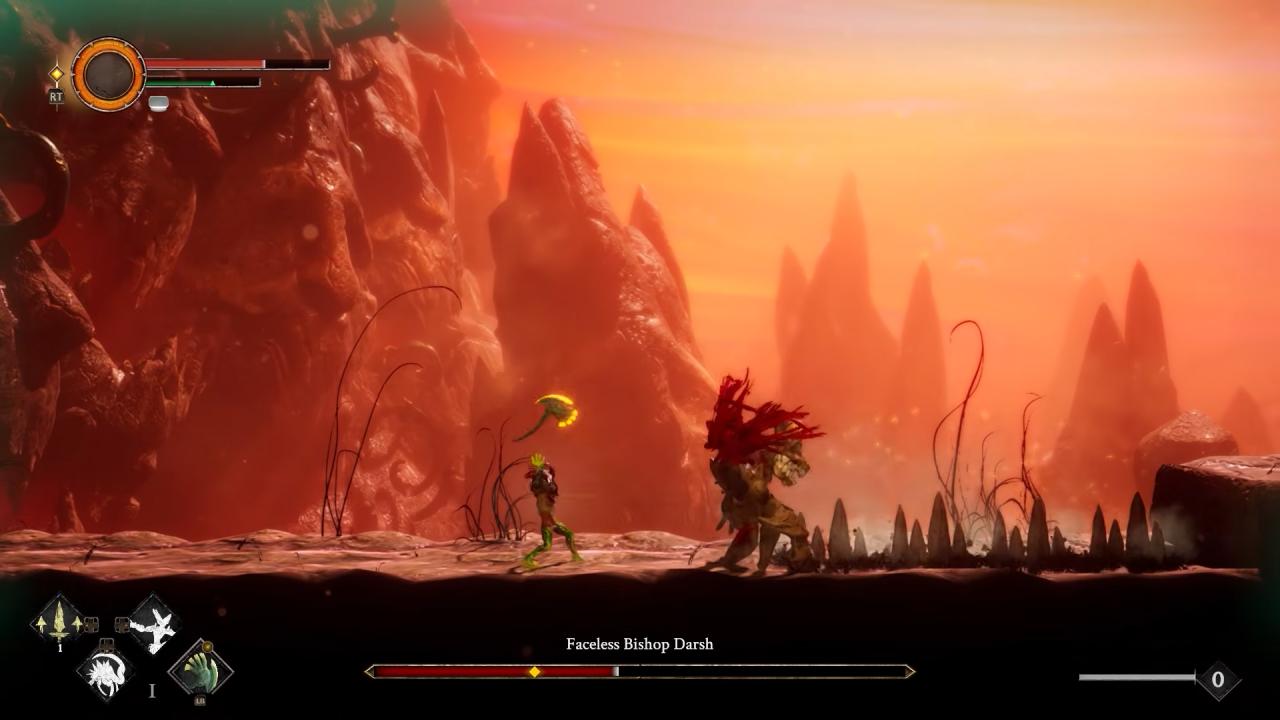
You cannot fully use fast travel until you find enough map seals.
This makes discovery more thorough while also making death and not finishing scouting feel like they cost a lot. The same structure is used by Grime II to keep moving forward, tied to observation. And the choice makes even ordinary travel feel like it has a strategic purpose rather than just passive sightseeing. The planning of the world is ambitious and sometimes exciting. There are satisfyingly many connections between areas, and paths that curve back on themselves are beautiful enough to pique your interest.
Later movement upgrades, like wall jump and grapple-based travel, can make you feel like an acrobat with newly gained power. There is one catch to this strength, though. Platforming sections and side trips that you can choose to do are often fun on their own, but they can feel strangely disconnected from the main storyline, as if different ideas were randomly placed on the map without always being connected to a stronger general rhythm.
During exploration, Grime II is always playable, but the game doesn't always do a great job of distributing its best traversal ideas across the whole journey. It's the same with the role-playing part. Leveling, upgrading gear, distributing stats, improving weapons, and collecting molds are all good ways for you to make your characters unique, and it's clear that the game wants this to be important.
However, stat distribution can feel limited if there are too many important choices that are tied to weapons and shapes instead of a wider range of character-defining traits. Grime II lets you really customize things, but it's not always the most fun way to do so. Because of this, sometimes the fun of leveling up comes from trying out new ways to fight rather than the level-up screen itself.
When you fight, the game stops being just interesting and starts being truly unique. Fights happen slowly, like in Souls, and focus on telegraph detection, spacing, dedication, and staying alive when things get tough. But the system never feels like a cheap copy of better-known games. They can block, parry, attack with various weapons, and control Force.
But the most important thing is that the Formless can change into enemy forms and use the world as a tool against itself. In Grime II, battles are like a talk between restraint and opportunism. This tension gives each fight a nice amount of depth. One of the best things about the game is the Grasp feature. In addition to being a way to get from one place to another, it can also be used as a combat hook for grabbing enemies when certain openings show, which can be seen clearly.
On paper, that may sound like a lot of help, but in practice, it's harder to get to those openings safely because you have to know the distance, avoid obstacles, and time your approach routes while under pressure. Grime II uses Grasp to keep changing how enemies interact with you, so fights aren't just about waiting for a green light; you have to learn how to make the right angle for that light to matter.
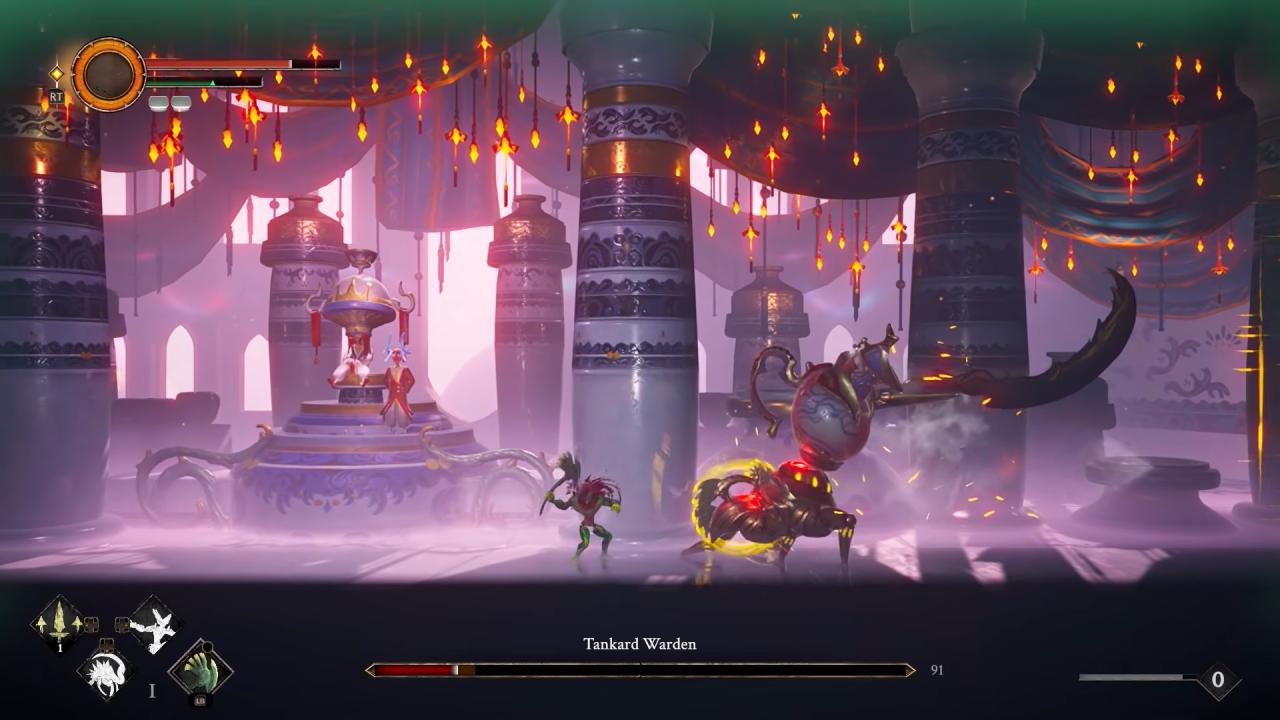
Managing forces adds a beautiful new layer.
Attacking and dashing use up Force, but keeping enough of the meter full can also increase damage output. This makes aggression a resource risk instead of a mindless default. The enemy absorption system makes things even more complicated by letting you collect and equip molds that let them temporarily use enemy skills in battle.
Some molds are offensive, while others are defensive or distracting, and the result is amazing when you look at everything together. Grime II has a fighting sandbox that is easy to understand while still offering enough modularity to let you create your own playstyles that don't just look different. What works best is how well the enemy is designed.
Standard fights can still end quickly if you aren't paying attention, and bosses are always designed with multiple stages of increasing difficulty, pattern changes that are easy to understand but hard to avoid, and a need for real mechanical learning rather than idle stat superiority. With Healing with Breath, you have to kill enemies in the field to heal, and you can only heal so many times during boss fights. This requires real discipline instead of random killing.
The challenge in Grime II is won honestly, so failing over and over again doesn't feel cheap. Instead, it feels like useful information. It's not the way it fights that gives it trouble; it's the way close systems can get in the way. There are parts of the game where the grapple is hard to use, especially when you need to aim very exactly with the thumbstick in fast, dangerous parts.
Exploration benefits are also often not very good, which can make hard detours feel less rewarding than they should. This makes the payoff loop around optional mastery less strong. Grime II has a lot of great ideas, but some of its reward systems and ways to get around don't have the same level of energy and cohesion as its fighting. Getting more experience and moving up are useful things that don't look cool.
Killing enemies gives you resources that you can use to level up. You can then spend those levels on traits that help with certain types of weapons, armor, staying alive, or offensive goals. The game doesn't rely on traditional grind in the bloated action RPG sense, but it does encourage you to fight over and over again as a way to level up, especially if you want to make your preferred build stronger before going after harder bosses or investigating deeper optional areas.
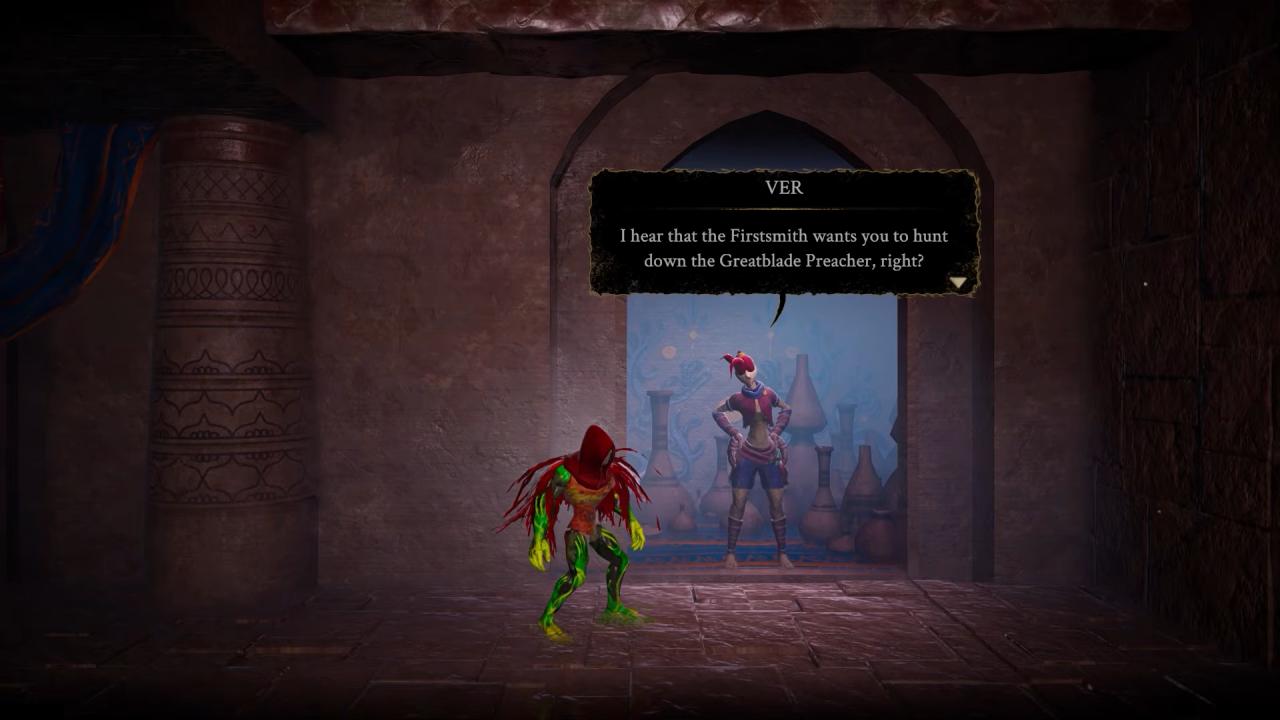
Leveling is important in Grime II, but it's more important as a way to improve skill than as a replacement for it.
In general, that effect on gaming is good. Because different weapons have different speeds, ranges, and abilities, and because molds can change how fights go, growth feels more like battle identity than just inflation. Of course, some stat choices can get boring after a while, which can make leveling less fun than finding a new tool or becoming a new enemy form.
The development system in Grime II works well enough, but the real fun of growth comes from learning new tactics, not from doing math on the character sheet. This is one of the most unique metroidvania games I've played in a while. The world is made up of paint, sculpture, hands, pieces of nature, and brightly colored shapes and figures that feel like both dreams and real things.
Not only do regions have different colors, but they also have different moods, identities, and symbolic meanings. This makes the map feel like you're moving through a gallery of hostile creation stories. Grime II knows how to look amazing, and that faith in its looks does more for the game than just make it look good. It turns into the best way to tell a story in the game. Moving away from the stricter tone of the first game in the sequel works especially well.
Now, color is a big part of drawing people's attention, separating the world into different zones, and making it feel more alive without losing its strange threat. The designs of both enemies and characters are very good. They combine strange anatomy with clear outlines that help you figure out what threats there are, even when there are a lot of visuals.
Grime II sometimes looks like expressionist fantasy rendered through a body horror lens. This unique mix makes it stand out right away in trailers, photos, and real-life play. The presentation also appears to be accurate from a technical standpoint. Performance is usually good on PC and stable on console, with only occasional pop-ins, rare bugs, or small visual flaws breaking the illusion.
That level of consistency is important in a game that depends on exact controls, tough bosses, and platforming sections where missing a frame of clarity can directly cause damage or death. It's great that Grime II is visually bold without becoming technically useless, which not all independent metroidvania games can do.
The sound creation is also very good.
The music is mostly orchestral melancholy, with pianos, strings, and eerie tonal changes that make the world sound grand without taking away from its danger. For a moment, this type of music can make a beautiful scene seem holy. But when the fighting gets tough, and life is the only language left, it becomes pressure. Music is more than just background noise in Grime II. It's also used to create moods and make each place feel emotionally connected, not just pretty.
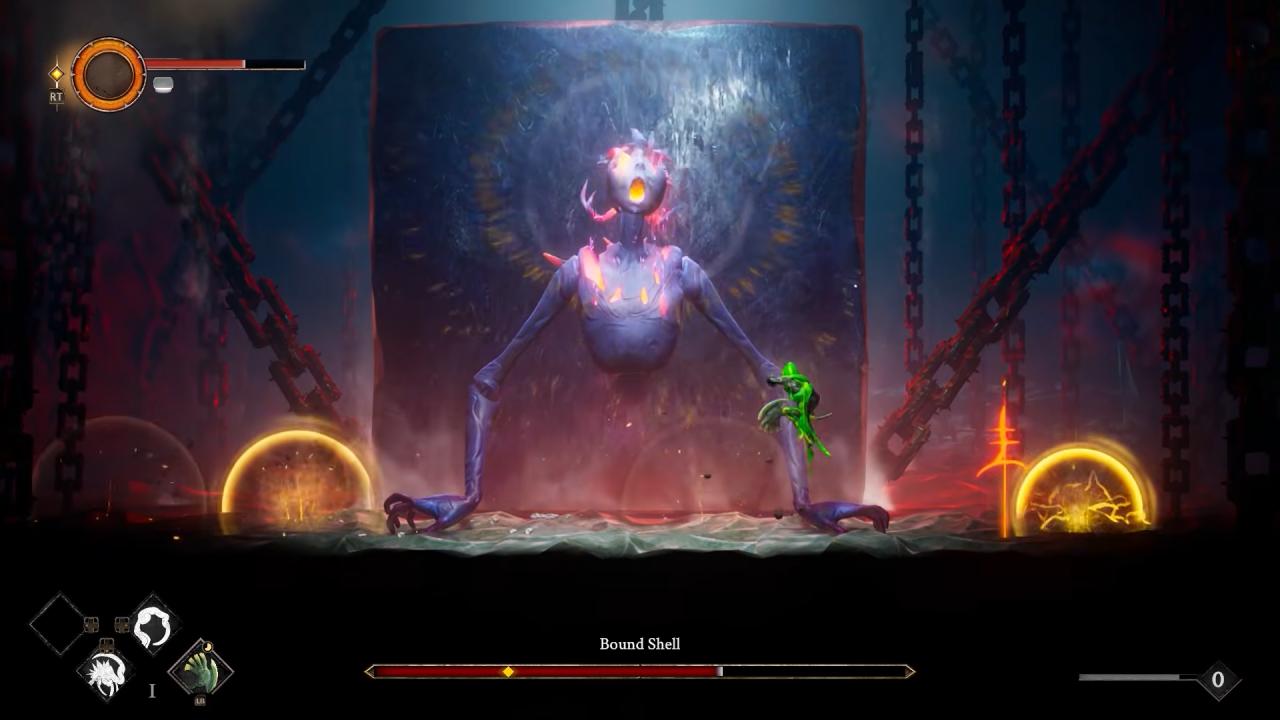
Also, sound effects should be praised, especially for how well they show how awful the world is. This rough, creepy, and often darkly funny soundscape is made up of squelches, impacts, strange creature noises, and sharp battle cues. Small touches are good. Some enemies sound kind of cute right before they attack, which adds a surprising layer of character to fights that might otherwise feel like they're just doing their job.
Grime II sounds as weird as it looks, and the way the sound and video work together gives the game an unusual level of sensory ownership. The best thing about this game is that it knows what really needs improvement. It's deeper, more emotional, and generally more fun to fight now than it was before. It's still weird, but the world is stranger, more interesting, and full of different colors and shapes.
You can make changes more easily, the hurdles are still there, and the whole thing feels better put together and more sure of itself than a lot of sequels in the same genre. Grime II is not happy to rely on old memories of how things looked. It tries to get people's attention with a lot of mechanical depth, and it does a great job.
That being said, critical excitement shouldn't hide its flaws. The story isn't very powerful; it's just fine. When optional paths and rewards don't fit into the main development loop, exploration can feel disconnected. There are some platforming sections that rely too much on controls that are just shaky enough to annoy, and the role-playing system doesn't always have enough variety to make every level-up feel exciting.
Grime II is a good follow-up, but it's not perfect. In fact, its flaws are easier to spot because its best features are so well done. This is one of the most interesting new games in its genre in a long time. It has tough but fair combat, beautiful world design, difficult boss fights, and enough build variety to make trying new things fun.
Its story and exploration don't always live up to the promise of its stunning graphics and battle systems, but the whole thing is still very convincing. It seems like Grime II came from a company that is getting smarter, braver, and more self-aware, which is almost as exciting as the game itself.
Editor, NoobFeed
Verdict
Grime II stumbles in exploration, cohesion, and narrative impact, but its ferocious mechanical confidence makes it an easy recommendation. A brilliantly hostile metroidvania with exceptional combat, unforgettable art direction, and real build depth.
84
Related News
No Data.