
Wander Stars Review
Nintendo Switch
An anime-styled indie RPG where words become weapons, stories feel like episodes, and creativity fuels every fight.
Reviewed by Zahra Morshed on Sep 25, 2025
Every once in a while, an indie RPG comes along that refuses to mimic the usual templates of the genre. Wander Stars is one of those rare experiments. While many independent role-playing titles look back at 16-bit nostalgia or try to channel the grandeur of classic Final Fantasy entries, Wander Stars confidently steps sideways.
Instead of replicating the sprawling overworlds, deep inventories, and dungeon crawls of the past. It draws its heart from 1980s anime storytelling and reimagines what a turn-based RPG can feel like. The game is structured deliberately like a serialized anime, with ten episodic chapters that each run for about an hour.
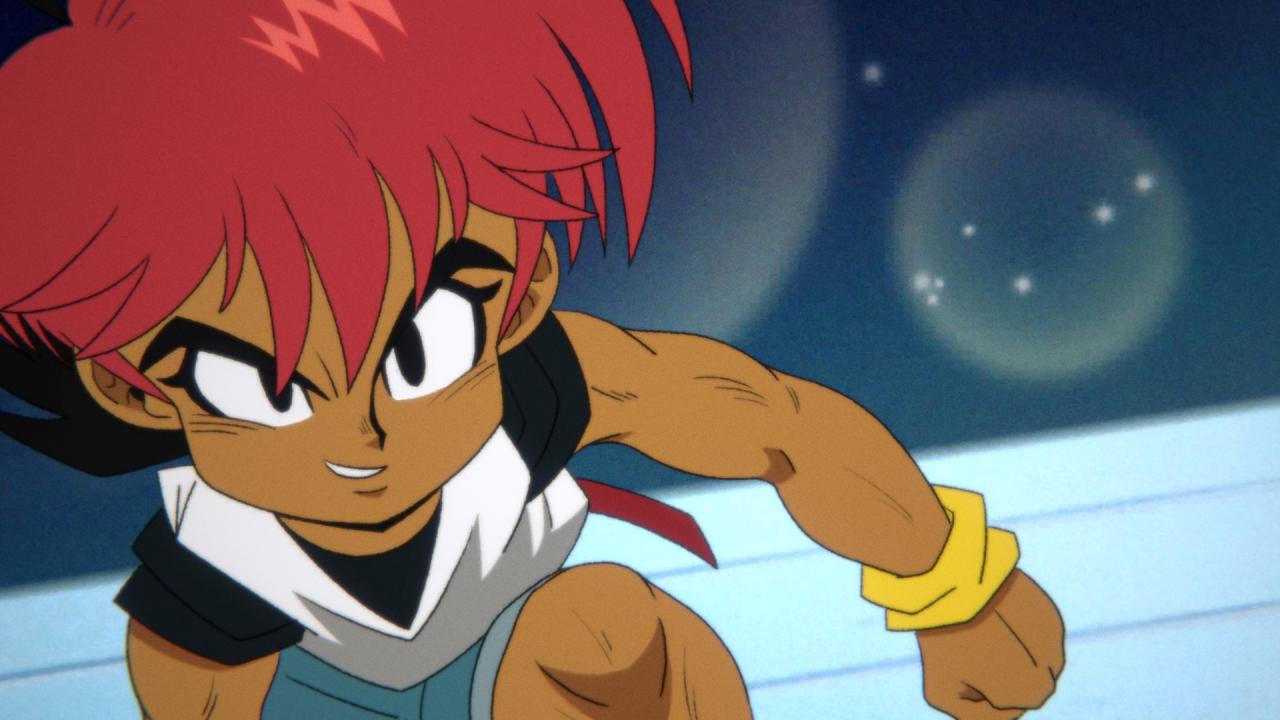
This story structure lets Wander Stars move at a pace similar to a TV season, with cliffhangers, boss fights, dramatic reveals, and the familiar "to be continued" screens at the end of each act. Developed by Paper Castle Games and published by Fellow Traveler, it's a brave choice that feels good in a world where most RPGs require hours and hours of play.
Behind this creative framework is a group of people who clearly love telling stories through cartoons and experimenting with new design approaches. Instead of giving you too much to choose from in terms of equipment or side tasks, the developers simplified the game so it was simple and focused.
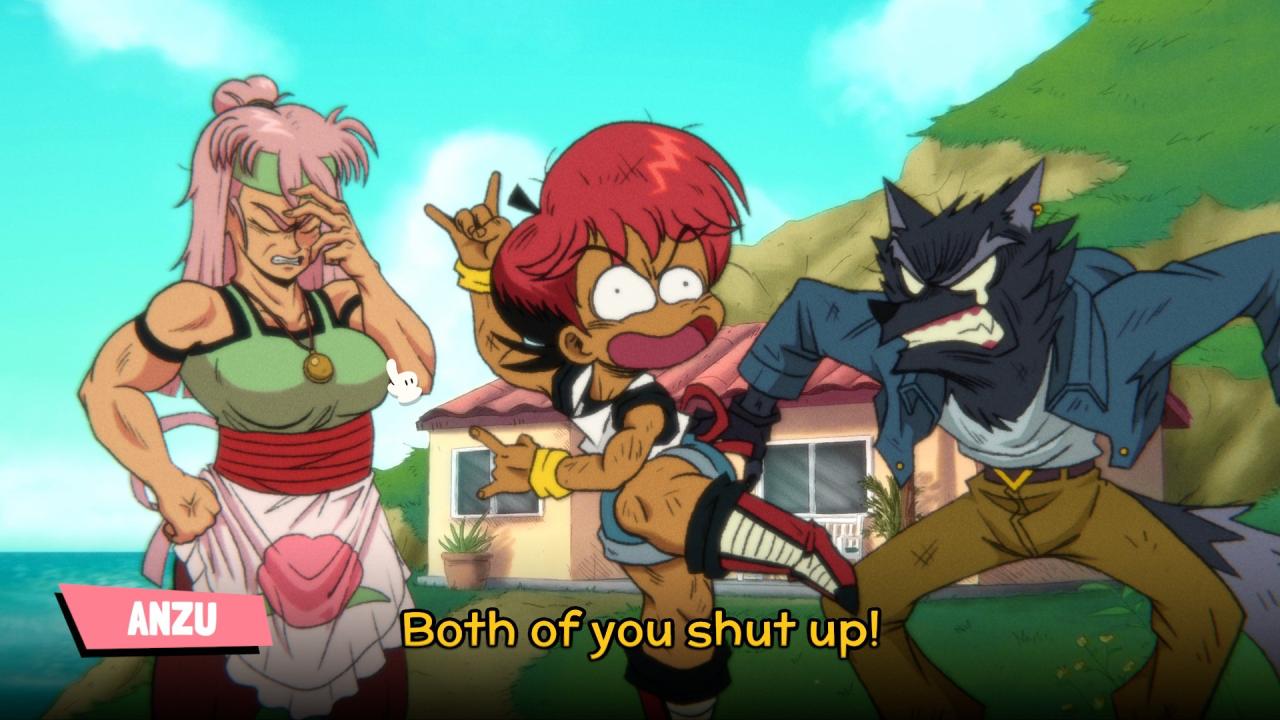
In doing so, Wander Stars challenges expectations of what a modern role-playing game can deliver while still embracing the timeless pull of character-driven adventure. The narrative of Wander Stars blends whimsy, heart, and cosmic absurdity. Ringo, a fiery fourteen-year-old redhead who lives with her grandmother in a tranquil seaside hamlet, is at the center of it all.
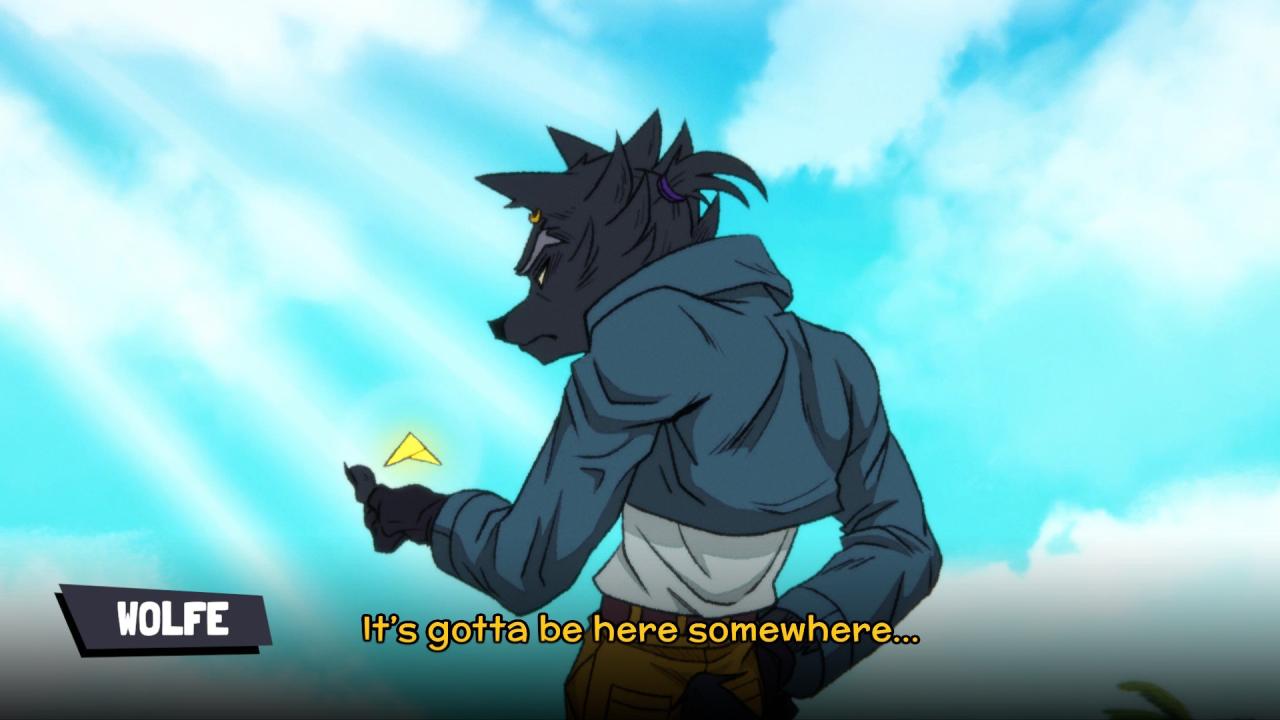
Ringo's normal life of doing errands and playfully fighting back against bullies changes when a spacecraft crashes along her route. She doesn't run into hostile aliens; instead, she encounters Wolfe, a wolf that can communicate and is on a mission. Ringo immediately finds out that a star-shaped charm on her phone conceals a piece of a map of the stars.
This map is important because it connects Wolfe's secret past to Ringo's family's secret history. As their relationship grows, it becomes evident that each is looking for more than just stars. Wolfe is looking for forgiveness and survival, while Ringo thinks the voyage will help her find her brother, whom she hasn't seen in a long time.
Episodes unfold with an energetic rhythm. In one chapter, the duo may be running away from space police, while in another, they may crash-land in a yard full of ghosts. Later storylines take side trips into flashbacks and conclude with emotionally charged fights. Supporting companions, including a black witch with a voice that heals and hypnotizes, and a reckless pyromaniac wielding elemental explosives, enrich the cast without overshadowing Ringo.
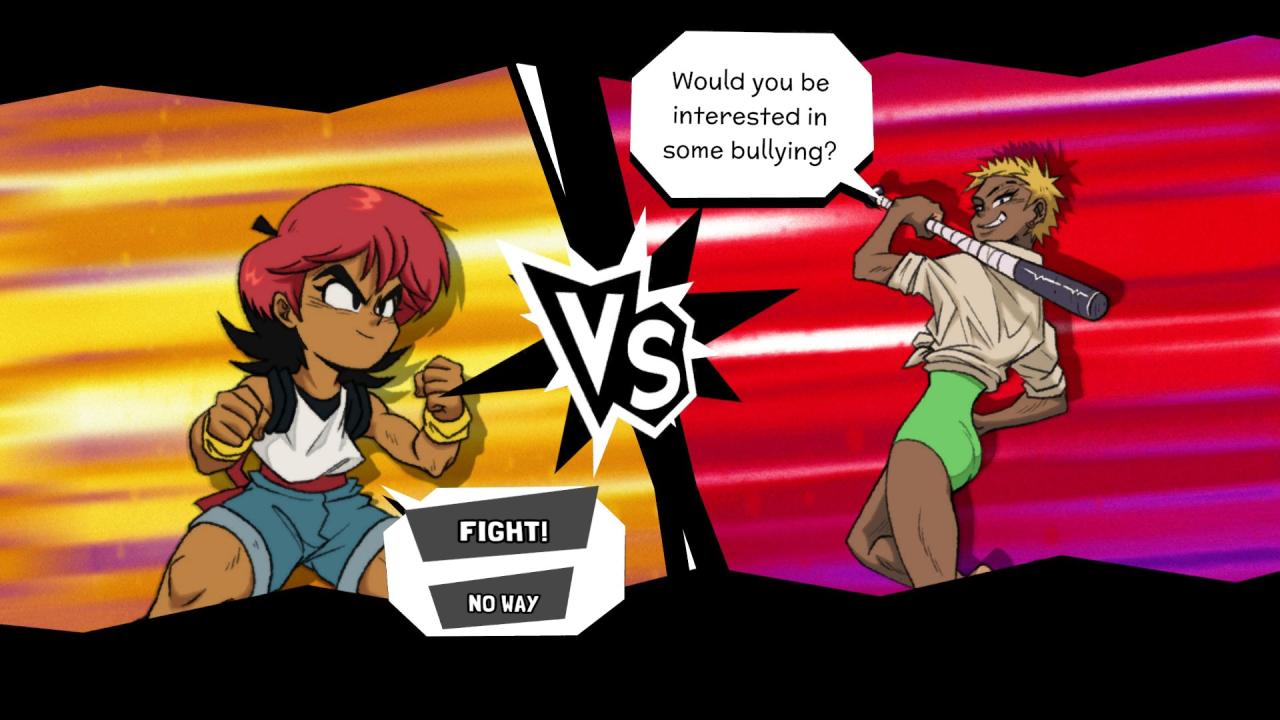
The tone balances playful absurdity with surprisingly heartfelt stakes. The writing is not afraid to lean into cartoonish villains or comedic moments, but there is always a sense of genuine emotional grounding. It's a world where forgiveness can matter as much as fighting, where enemies kneel in surrender, and peace can sometimes be more powerful than destruction.
The backbone of Wander Stars is its unusual commitment to words as weapons. Instead of turn-based warfare, you use phrases as weapons and, instead of just choosing "attack" or "magic", you put together words to make movements using verbs like "kick" or "punch" and adjectives and modifiers like "fire", "super" or "giant".
The end result is a battle rhythm that is both like Mad Libs and like a fighting animation, but yet completely new. Every episode adds to your vocabulary, slowly revealing new words and new ways to use them.
At first, fights can just have a few options, like "fire punch". But by the middle of the game, phrases can be as long as six words, which makes for some amazing and frequently funny consequences.
This feature encourages inventiveness, which is a big part of what makes the game fun. Outside of combat, exploration is simplified into top-down board game–style maps. You move Ringo piece by piece along branching paths that lead to different events, fights, or conversations.
This format puts more emphasis on story development than the free-roaming exploration found in most RPGs. There are shops, brief stat boosts, and restaurants that heal you quickly to keep things moving quickly. At the end of each episode, a results screen summarizes progress and teases the next adventure, reinforcing the anime episodic theme.
Combat in Wander Stars is not only inventive but also layered with strategy. The word-slot system means every attack or defense choice consumes limited linguistic resources. You can't spam the same powerful combination in every fight because stronger words have longer cooldowns. If "super flaming punch" stops a fight, it might not be used to start the next one. This mechanic causes you to plan ahead, which builds tension that lasts through all of your encounters.
Playing defense is equally important. You may reserve word spaces for blocking, healing, or removing status effects. This makes fights seem like they are pushing and pulling. Enemies might surprise you in many ways, such as putting up shields or showing resistances that you have to try out. Later enemies use barriers made of block points and want counters instead of raw force.
The forgiving mechanic of enemy surrender adds nuance. Not only does choosing kindness shorten battles, but it also gives "pep up" bonuses that can protect against elemental damage or show you where enemies are weak before they do. The story of the game is about honor, and this design choice shows that winning doesn't always mean murder.
Despite this, the method does have some problems. The small number of enemies can make battles feel repetitive, and using the same words over and over again can make battles less exciting. Keeping track of word cooldowns in multiple battles can be hard, especially if you're not ready for boss fights. Still, the variety of ways to fight makes it more fun for a much longer time than in most turn-based games.
The greatest strength of Wander Stars' combat lies in its novelty. Few games dare to transform language itself into a tactical weapon, and fewer still manage to make it feel satisfying. The sense of creativity in forging a sentence like "giant icy counter kick" cannot be overstated; it makes every turn a small act of authorship.
But this inventiveness carries trade-offs. It can feel too hard to win some fights when the cooldowns don't work well together, and you may not have enough power if they can't get the right modifiers. When enemies are used over and over again in different shows, it can take away from the excitement of finding new ones. Even though boss fights are fun, the difficulty can rise quickly, making times of frustration instead of excitement. Overall, though, the balance tips in favor of delight.
Combat is not merely functional; it is the thematic heartbeat of Wander Stars. Its imperfections are forgivable because its originality consistently surprises.
Experience in Wander Stars takes the form of "honor points." Unlike traditional RPGs, where XP trickles in after every battle, honor points are earned in larger chunks at the conclusion of episodes. They can be spent on expanding health, increasing word slots, or acquiring powerful new words.
What makes this progression unique is the roguelike flavor baked into the system. You have to carefully choose which words to carry forward each episode because inventories are reset. For long-term growth, this keeps each part feeling like a new beginning. Experimenting is encouraged by the way it's made; for example, one playthrough might focus on mastering elements, while another might focus on defense moves.
Grinding in the conventional sense is largely absent. Instead of endlessly farming weak enemies, progression is tied to choices showing mercy for additional perks, replaying episodes for better rankings, or selecting riskier paths through maps for greater rewards. It's a streamlined loop that keeps momentum strong and avoids the genre's common pitfall of tedious repetition.
Visually, Wander Stars is a love letter to anime aesthetics. Character sprites are full of personality, like when Ringo is cheekily defiant or when an enemy is embarrassingly apologizing for losing.
The battle animations move smoothly, like in cartoons, giving even simple strikes more power. The emotions of the talks are shown in expressive and varied static dialogue portraits that don't feel stiff. Fully animated cutscenes are used sparingly but effectively, punctuating dramatic story beats. Environments, while not vast, are distinct across episodes, haunted gardens, neon-lit cityscapes, cosmic arenas, each with its own thematic identity.
The overall presentation is stylish rather than technically ambitious. It does not rival big-budget titles in scale, but its artistry and consistency create a world that feels cohesive and inviting. The anime inspiration is evident in every frame, and the game embraces it with confidence.
The audio design of Wander Stars is equally committed to its anime heritage. Sound effects carry the exaggerated punch of Saturday morning fight scenes with kicks crack, flames roar, and blocks ring with sharp clarity.
The soundtrack mixes playful melodies with dramatic themes, underscoring both the absurd humor and the emotional stakes of the story. Vocal touches, particularly from the witch character whose lullabies double as healing spells, add an extra layer of charm. While some background loops can become repetitive over extended play, the overall soundscape captures the high-energy spirit of the experience.
Most importantly, the audio enhances immersion. Every attack phrase feels amplified by the sound design, turning word-built combos into audiovisual spectacles.
Wander Stars is not trying to compete with sprawling RPG epics like Chrono Trigger or Persona 5. Instead, it sets out to carve its own constellation in the genre's sky, and it succeeds by being unafraid of its eccentricities. Its episodic format makes it approachable, its characters lend genuine heart, and its combat system is unlike anything else on the market.
Yet, the game is not flawless. Exploration is minimal, enemy variety is limited, and difficulty spikes can frustrate. But these shortcomings feel small against the sheer inventiveness of the word-based system and the joy of seeing anime tropes reimagined through gameplay.
For players tired of the same loop of grinding dungeons and equipping endless armor sets, Wander Stars offers a refreshing detour. It is quirky, stylish, heartfelt, and above all, fun. And in a crowded indie RPG scene, standing apart is no small feat.
Contributor, NoobFeed
Verdict
Wander Stars delivers inventive word-driven combat, heartfelt anime storytelling, and stylish presentation. Limited exploration and difficulty spikes aside, it shines as one of the most unique RPG experiences this year.
70
Related News
No Data.