
Whispers from the Star Review
PC
From resonance mechanic to the morality-choice system, Whispers from the Star blends narrative exploration with atmospheric discovery in a way no sci-fi fan can ignore, delivering a cosmic journey between light and shadow.
Reviewed by Zahra Morshed on Aug 22, 2025
Whispers from the Star is one of those rare games being compared to books that don't fit into any one genre. The ambitious team at Stellar Tides Interactive worked on the game, which is a fine balance between story-driven adventure and atmospheric exploration. The company, which used to be known for its small independent projects, has taken a big risk with this project, working for years to create a world that is both mysterious and immersive.
Whispers from the Star is a game that combines elements of classic science fiction with modern interactive storytelling. It is meant to be a reflection on humanity's place in the universe while also giving you a deeply personal story to figure out. It's not just another sci-fi movie with cool alien worlds to make you feel good. Instead, it's a deep and haunting look at relationships, choice, and the weight of what you find out.
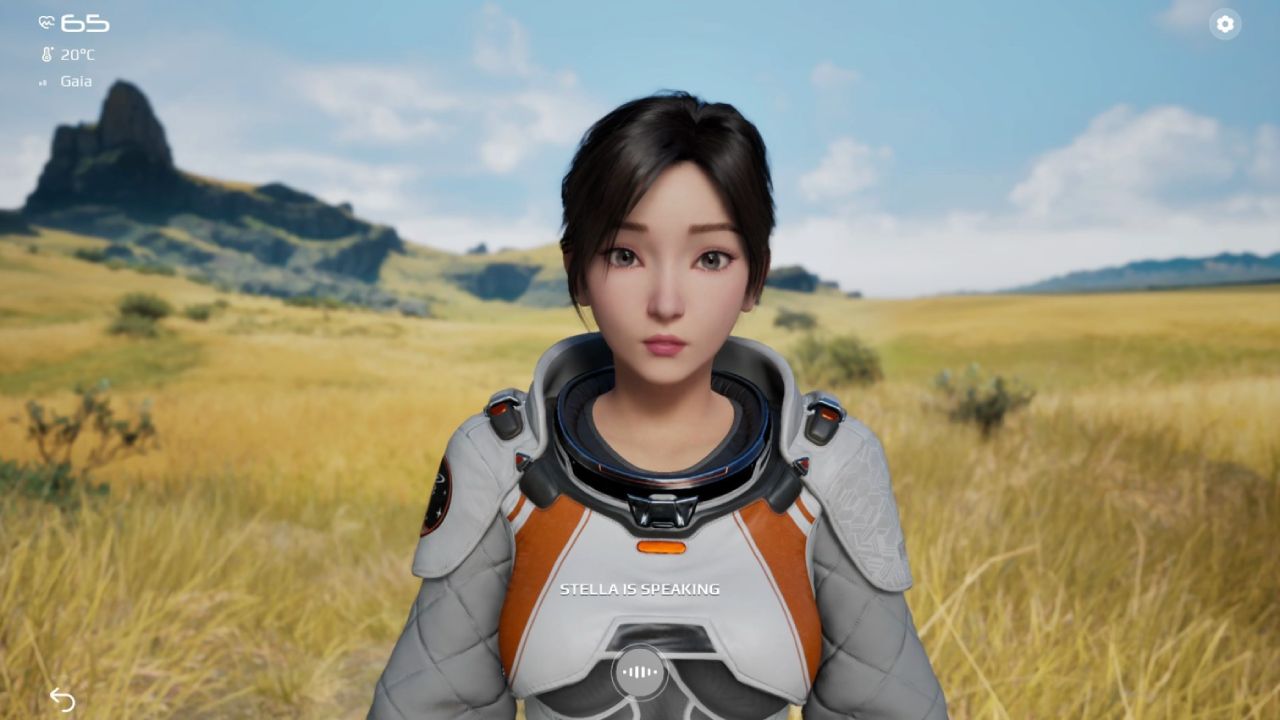
At its heart, Whispers from the Star is about Liora, a lost traveler who wakes up on an abandoned ship circling a star that shouldn't be there. The narrative unfolds in layers; it starts as a survival puzzle and then turns into a philosophical journey that makes you think about who you are, what you remember, and even what is true. As each chapter goes on, the universe's mysteries get deeper. Mysterious beings born from stars and echoes of societies long gone are introduced.
Whispers from the Star is different from other story-based games because it doesn't give you easy answers. The story is told through broken broadcasts, strange visions, and mysterious meetings with beings that aren't always clear as to who is friend and who is foe. This broken-up way of telling a story not only raises the drama, but it also gets you involved in figuring out what it all means. Like reading a famous book, the story is worth paying close attention to because it mixes philosophical thoughts with intense emotional moments.
In a critical sense, the pace is both a strength and a weakness. Some of you might think that the slow reveal of plot points is too long, but others will see this as a design choice that makes the world feel even more empty and lonely. The brilliant thing about Whispers from the Star is how it ties together its themes of how small things are in the grand scheme of things with very personal issues. In a world that is always erasing itself, Liora's quest isn't just about getting home; it's also about rediscovering who she is and what memories are worth keeping.
Whispers from the Star has a mixed gameplay loop that includes exploring, telling stories about the surroundings, and solving simple puzzles. The game never rushes you; instead, it encourages you to look around slowly and carefully. It's important for you to find lost information by scanning, decoding, and putting together pieces of broken ships, abandoned stations, and alien landscapes. Unlike sci-fi games with a lot of action, this one is more about getting people interested through finding.
The "Resonance Mechanic" is one of the game's most interesting parts. It is possible to use resonance scanners to find the subtle energy profile of each space. This can open up memory fragments, hidden passages, or let you talk to alien objects. This mechanic is not only fun to use, but it also fits with the theme, supporting the idea that the world talks in whispers that you have to pay close attention to.
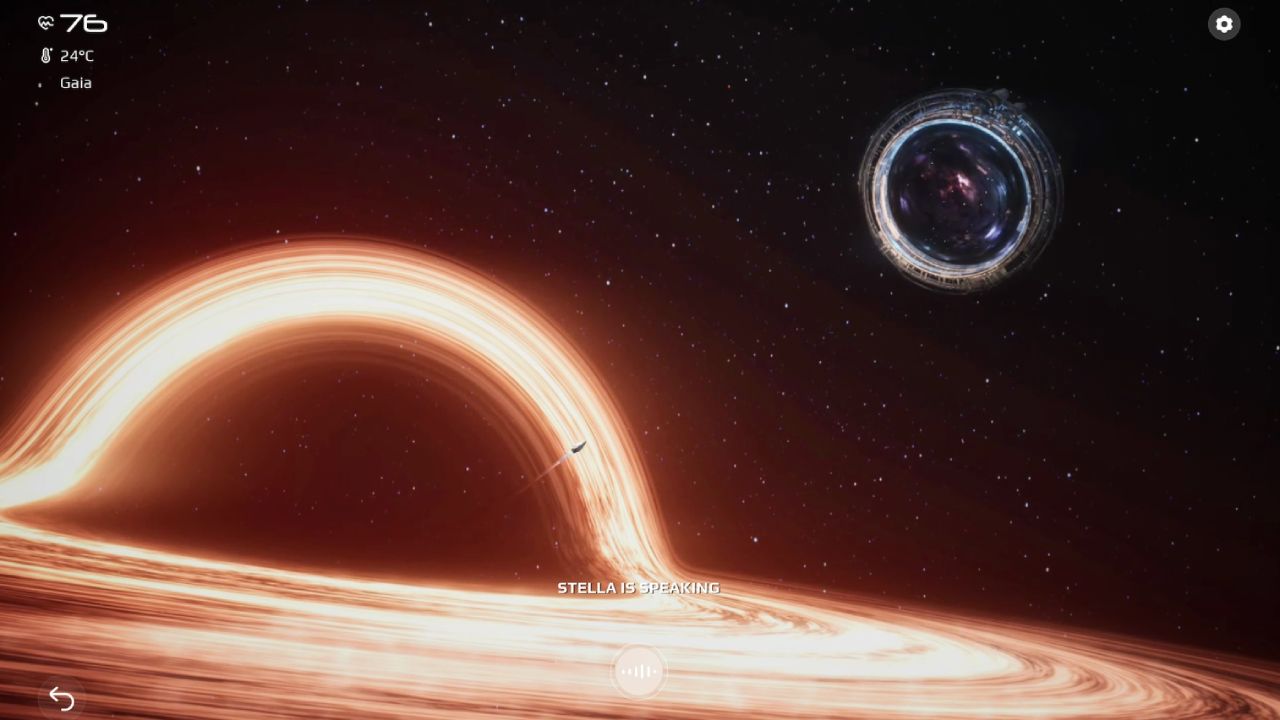
The morality-choice method is another interesting part. Instead of giving choices between good and evil, Whispers from the Star shows choices as trade-offs, where picking one way means giving up another. These choices have an effect on both the world and Liora's changing view of reality, which changes how the story ends. For instance, joining forces with certain star-born beings could give you access to deep facts while cutting off other storylines for good. This setup makes it easy to play again and again, since one playthrough can't reveal all the secrets.
The slow pace of the game will not appeal to everyone, though. People who were hoping for a lot of fights may find the lack of standard action frustrating. But for those of you who want to get lost in the game's rhythms, the careful design gives them a feeling that can't be beat. The lack of combat isn't a flaw; it's an intentional break with genre norms that shows that understanding is more important than weapons in this world.
Rather than normal fighting, Whispers from the Star's main form of difficulty comes from puzzles. From resonance-frequency alignment to linguistic decryption, these puzzles are all meant to make you feel like you are discovering something new instead of just fixing a problem. Some puzzles require decoding alien scripts by comparing found texts, while others require you to be aware of your surroundings and move structures that move based on rules of the universe they can't see.
The cool thing about these tasks is how they fit in with real life. Nothing seems out of place or unconnected; each puzzle seems to grow naturally from its surroundings. For instance, fixing a ship that has sunk requires rerouting energy through broken lines in ways that are similar to how the ship was designed in the first place. Figuring out these kinds of problems gives you both story satisfaction and practical benefits, like letting you into new areas or finding secret transmissions.
In spite of this, the problems are not perfect. Some of them can be hard to understand because they require big leaps of logic that might bother you if you are someone who isn't used to fixing abstract problems. The game doesn't give you much help, which fits with its theme but might turn off people who want a better experience. Still, Whispers from the Star has puzzles that feel like real attempts to figure out how a live, breathing universe works for people who are willing to do what it says.
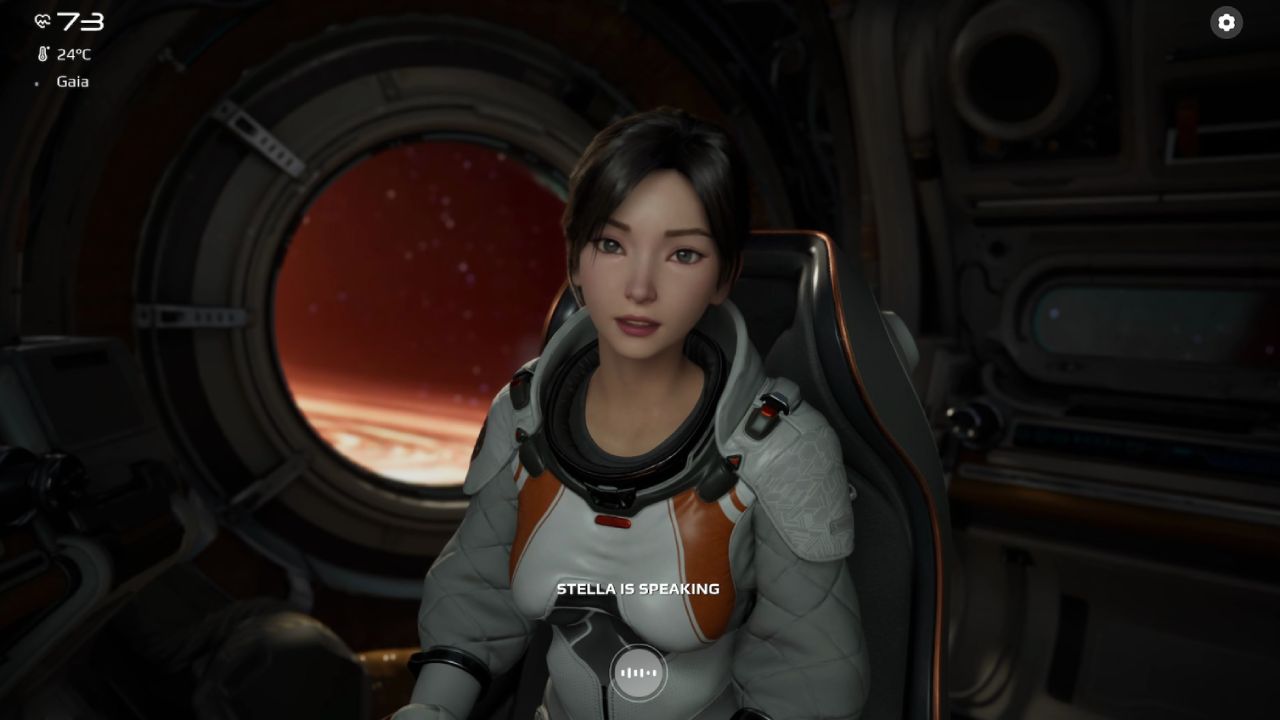
In contrast to most RPGs, Whispers from the Star doesn't let you grow by levels. Instead, you gain knowledge. The Resonance Archive is a growing collection of memories, codes, and new facts that are linked to progression. The Archive grows every time a puzzle is solved or a transmission is decoded, giving Liora new ways to understand things. These don't show up as simple stat boosts, but as a better understanding of how the world works.
This system cleverly connects your progress to involvement in the story. The world opens up more as you learn more. For example, unlocking an advanced resonance skill might let you see parts of reality that weren't there before, which would completely change how they experience older environments. This design makes sure that the feeling of change isn't vague, but real and connected to what the player does.
The lack of work is a nice change from what most people are doing. You don't chase numbers; they chase meaning. The method does have some problems, though. Some might say that not being able to see progress makes the feeling of accomplishment lower. Still, this design feels both planned and right for a game that is so focused on story and finding.
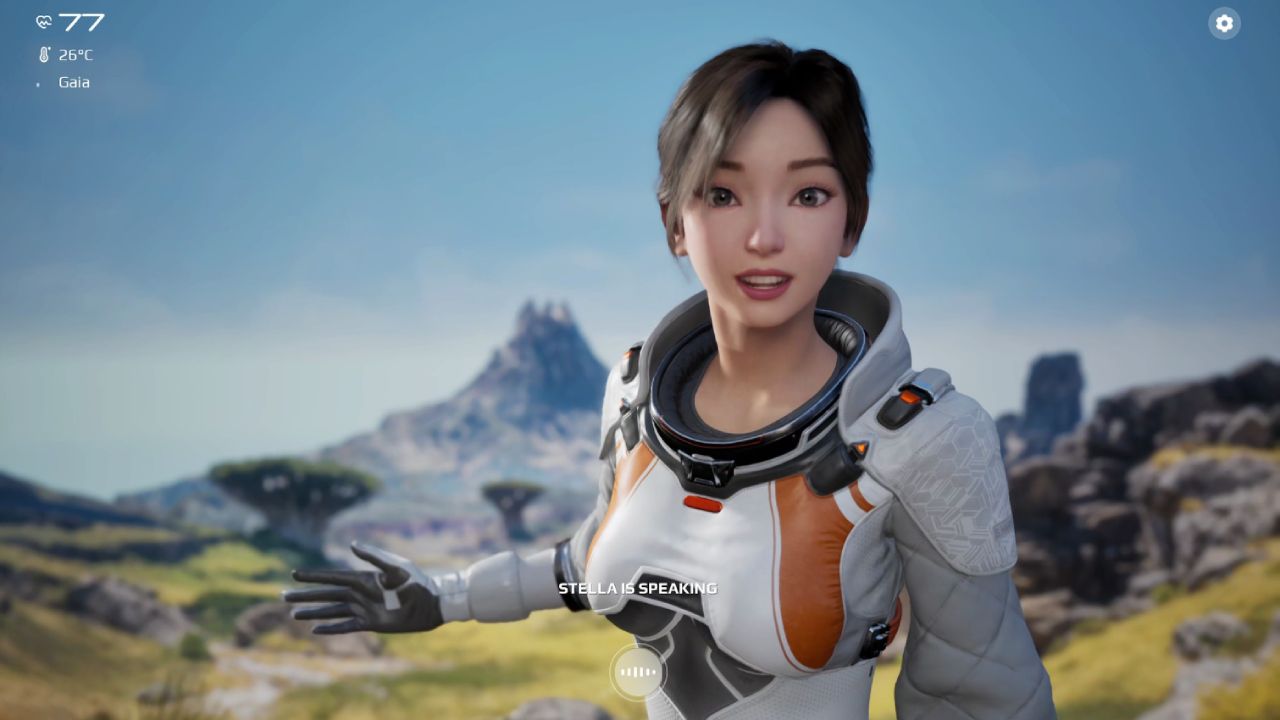
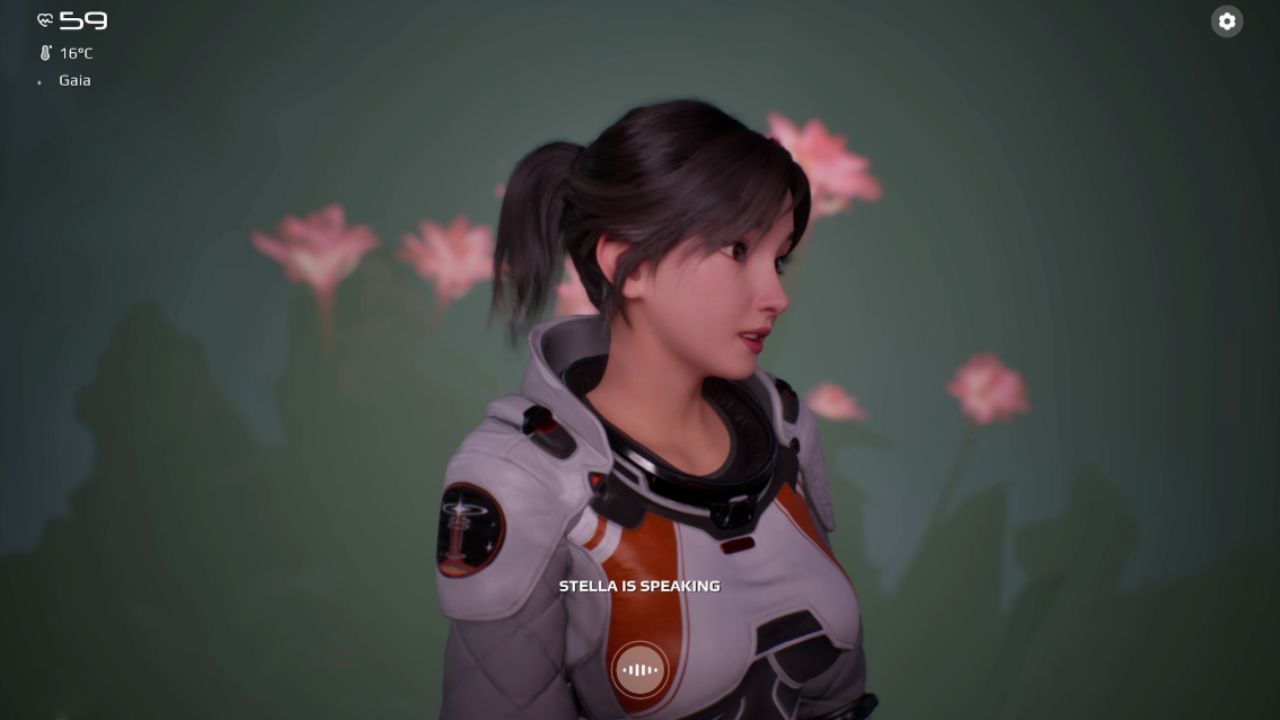
Whispers from the Star looks great, thanks to great art direction. The game doesn't try to be too realistic; instead, it has a painting style with strange cosmic images. Planets glow in spooky colors, abandoned ships float in space like ghosts, and strange structures don't follow the rules of math. The lighting system is especially good; each area is bathed in colored light that changes based on what you do.
The technical performance is good, but not perfect. Most environments load without any problems, but sometimes frame drops happen in bigger areas. Still, these problems are small compared to the amazing work that is being shown. Every setting looks like it was carefully chosen to make you feel both amazed and uneasy, so the images will stay with you long after the movie is over.
Whispers from the Star's sound creation is a big part of what makes it what it is. Elena Maris wrote the atmospheric music, which has eerie synths and choir parts that sound like voices lost in space. Each track is made to change based on what you do, so no two meetings are ever the same.
Sound effects add to the atmosphere even more. For example, the resonance mechanic makes creepy harmonic tones that resonate in different ways based on the setting. There are also times when silence works very well. At times, the lack of sound makes the tension stronger, with only the hum of faraway stars to tell the player that they are alone.
Voice acting isn't very good, but it adds dramatic weight. Liora's broken monologues show both weakness and strength, putting the cosmic scale in the context of human feeling. Meanwhile, the aliens talk in distorted sounds that need to be interpreted, which fits with the main theme of figuring out what we don't know.
Whispers from the Star is an important example of story-driven creation, but it's not a game for everyone. Because it doesn't follow normal rules for games, it's both controversial and easy to remember. The story is complicated, and the game's unique resonance system makes for an experience that stays with you long after you finish it.
In a critical sense, the game changes the way we engage with digital worlds. Whispers from the Star asks you to slow down, listen, and figure out what is going on by focusing on discovery rather than battle. It's a meditation that looks like a video game, and if you stick with it, you'll find both big and small truths.
Even though the game is very good, it does have some problems. Some tasks are almost too hard, and the pace may be too slow for people who are used to faster beats. Still, it seems like these flaws were done on purpose, as part of a design theory that puts challenge and ambiguity above accessibility.
In the end, Whispers from the Star is a unique achievement: it's a game that not only tells a story but also makes you think while you play it. It pushes the limits of interactive storytelling by giving you an experience that is as much about their own trip as it is about the cosmic adventure happening on the screen.
Contributor, NoobFeed
Verdict
A haunting meditation on identity and discovery, Whispers from the Star redefines narrative exploration, blending mystery, artistry, and choice into one unforgettable cosmic journey.
59
Related News
No Data.