
Yakuza Kiwami 3 & Dark Ties Review
Xbox Series X|S
A polished return to okinawa that struggles with its own shadow.
Reviewed by Nusrat Choity on Feb 09, 2026
Ryu Ga Gotoku, Sega Studio have been working for a long time to bring the early Yakuza games up to date for new hardware and new players. Yakuza Kiwami 3 & Dark Ties is the latest in this effort. After the first two games were successfully remade, Yakuza 3 was always going to be the hardest one.
When it came out in 2009, it was a big step forward for the series, both technically and in terms of the story. That's when Kazuma Kiryu stopped being just a famous street fighter and became a man trying to stay away from violence. He ran an orphanage in Okinawa while his past wouldn't stay hidden.
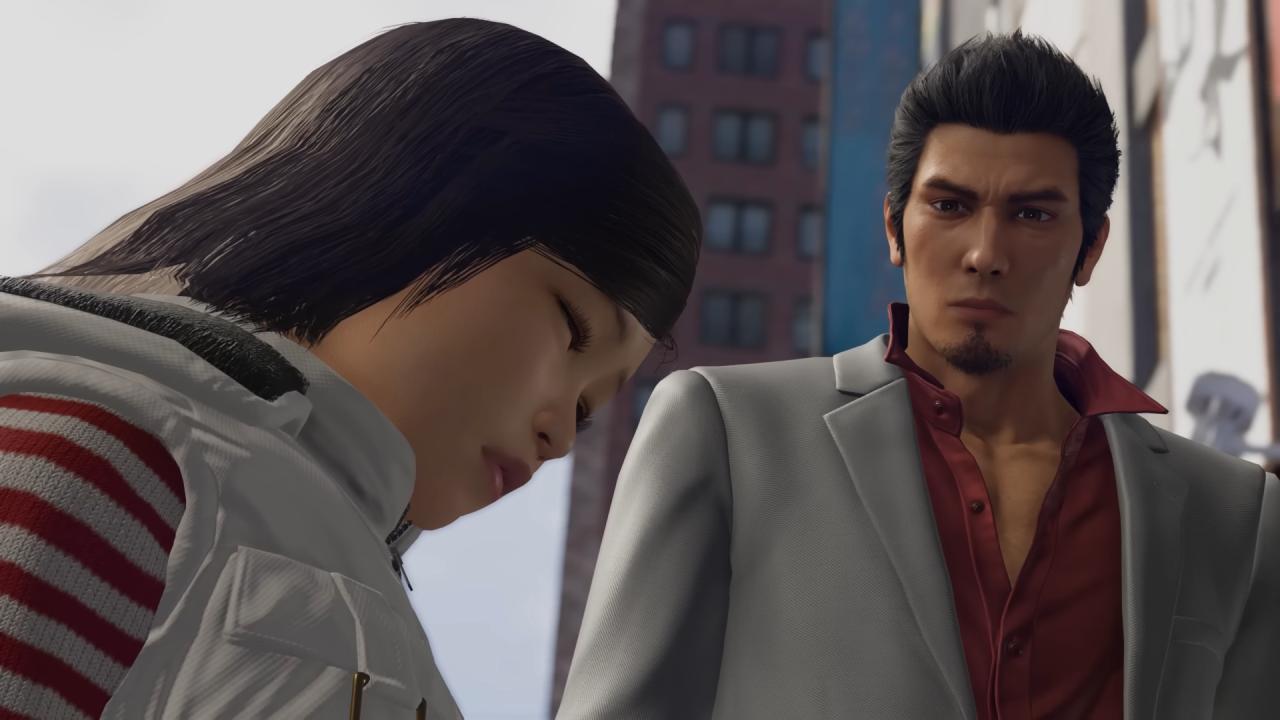
The third Kiwami game isn't just a copy; it's meant to be the best version of the first game. It's the most ambitious Yakuza port for the Nintendo Switch so far. It was developed with a new engine and released on Nintendo Switch 2 and other devices simultaneously.
It comes with Dark Ties, a brand-new side story that gives Yoshitaka Mine, one of the series' more mysterious bad guys, a bigger role. They make up a package that is both kind and unstable, updated and weighed down by the weight of revision. From the very beginning, Yakuza Kiwami 3 makes it clear what it wants to do.
In a quiet graveyard scene, you can think about the characters from earlier games that have died. There are also story recaps that make it clear that the Kiwami remakes are now the "official" version of what happened. This frame makes it clear right away that this is not an effort to preserve something, but rather a reworking.
This leads to a game that always tries to find a balance between respecting its source material and wanting to make everything fit with the tone, gameplay, and visual language of newer Yakuza games. This combination works really well sometimes. Sometimes it makes things so difficult to deal with that they can't be ignored. The main story stays mostly the same.
You follow Kazuma Kiryu as he tries to live a calmer life in Okinawa by taking care of a group of kids who think of him as family and running the Morning Glory shelter.
This fragile peace will always be broken by political intrigue, yakuza power battles, and old grudges that bring Kiryu back into the criminal underworld. The difference between the sunny beaches and the harsh conditions of Kamurocho is still a big part of the story. It shows how Kiryu is torn between the man he wants to be and the legend he can't escape.
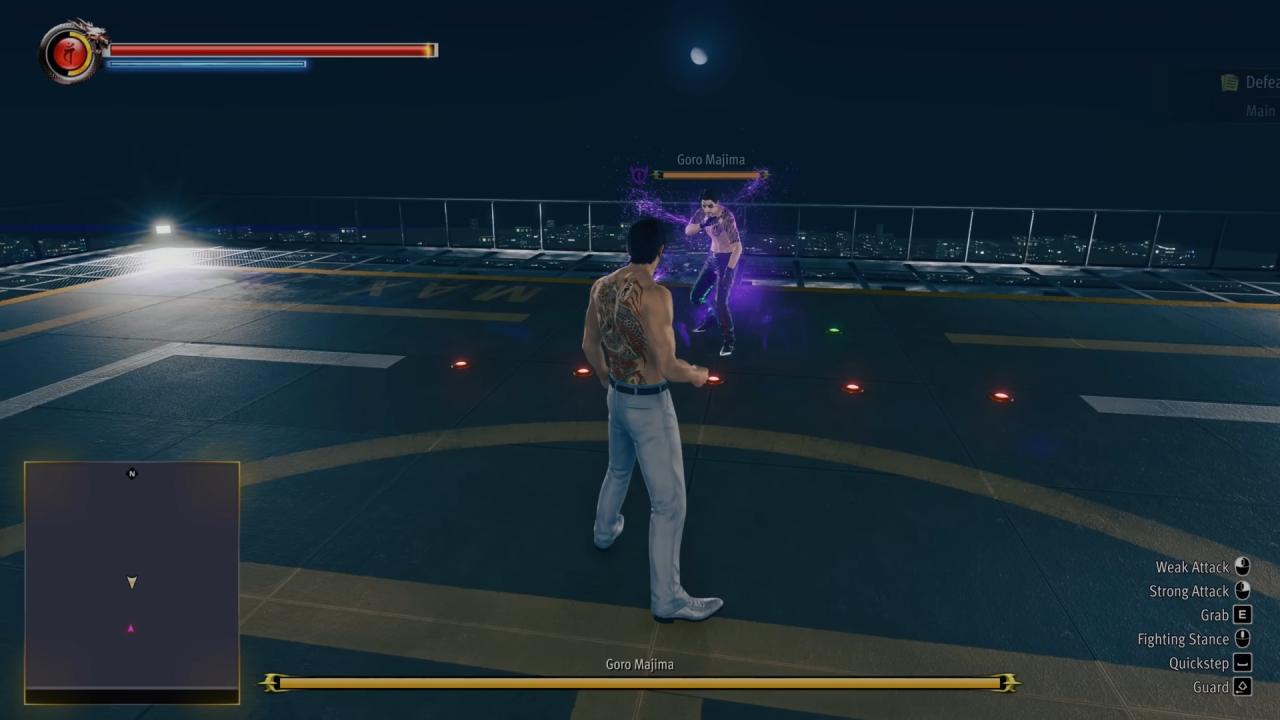
But the way the remake is presented changes the emotional tone of this journey in small ways. The new engine smooths out a lot of the rough edges that Okinawa and Kamurocho had in the past. This makes them look more alike than different in terms of theme. The lighting and character models lean toward a smoother, cleaner look, which slightly dulls the contrast that made Yakuza 3 stand out in terms of mood.
The story's speed is also still a problem. It takes a while to get going, and while the second half has some great drama, the way there is often crowded with stops, side roads, and required detours. Dark Ties, on the other hand, has a more organized plot. It retells the story of Yoshitaka Mine from the point of view of an ambitious and cunning man whose business sense meets with the unwritten rules of the yakuza world.
The story shows how Mine gets involved with people like Tsuyoshi Kanda, creating a situation where pride and recklessness constantly weaken intelligence and discipline. The story doesn't completely change Mine as a character, but it does give him more depth and background, which makes him seem more human without making excuses for what he did.
Yakuza Kiwami 3 has the usual series loop from start to finish.
You can go through mostly open areas, run into random people on the street, follow the main story, and get lost in a lot of side activities. Exploration is dense instead of vast, which makes you pay attention to the little things in streets, shops, and talks you hear along the way. Mini-games like fishing, bowling, darts, and singing are back to provide lighthearted distractions that balance out the darker story beats.
The Morning Glory orphanage has been changed so that it is now mostly an optional side scheme. Your "Daddy Rank" can go up if you help the kids with their jobs, cook meals, sew, or farm. These tasks are cute on their own, and they do sometimes lead to truly heartwarming character moments, but they often feel like they have nothing to do with the main story.
It's easy to ignore this part of the game because it doesn't affect your progress very often. This takes away from what should have been the emotional center of Kiryu's life in Okinawa.
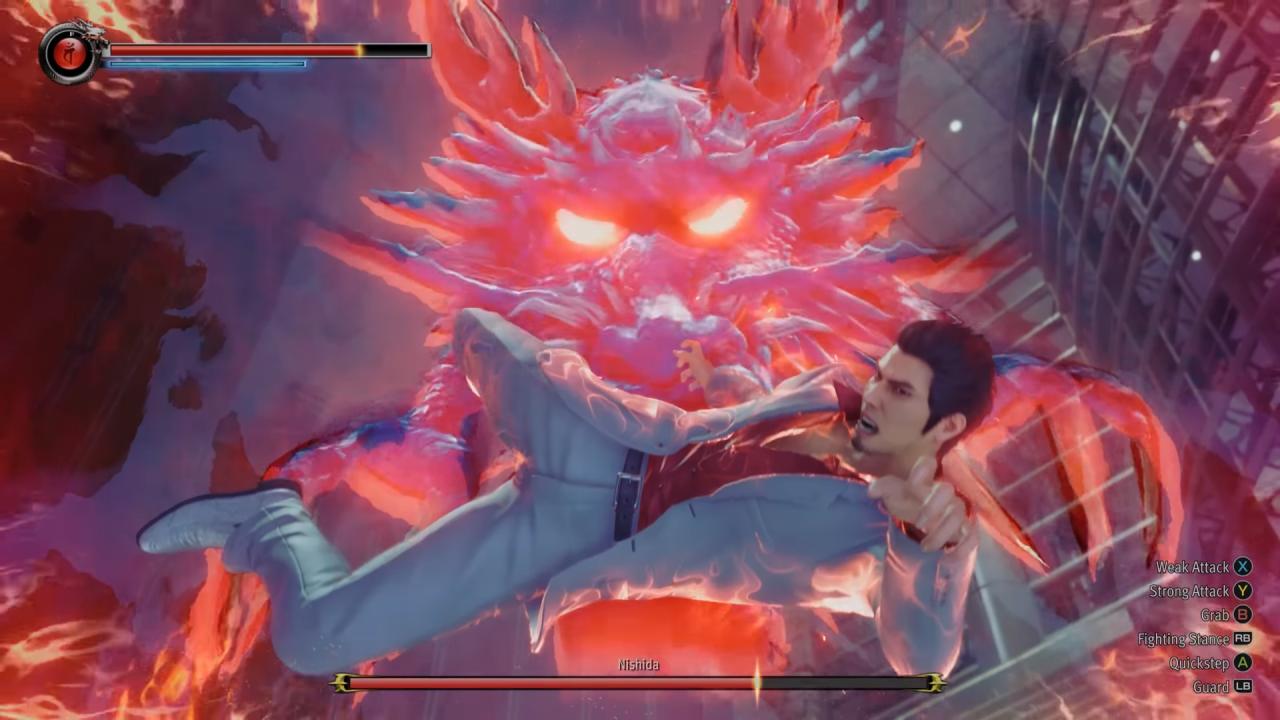
New features, like Baddies Battles, add big battles that are connected to a story about a biker gang. In these fights, you'll be in a crowded arena with waves of enemies, and the focus is more on spectacle than tactics. Even though they're exciting at first, they don't have enough meaning to keep you interested over time, and at times, they feel forced, which breaks the flow of the story instead of adding to it.
The main part of the game is still fighting, and this is where Kiwami 3 both shines and fails. Kiryu's famous Dragon Style is back, and it brings satisfying, heavy melee fighting with quick dodges and devastating heat moves. The way enemies act has been changed so that constant blocking happens less often. This makes street fights easier and less frustrating than they were in the original version.
The most important change is the Ryukyu fighting style, which is based on Okinawan martial arts.
This style adds fighting with weapons straight to Kiryu's moveset, so he can use blades, shields, and blunt instruments without having to keep track of an inventory. Once you learn it, it's very powerful because it lets you control crowds, defend yourself, and change your standing in ways that make many fights less important.
At first, the difficulty of learning this style is interesting, but as it becomes more common, it becomes less of a challenge, especially during boss fights, where other players have trouble keeping up with its range of moves. Through Mine, Dark Ties adds a unique combat personality.
His fighting style is faster, more aggressive, and based on combos, which let you dodge enemies and chain strikes with great accuracy. A special gauge lets you enter a state called "Dark Awakening," which increases damage and lets you use cinematic ending moves. The fights are shorter and more intense, which gives Dark Ties a tighter rhythm that works well with how big the main game is.
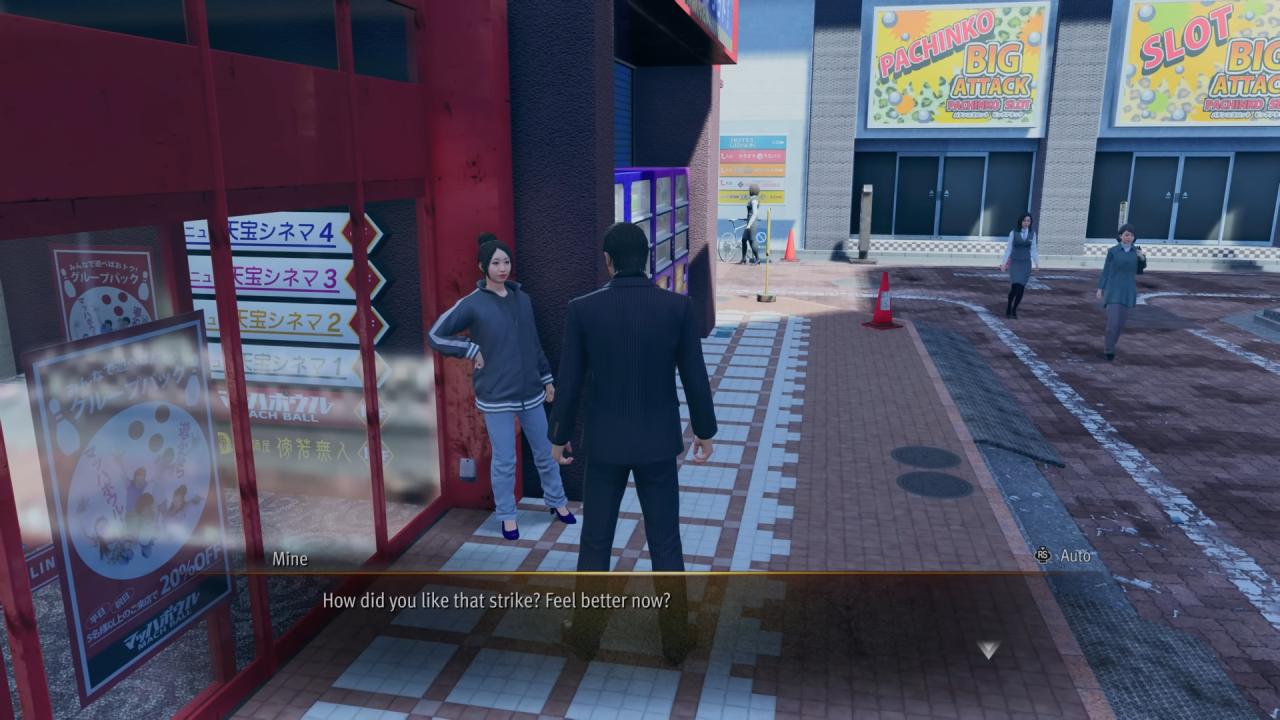
There are some light puzzle-like parts all over, especially in Dark Ties' basement fight club labyrinths. These areas combine fighting with exploring and making decisions based on risk and return. They have treasures and challenges that get harder as you go. Even though they aren't very complicated, they're a nice change of pace and make great use of Mine's fighting system.
In Yakuza Kiwami 3, the story moves in a way that feels familiar. You can improve your stats, unlock new moves, and level up your skills by spending the experience points you earn from activities and battles. The system is simple and fun, but the Ryukyu style can throw off the balance, making progress feel less important because power spikes happen too fast.
In Dark Ties, moving forward depends on doing things for Kanda that help her build her image. The idea that Mine does the work while someone else takes the credit is strengthened by the fact that completing these missions gets money and unlocks upgrades. The idea behind this loop is smart, even if the jobs sometimes turn into boring fetch quests.
Yakuza Kiwami 3 & Dark Ties on Nintendo Switch 2 runs at a steady 30 frames per second, whether it's docked or held in your hand. Dynamic resolution scaling and DLSS upscaling make sure that the picture looks sharp even if the number of pixels underneath changes. Performance is mostly stable, but there are short hiccups when switching from gaming to cutscenes that take away from the immersion.
The game looks great, no doubt about it. Character models are more detailed, settings have a lot of things to do, and lighting has gotten better since the first demos. This polish, on the other hand, takes away from the mood. Yakuza 3's look is becoming more and more similar to that of other current Yakuza games, getting rid of the rough edges that made it stand out.
The sound design has the right mix of dramatic orchestral music, fast-paced combat songs, and background city noise.
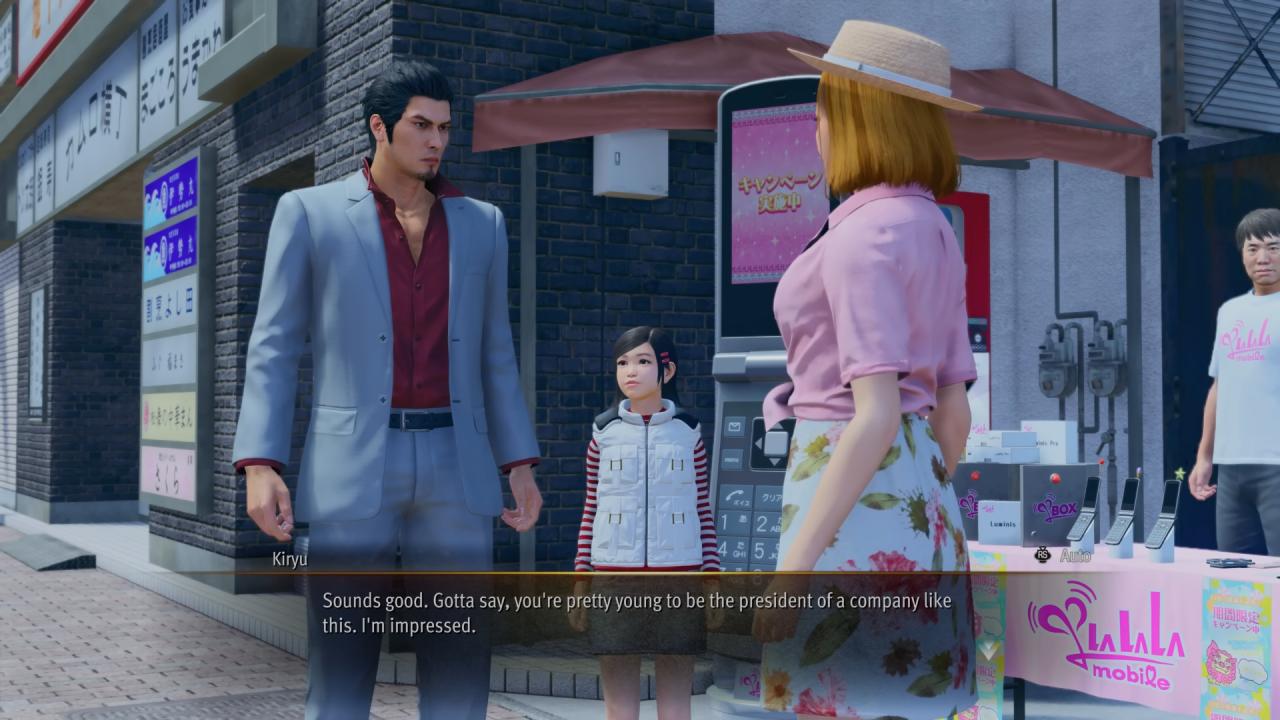
Music is good at changing tones, whether the story is sad or there are crazy fights. Voice acting is usually very good, but some choices about who to cast cast a long shadow over the experience. Some people find controversial recastings annoying and morally troubling, which can make them less interested in the show whenever those characters show up.
Yakuza Kiwami 3 & Dark Ties is a game that wants to respect its past while also changing it. It has a lot of material, works well on Switch 2, and has some truly brilliant story and gameplay moments.
However, it can't reach its full potential because of uneven pacing, overpowered systems, visual homogenization, and controversial artistic choices. Dark Ties stands out as a more focused and enjoyable experience that shows what the package does best when all the extras are taken away.
Contributor, NoobFeed
Verdict
Yakuza Kiwami 3 & Dark Ties is a polished remake that has problems with pacing, balance, and creative choices, but has good fighting and an interesting side story. Worth seeing, but not without some doubts.
65
Related News
No Data.