
AMD vs. Intel Handheld Battle: Ryzen Z2 Extreme and Core Ultra 7 258V Compared
Comprehensive comparison of Ryzen Z1 Extreme, Z2 Extreme, and Intel Core Ultra 7 258V performance across gaming and synthetic benchmarks.
Hardware by Tanisha Aria on Oct 22, 2025
Handheld gaming is changing quickly, and so are the powerful Windows-based handhelds, becoming increasingly popular. Three major APUs are at the heart of this competition: AMD's Ryzen Z1 Extreme, AMD's Ryzen Z2 Extreme, and Intel's Core Ultra 7 258V.
These are the most important ones for this generation of portable gaming. Each of these chips powers some of the most advanced handheld devices available today, pushing the boundaries of what portable gaming performance can deliver.
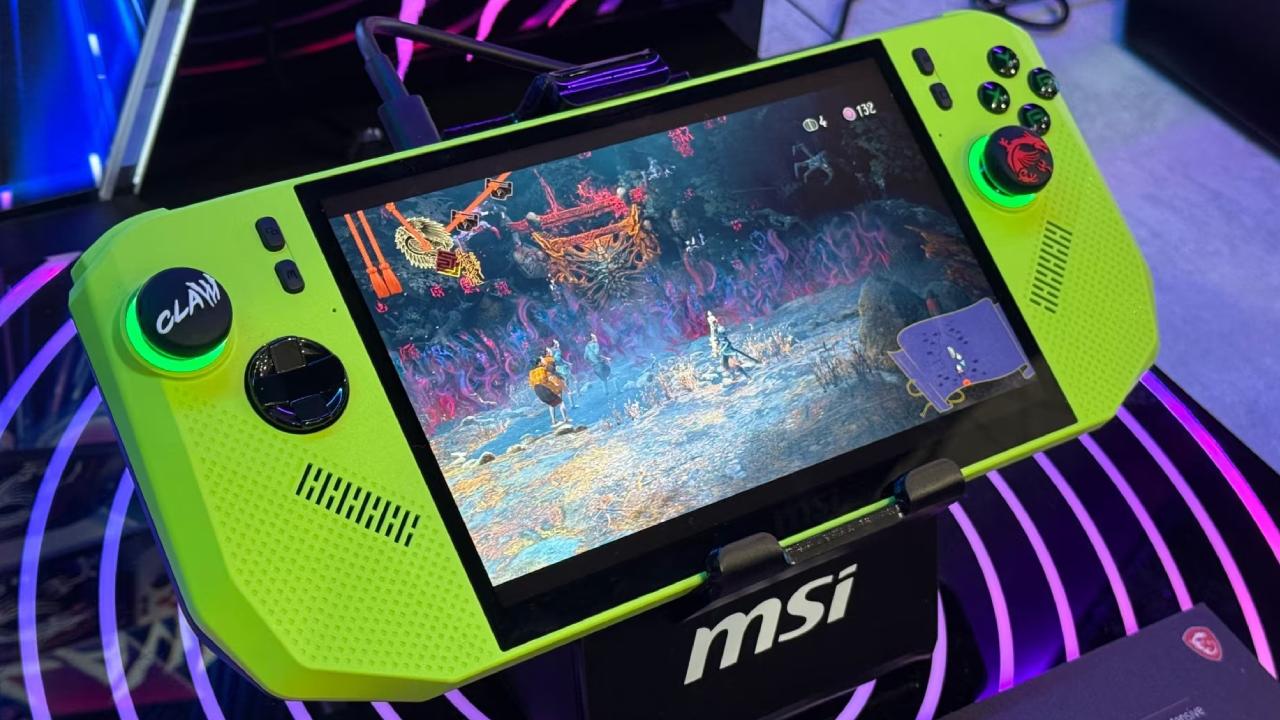
Contenders and Specs
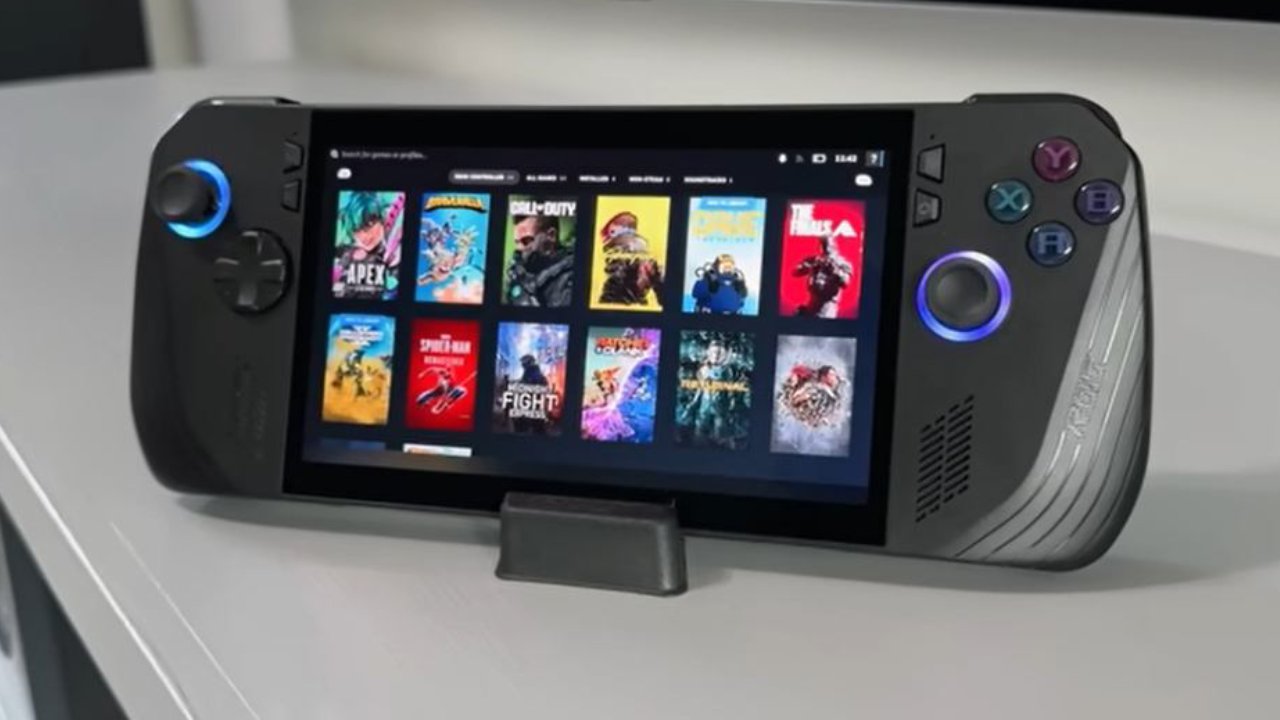
To compare these chips fairly, three handhelds were used as test beds. The ROG Ally X represents the Ryzen Z1 Extreme, the MSI Claw A8 carries the Ryzen Z2 Extreme, and the MSI Claw 8 AI runs on the Intel Core Ultra 7 258V. While other devices use the same APUs, these three provide an even match in thermals, power, and battery life.
The Ryzen Z1 Extreme, which has eight cores and sixteen threads, is based on the Zen 4 architecture. It features boost clocks up to 5.1GHz and an RDNA 3 GPU with 12 compute units running up to 2900MHz. This configuration is paired with 24GB of RAM running at 7500 MT/s.
Next up, the Ryzen Z2 Extreme brings AMD's latest Zen 5 architecture to the table. It retains 8 cores and 16 threads but uses a hybrid design—three cores clocking up to 5GHz and five Zen 5C cores peaking at 3.3GHz.
It also includes the upgraded Radeon 890M iGPU, which packs 16 compute units based on RDNA 3.5 running up to 2900MHz, along with 24GB of RAM at 8000MT/s.
The Intel Core Ultra 7 258V takes a different approach, featuring 8 cores and 8 threads, with four performance cores reaching up to 4.8GHz and four efficiency cores up to 3.7GHz.
Its integrated GPU, the ARC 140V, includes 8 Xe2 cores running up to 1950MHz, complemented by 32GB of on-package memory at 8533MT/s. Despite having a different architecture from AMD, it is designed for tasks accelerated by AI and for efficiency.
CPU Benchmark Results
For CPU performance testing, Geekbench 6 was used at both 17W and 25W TDP configurations. The Intel Core Ultra 7 258V outperformed the Ryzen chips at 17W, leading the field in both single-core and multi-core performance.
However, because of their extra threads, the Z1 Extreme and Z2 Extreme both surpassed Intel in multi-core performance at 25W. Between the two AMD chips, the Z2 Extreme slightly edged out the Z1 Extreme in single-core performance, while the Z1 Extreme fell a bit behind due to its older Zen 4 design.
GPU and Gaming Benchmarks
3DMark Time Spy testing showed the Intel Core Ultra 7 258V outperforming both AMD chips in synthetic GPU benchmarks at both power levels.
However, synthetic results don't always reflect real-world gaming performance, and Intel's ARC architecture often shows inflated numbers compared to in-game results.
In real gaming tests, each handheld was benchmarked at 1080p with both 17W and 25W TDP modes. The results reveal a tight race across the board.
Performance of Cyberpunk 2077
The Z1 Extreme averaged 41 fps at 1080p with the Steam Deck preset and 25W TDP The Z2 Extreme achieved 46 fps, and the Core Ultra 7 258V had the highest frame rate at 54 fps. With 42FPS at 17W, Intel continued to lead, while the Z1 and Z2 only managed 32-39FPS, respectively.
When compared to launch results, Intel's performance in this game has significantly improved thanks to its updated ARC drivers.
Shadow of the Tomb Raider Results
Running at 1080p low settings without scaling, the Z1 Extreme achieved 59FPS, the Z2 Extreme delivered 64FPS, and the Core Ultra 7 258V narrowly surpassed it with 65FPS at 25W. When dropped to 17W, the Z2 Extreme came out ahead of both, showing its efficiency advantage.
Forza Horizon 5 Testing
The Z1 Extreme achieved 76 fps at medium settings (1080p) and 25W, the Z2 Extreme reached 80 fps, and the Core Ultra 7 258V took the lead with 83 fps. The Z2 Extreme barely beat Intel by 1 FPS at 17W, highlighting AMD's steady power scaling at lower wattages.
Black Myth: Wukong Results
At low settings, 1080p with 60% resolution scaling (FSR for AMD and XeSS for Intel), the Z1 Extreme averaged 44FPS, the Z2 Extreme reached 49FPS, and the Core Ultra 7 258V landed at 50FPS. At 17W, the Z2 Extreme slightly edged ahead, while at 25W, Intel regained its 1FPS lead, showing near parity between the two.
Additional Game Testing
For heavier titles at 1080p low settings using FSR and XeSS balanced modes, the Z1 Extreme achieved 30FPS, the Z2 Extreme managed 31FPS, and the Core Ultra 7 258V reached 37FPS on average. Even at 720p, the improvement was marginal.
Despite being Steam Deck-verified, the game's optimization remains inconsistent across all platforms.
Final Thoughts
The Ryzen Z2 Extreme and Intel Core Ultra 7 258V perform remarkably similarly across several tests, frequently switching places based on power level and game engine. The anticipated generational uplift is confirmed by the fact that both continuously outperform the Ryzen Z1 Extreme.
The performance of the ARC GPU has been greatly enhanced by Intel's ongoing driver optimisations, making it a competitive option for portable gaming.
The choice between the two ultimately comes down to personal taste and cost. While the Core Ultra 7 258V offers superior GPU gains and driver maturity, the Z2 Extreme offers superior efficiency and thread scaling. If price is important, the Z1 Extreme is still a good choice while it's on sale.
In the end, the mobile game market has never been more competitive. Both AMD and Intel have come up with great ways to power the next generation of portable PCs.
Also, check our other Handheld articles:
- ASUS ROG Ally X Handheld Review: Double the Battery, Double the Comfort
- Nintendo Switch 2 Vs. Original Switch 1: A Full Comparison
- How To Connect A Camera And Join Voice Chat With Nintendo Switch 2
- Nintendo Switch 2 Review: Handheld Performance, Features & Value Breakdown
- ROG Xbox Ally X Vs. ROG Ally X: Display, Battery & Controls
- ASUS ROG Ally X vs. Steam Deck OLED: Display, Battery & Gaming Benchmarks
- MSI Claw 8 AI+ Review: Display, Controls & Gaming
- Nintendo Switch 2 vs. Steam Deck OLED: Gaming, Performance, Battery, Display and Value
- PlayStation Portal Review: Remote Play, Cloud Streaming & Travel Gaming
- PlayStation Portal vs. Lenovo Legion Go: Best Portable Gameplay
- Cyberpunk 2077 Patch 2.3 FPS Test on MSI Claw 8 AI+
Contributor, NoobFeed
Gaming Hardware Updates
No Data.