

Console Prices Hit Crisis Point as Sales Collapse
Rising hardware costs, weakening console sales, and growing concerns over next-generation pricing have sparked fears that the gaming industry could be heading toward a difficult transition.
Opinion by Sabi on Jun 28, 2026
There’s been a lot of amazing game releases this year, but the hardware market hasn't been so good. The console market is facing mounting pressure from a swarm of highly anticipated game launches and well-reviewed demonstrations as costs continue to climb and buyers test their patience.
The new games have given gamers plenty of reasons to spend money. Titles like 007 First Light, Forza Horizon 6, and the newest Star Fox have stoked the hype fires and proved that the game designers are still churning out quality titles. But good software hasn't been enough to alleviate people's concerns about console costs.
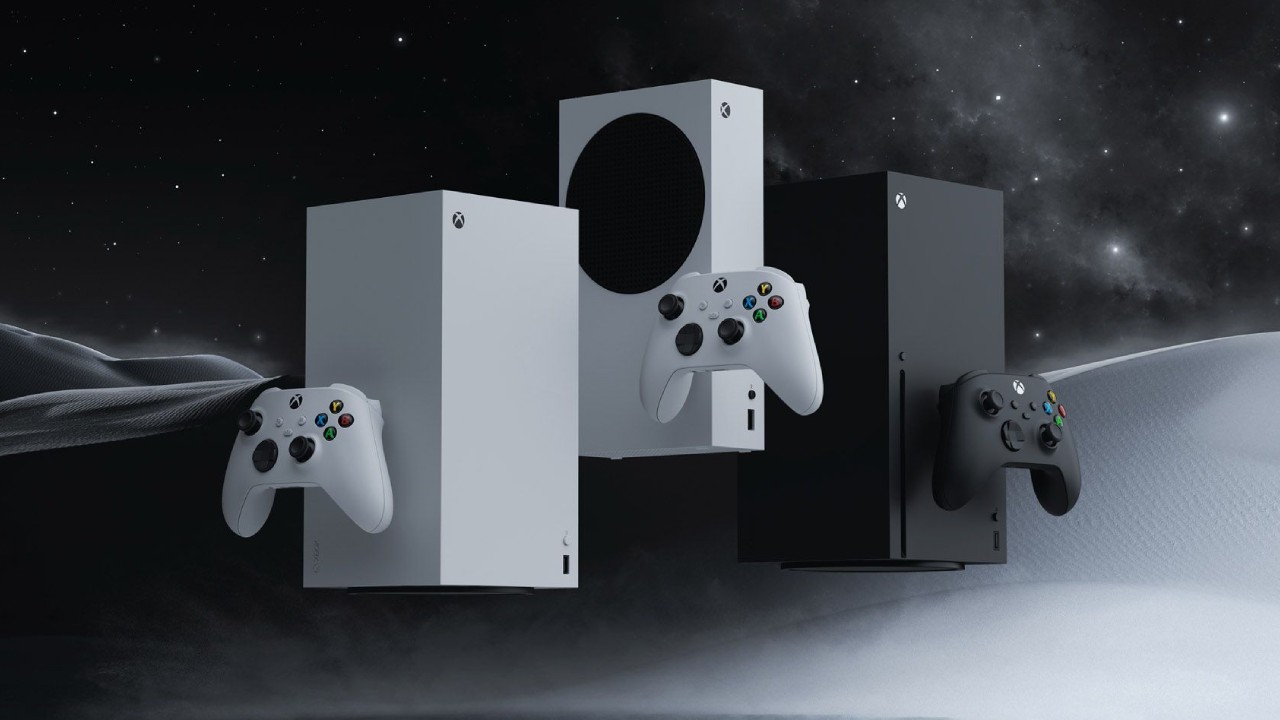
The Xbox pricing also went up again in the same week.
A new, pricey machine, the Steam Machine, was released and is claimed to be inferior to the PlayStation 5 in several respects. The incidents have revived concerns that game hardware is becoming too expensive for the typical consumer. Some people believe that price doesn't actually matter to console sales. Still, gaming history says otherwise.
Cost has always been a key factor in how well a system performs, especially early in a generation, when corporations are trying to grab more market share. This is exemplified by Sony's PlayStation 3 and Nintendo's 3DS. Sony released the PlayStation 3 on the heels of the great success of the PlayStation 2. The new console costs a whopping $600 bucks. People reacted immediately, and many opted for Microsoft's Xbox 360 instead.
Sony eventually improved, but it took years of relentless price decreases and solid software support. Nintendo experienced a similar issue when it released the 3DS. Many buyers weren't happy with the $250 price of the tablet at launch. Less than six months later, Nintendo lowered the price to $170 to get it into more people's hands.
It worked out in the end, although it never quite reached the dizzy heights of the first Nintendo D.S. These cases provide a key lesson to the market today. Pricing decisions made early on can set the tone for customer perceptions of an entire console generation and the long-term growth that will take place.
New sales data shows that both Xbox and PlayStation experienced historically low device sales in May, making that lesson seem even more significant.

Circana, a market tracker, said Xbox had its worst-ever May for hardware sales in the US, while PlayStation had its worst May in more than 20 years. The figures are especially sad because they came out in a year full of strong games. There are several amazing games to select from. Many people are choosing not to buy new hardware.
That appears to be a key cause. Console pricing fell over time, making it more likely that late adopters would migrate to a platform when prices were more equitable. For example, the PlayStation 3 was much cheaper in its later years, allowing millions more players to enter the ecosystem.
The current generation has bucked the trend. The price of consoles has been slowly rising rather than falling. Microsoft released the Xbox Series S for $300 to make it easier for users to get into the Xbox ecosystem. The value offer just isn't quite as compelling now with the system nearing the launch price of the more powerful Xbox Series X.
Memory costs will rise again in the next few years, and system costs are unlikely to return to the levels we saw anytime soon. The growing expenses have also raised questions about the next generation of gaming gear. Rumors are still circulating about Microsoft’s future Xbox, often referred to as “Project Helix,” and Sony’s PlayStation 6.
But many experts and consumers fear that if new consoles are priced at $1,000 or more, they would only appeal to gamers, not the general population. That prospect is particularly frightening because hardware purchases have recently slowed. If clients are already balking at $650-$700, it will be tough to entice them to shell out much more for future generation systems.
.jpg)
To make matters even worse, Lenovo has said that memory shortages and pricing challenges may not ease until at least 2030.
So this could suggest that the current scenario is not only a short-term issue. There's been a lot of wrath directed at game developers from customers, but the problem is wider than Sony, Microsoft, Nintendo, or Valve. The rapid development of AI mainly drives the Cost of hardware. The demand for high-performance memory has exploded, with AI businesses accounting for a large share of global RAM production. The gaming industry can’t keep up with demand, and contract prices are climbing. That implies hardware makers have to pay extra to make their stuff.
I think the memory makers could increase production in the future, but that would take years. There have been boom-and-bust cycles in the sector before, but the demand created by AI appears to be much larger now than in the past.
Some analysts have argued that bringing in more manufacturers, notably from China, might help ease supply problems in the long run. But few people expect to feel any better anytime soon. Such economic realities could force Sony and Microsoft to rethink how they roll out the next round of devices.
Companies might instead release limited quantities to die-hard fans willing to pay a premium, rather than launching consoles simultaneously worldwide. Valve appears to be using a similar approach with its Steam Machine. It is starting with a modest production run and says it believes the expenses of building the machine will fall over time.
PlayStation and Xbox may release new hardware on a similar model without waiting for the entire market to embrace it.
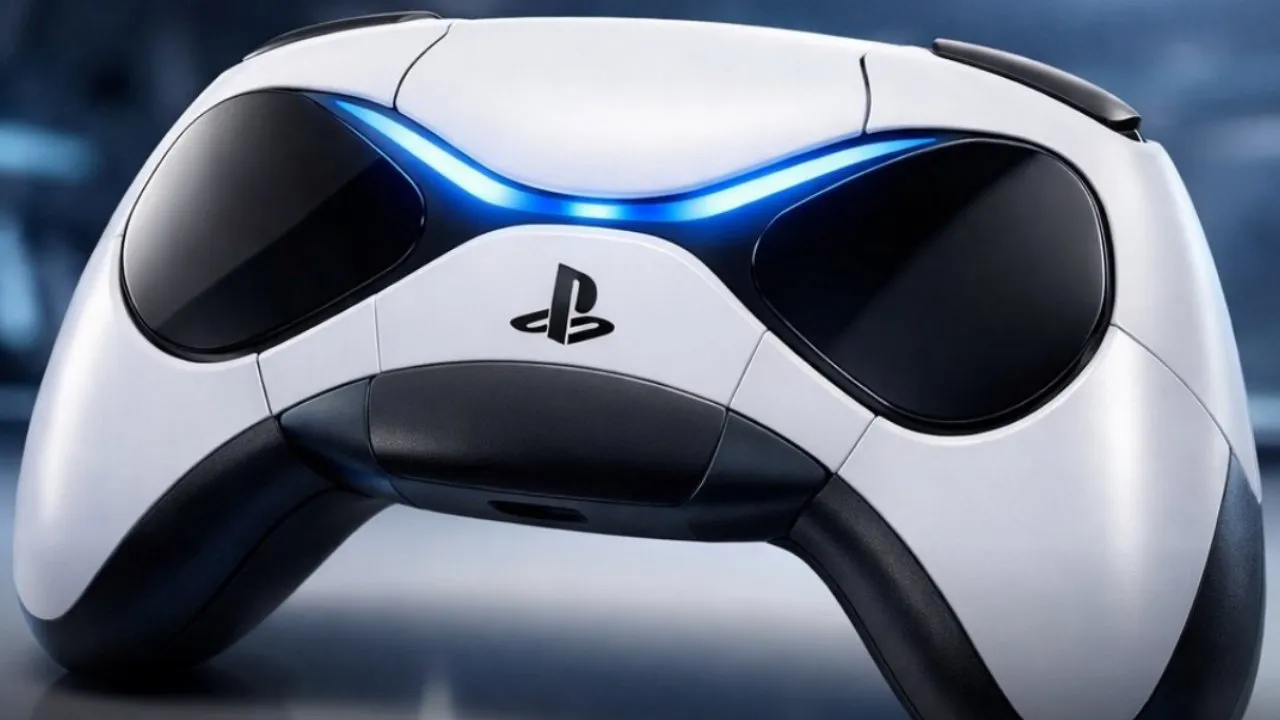
At the same time, both firms may continue to support the PlayStation 5 and Xbox Series X|S with cross-generational updates. That might help present gadgets last a lot longer than anyone believed they could. Such a scheme would reduce short-term financial risk but could limit long-term growth, as high launch prices have sometimes prevented early adopters and the industry from growing at all.
For now, many people think this group will continue to serve players well until the end of the decade. How fast hardware prices settle down might influence whether Sony and Microsoft decide to wait on their next systems, or go ahead with them even if costs are higher.
Meanwhile, the gaming business finds itself in a difficult position. Software quality is still quite good, but rising hardware costs could impede that trend. If expenses don’t come down, the next generation of consoles could be one of the most expensive and demanding the business has ever seen.
Staff Writer, NoobFeed
Latest Articles
No Data.