
DRAM vs. NAND Explained: The Memory Crisis Driving Up PC and SSD Prices
Why Computers Need Both DRAM and NAND Working Together to Function Properly.
Hardware by Mitsuba Miyu on Jan 30, 2026
Two different types of memory work together behind the scenes to make modern computers work. Most people use the term "RAM" to mean anything, but that's not always the case.
There are two primary memory technologies powering common gadgets, and understanding their functions helps explain not only performance disparities but also why prices have increased so substantially in recent years.
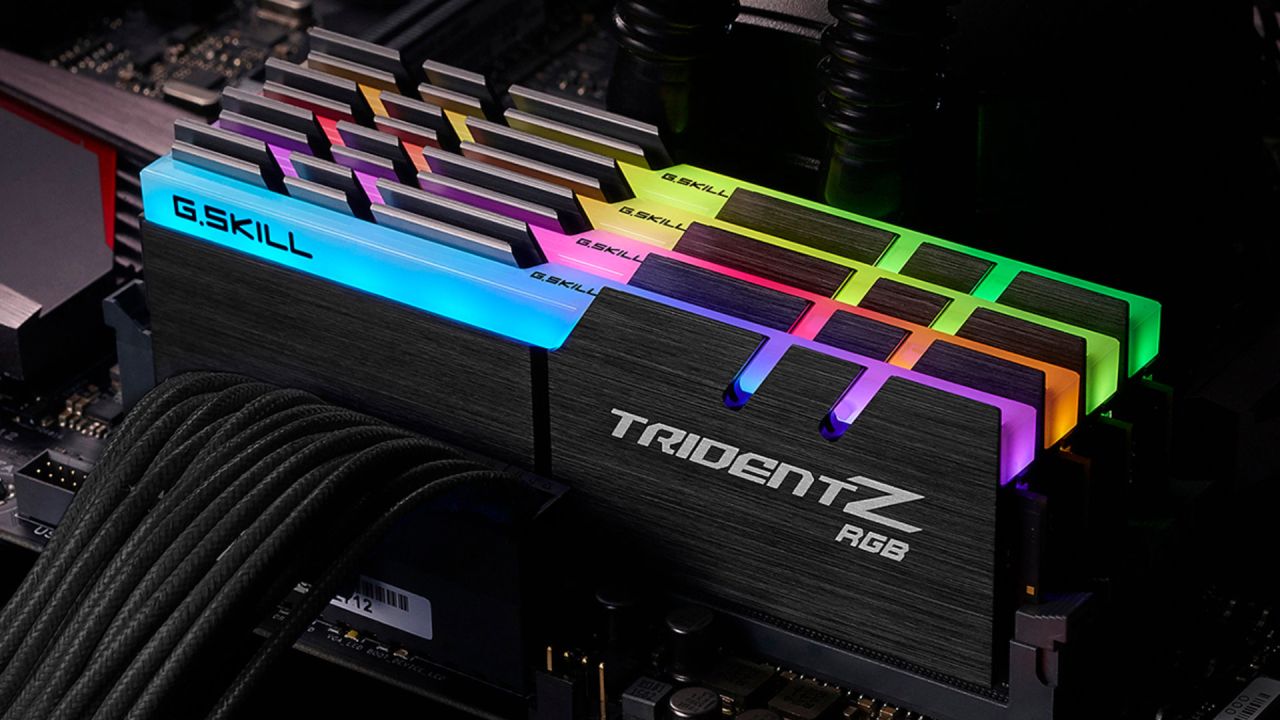
DRAM: Working Memory That Maintains Everything's Motion
DRAM is the short-term working memory of a computer. It's the space where active tasks live while your system is functioning. DRAM is essential for opening tabs in a browser, playing games, editing videos, compiling code, and multitasking across applications.
More DRAM offers easier multitasking, fewer slowdowns, and improved overall responsiveness. When there isn't enough, the system frequently shuffles data back and forth to storage, leading to latency, stutters, and excessive load times. DRAM is what gives a computer a sense of speed rather than frustration for both pros and regular users.
NAND Memory: Where Your Data Actually Lives
Another crucial type of memory is NAND, which serves a completely different function. SSDs, cellphones, USB drives, and other persistent storage devices all contain NAND flash memory. Files, programs, games, photographs, and operating systems are all saved here even when the device is shut off.
While NAND is slower than DRAM, it is non-volatile, meaning it keeps data without power. Computers depend on NAND for long-term storage and DRAM for real-time functioning. Modern technologies simply cannot function without both working together, and neither can take the place of the other.
Why Demand for Memory Has Exploded
The demand for DRAM and NAND has increased at a rate never seen before on a worldwide scale. The rapid growth of large-scale computing infrastructure, particularly data centers handling complex AI workloads, is a key factor driving this increase.
These facilities work like enormous supercomputers, executing models across thousands of GPUs around the clock. Each installation requires massive amounts of DRAM and vast volumes of NAND storage. Millions of personal computers' worth of RAM can be used by one sizable AI cluster.
As more of these facilities come online, memory demand scales aggressively, exerting strain on global supply.
Consumer RAM Prices Under Pressure
Customers are directly feeling the effects of this demand. In a short time, memory kits that were previously reasonably priced have seen sharp price hikes. For instance, the cost of a 32GB DDR5 kit has tripled in just one year. Both SSDs and conventional hard drives have experienced a tremendous increase in popularity.
For many people, installing or updating a PC has gone from an acceptable investment to something verging on a luxury. Even entry-level systems are becoming difficult to justify as component prices continue to grow.
Big Tech and Long-Term Supply Lockups
This change is mostly the result of large technological businesses. By entering multi-year contracts with memory manufacturers, corporate buyers are effectively reserving output years in advance. Large-scale clients who can pay more and make long-term commitments are given priority in these agreements.
This makes excellent business sense from the supplier's perspective. Large-scale guaranteed revenue is difficult to overlook. As a result, rather than producing DRAM and NAND for consumers, businesses like Samsung and Micron are increasingly concentrating their manufacturing on server-grade memory made especially for data centers.
This change limits the amount of memory available to everyday users, further compressing supply and driving prices higher.
Why Manufacturers Can't Just Build More Factories
It may seem apparent at first that producers might just increase output. In fact, building a new memory production factory is quite costly and time-consuming; it often takes years to get up and running.
Additionally, suppliers are cautious about excess inventory. Past memory booms have led to significant price declines, damaging earnings, and prompting harsh cuts. Many manufacturers decide to limit expansion and give high-margin corporate contracts priority when faced with unclear long-term demand and costly upfront costs.
Some providers have even begun quitting the consumer memory market altogether to focus nearly solely on enterprise customers.
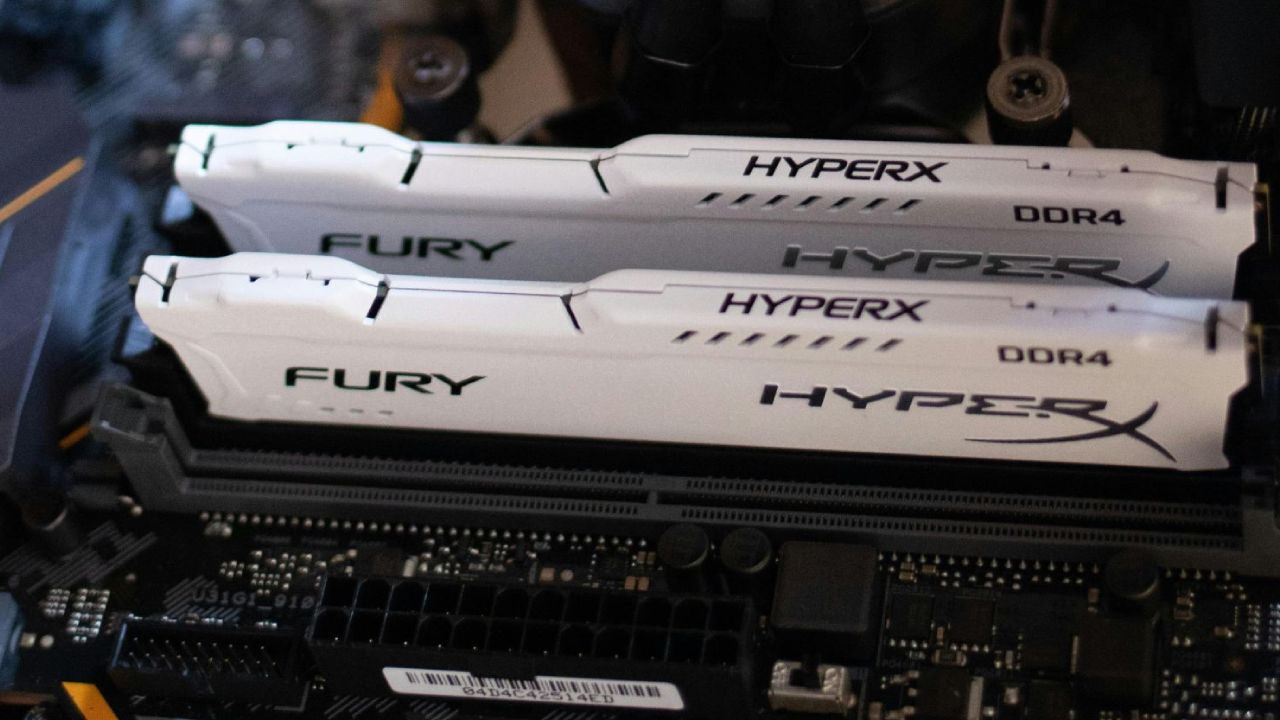
How Rising Memory Costs Affect All Devices
Higher RAM and storage prices don't only harm PC makers. The strain is felt across the industry by hardware makers. DRAM and NAND are essential components of laptops, gaming consoles, smartphones, and other smart gadgets.
Cost increases for components are transferred down the chain. Consumers eventually pay more, either via higher costs or through sacrifices in specifications.
We're already seeing devices ship with less RAM by default, frequently 8GB or 16GB, with upgrades locked behind higher pricing tiers. In many cases, that RAM is soldered directly to the motherboard, meaning whatever configuration you buy on day one is all you'll ever have.
The Shift Toward Cloud Dependency
As local hardware grows more restricted, devices increasingly count on cloud-based services. With internet services and AI-powered solutions filling in the gaps, this appears to be progress on paper. In practice, it often results in weaker local computers that rely on remote servers for functionality.
You may sense this transition when tasks take longer, upgrades are unattainable, or workloads are silently offloaded to technology you don't own or manage.
The Creative and Educational Impact
Creative professionals are particularly affected by rising memory costs. RAM is essential to the productive work of developers, artists, sound engineers, video editors, and students. When renovations become unaffordable, productivity falls.
Rendering times increase, modern tools become difficult to run, and access to capable machines becomes limited. Budgets stretched by rising component costs in governmental and educational institutions can result in fewer or weaker devices, leaving some users behind.
A Narrowing Path to Real Computing Power
Access to powerful personal computers is becoming increasingly unequal as the cost of essential components rises. Massive amounts of memory are concentrated in data centers owned by a limited number of firms. At the same time, individual users face rising fees and shrinking options.
As a result, the gap between big companies with essentially limitless resources and everyone else attempting to keep up is growing.
What Can Still Be Done
There are ways to resist, even when things won't change right away. Supporting devices that can be repaired and upgraded lowers long-term expenses. It is possible to raise awareness of how large-scale supply agreements impact the overall market by demanding openness.
Selecting hardware that permits standard components and user-replaceable RAM gives manufacturers a clear signal. Over time, enough pressure can affect market priorities and design decisions.
.jpg)
Final Thoughts
It's not just charts and supply chains that are causing RAM and storage prices to go up. It changes how people use technology, how they learn, create, and work, and who gets to use real computer power. When you know what's going on behind the scenes, it's easier to understand why memory has become one of the most important and controversial parts of modern computers.
Also, check our other hardware articles:
- AMD Ryzen 9 9950X3D Review: Setting The Standard For 2025 Gaming CPU
- Amazon Luna 2025 Review: Is Prime Gaming's Cloud Service Your Go-To For Casual Fun?
- AMD RX 9070 XT Review: AMD's RDNA 4 Champion for 1440p Gaming
- GeForce Now Ultimate: Ditching Your Gaming PC For Cloud RTX 4080 Power?
- NVIDIA GeForce RTX 5080 Review (2025): Still A 4K Gaming Powerhouse?
- Intel Core Ultra 9 285K Review And Performance Breakdown (2025)
- AMD Ryzen 7 9800X3D Review: 3D V-Cache Goes God Mode with Stunning Gaming Performance
- Intel Core Ultra 9 285K vs AMD Ryzen 7 9800X3D: In-Depth Gaming Performance and Benchmark Comparison
- NVIDIA GeForce RTX 5080 Super Performance In Cyberpunk 2077: Path Tracing & DLSS 4.0 Tested
- AMD Radeon RX 9070 XT In Cyberpunk 2077: Ray Tracing & FSR 4.0 Tested
- Intel Arc B580 Review: The $250 GPU Revolutionizing 1440p Gaming
- Intel Arc B570 Vs. B580: Value, Specs, And Real-World Gaming Performance
- RTX 5090 Laptop Vs. M4 Max MacBook Pro: Ultimate Raw Performance Vs. Battery Endurance
- Intel Arc b580 Vs. RTX 4060: Game Performance And Value Analysis
- RTX5090 Hell Is Us Demo 4K Ultra Benchmark: DLSS Vs. Native Performance Guide
- NVIDIA RTX 5070 Review: Mid-Range Muscle or Marketing Hype?
- Nintendo Switch 2 Review: Handheld Performance, Features & Value Breakdown
- RTX 5070 Ti Review: Performance, Thermals & Power Efficiency Tested
- Samsung Odyssey OLED G81SF Review 2025: Ultimate 32-Inch QD-OLED Gaming Monitor
- AMD RX 9070 Performance Review: Thermals, Clocks, and Real-World FPS
- AMD Ryzen 5 7600 Review: Best Budget Gaming CPU of 2025?
- AMD Radeon RX 7800 XT Review: RDNA 3 Power For Midrange Gaming
- Asus ROG RTX 5090 Astral OC Vs. Founders Edition: The 4K Gaming Benchmark
Editor, NoobFeed
Gaming Hardware Updates
No Data.