
Sony Outlines All-Digital Plan Despite Latest Disc Releases
Just days after claiming nobody wants physical games, Sony's next two big exclusives are suddenly launching on disc, and fans aren't buying the excuse.
News by Mymunah Tasnim on Jul 11, 2026
If you've been following the fallout over the last week or so, you already know things have gotten messy for Sony. The backlash has been building for about nine days now, and PlayStation is starting to look like a company that knows it made a mistake but has no real way to walk it back.
The whole thing kicked off when Sony pushed the idea that almost everyone buys their games digitally now, tossing out a claim that 90% of purchases are digital-only. The problem is that the number gets padded with things like Fortnite V-Bucks and other in-game digital spending, which has nothing to do with whether people actually want physical games or not.
It's a stat built to support a decision Sony had already made, not one that reflects what players actually want.
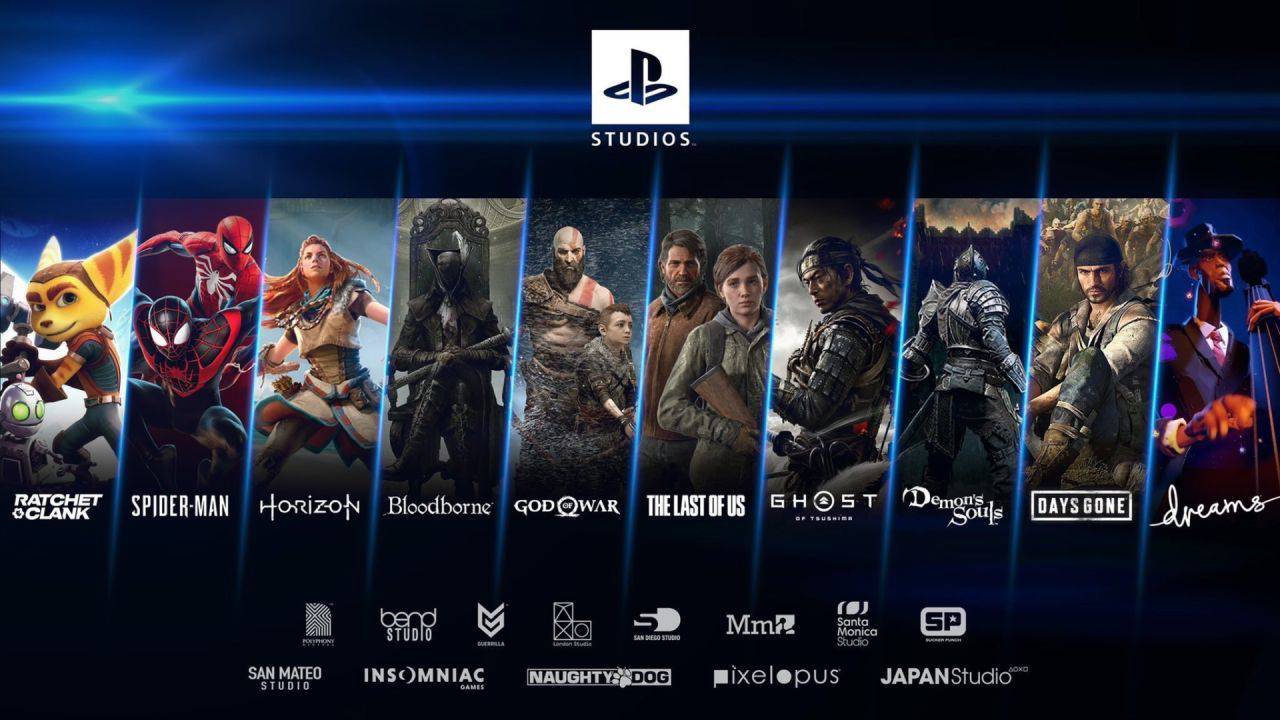
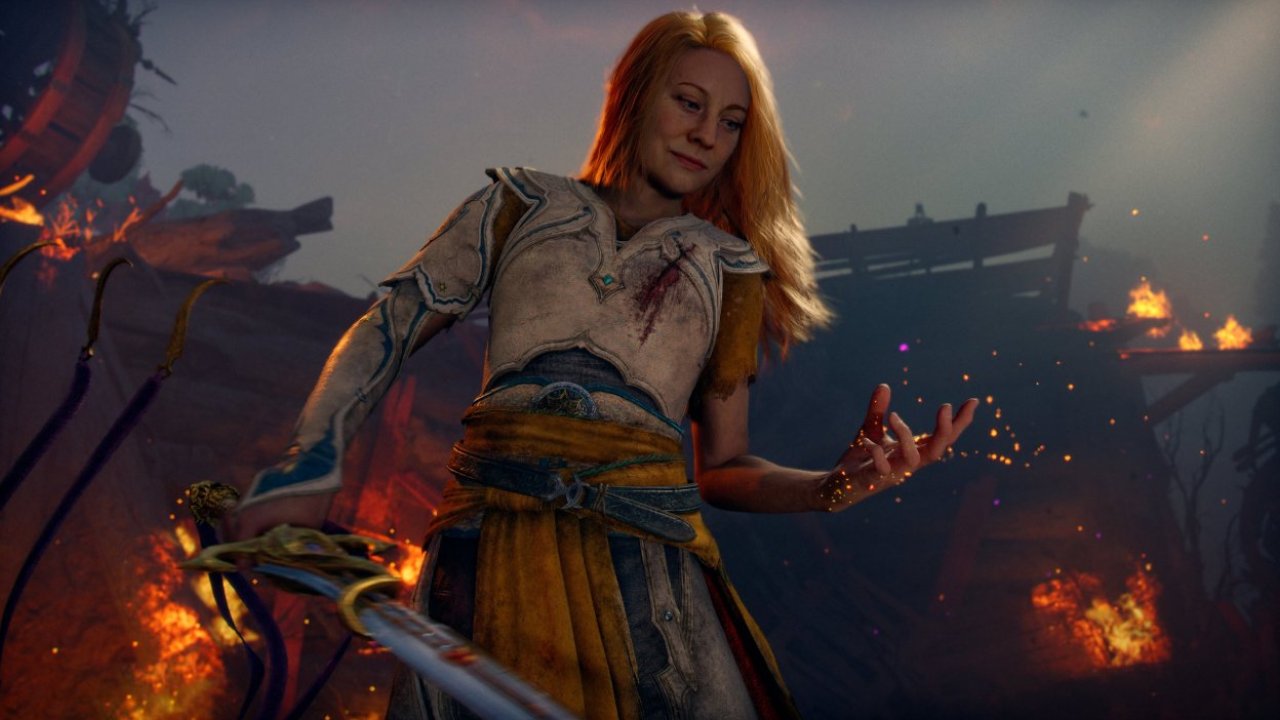
Then, seemingly out of nowhere, you get the announcement that two of PlayStation's biggest upcoming releases, God of War Laufey and Marvel's Wolverine, will both come with physical discs. Not just any discs either, full data on the disc, playable offline, with collector's editions included.
If you're trying to square that with a company that just spent a week insisting physical games don't matter, it doesn't add up. You go from "nobody wants this" to "please pre-order the physical edition" in the span of a few days, and that kind of flip doesn't happen unless something behind the scenes is scaring the people in charge.
The likely explanation is that Sony is watching numbers that look bad. There's chatter about people selling off their PS5s or flat-out saying they won't bother with a PS6 when it eventually comes out. And there are already leaks pointing to a PlayStation 6 launch as soon as next year, which puts it a little over a year away.
That's a tight window for Sony to convince people to line up again, especially with a system that reportedly won't have a disc drive at all. No drive means no physical games, but it also means no backward compatibility with your existing PS5 or PS4 library. Add in graphics that aren't expected to be a massive leap and a lack of clear exclusives, and you start to see why loyal fans are hesitant.
If you're someone who actually cares about physical games and collecting, the Switch 2 suddenly looks a lot more appealing.
All thanks to its exclusives and portability, the PC becomes tempting too, with better graphics, modding support, and usually lower prices. Once the God of War Laufey game announced its 2027 disc release date, the comments came pouring in quickly enough.
Remarks such as canceling your PlayStation Plus, canceling your pre-order, and questioning why a company that is supposedly shifting towards digital sales is now making the disc release something positive have been pouring in.
What the sentiment of many gamers seems to be here is that while Sony recognizes the value of goodwill in gaming, they themselves do not necessarily buy into it. The way PlayStation seems to be framing the situation is "We hate it too, but as long as we can, we will continue to print out discs because no one buys them."
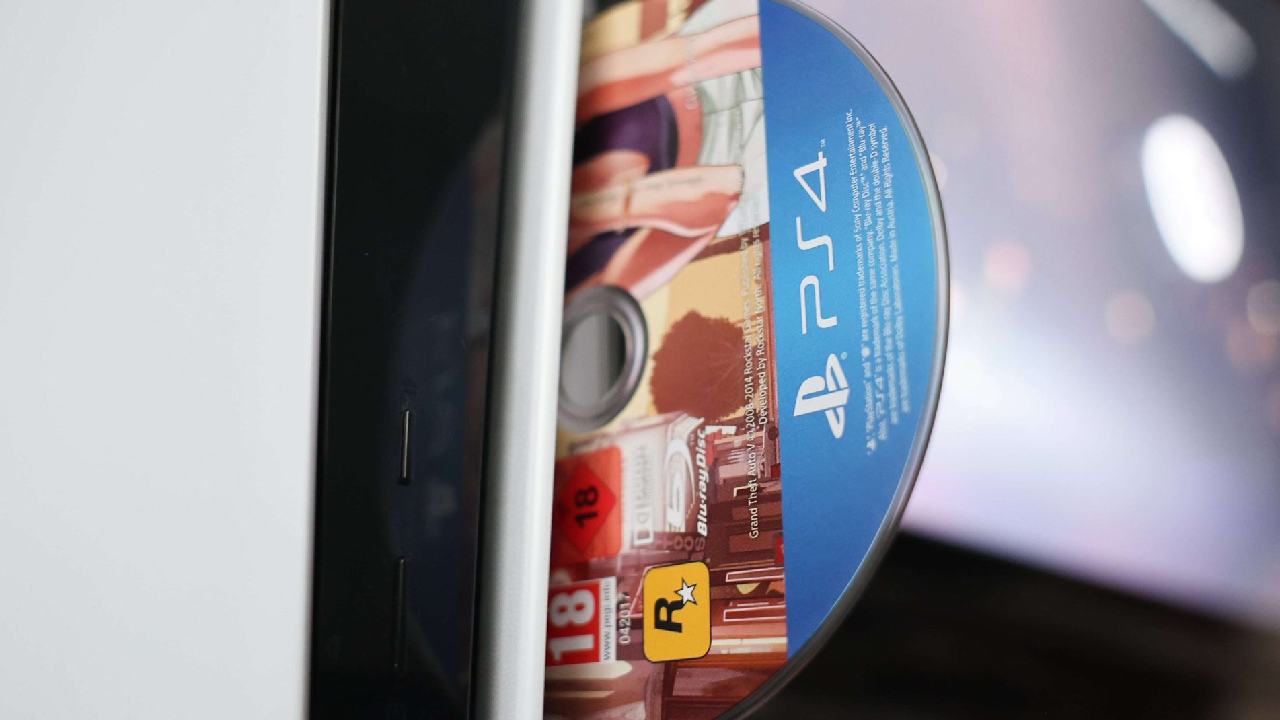
Part of the skepticism comes from watching what's happening elsewhere. GTA 6 is reportedly going fully digital, and preorders for its "Code in a Box" edition were unusually low. Some think that's intentional , a way to point at weak retail numbers as proof that physical media is dying, which conveniently supports the push toward an all-digital future. And the math behind that push is hard to ignore.
On a $70 first-party game, Sony reportedly earns around $45 from a third-party physical sale.
That number jumps to about $55 if it's sold digitally, since there's no box to ship, no disc to print, and no packaging to manufacture. That works out to roughly 40% more profit on third-party digital games and about 55% more on first-party titles. With margins that far apart, it makes sense why Sony would be fine losing a chunk of its audience if the digital gains outweigh it.
That's what makes this feel like such a shift from what PlayStation used to represent. There was a time when Sony would fund extra content for third-party studios just to slap a "PlayStation Edition" label on it , bonus maps, extra weapons, whatever it took to make the PlayStation version feel like the best version. It signaled that the company actually cared about the experience players were getting.
Now it feels like the opposite. It doesn't seem to matter where or how you play, only that the numbers look good, even if that approach causes damage down the line. People have pointed fingers at leadership over this, including Hermen Hulst, even though he has a long history working on games like Horizon Zero Dawn.
Whether that criticism is fair or not, it's clear a lot of longtime fans feel like the PlayStation they grew up with isn't the one making these calls anymore. There's also something telling in the fact that Santa Monica Studio and Insomniac felt the need to publicly confirm their games would be on disc at all. If physical games were truly irrelevant, there'd be no reason to use a disc release as a marketing hook or a way to earn back goodwill.
According to multiple leaks, the decision to end physical releases wasn't something Sony's own studios or publishing partners were consulted on.
It reportedly came from a small group at the top, catching the people who actually make and distribute the games off guard. A lot of fans have taken that as proof that Sony's leadership isn't just distant from players, but from its own teams too.
In favor of preservation, the detailed report Does It Play has been showing how many PS5 discs actually work without any internet connections or additional downloads, and the numbers prove once again that the notion of physical games being some outdated form of entertainment that no one uses is far from the truth.
For the majority of these games, the discs actually contain actual data that is not just an activation key, as was stated previously. And it is important here since the argument in favor of abandoning physical games cannot be about whether the latter actually work or not; it is about making profits.
Legally, the situation becomes complicated. Consumer rights organizations in Brazil and the EU have filed lawsuits in relation to the abandonment of discs on the basis of consumer protection laws allowing consumers to own, sell, and trade their products.
Abandoning physical games removes the protection mentioned.
The regulatory agencies, according to reports, cannot legally oblige Sony to produce discs anymore, yet they can enforce certain requirements for better consumer protection when buying digital copies of the products, thus guaranteeing ownership of them. Until the law is passed regarding the issue, physical games will remain dominant.
That argument gets stronger when you look at what's already happened. Gran Turismo Sport, a first-party PlayStation title, is gone from digital storefronts entirely. If you don't already own it on disc, you simply can't play it anymore. That's the risk with digital games in general: if a title gets pulled or runs into a legal issue, it can vanish without warning, while a disc on your shelf stays exactly where you left it.
None of this means digital games need to disappear. Plenty of indie titles never get physical releases in the first place, and that's fine. The question is more about choice than being coerced to conform to any one particular standard. Even in those cases in which video games never lose their full price, the fact that there is an option to purchase a physical copy of the game is important.
.jpg)
Not everyone agrees the backlash is justified, and a small group of defenders has argued that people are overreacting, pointing out that plenty of fans already buy mostly digital anyway. But that misses the point for a lot of people pushing back; this isn't really about nostalgia or having a shelf full of cases.
It's about ownership, and about a major company making a decision that affects millions of players without asking them first.
Even actor Christopher Judge has weighed in, suggesting that losing physical releases will make future games feel less special. The God of War Trilogy Remake is expected to be Sony's last major first-party title tied to a traditional disc release, which only adds weight to that sentiment.
At the end of the day, most of the anger circling this story isn't really about discs sitting on a shelf. It's about something people cared about being taken away without any real say in the matter, and about a company that once built its identity around player trust, now treating that trust like an afterthought.
Editor, NoobFeed
Related News
No Data.