
Sony Stays Silent as Backlash Over Reported Digital-Only Future Continues to Grow
An industry analyst believes PlayStation has little reason to reverse course, but many fans aren't convinced the long-term consequences will be so small.
News by Mahi Araf on Jul 10, 2026
Sony continues to face heavy criticism following reports that it plans to move away from physical game discs for future PlayStation releases, and nearly two weeks into the controversy, many fans are taking the company's silence as a sign that nothing will change.
Instead of responding directly to the backlash, Sony has continued with its usual announcements, including revealing new PlayStation Plus monthly games and promoting upcoming releases. That approach has only fueled frustration among players, with many social media posts now being met by community notes reminding users that digital purchases are licenses rather than permanent ownership.
Those notes point out that access to digitally purchased games can be revoked and raise concerns about long-term game preservation, resale, lending, and dependence on online storefronts and servers.
The criticism hasn't been limited to Sony's own posts.
Promotions for upcoming titles from third-party developers have also become flooded with conversations about the reported shift away from physical media. In several cases, community notes have warned consumers about the company's digital strategy rather than discussing the games themselves, showing just how far the debate has expanded beyond Sony's official announcements.
Adding to the controversy are claims surrounding Sony leadership. Reports that CEO Hiroki Totoki sold company stock before the announcement have become another talking point among critics. However, many online discussions have focused less on the sale itself and more on what they see as growing concerns about Sony's direction.
While many fans continue hoping the company will reconsider, one industry analyst believes that outcome is highly unlikely.
Japanese games industry analyst Serkan Toto says Sony probably anticipated the public reaction before making its decision and now expects the criticism to fade over time rather than force a reversal. In his view, the numbers simply don't create enough pressure. With more than 120 million active PlayStation users and roughly 50 million PlayStation Plus subscribers, even a protest involving hundreds of thousands of canceled subscriptions would represent only a small percentage of the company's overall business.
From that perspective, the financial incentive behind a digital-only ecosystem outweighs the temporary damage to public perception. That assessment has disappointed many players who were still hoping Sony would acknowledge the concerns or announce changes. Instead, critics argue the company's silence suggests it sees the backlash as something that will eventually pass on its own.
Despite that outlook, some players continue encouraging others to cancel PlayStation Plus subscriptions, avoid digital pre-orders, and reduce spending on the platform if they want Sony to recognize consumer dissatisfaction.
Supporters of those efforts argue that if customers continue buying games as usual, the company will have little reason to believe the controversy matters.
Others believe the larger issue extends beyond the immediate debate over discs. They argue that once a company successfully removes one consumer choice without major consequences, additional restrictions could follow in future generations.
The controversy has been covered by gaming media, too. The backlash from players canceling PlayStation Plus subscriptions has sparked criticism and debate over whether the protest will ultimately affect the launch of PlayStation's next console.
Some fans think Sony might take a small short-term hit and not worry too much, but they're wondering whether that safety net will still be there if a large chunk of players decide not to buy the PlayStation 6 at all. Though the future of hardware sales is impossible to predict, many critics say that brand loyalty should not be taken for granted forever.
One of the biggest worries expressed by critics of the reported strategy is what they see as Sony's confidence that there's no place for players to turn.
They think the company is counting on the vast majority of PlayStation owners not switching platforms even if they don't agree with the move, which means consumers have virtually no bargaining power other than not buying future hardware or software.
Reports citing Sony's gaming strategy have added another layer to the debate. According to those reports, Sony reportedly believes its digital audience is now large enough that continuing to support traditional physical game buyers is no longer essential.
If accurate, that would mean retail stores would continue selling PlayStation games. Still, instead of containing discs, the packages would include download codes that permanently tie purchases to Sony's digital ecosystem.
Critics argue that this changes the nature of ownership entirely. Instead of buying a copy of the game that could be traded, resold, collected, or preserved separately from Sony's terms, buyers would simply get access to a digital license subject to Sony's terms.
Supporters of physical media also point to the financial incentives behind such a move.
When Sony sells a first-party game digitally through the PlayStation Store, it essentially keeps all the revenue from that sale. Physical copies, on the other hand, require manufacturing, shipping, distribution, and retailer profit margins. Every boxed copy sold means a portion of the purchase price goes to other companies involved in getting that product onto store shelves.
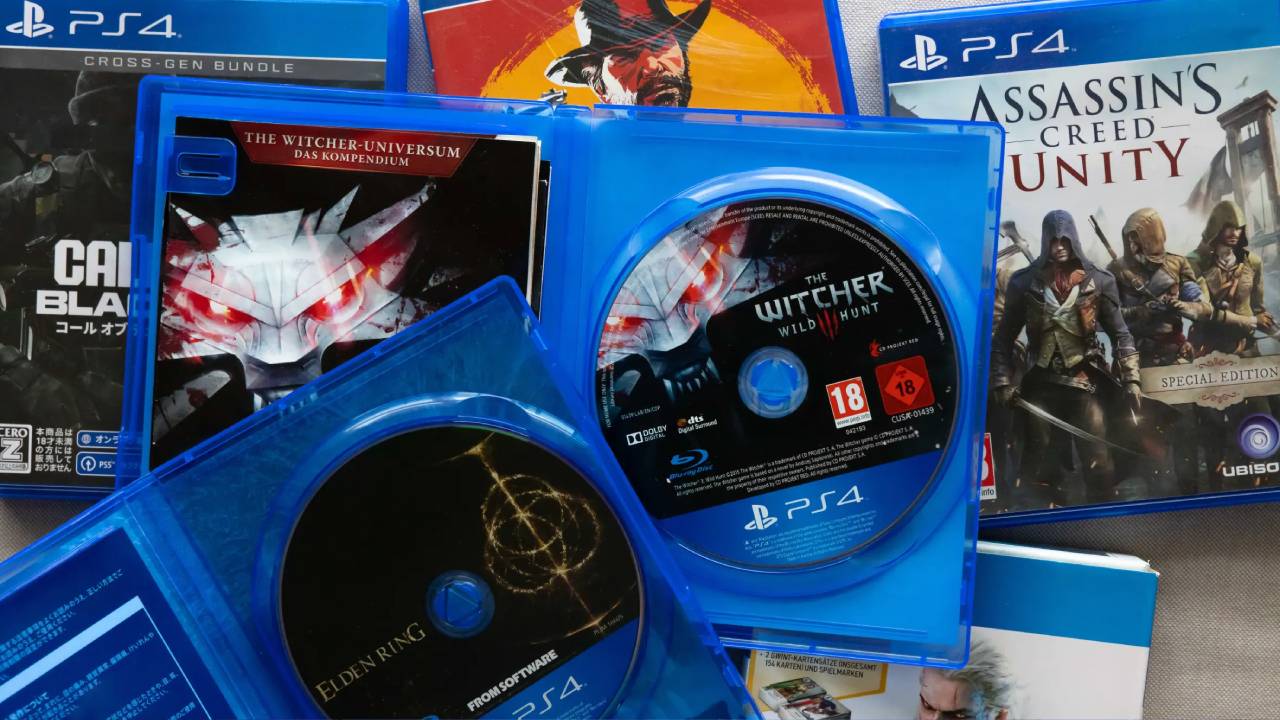
By shifting entirely to digital distribution, Sony could significantly improve profit margins while simplifying the distribution process. For many critics, that financial motivation explains why the company appears willing to withstand weeks of negative publicity. The transition will generate more long-term revenue than the short-term criticism it may attract, they say.
Advocates of physical gaming also refute the assertion that gaming is simply on a path to digital media. People can still buy CDs, vinyl records, Blu-ray movies, and DVDs, even with the introduction of streaming services, they point out. In their view, ditching physical games altogether is a much bigger loss, as it eliminates consumer choice rather than simply offering digital as another option.
It has also ignited broader conversations about digital ownership.
Many players are concerned about their accounts being suspended, security issues, or being banned by mistake. Because digital libraries are directly linked to online accounts, losing access to an account could mean losing access to years' worth of purchased games. Even if accounts are eventually restored, critics say the mere possibility of that happening is why physical ownership still matters.
But digital distribution advocates say that convenience has already made physical media irrelevant to many players. But critics say convenience should never be at the expense of ownership rights.
Some observers say that the discussion illustrates the importance of competition in the gaming industry.
Some fans have suggested that Microsoft's Xbox division could put pressure on Sony by pushing for physical game support in the next console generation. Others point to Microsoft's own history of reversing unpopular policies as evidence that the company can change course, citing the Xbox One era, when Microsoft reversed several controversial plans following a wave of criticism. It is unclear whether the same pressure can be applied to Sony, especially while Xbox is still dealing with its own issues.
Nintendo is in a bit of a different boat. It does have physical releases, but third-party support is hit-or-miss; some games are all on game cards, while others require extra downloads. Meanwhile, on PC, you still have GOG and other platforms that push for DRM-free ownership, but there are also plenty of big publishers that use DRM systems that limit game distribution.
For those critics of Sony's reported strategy, those examples show that alternatives still exist, even if none fully settle the fundamental debate over digital ownership.
As online discussions show, the community is still very much divided. Some PlayStation owners claim they will stick with their current PS5 consoles and refuse to purchase a PS6 if physical media is gone. Some say they'll stick with PlayStation no matter how the company distributes its games, arguing that digital gaming is the future of the industry and that competing platforms will soon follow suit.
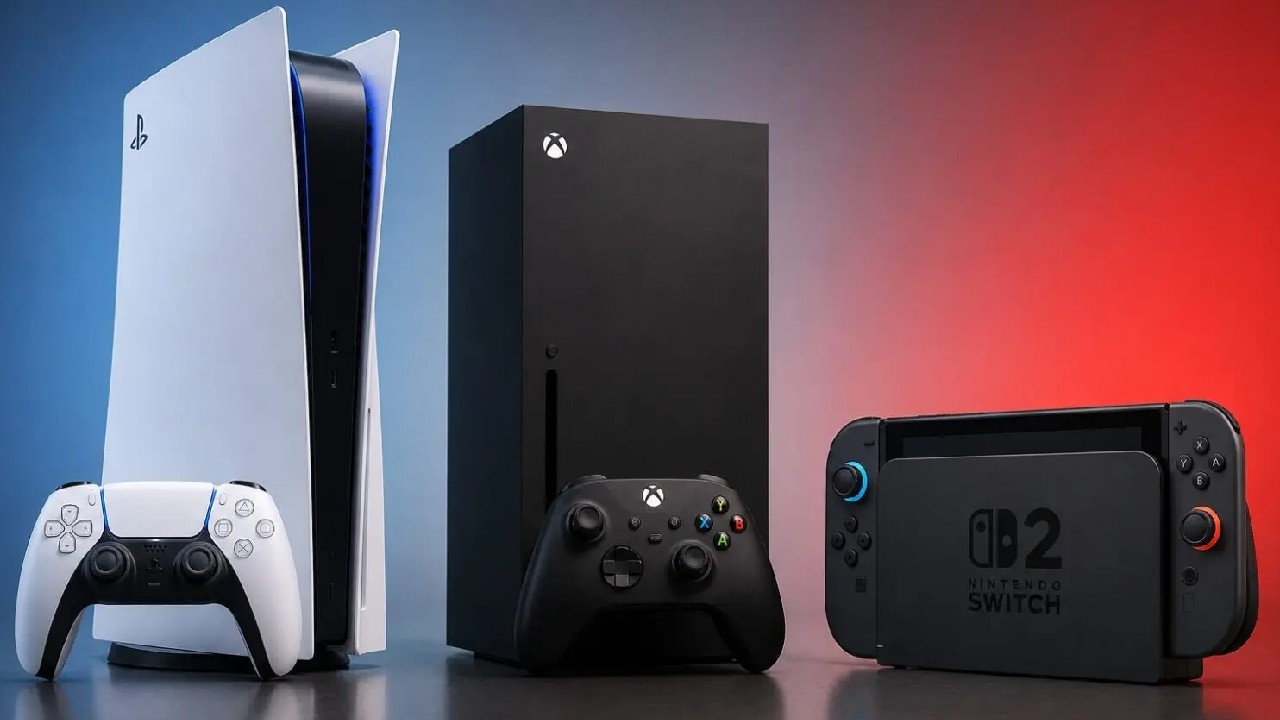
Critics say that accepting such changes will mean companies gradually strip away more and more consumer rights. Ultimately, they believe customers themselves decide what is and isn't acceptable through their buying choices.
The debate isn't going away anytime soon, and Sony continues to release new games without commenting on the controversy. Some analysts predict the backlash will eventually subside, but it remains to be seen if it will affect future buying decisions. For the moment, Sony seems content to keep quiet and continue doing what it's been doing, leaving it to fans to determine whether this is a future they're willing to support.
Senior Editor, NoobFeed
Related News
No Data.