
GPU and RAM Prices Surge in December 2025: Full Market Breakdown
Ongoing component cost changes underscore the importance of tracking historical lows and current trends to inform hardware decisions.
Hardware by Shinji Okazaki on Dec 12, 2025
The most recent price revisions for GPUs and memory modules indicate that the market has changed significantly. Prices for GPUs have been all over the place this year, but prices for RAM have gone up quickly, much faster than GPU prices.
To understand these trends, you need to look at historical lows, current averages, and the reasons behind each change.
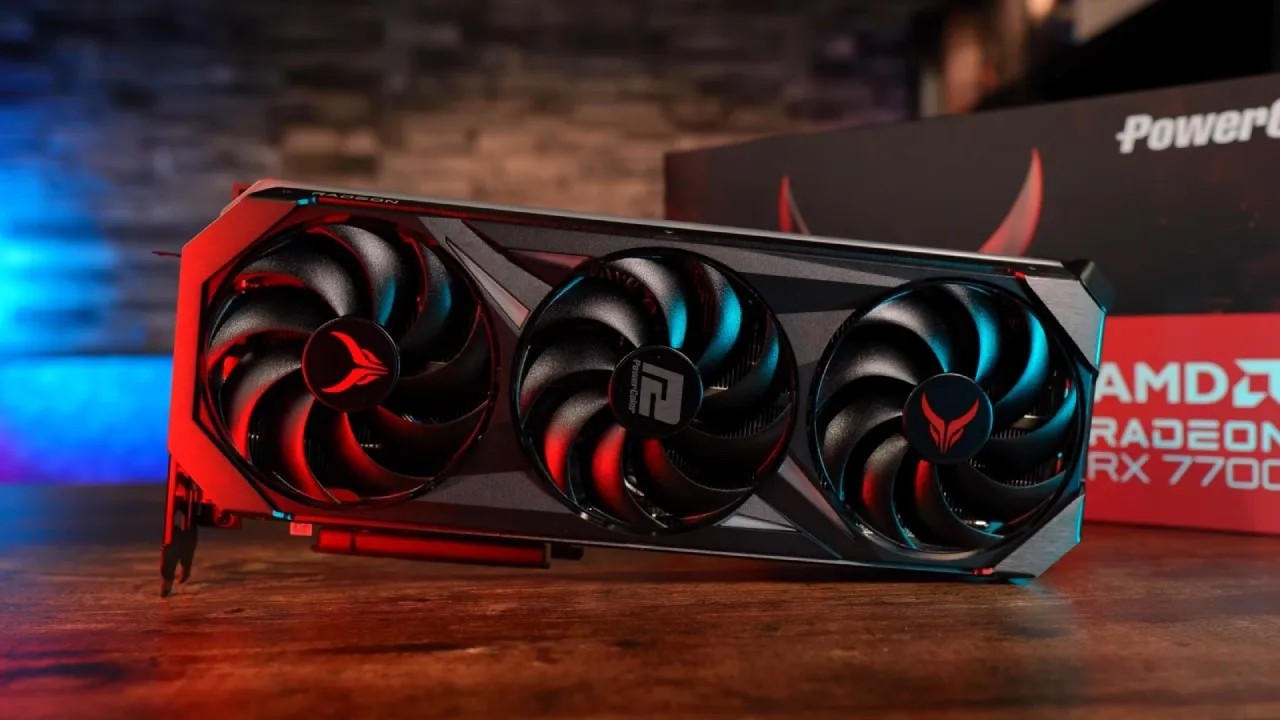
Making the Price Tracking Method Bigger
It's only been about a month since the last installation of GPU Price Watch, but it feels like longer because RAM prices have gone up so much, and GPU prices have been so volatile. As a result, the series now tracks both GPU and RAM prices.
The idea is to provide customers with enough context so they can grasp the lowest actual selling prices and compare them to current listings.
Prices for GPUs in December
The December data illustrate that GPU pricing seems to have hit a low point. A lot of GPUs were still going down in November, but in December, a few models started to rise slightly. Nvidia card prices may already have hit their lowest point, but the market might change again in January. There are, however, low-priced possibilities for the RX 9070 and RX9070 XT 16GB right now, even though they weren't able to lower their prices earlier this year.
A look back at how GPU prices changed over the year
The March data was easier to interpret but more negative, with prices substantially above MSRP in most cases. Even so, the low-price movements often showed drops. In April and May, things started to improve, but some models, like the 5600 8GB, remained at MSRP because they weren't very popular.
In June, there was hope because the MSRP for cards up to the RTX 5070 was lower, but the 9070 and 9070 XT were still too expensive. 9060 XT 16GB also helped swing prices around by competing with each other.
By July, the prices of several GPUs were falling, and Intel ARC models were added to the list, making things much more competitive. Some cards, including the 9600 XT, dropped to $250, and the 5060 Ti 8GB became one of the first RTX 50-series cards to go below the manufacturer's suggested retail price (MSRP).
Almost all RTX 50-series GPUs reached their MSRP or higher in August, except for the 9070 series. Intel ARC stayed just above MSRP; however, AMD Radeon 9000 series GPUs still didn't see any price drops.
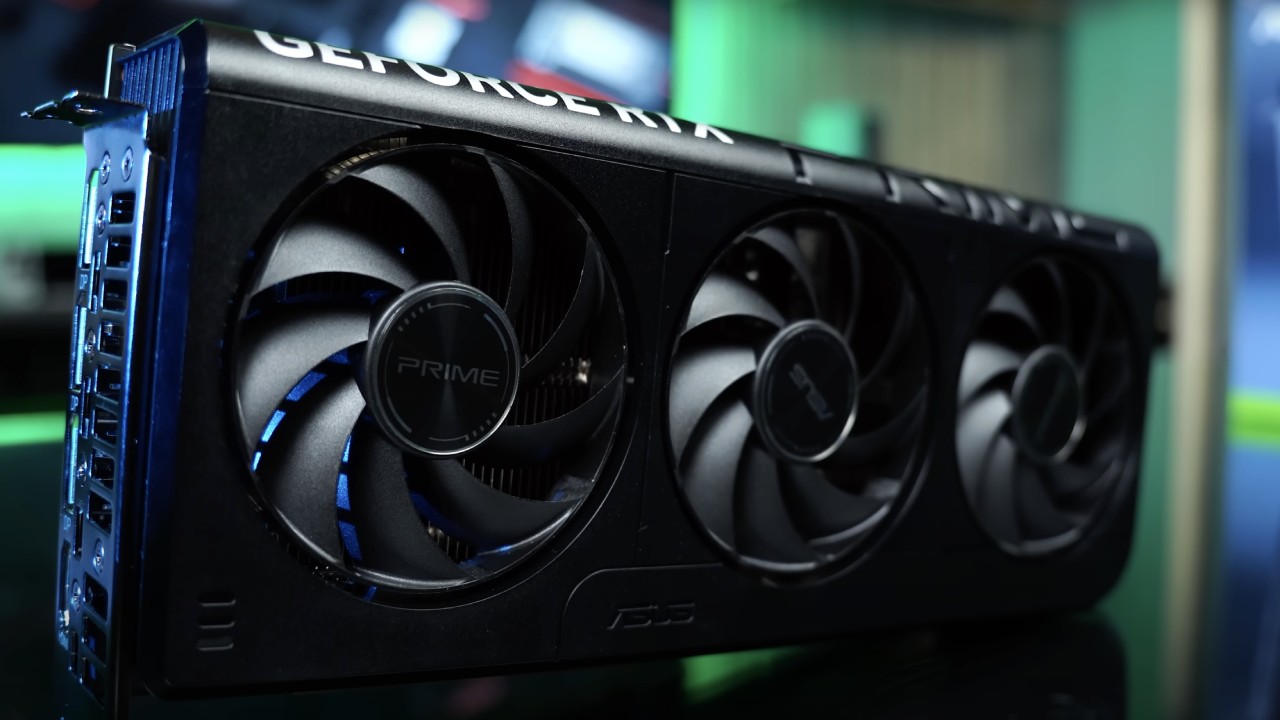
In September, Nvidia prices fell much more, while Intel ARC prices fell even more. However, AMD's 9000 series still had problems.
In October, prices dropped across the board, and the RTX 5090 even reached its MSRP for a short time. 9070 non-XT reached its MSRP, and the 9070 XT came in a close second.
November kept this up, with robust sales and prices at or above MSRP for most RTX 50 and RX 9000 series cards. The prices of Intel ARC B570 and B580 also dropped below MSRP. But during this time, memory prices started to rise quickly.
Highlights of December's GPU
The December price chart shows more red. For many RTX 50 GPUs, the lows in November may have been the lowest. The 5050 8GB and 5060 8GB are still good, affordable solutions for 1080p gaming, but it's better to have more VRAM when you can.
RX 9600 XT 16 GB is still a better deal than the RTX 5060 8GB, even though it costs $20 more than its $350 low. RTX 5060 Ti 16 GB is another Nvidia option for more VRAM without going into the 5070 price range.
A Look at Memory Price Watch
This month, the price of memory is the most important issue. Three configurations are tracked: 32GB DDR5, 64GB DDR5, and 32GB DDR4. There is a "good" kit (high speed, low latency) and a "bad" kit (lower speed, greater latency) in each category.
Changes in DDR5 Prices
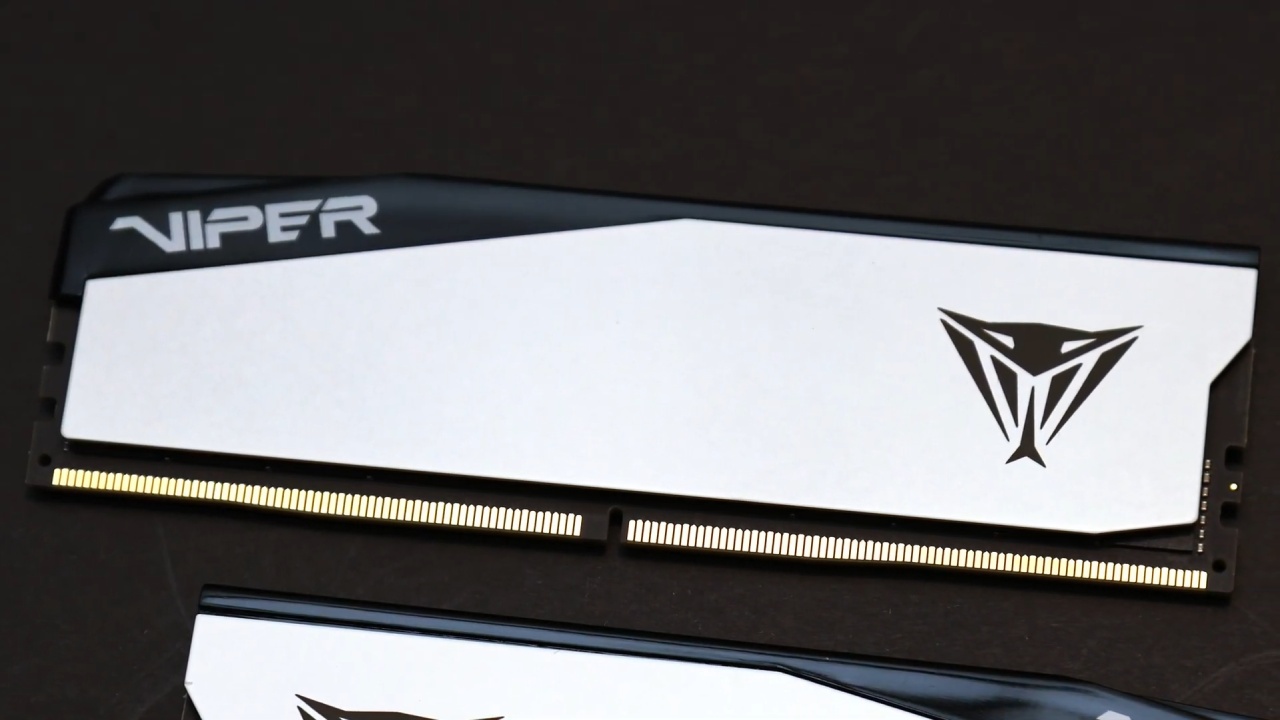
Prices for DDR5 were at their lowest in late September and early October, before the rise. Prices have gone up a lot since then. A DDR5-6000 32GB CL30 kit that used to cost about $90 is now worth almost $300.
After using available coupon codes, a good DDR5-6000 64GB kit now costs about $628.
The prices of lower-tier DDR5 kits also rose significantly. A cheap 32GB DDR5-5600 CL46 kit from Crucial has suffered big price hikes and is not always in stock.
Changes in DDR4 Prices
DDR4 kits have also gone up, but not as much. The price of a 32GB DDR4-3000 CL16 kit has gone up from about $70–$80 to $150–$170. DDR4 is still affected; however, it is the least affected portion.
Final Thoughts
After months of slight decreases, we observe that GPUs are either leveling off or rising somewhat. Memory prices, on the other hand, continue to rise. The tendency suggests prices may keep rising, but we'll know more in the coming months.
We will check future modifications against real-world price data and keep an eye on these changes for people who need help making smart purchases.
Also, check our other NVIDIA articles below:
- NVIDIA GeForce RTX 5080 Review (2025): Still A 4K Gaming Powerhouse?
- RTX 5090 Performance Testing In GTA 5 – 1080p, 1440p, and 4K Max Settings Benchmark
- NVIDIA RTX 5070 Review: Mid-Range Muscle or Marketing Hype?
- RTX 5070 Ti Review: Performance, Thermals & Power Efficiency Tested
- ASUS ROG Astral RTX 5090 OC Edition Review: 32GB GDDR7 & 4K Gaming Benchmark
- ASUS GeForce RTX 5090 LC Liquid Cooled GPU Review: Unmatched Silence & Speed
- MSI GeForce RTX 5090 32GB SUPRIM SOC Review: Power Efficiency, Cooling, and Gaming Performance
- INNO3D RTX 5060 Ti 16 GB X2 Review: Gaming Benchmarks, Temps, and Power Efficiency
- HP Omen 45L Review: RTX 5090 Performance, Thermals, and Value Analysis
- ASUS TUF Gaming GeForce RTX 5060 Ti Review: DLSS 4, Power Efficiency, and Gaming
- ASUS Prime RTX 5060 Ti OC 16GB Review: DLSS 4, Ray Tracing, & Thermals Tested
- NVIDIA GeForce RTX 5060 Review: Specs, Gaming, and Cost per Frame
- MSI GeForce RTX 5090 GAMING TRIO OC Review: A Monster Power GPU
Editor, NoobFeed
Gaming Hardware Updates
No Data.