
Guild Wars 2 Guide | How to Choose the Right Class
A concise profession breakdown to help you pick the right main fast.
Game Guide by Faviyan Mustafiz on Oct 10, 2025
Choosing a first profession in Guild Wars 2 sets the tone for how you experience Tyria—from fast, mobile damage to sturdy, supportive gameplay.
This guide presents a clear, class-by-class overview in plain language, correcting common name confusions and removing any video-only references, so you can quickly understand what each profession does and which one suits you best as a newcomer.
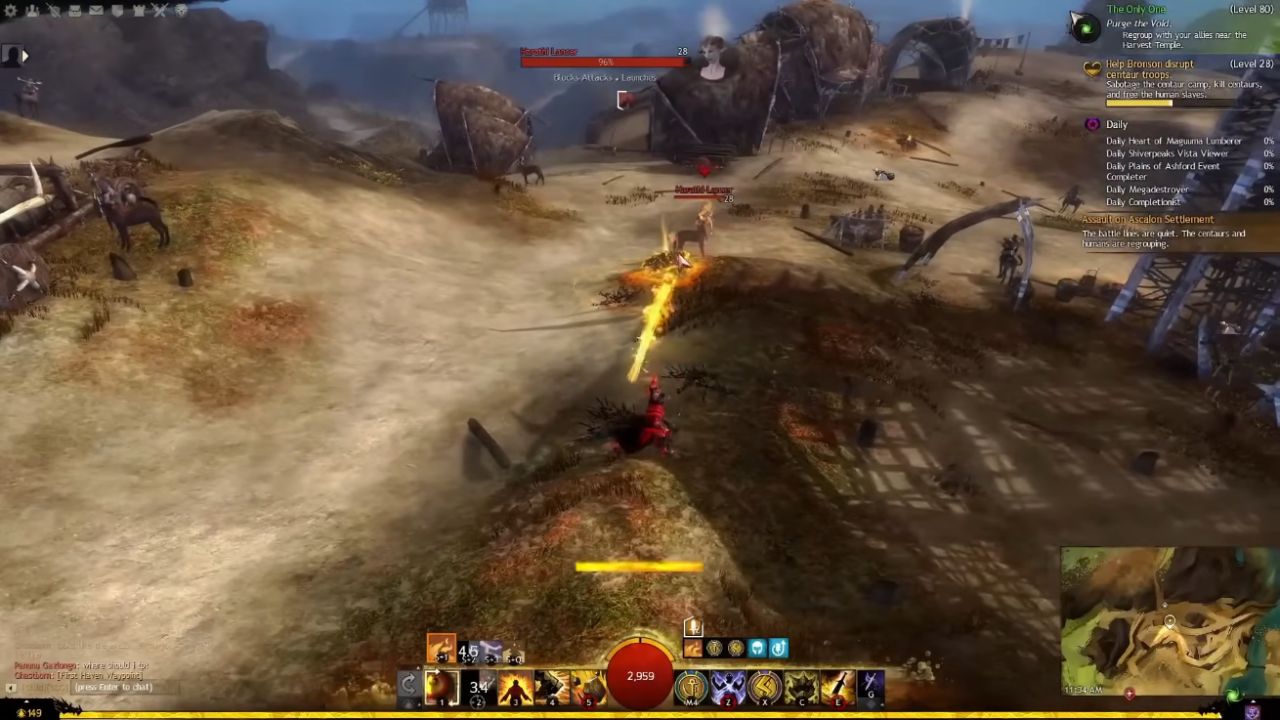
Warrior
The Warrior embodies a staple melee combatant found across RPGs, operating in heavy armor with many weapon options, primarily melee with a few ranged choices.
The profession mechanic is burst skills; when in combat, you generate adrenaline and can spend it on a burst tied to the weapon set you are using. As a core design, the class hits hard, feels aggressive, and offers straightforward, satisfying combat without complicated resource systems.
Weapon variety allows flexible play; sword and axe provide quick, direct pressure for close quarters, while longbow and rifle offer practical ranged tools when needed.
The Warrior benefits from naturally high baseline defensive stats like vitality and toughness, which help bridge early mistakes while learning timing, dodges, and positioning. Crowd control tools and banners add group value alongside personal damage.
The elite specializations are Berserker, Spellbreaker, and Bladesworn. To unlock an elite specialization, you reach max level, then gather the required Hero Points to finish its training. Overall, the Warrior is an easy pick-up if a direct, durable brawler appeals to you.
Guardian
The Guardian is a heavy-armor fighter that blends offense and defense with boons, protection, and burning pressure. The profession mechanic grants strong defensive options and supportive utility while still enabling decisive burst damage.
This class feels immediately useful in groups thanks to access to Aegis, stability, and condition cleanses, making it welcoming if you prefer a protective, team-forward style.
With weapons such as sword, greatsword, scepter, and staff, you can specialize in melee pressure, ranged burning, or support. Symbols and virtues strengthen allies while punishing enemies who stand in the wrong places.
The elite specializations are Dragonhunter for ranged-trap skirmishing, Firebrand for mantra-fueled support and quickness, and Willbender for hyper-mobile melee pressure. The Guardian is approachable for newcomers and scales well into endgame roles.
Revenant

The Revenant channels legends, swapping stances to gain unique skill sets at the cost of managing an energy resource. As a heavy-armor class, it deals decisive damage while rotating between legends to cover mobility, defense, and pressure, making timing and resource management the core of the gameplay loop.
Weapons like the sword, staff, club, and hammer can be used in a variety of situations, from minor injuries up to mid- and long-range pressure. Which of support, condition damage, or power burst your kit leans toward depends on your traits and the legends you choose.
The elite specializations are Herald for boon support, Renegade for versatile ranged and condition pressure, and Vindicator for sweeping, dodge-centric gameplay. The Revenant rewards rhythm and stance awareness once the energy system clicks.
Ranger
Rangers wear medium armor and are known for being able to control a pet that fights with them. Pets help with damage, controlling crowds, or performing useful tasks, and you can pick partners that go well with the weapons and play style you like. This class is easy to do by yourself because the pet can help you feel safe while you learn how to place and pace.
The elite specializations are Druid for healing and support, Soulbeast for merging with your pet to gain powerful stats and skills, and Untamed for aggressive, control-heavy melee. Given the pet and the fairly high health pool, the Ranger is a strong pick if you want a forgiving, animal-friendly play experience you can bring anywhere.
Thief
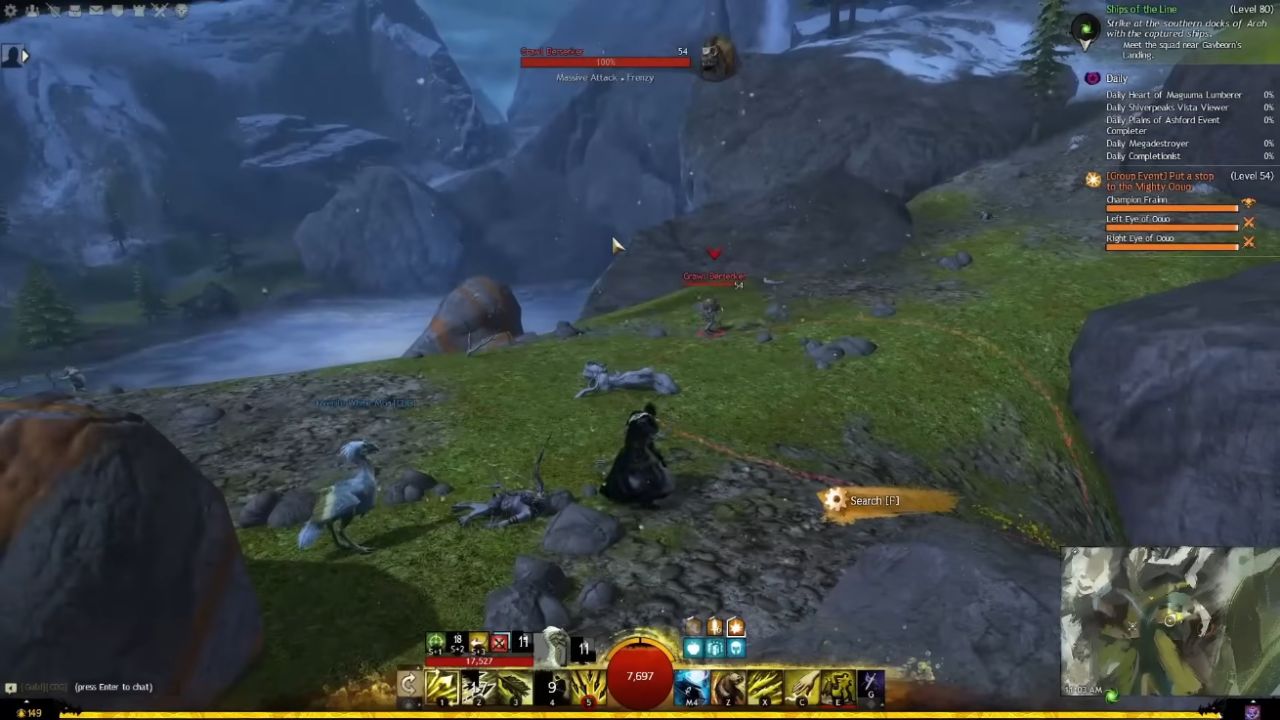
The Thief is a medium-armor skirmisher defined by stealth, high mobility, and initiative-based weapon skills instead of traditional cooldowns.
This system rewards precision, opportunistic strikes, and constant movement. You trade defenses for evasiveness, stealth access, and burst windows, making awareness and timing the heart of the playstyle.
Dagger, pistol, rifle, and sword combinations allow close, mid, and long-range approaches, with shadowsteps, blinds, and interrupts to outplay enemies. The elite specializations are Daredevil for acrobatic staff combat and dodging pressure, Deadeye for sniper-style markplay and single-target burst, and Specter for shadow magic utility and support.
The Thief is moderately challenging to learn because survival relies on mechanics rather than raw toughness, yet it becomes straightforward and rewarding once its flow is mastered.
Engineer
The Engineer is a uniquely versatile medium-armor profession that mixes explosives, gadgets, kits, and inventions. Instead of constantly swapping weapons, you expand your toolkit via kits and tool-belt skills, turning a single weapon set into an entire armory of utility.
The playstyle encourages creative solutions—bombs for area damage, turrets for control, elixirs for buffs and cleanses, and tools for mobility.
Rifle and pistol/shield offer distinct baselines, but the strength of the Engineer lies in on-demand utility and clever combos.
The elite specializations are Scrapper with gyros and barrier-centric brawling, Holosmith with heat-based photon forges and hard-hitting power bursts, and Mechanist with a jade mech companion for accessible, potent pressure and support. This profession feels like a toolbox—perfect if you enjoy tinkering, utility, and adaptive play.
Necromancer
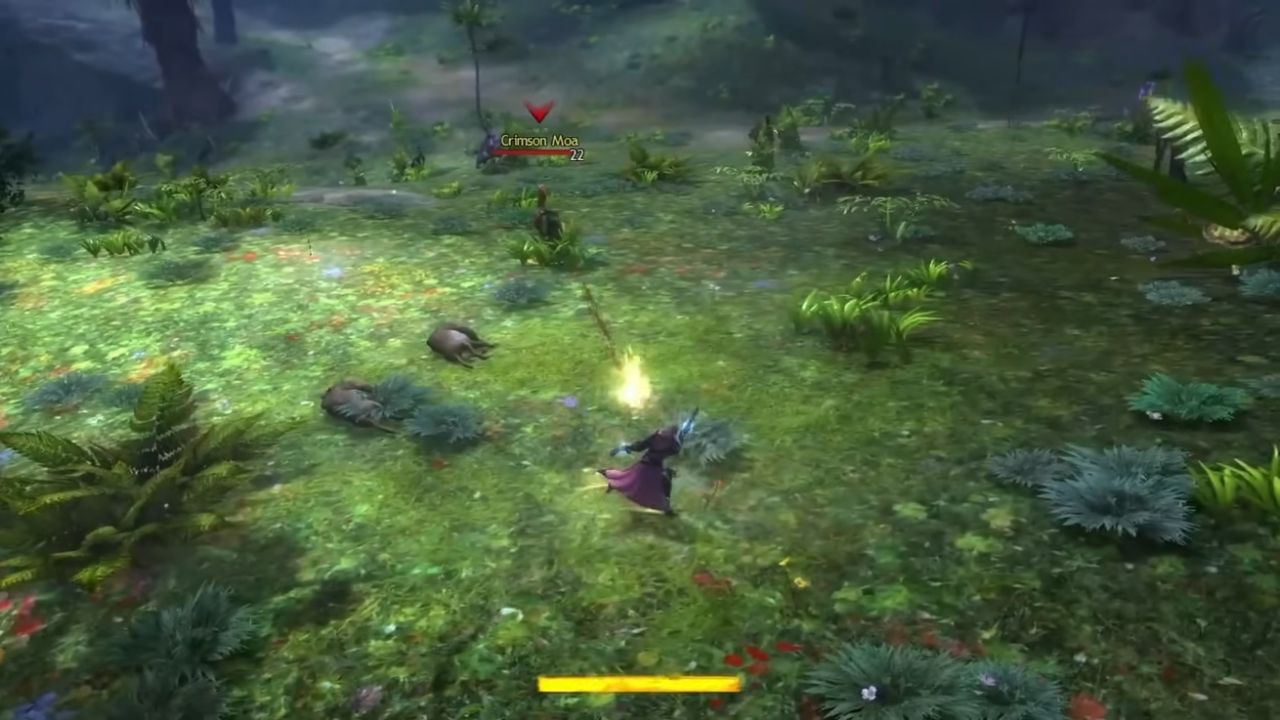
The Necromancer commands life force to enter a shroud form for survivability and pressure, using minions, conditions, and fear to grind down opponents. This class is famous for being forgiving in solo play thanks to a large health pool and the extra buffer of shroud, which helps offset early mistakes while learning fights and mechanics.
Weapon sets such as axe/focus, staff, and dagger provide a mix of condition damage, power burst, and control. Minions can distract and add steady pressure, while wells and marks help shape the battlefield.
Harbinger is an elite specialization for high-risk, high-reward shroud play that is improved by elixir. Reaper is an elite specialization for greatsword cleave and shroud scything. Scourge is an elite specialization for barrier support and shade-based area control. The Necromancer is a great place to start if you want solid open-world gameplay that works well with group material.
Mesmer
The Mesmer changes space and time by creating clones and ghosts that confuse enemies. Illusions make gaps between safety and harm, breaking for burst or control at crucial times. This light-armor class awards knowing how to fight and being on time, turning tricky situations into clear wins.
With sword, greatsword, scepter, staff, and pistol options, the Mesmer pressures at varying ranges while leveraging distortion and reflects for survival. The elite specializations are Chronomancer for boon extension and time-skipping utility, Mirage for ambush attacks and evasive offense, and Virtuoso for blade projections and consistent ranged damage.
Elementalist
The Elementalist cycles among four attunements—fire, water, air, and earth—trading weapon swaps for attunement swaps that redefine the same weapon’s skills. This design compresses many tools into a single set, delivering immense flexibility but demanding constant decision-making under pressure.
Dagger, scepter, and staff shape your range profile, from up-close brawling to long-range control. Fire leans into damage, water provides healing and cleansing, air supplies burst and control, and earth shores up defenses and bleeding.
The elite specializations are Tempest for overloads and supportive auras, Weaver for dual-attunement complexity and fast-paced combos, and Catalyst for jade sphere fields and hybrid utility. The Elementalist can feel punishing at first due to low health and armor, but it is incredibly rewarding if you want a deep, expressive class to master.
Also, check our Guild Wars 2 Review and other guides below:
Contributor, NoobFeed
Latest Articles
No Data.