
Rising Hardware Costs and the Push Toward Cloud-Based PCs
Rapid advancements in AI and cloud computing are reshaping expectations around traditional hardware ownership and long-term device accessibility.
Hardware by Tanvir Kabbo on Jan 22, 2026
Hardware in the market is starting to appear shaky. GPUs are being phased out in the middle of their generation, and gaming consoles have only gone up in price since they were first released, making early purchases worth more and more.
Now, a DRAM shortage has many people scared that prices could go up virtually every week. People are more openly talking about a future that some have already thought about and that industry executives seem more eager to talk about. It seems like the future of owning real gear is unclear, and it's worth thinking about what that means.
How Quickly Technology Evolves
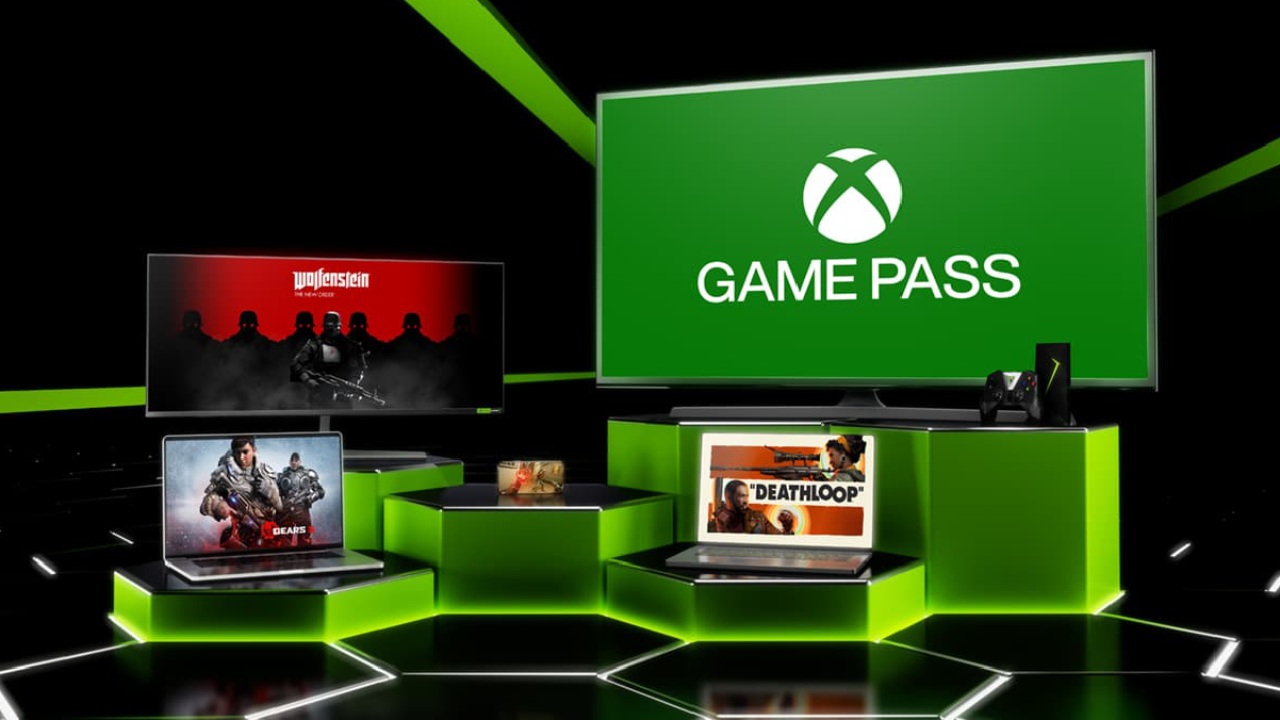
We frequently don't realize how quickly time goes by. In a few months, it will be March, which will be nine years since the Switch One came out. It's been more than 12 years since the PS4 and Xbox One came out, and in a few months it will be 10 years since the GTX 1080 came out.
These milestones don't seem to be that far apart in time, but they highlight how swiftly things change and how quickly the world changes.
There were no internet stores when the PS3 and Xbox360 first came out, which was about 20 years ago. Around 2009 or 2010, it became normal to buy games and other things online. These days, it's normal to buy a game right away and download it in a few minutes.
Imagining the Next 15 to 20 Years
We can question themselves what will happen when hardware gets so expensive that we can't afford to buy it anymore. What if people don't even get hardware?
What if we had to rent everything from the cloud, like our computers, gaming systems, and more? The "power of the cloud" is becoming a big topic of conversation again.
Windows Central wrote on a quote from Jeff Bezos about the future of computers. Bezos said that local PC hardware is old-fashioned and that the future would be about cloud computing, where you rent computer power from services like Amazon Web Services or Microsoft Azure.
When Amazon's cloud goes down, it shows how much of the internet relies on a small number of big providers.
AI-Driven Terminals and Thin Clients
Bezos' comment had to do with thin clients, which are devices that appear like laptops but only have a screen and input devices inside. All other things, like processing, storage, and computing power, would be streamed.
Elon Musk also said that existing smartphones and app-based operating systems will be replaced by devices that operate as terminals for AI. The gadget wouldn't need to access apps or type queries; instead, it would get material created or chosen by AI based on intent and prediction.
He talked about a timescale of roughly 2032, but even if you double or triple those projections, it still means big changes are coming in the next few decades.
AI's effect on hardware markets
AI data centers are using up a lot of technology, like DRAM, GPUs, and storage, which puts pressure on the supply and affects consumer markets. People are seeing that RAM prices are going up, and the same thing is happening with GPUs, SSDs, and even TVs.
Samsung recently said that prices will rise throughout 2026 and probably into 2027 since there isn't enough memory.
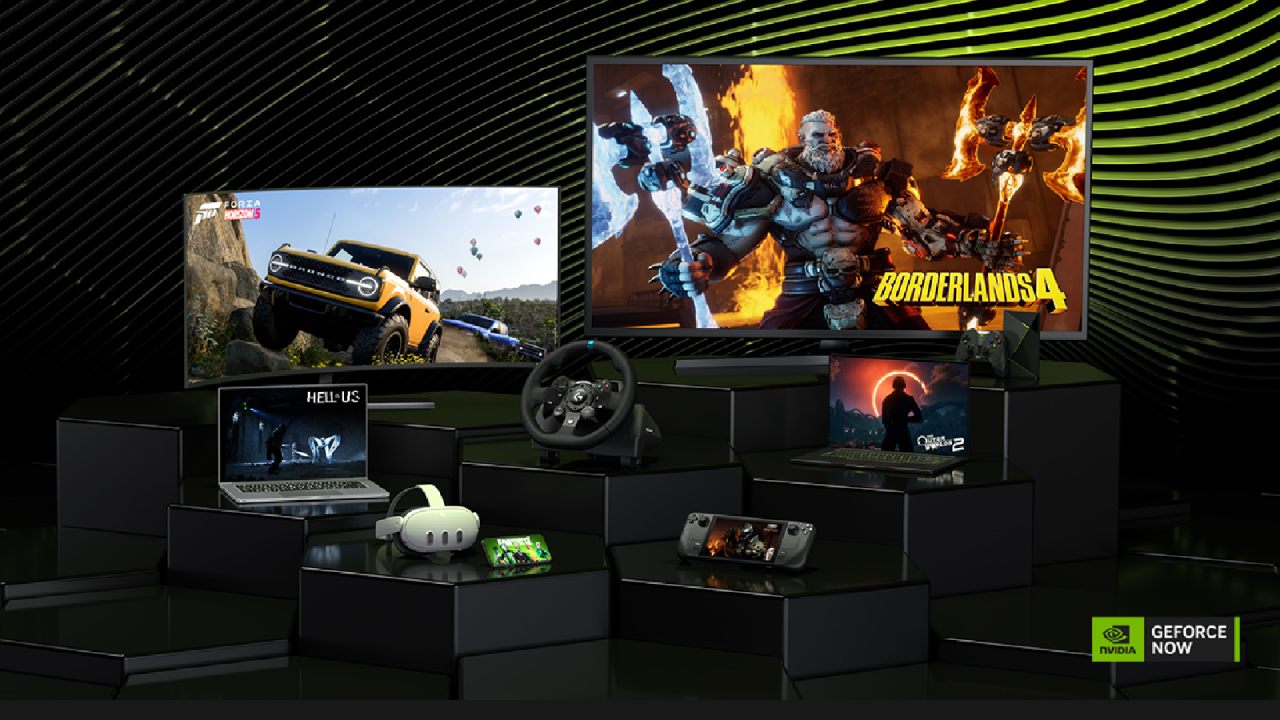
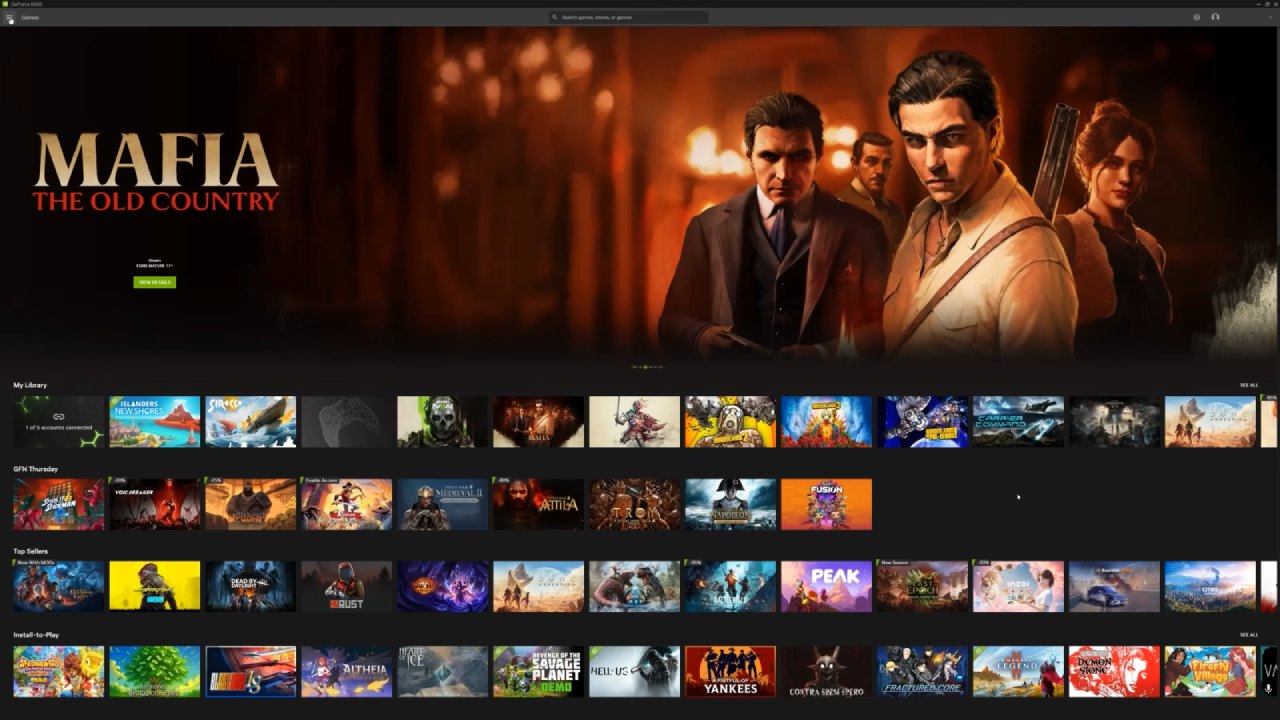
If things keep continuing this way, we might wind up with menus like the ones in cloud gaming services. GeForce Now, for instance, is nice when everything is perfect. It gets near to native speed, but network problems can still generate latency spikes that make the game unplayable.
But it costs money every month, and when consumers do the math, they see that the expenses build up, especially when demand goes up.
Hardware Model That Is Fully Rented Might Look Like
If more people start using cloud computing, it could get more expensive, especially if there are limits on how many hours you can use it. Paying extra for extra hours is like getting a big monthly fee for going over your dial-up limit. If consumers rent an RTX 4080 or RTX 5080 experience for $20 a month, the cost might go up quickly if they play a lot.
And then there are the advertising to think about. Streaming video already has subscription levels that are "ad-supported." It's not hard to see cloud computing using the same strategy, even for expensive plans.
AI Business Models and Financial Pressure
AI startups are spending a lot of money on technology and infrastructure, but many of them still have uncertainties about how profitable they will be. AI products need to be a part of everyday life for these investments to make sense.
AI technologies are heavily pushed across OS systems and browsers because companies need a lot of people to use them to make them worth the money.
This pressure could make it too expensive for a lot of people to construct their own PCs or buy high-end hardware in the immediate term. The recommended answer may progressively become cloud-based computing, which would help the same corporations that are fueling the AI surge.
Possible Future of Consoles
Game consoles are now more like little PCs, and the cost of making them and their parts is going up. Companies like Sony, Microsoft, and Nintendo can buy parts in bulk and lower the cost of hardware, but costs are still going up. The next PlayStation could cost between $700 and $800, and the next Microsoft system could cost more than $1,000.
Cloud-driven thin client consoles could be a possibility, similar to Microsoft's canceled Keystone project, which was basically a streaming-focused gadget that feels more relevant than before.
Nostalgia and Value of Local Hardware
In 20 years, retro gaming might not be defined by cartridges or discs, but by gear that doesn't need the cloud to work. Local compute could become the thing that brings back memories of a time when people had their own devices.
Many people don't think about local computing right now because the future is still cloud-based. But with AI continuing to grow, DRAM constraints, and GPU demand skyrocketing, the path is clear enough that it might be worth keeping older technology. Linux is also growing more interesting as it gets better and gives options outside of a tightly controlled software ecosystem.
A Turning Point for Hardware Ownership
People are now publicly talking about renting PCs, consoles, and computing power. The framework is already being prepared, no matter when this future comes.
It's not crazy to think of renting anything from the cloud anymore, as hardware prices are going up and AI needs are growing.
Also, check our other NVIDIA articles below:
- NVIDIA GeForce RTX 5080 Review (2025): Still A 4K Gaming Powerhouse?
- NVIDIA RTX 5070 Review: Mid-Range Muscle or Marketing Hype?
- RTX 5070 Ti Review: Performance, Thermals & Power Efficiency Tested
- ASUS GeForce RTX 5090 LC Liquid Cooled GPU Review: Unmatched Silence & Speed
- MSI GeForce RTX 5090 32GB SUPRIM SOC Review: Power Efficiency, Cooling, and Gaming Performance
- INNO3D RTX 5060 Ti 16 GB X2 Review: Gaming Benchmarks, Temps, and Power Efficiency
- HP Omen 45L Review: RTX 5090 Performance, Thermals, and Value Analysis
- ASUS TUF Gaming GeForce RTX 5060 Ti Review: DLSS 4, Power Efficiency, and Gaming
- ASUS Prime RTX 5060 Ti OC 16GB Review: DLSS 4, Ray Tracing, & Thermals Tested
- NVIDIA GeForce RTX 5060 Review: Specs, Gaming, and Cost per Frame
- MSI GeForce RTX 5090 GAMING TRIO OC Review: A Monster Power GPU
Senior Editor, NoobFeed
Gaming Hardware Updates
No Data.