
Hell Is Us Beginner's Guide | Gameplay Tips & Tricks
A comprehensive introduction to surviving, fighting, and solving mysteries in Hell Is Us.
Game Guide by Faviyan Mustafiz on Sep 06, 2025
The action-adventure game Hell Is Us features tough fights, open-world exploration, and challenging puzzles. This guide provides a general overview of the game's mechanics, covering topics such as weapon selection, defensive gear, relics, battle systems, glyph customization, and puzzle-solving strategies.
If you know what you are doing, you can definitely find a way to play that works for you while also mastering the game's unique rules.
Picking a Weapon
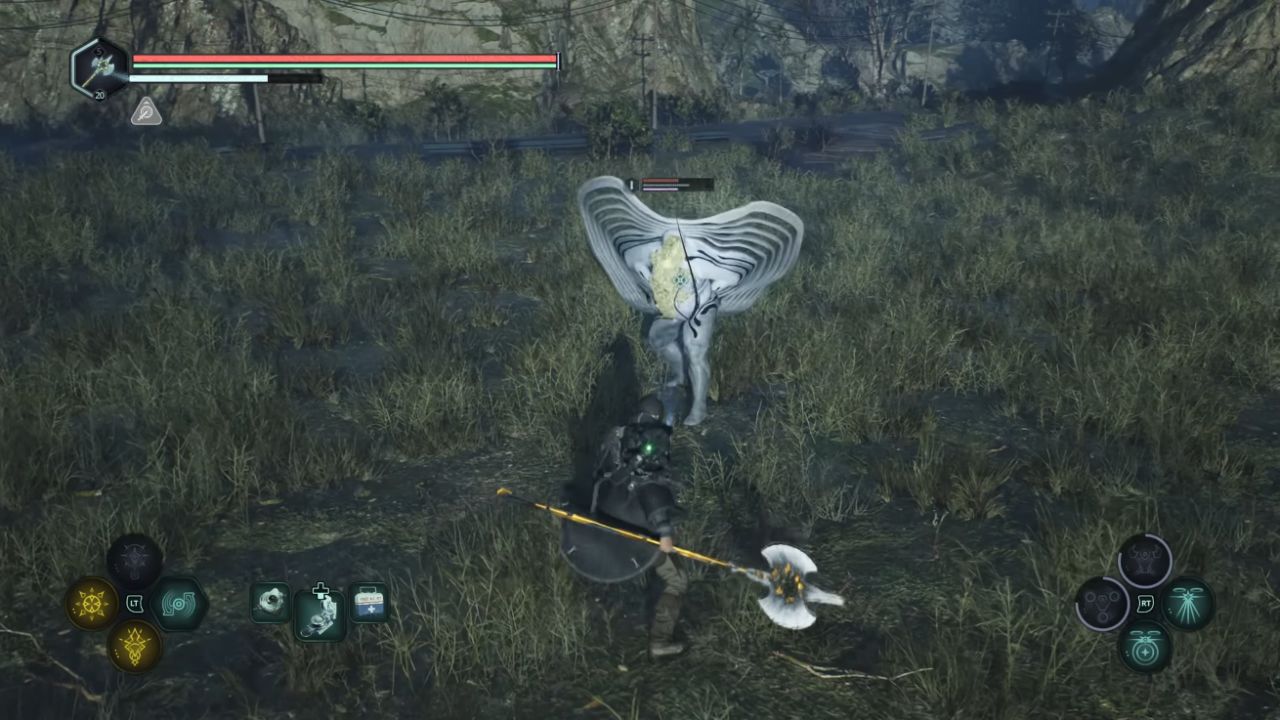
There are four primary weapon types in Hell Is Us: Twin Axes, Polearms, Swords, and Greatswords. Each weapon type has distinct attributes beyond its moveset. For example, the Greatsword offers high guard protection and more limbic theft, while the Polearm provides faster attack speed and superior parry agility.
Your choice of weapon depends on your preferred playstyle. Twin Axes excel in speed and parry agility but lack defense, while the Greatsword is slower yet more defensive. Experiment with each weapon to discover which suits you best.
Weapons are also tied to emotions—Ecstasy, Rage, Terror, or Grief—which dictate which glyphs can be equipped. While aesthetics may influence your choice, the glyphs available to your weapon should be the primary deciding factor.
Defensive Gear & Relics
Your build looks better with defensive gear. Some well-known examples are Bracers of Rage, which let you steal lives, and Bathe in Blood, which heals and refills stamina after killing enemies. The Idol of Grief Anger boosts your next attack after being struck, ideal for a berserker playstyle.
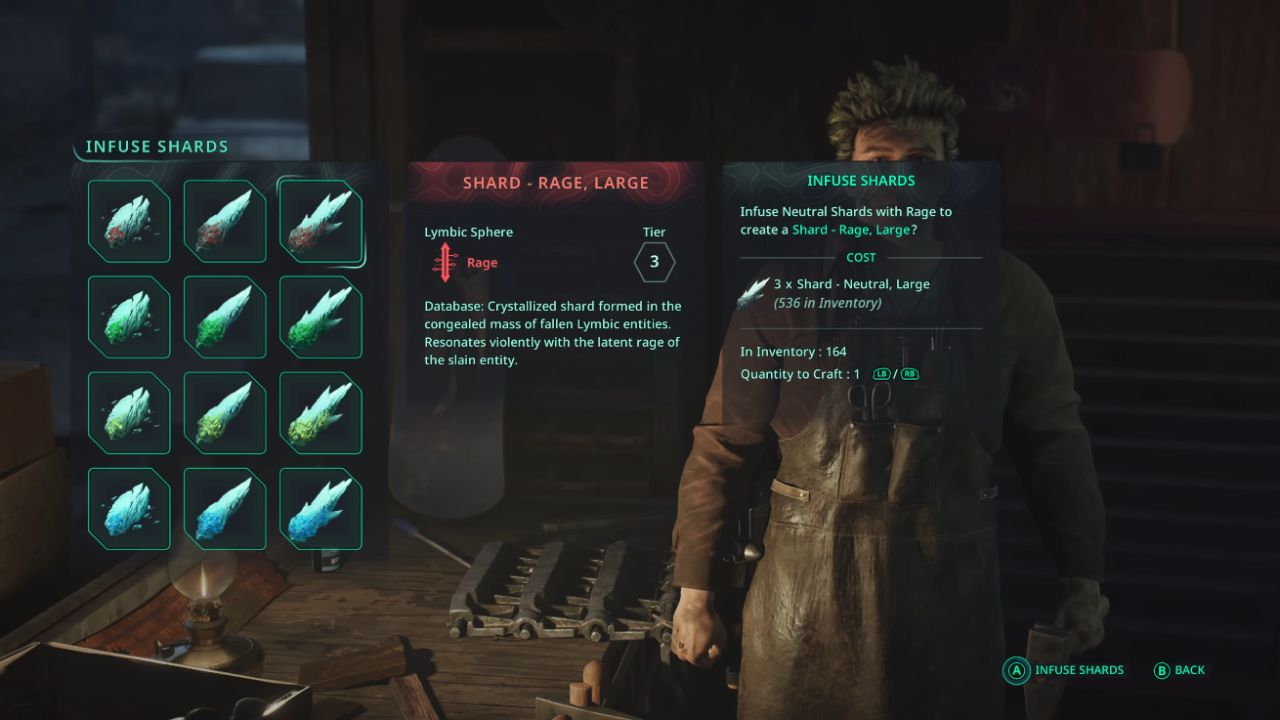
Relics are categorized as passive or active. Passive relics provide constant benefits, such as limbic theft bonuses or endurance restoration. Some active relics have strong delay effects, like Aster's Band of Domination, which stuns enemies in a large area, or Wisdom of the Griffin, which heals the limbic system quickly.
Combat Overview
Managing your strength, limbic energy, and timing are all important in combat. Weapons can do both basic and charged strikes. Charged attacks use up limbic energy. When you hold down the left trigger, your glyph powers and active relic appear. These also need limbic energy to work.
A crucial mechanic is pulsing, which allows you to restore temporary health gained from hitting enemies. By timing a button press during the pulse effect, you can regain HP without using healing items. Drone abilities add another layer to combat, offering mobility, crowd control, or damage depending on the skill.
Enemies are categorized into Limbic Entities and Hazes. Hazes must be defeated before they can effectively damage a linked entity. Blocking reduces damage but drains stamina, while parrying depletes the enemy's stance and opens them up to critical attacks. Developing mastery over blocking, parrying, and glyph usage ensures survival against more formidable foes.
Lymbic Chests
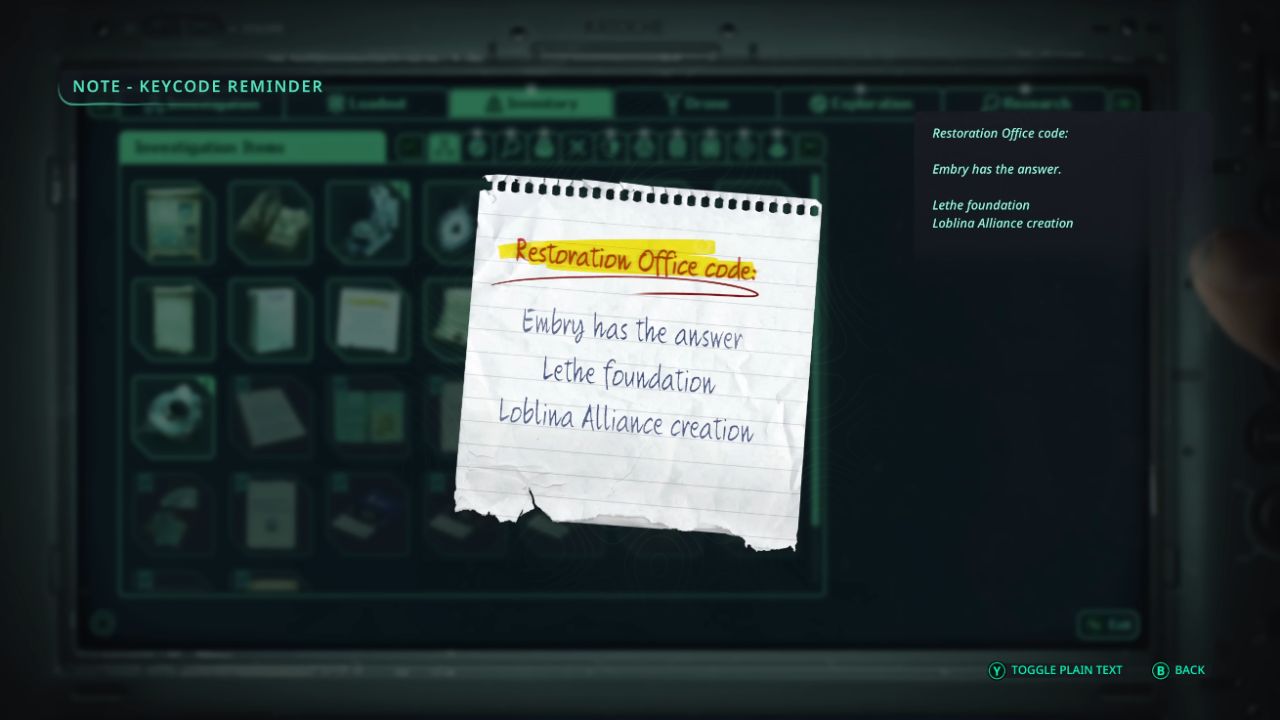
Limbic Chests can be found all over the world and require keys that are linked to emotions such as joy, Fear, Sadness, or indifference. You should write down where they are and what symbols they display in a notebook, because returning with the correct key can lead to valuable gifts, such as relics or better glyphs.
Glyph Overview
Glyphs are special abilities that vary depending on a weapon's emotion type. Examples include:
Rage: Offensive glyphs like Rage Spike and Berserk, which enhance melee power.
Grief: Glyphs that do damage over time, like Lingering Pain.
Neutral: Glyphs that focus on utility, like Perfect Guard, Lymbic Slivers, or Chromatic Shield, which significantly lower the damage that comes in.
Terror: Glyphs that hide and calm people down, like Recoil and Shriek of Terror.
Ecstasy: Glyphs that deal much damage and keep people from attacking, like Masochistic Delight or Eager Embrace. These are great for offensive builds.
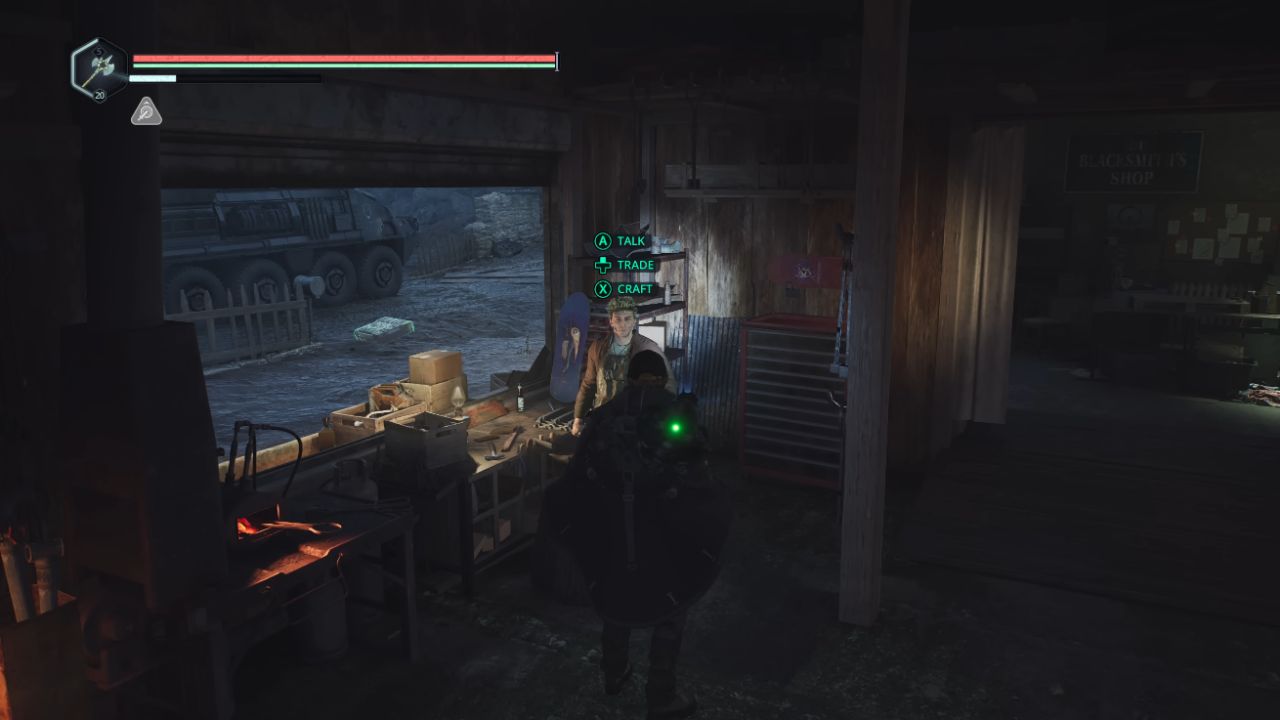
When you upgrade your weapons, pay attention to the signs that fit the way you fight. Rage is best for builds that focus on close combat, while Ecstasy is best for builds that focus on abilities.
Solving Puzzles (Bring a Journal!)
Puzzles in Hell Is Us demand careful observation and note-taking. Items are categorized as investigation, exploration, research, or miscellaneous. Items used for investigation and research often contain important clues, such as codes, dates, or recordings, that help solve mysteries. Some NPCs will open hidden vaults if you give them research items, and other items may help with ongoing quests.
You should keep a real notebook to keep track of numbers, symbols, and NPC queries. It is easy to get overwhelmed by all the information. Putting away finished items helps you keep track of your stock and frees up room.
First Smithing Upgrade (Minor Spoiler)
The first blacksmithing upgrade is tied to acquiring a special book. During the main quest, you will enter a house and obtain keys with an R on the keychain. Leaving town and crossing a marsh will lead you to a tree on a hill. After defeating nearby enemies and locating a car, opening its trunk will reward you with the first Smithing book.
Delivering this to Victor the Blacksmith unlocks the ability to further upgrade weapons and defensive gear. This enhancement allows your weapons to reach higher levels, ensuring steady progression as experience accumulates through combat.
Also, check our Hell Is Us Review and other guides below:
Contributor, NoobFeed
Latest Articles
No Data.