
Intel Arc B770 and B780 GPUs Could Challenge Nvidia With 16GB VRAM
Intel Arc B770 and B780 GPUs are rumored to deliver higher performance, 16GB VRAM, and competitive mid-range pricing.
Hardware by Tanvir Kabbo on Sep 25, 2025
Intel is stepping up its game in the GPU market by finally moving forward with higher-end graphics cards. After years of speculation, leaks, and mid-range options, more powerful Intel GPUs are entering production and are preparing to ship.
Recent shipping manifests and credible reports suggest that we may see the long-awaited Arc Battle Mage lineup, specifically the B770 and B780, as soon as early next year.
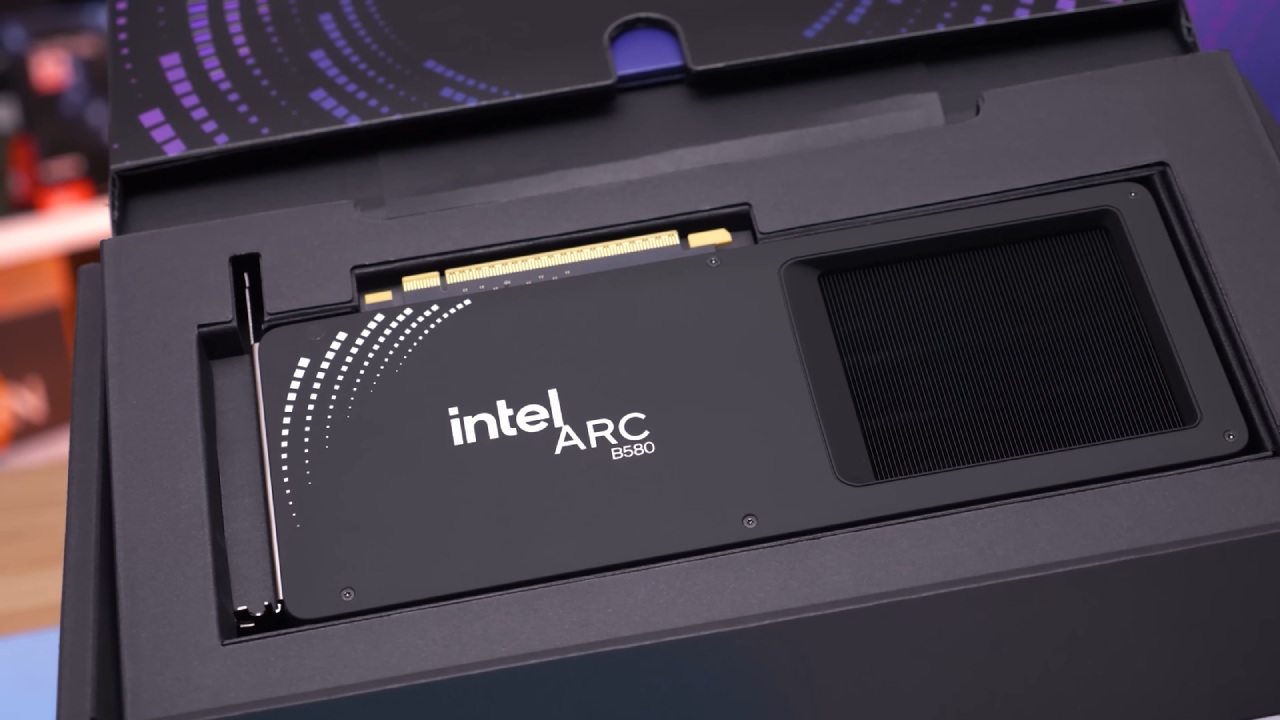
Intel Battle Mage GPUs Take Shape
We have been hearing about Intel's Battle Mage GPUs for quite some time, but the initial releases focused on budget and entry-level models. While the B580 proved to be a capable budget card, many gamers have been waiting for something with 16GB of VRAM, stronger performance, and a broader appeal. Based on reports and shipping evidence, Intel seems ready to deliver exactly that.
The information first surfaced through a WCCFTech article citing shipping manifests originally spotted by Hayes on Twitter. These documents referenced GPU dies labeled G31 and G32, believed to represent Intel's larger and more powerful chips.
If true, this is strong evidence that Intel is preparing to ship its higher-end GPUs. Past trends suggest a release could follow within 2–5 months of such sightings, pointing to a potential January launch window.
Timing the Competition
If Intel does release the Arc B770 and B780 early next year, it would align closely with Nvidia's expected launch of the RTX 50 Super series. A similar overlap happened during previous product cycles, which makes this timing seem intentional.
Competition in this segment would provide gamers with more options and potentially drive prices down.
Arc B770 Specifications
Examining the rumored specifications of the Intel Arc B770, this GPU is poised to deliver substantial improvements over the B580. Instead of 20 XE cores, the B770 will reportedly pack 28 XE cores—an increase of around 40%.
The card is expected to run at 2.8GHz clock speeds with 28MB of L2 cache, compared to 18MB on the B580, which enhances performance for demanding tasks such as ray tracing.
Memory also gets a boost, with 16GB of VRAM running at 19Gbps on a 256-bit bus. That configuration provides approximately 33% more bandwidth than the B580, achieving 608 GB/s compared to 456 GB/s.
Power consumption is projected to be approximately 250W, although this may vary depending on the final tuning.
B770 is estimated to have 20 teraflops of computing power, which would make it approximately 52% faster than the A770 and significantly quicker than the B580. People say the price will be between $349 and $379, which is a good deal if the performance meets expectations.

Arc B780 Specifications
Intel Arc B780 is shaping up to be the best option for those seeking the ultimate experience. This GPU is rumored to feature the full 32 XE cores, delivering about 60% more cores than the B580.
Like the B770, it is expected to run at 2.8GHz and include 16GB of VRAM on the same 256-bit bus, but with potentially larger 32MB L2 cache for even stronger ray tracing performance.
The compute power for the B780 is estimated at 22.9 teraflops, representing a 74% increase over the A770. This level of performance could place it behind Nvidia's RTX 5070 while coming in at a significantly lower price.
The expected price tag is around $399, making it one of the most affordable high-performance GPUs on the market.
Comparing Value Against Nvidia
If the B780 does launch at $399, it could become a serious competitor to Nvidia's RTX 5070, which is expected to cost around $550. Although the RTX 5070 Super may arrive with 18GB of VRAM, paying $150 more for only 2GB of extra memory and marginally higher performance may not be worthwhile for many gamers.
B770 and B780 could represent a sweet spot between affordability and raw performance, offering enough VRAM and compute power for modern games without the inflated costs.
Extra Features and Upscaling
Beyond raw performance, Intel's GPUs come with XESS upscaling technology, which has shown results closer to Nvidia's DLSS than AMD's FSR in many cases. Combined with strong ray tracing capabilities and ample VRAM, this makes the B770 and B780 versatile options for future-proof gaming.
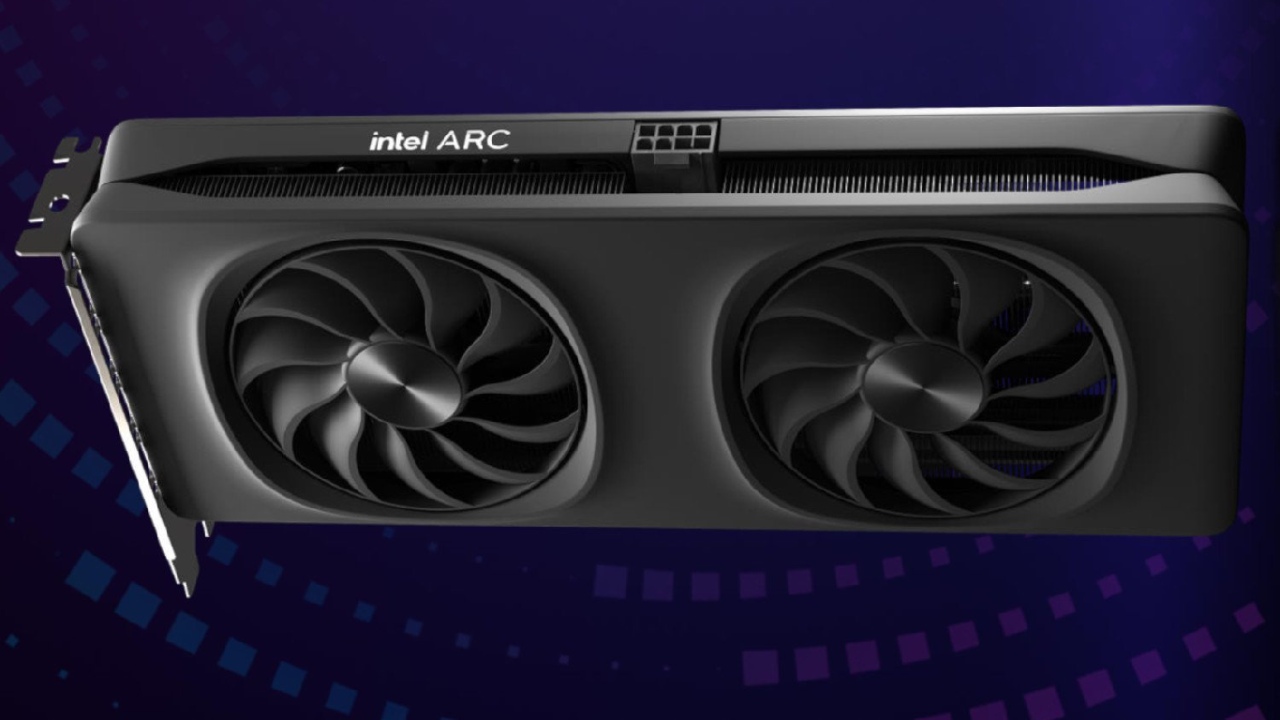
Final Thoughts
Intel Arc B770 and B780 may finally give gamers a third viable option in the GPU market. With competitive pricing, strong performance improvements over previous Intel cards, and sufficient VRAM to handle demanding titles, these GPUs could fill a critical gap left by high prices from Nvidia and AMD.
If Intel delivers as expected, we may soon see genuine competition that benefits everyone in the PC gaming community.
Check Our Other Intel Chips Articles:
- Intel Core Ultra 9 285K Review And Performance Breakdown (2025)
- Intel Core Ultra 9 285K vs AMD Ryzen 7 9800X3D: In-Depth Gaming Performance and Benchmark Comparison
- Intel Core i5-13400F Gaming Performance: Still Worth It in 2025?
- Intel Core i9‑14900K vs. AMD Ryzen 7 7800X3D: Power Profiles & Gaming Benchmarks
- Intel Core i9 14900K: Specs, Benchmarks, and Competitor Comparison
- Intel Core Ultra 5 245K Review: Gaming, Productivity & Power Efficiency Tested
- Intel Core Ultra 9 285 K's iGPU Gaming: In-Depth Benchmarks & Analysis
- Intel vs. AMD Gaming Laptop: Performance, Thermals & Battery Life Compared
- AMD Ryzen 7 9800X3D vs.7800X3D vs. Intel Core Ultra 7 265K: Gaming, Thermals & Price Analysis
Senior Editor, NoobFeed
Gaming Hardware Updates
No Data.