
Legion Go 2 Price Hits $2000 as Handheld Gaming Costs Surge
Market uncertainty forces manufacturers to reconsider pricing models and release timelines for future handheld gaming devices.
Hardware by Shinji Okazaki on Apr 05, 2026
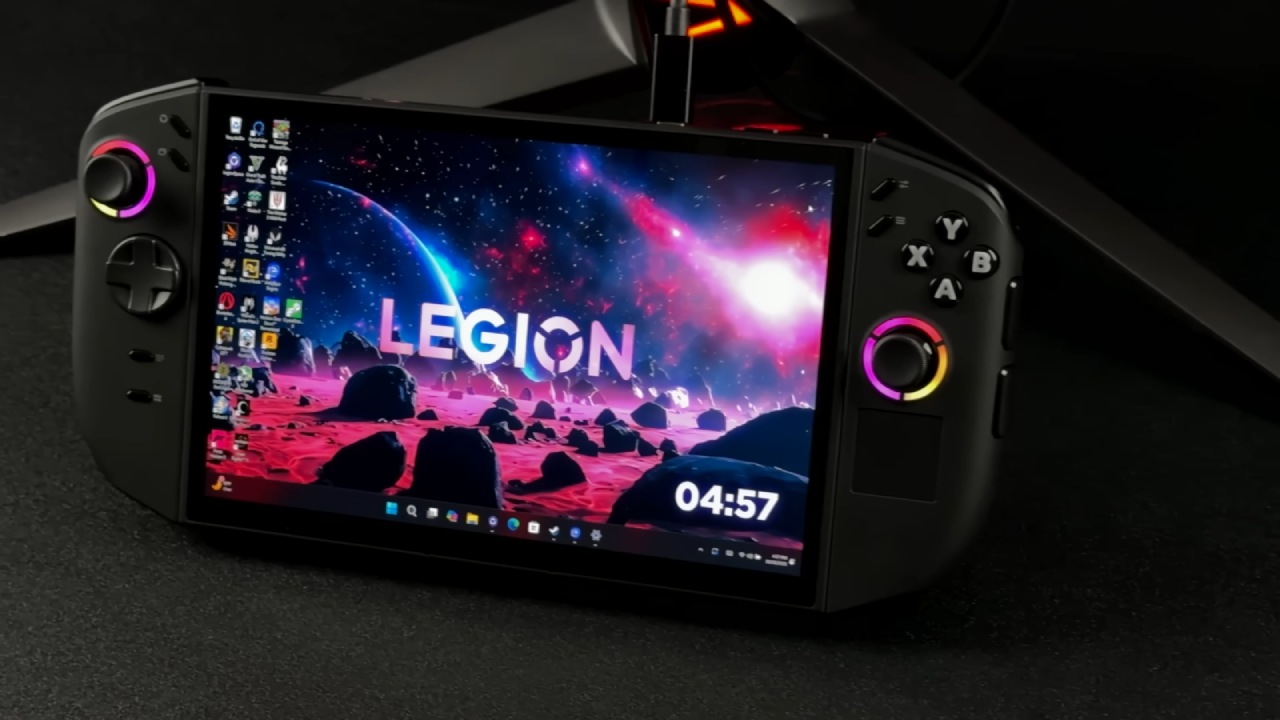
Lenovo Legion Go 2 Z2 Extreme's price has increased from $1349 to $1999, a $650 increase since it launched. People thought the tablet would cost around $1199, but tariffs and other things had already boosted the launch price to $1349.
The new price puts the handheld at $2000, making it less valuable as a suggestion and positioning it in a niche market with similarly expensive devices.
Change in Price and Market Position
Retail listings confirm the new prices, and for a short time, the item was available for order at $1999. This is not just for third-party merchants; it also shows the official retail price. The base Z2 model, which is basically a rebranded version of the Z1 Extreme 16GB that used to cost about $1100, is also projected to go up to about $1400–$1500.
Compared to other Devices
You can see how this price stacks up to other handhelds on the market right now. ROG Xbox Ally X costs $1000, which is almost twice as much as the Legion Go 2. Even though people are worried about the build quality and the 7-inch screen on that gadget, it is still a more affordable choice.
For now, other devices, like the MSI Claw A8 Z2 Extreme 24GB variant, are still $1299. But there is still some doubt about whether they will go up as well. Timing may become important if you are considering a buy, since prices are always changing.
Costs of Parts and Effects on the Industry
The changes in prices aren't just one thing. The whole market is being affected by rising component costs, including RAM and storage costs related to AI and NAND flash advances. Because of these pressures, we are seeing manufacturers change prices or put off releasing items.
Some businesses have already canceled items that were supposed to come out because they couldn't sell them at higher prices. Even charging $3000 to $4000 for devices wouldn't cover the cost of making and shipping them, given the limited demand.
Wider Effects on Gaming Hardware
The effect goes beyond handhelds. The prices of consoles have also gone up, and newer models are now more expensive. There are rumors that prices may rise significantly for future gear, such as next-generation handheld consoles.
We are also seeing delays in the release of hardware that was supposed to come out soon. If manufacturers can't match their goal prices, devices that were supposed to come out in a given price range may be delayed. Because of these limitations, future handheld releases are now being pushed back even more.
Change in the Growth of the Handheld Market
The market for handhelds was growing quickly, and older models with 512GB of storage space cost $699. Changing the price from that range to $2000 in a short period makes it less accessible.
We are seeing a slowdown in adoption right now because of the price. The trend is moving away from affordability, affecting both consumer interest and content coverage. People are worried about the segment's long-term growth because of this change.
Things to Think about while Buying in the Future
If you want to buy a mobile gadget, it might be a good idea to do it sooner rather than later. Current patterns suggest prices will continue to rise in the near future rather than leveling off.
Before prices go up even more, you might want to look at your options, such as the handhelds already available. If you wait to buy a Steam Deck, MSI Claw, or another gadget, you can end up paying more.
What to Expect from Future Devices
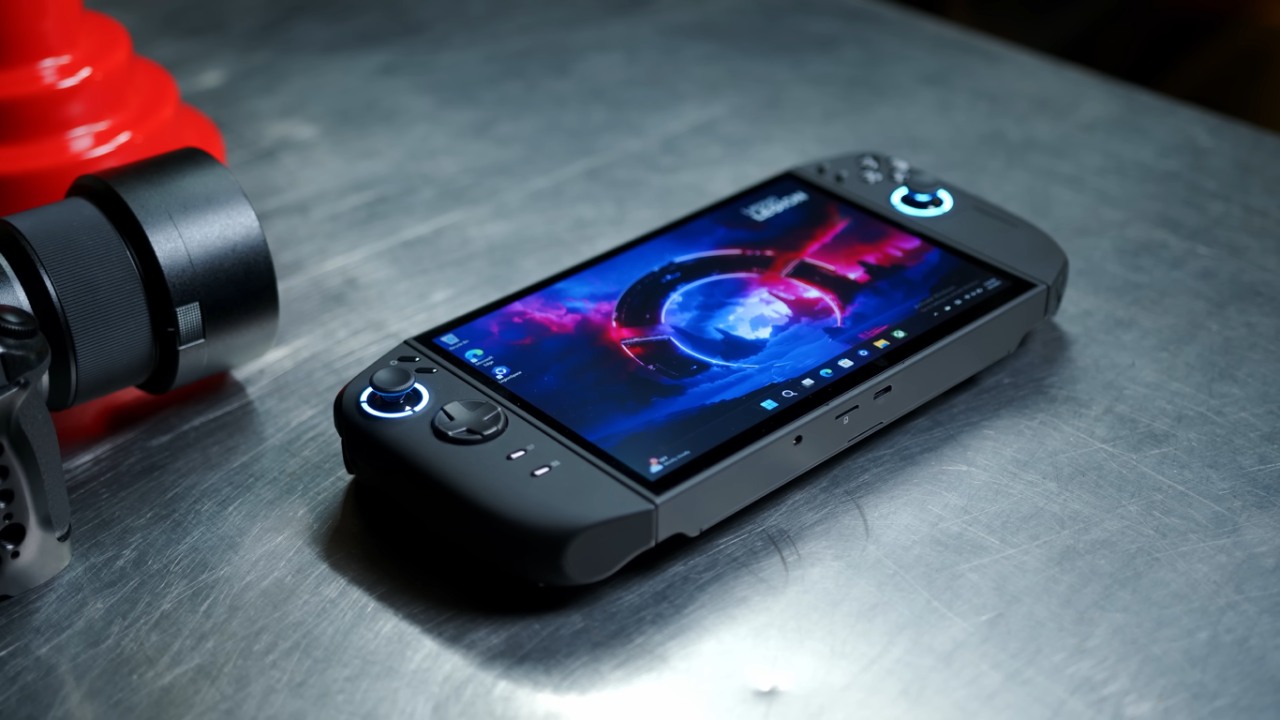
The prices of future handhelds, including those with different operating systems, will change similarly. Based on current trends, a device that was first thought to cost around $1200 may now cost closer to $1500–$1800.
Because of this price trend, many new products won't be in a realistic recommendation range.
Final Thoughts
The price hike for the Lenovo Legion Go 2 shows a bigger change in the handheld gaming market. Costs are rising, releases are taking longer, and things are becoming less affordable everywhere. If the trend keeps up, it will change how these devices are used and marketed in the future.
Also, check our other hardware articles:
- AMD Ryzen 9 9950X3D Review: Setting The Standard For 2025 Gaming CPU
- Amazon Luna 2025 Review: Is Prime Gaming's Cloud Service Your Go-To For Casual Fun?
- AMD RX 9070 XT Review: AMD's RDNA 4 Champion for 1440p Gaming
- GeForce Now Ultimate: Ditching Your Gaming PC For Cloud RTX 4080 Power?
- NVIDIA GeForce RTX 5080 Review (2025): Still A 4K Gaming Powerhouse?
- Intel Core Ultra 9 285K Review And Performance Breakdown (2025)
- AMD Ryzen 7 9800X3D Review: 3D V-Cache Goes God Mode with Stunning Gaming Performance
- Intel Core Ultra 9 285K vs AMD Ryzen 7 9800X3D: In-Depth Gaming Performance and Benchmark Comparison
- NVIDIA GeForce RTX 5080 Super Performance In Cyberpunk 2077: Path Tracing & DLSS 4.0 Tested
- AMD Radeon RX 9070 XT In Cyberpunk 2077: Ray Tracing & FSR 4.0 Tested
- Intel Arc B580 Review: The $250 GPU Revolutionizing 1440p Gaming
- Intel Arc B570 Vs. B580: Value, Specs, And Real-World Gaming Performance
- RTX 5090 Laptop Vs. M4 Max MacBook Pro: Ultimate Raw Performance Vs. Battery Endurance
- Intel Arc b580 Vs. RTX 4060: Game Performance And Value Analysis
- RTX5090 Hell Is Us Demo 4K Ultra Benchmark: DLSS Vs. Native Performance Guide
- NVIDIA RTX 5070 Review: Mid-Range Muscle or Marketing Hype?
- Nintendo Switch 2 Review: Handheld Performance, Features & Value Breakdown
- RTX 5070 Ti Review: Performance, Thermals & Power Efficiency Tested
- Samsung Odyssey OLED G81SF Review 2025: Ultimate 32-Inch QD-OLED Gaming Monitor
- AMD RX 9070 Performance Review: Thermals, Clocks, and Real-World FPS
- AMD Ryzen 5 7600 Review: Best Budget Gaming CPU of 2025?
- AMD Radeon RX 7800 XT Review: RDNA 3 Power For Midrange Gaming
- Asus ROG RTX 5090 Astral OC Vs. Founders Edition: The 4K Gaming Benchmark
Editor, NoobFeed
Gaming Hardware Updates
No Data.