
Intel Nova Lake CPU Leak Shows 8+16 Core Tiles and DDR5-7200 Memory Support
Intel’s Nova Lake processors could significantly outperform current CPUs with massive last-level cache and optimized memory speeds.
Hardware by Tanisha Aria on Dec 08, 2025
AMD's X3D processors have been the best for games for a long time. They achieved very high frame rates thanks to 3D V-Cache. A lot of cache enabled much more data to move quickly in and out of CPU cores, which made games run much faster than on older designs.
In contrast, Intel did not have a clear answer to 3D V-Cache. Instead, it relied on the naturally low latency of its 12th-, 13th-, and 14th-generation processors.
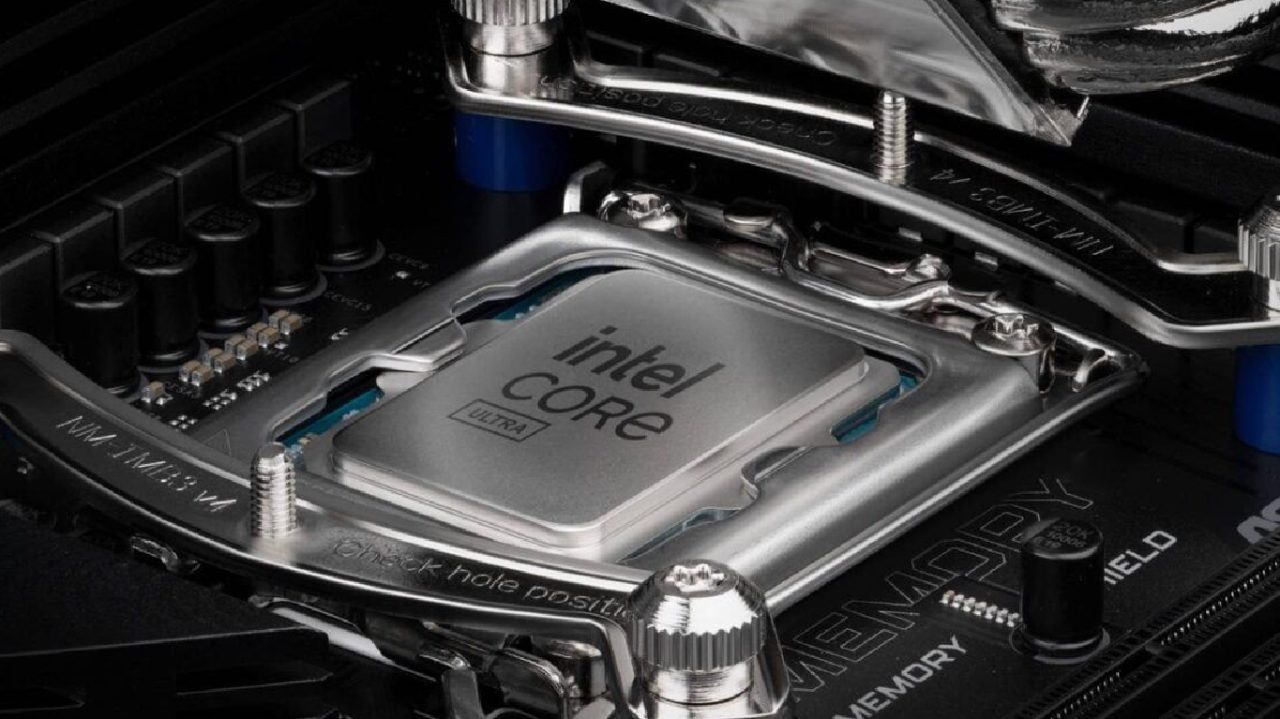
But as new systems came online, latency increased. After that change, we had to find a new way to do things. Now, major leaks show that Intel's answer is almost ready, meaning future Intel processors will handle cache, memory, and raw compute in very different ways.
Where the Nova Lake Cache Leaks Began
According to new sources, Intel is planning a major change to the last-level cache for its upcoming Nova Lake CPUs. The leaked information says that Intel is working on a much larger "big last-level cache" (BLC) configuration that will only work with its unlocked K-series desktop CPUs.
This aligns with Intel's plan to reserve the best features for its most expensive models. The leaked information also said that the cache could grow to a huge 144MB. To give you an idea, most modern Intel laptop CPUs have about 36MB of last-level cache, so this would be a 4x increase.
A jump this big could have a big effect on speed, especially in tasks like gaming, where quickly accessing large amounts of data is key to keeping the frame rate steady and responding quickly.
Potential Performance Gains From a Larger Cache
When the amount of cache grows this much, speed has to go up. We think the jump from 36MB to 144MB could deliver at least a 20% improvement in game performance, even if we are being cautious.
The real gain could be much higher, though, depending on how memory works and how the architecture is improved. Nova Lake's performance will depend not only on the size of the cache but also on the RAM's speed and latency. Both of these things look like they will get better in future Intel systems.
Core Configurations and the Return of High-Performance Tiles
More leaks reveal how the Nova Lake architecture's tiles can be arranged in new ways. Some of the most interesting layouts are 8+16 and 8+12 CPU tiles, which mean that the most powerful models can have up to 16 big cores and up to 32 E-cores.
16 high-speed cores and 144MB or even 288MB of cache—if each tile gets the full amount—could deliver performance never seen before, even without hyperthreading.
This would add up to 288 MB of last-level cache if both tiles have the full 144 MB. This is a huge amount for a consumer PC CPU. If you add faster interconnects, higher clocks, and better memory support, this setup could put Intel back at the top of the performance charts.
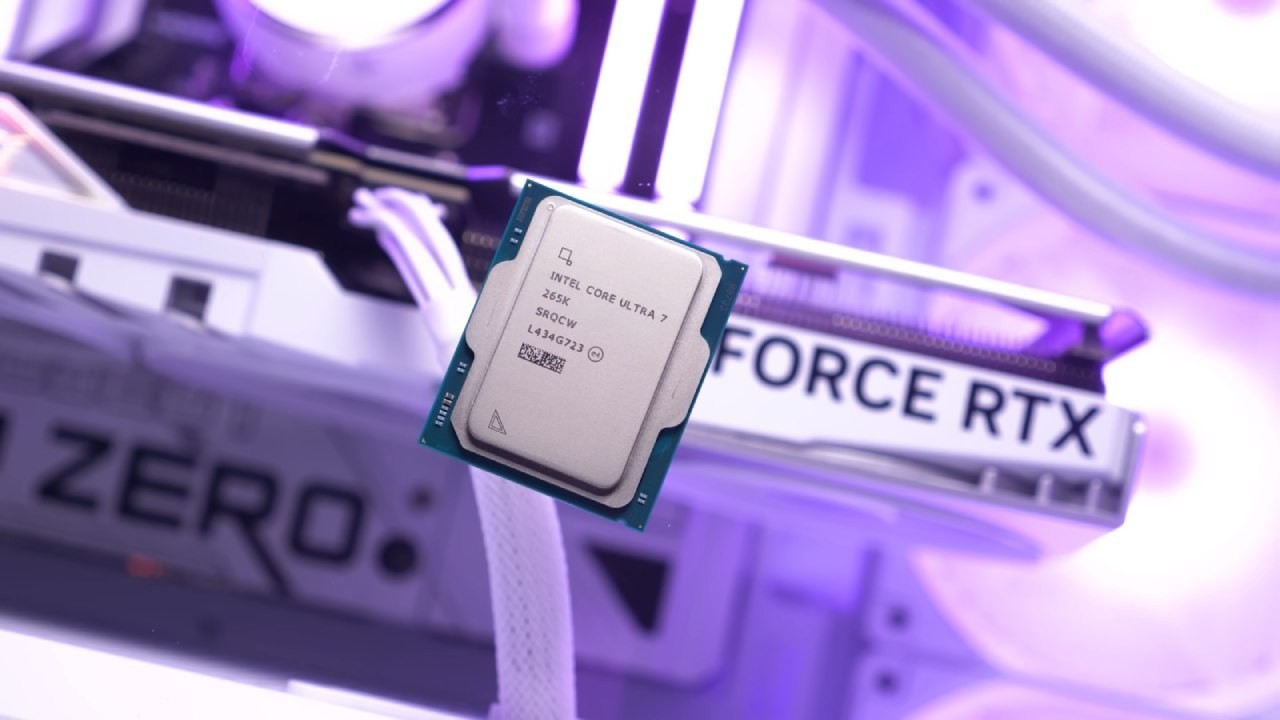
Stackless Cache and Clock Speed Advantages
It is said that the leaked cache design does not use 3D-stacked dies. While stacked cache has its benefits, Intel may be able to push clock speeds much higher if it doesn't use it. The company might be able to achieve a good balance between latency and bandwidth for high-FPS gaming if it can maintain strong all-core frequencies and offer ample cache.
Several leakers, such as Olrak and COP87KI, have said again that the 144MB compute tile will be built into Nova Lake-S PC chips. In addition, COP87KI described several SKUs that come with BLC, including 8+12, 8+16, dual 8+12, and dual 8+16 designs. When you add extra low-power IO tile cores, these patterns indicate up to 52 total cores.
Memory Improvements and Higher Fabric Speeds
Another big area of progress is memory speed. CPU Monkey said that Intel's upcoming Aero Lake Refresh CPUs will support native DDR5-7200 UDIMMs.
This means that the chips will have 12.5% more memory speed than older chips. When feeding a huge 144MB cache, faster, possibly lower-delay memory is very important.
It also looks like fabric speed will get faster. The current generation already allows faster fabric clocks than what Intel ships by default. With more work, the new unlocked desktop CPUs could achieve much lower latency and higher interconnect bandwidth. This is very important for coordinating many tiles and getting the most out of big cache pools.
Realistic Expectations for Performance Gains
After testing with real Core Ultra CPUs, we've already seen gains of 25–30% just by using faster memory, tightening memory timings, and speeding up the die-to-die fabric.
That was before any improvements to the architecture or the cache size. Suppose Intel ships Nova Lake with optimized memory, higher fabric speeds, and a much larger cache. In that case, we think overall game performance will increase by 30–40%.
There will always be special situations where things could be even better. In the past, we've seen speed gains of up to 60% in some applications that were running slowly on current-generation Core Ultra processors after tuning.
Even though these aren't normal situations, they show how much performance headroom Intel's tiled architectures have that isn't being used.

Looking Toward 2026 and Beyond
Intel could release Nova Lake as early as 2026, but delays could push it to early 2027, depending on when new Core Ultra products come out.
No matter the timing, Nova Lake could beat current AMD X3D chips thanks to its higher clock speeds, much larger caches, faster memory support, and higher fabric speeds. It will also be able to compete with future Zen 6 processors.
How well Intel implements its architectural design will determine whether these processors can eventually beat the 30% mark in game performance. But the groundwork is being laid for a major evolutionary leap that could change how CPUs are made.
Also, check our other Intel articles below:
- Intel Core Ultra 9 285K Review And Performance Breakdown (2025)
- Intel Core Ultra 9 285K vs AMD Ryzen 7 9800X3D: In-Depth Gaming Performance and Benchmark Comparison
- Intel Core i5-13400F Gaming Performance: Still Worth It in 2025?
- Intel Core i9‑14900K vs. AMD Ryzen 7 7800X3D: Power Profiles & Gaming Benchmarks
- Intel Core i9 14900K: Specs, Benchmarks, and Competitor Comparison
- Intel Core Ultra 5 245K Review: Gaming, Productivity & Power Efficiency Tested
- Intel Core Ultra 9 285 K's iGPU Gaming: In-Depth Benchmarks & Analysis
- Intel vs. AMD Gaming Laptop: Performance, Thermals & Battery Life Compared
- AMD Ryzen 7 9800X3D vs.7800X3D vs. Intel Core Ultra 7 265K: Gaming, Thermals & Price Analysis
Contributor, NoobFeed
Gaming Hardware Updates
No Data.