
Nvidia RTX 50 Super Series Faces Cancellation Amid GDDR7 Supply Issues
Memory shortages and market timing reduce the likelihood of higher VRAM RTX50 Super graphics cards
Hardware by Shinji Okazaki on Dec 18, 2025
People have been asking for years whether the RTX 50 Super series would eventually add a lot of video RAM. People were hoping for more VRAM, but new information suggests it won't happen.
The general scenario regarding memory availability and prices has changed, with significant implications for future GPU plans.
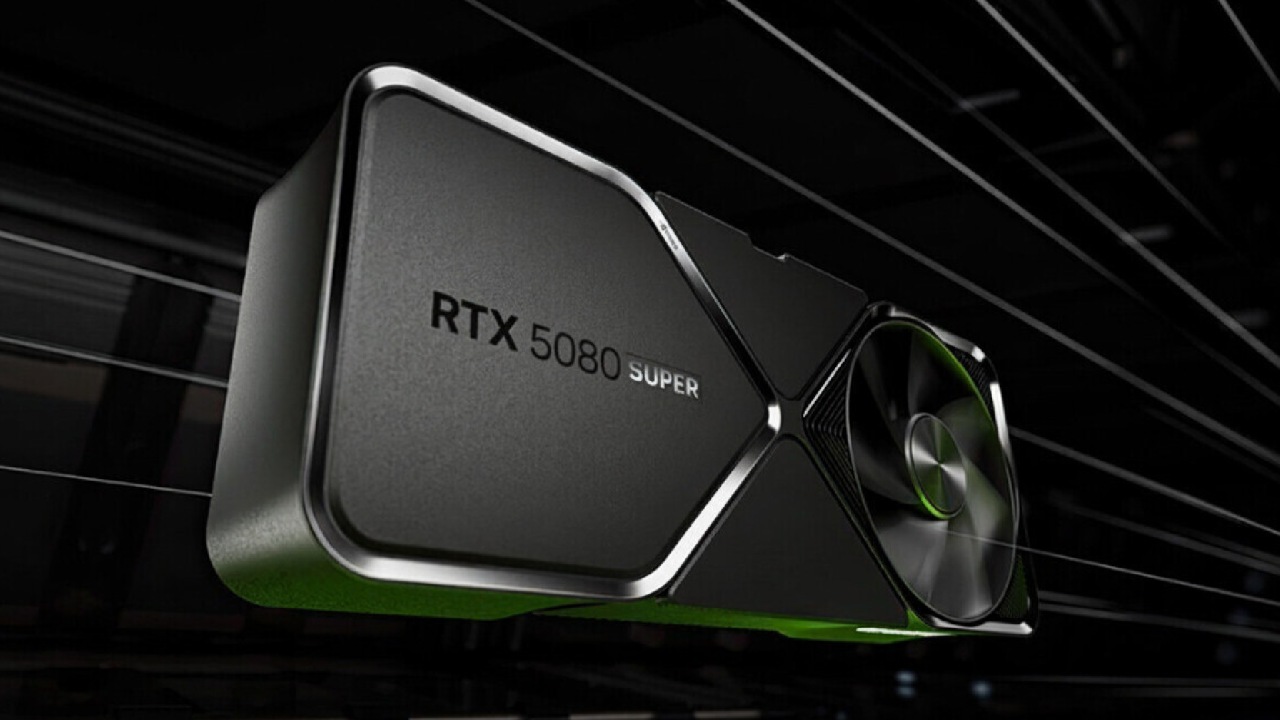
Memory Supply Pressure and Price Outlook
Growth in memory supply will be limited until 2028. That analysis says that supply, excluding high-bandwidth memory and SOCAM, is likely to remain constrained, and that the rise in commodity DRAM bits is likely to be limited. It is said that suppliers' stockpiles are running low, and manufacturing capacity growth is not projected to be as strong as in the past.
In short, memory prices are likely to stay high. GDDR, DRAM, and other components will get more expensive across the board. Anything that needs a lot of memory, like GPUs, will feel that pressure. That fact alone makes it less likely that higher-VRAM graphics cards will be available in the near future.
RTX 50 Super Series' Original Plans
People said the RTX 50 Super lineup would address one of the greatest problems with the standard RTX 50 cards: their VRAM capacity. It is said that several models will get a 50% boost in video memory.
RTX 5070 would increase from 12GB to 18GB of VRAM. There were rumors that the RTX 5070 Ti Super and RTX 5080 Super might increase from 16GB to 24GB. These changes would have directly addressed users' worries about long-term use, high-resolution gaming, and workloads that utilize a lot of memory.
Because of current memory prices, their plans no longer make sense. More VRAM would immediately increase production costs, either eating into profits or raising retail pricing.
The Event Will Likely be Canceled or Delayed
Nvidia might not release the GeForce RTX 50 Super series or might have to delay it because there aren't enough GDDR7 memory chips. When memory prices go up, and there isn't enough of it, it's hard to justify introducing refreshes with more VRAM.
From a business point of view, it doesn't make sense to release new cards that make less money than the ones you already have. Nvidia also doesn't usually say when it cancels refresh lineups. Instead, products never show up. RTX 50 Super series isn't really happening given the timeframe, pricing, and supply constraints.
If memory prices did go down in late 2026, the Super series would still be too close to the next generation. Nvidia wouldn't put out a new array of graphics cards that would only be useful for a few months until the RTX 60 series comes out.
When the RTX 60 series Will Come Out and What to Expect
RTX 60 series is still expected to come out on time. People think it will happen anytime in 2027, maybe even early, although it could be pushed out to the first or second quarter. The timeframe doesn't leave much room for a meaningful RTX 50 Super launch, even with the delay.
RTX 60 series is likely to make a big difference in performance. In light of this, Nvidia does not need to invest in a memory-heavy upgrade to the RTX 50 series when a new architecture is on the way.
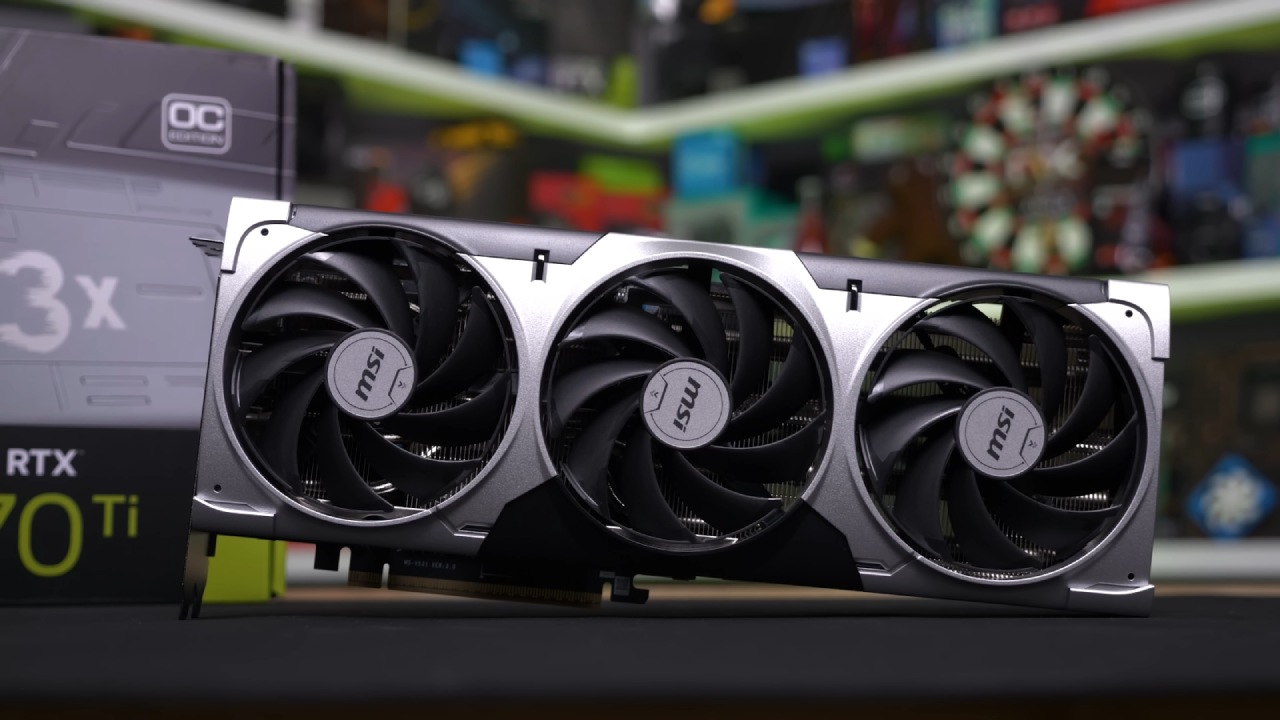
Should you Buy Now or Wait
This raises a useful question: should you buy an RTX 50-series card now or wait for the RTX 60 series? The answer depends on what you are using now and how well it works for you.
If your present GPU is still doing a good job for your work, it makes sense to wait. It's acceptable to buy now if your card is getting old and you're having trouble with it. Prices for the RTX 5070 Ti have stabilized, and other AMD options are available at competitive prices. It's not impossible to find a card at or below the MSRP.
For some people, waiting more than a year, or even longer, for the RTX 60 series may not be possible. An update becomes necessary at some point, rather than just a theory.
Final Thoughts
People thought RTX 50 Super series would fix the VRAM issues people were having with the existing lineup. That refresh is unlikely to happen due to the cost of memory, supply constraints, and the timing of the next generation. RTX 60 series is still the next significant step ahead, but it won't be here for more than a year.
It makes sense to keep your current GPU if it meets your requirements. If not, buying now is a good idea. Still, you should know that the next generation will eventually arrive and make a big difference in performance.
Also, check our other NVIDIA articles:
- NVIDIA GeForce RTX 5080 Review (2025): Still A 4K Gaming Powerhouse?
- NVIDIA RTX 5070 Review: Mid-Range Muscle or Marketing Hype?
- RTX 5070 Ti Review: Performance, Thermals & Power Efficiency Tested
- ASUS GeForce RTX 5090 LC Liquid Cooled GPU Review: Unmatched Silence & Speed
- MSI GeForce RTX 5090 32GB SUPRIM SOC Review: Power Efficiency, Cooling, and Gaming Performance
- INNO3D RTX 5060 Ti 16 GB X2 Review: Gaming Benchmarks, Temps, and Power Efficiency
- HP Omen 45L Review: RTX 5090 Performance, Thermals, and Value Analysis
- ASUS TUF Gaming GeForce RTX 5060 Ti Review: DLSS 4, Power Efficiency, and Gaming
- ASUS Prime RTX 5060 Ti OC 16GB Review: DLSS 4, Ray Tracing, & Thermals Tested
- NVIDIA GeForce RTX 5060 Review: Specs, Gaming, and Cost per Frame
- MSI GeForce RTX 5090 GAMING TRIO OC Review: A Monster Power GPU
Editor, NoobFeed
Gaming Hardware Updates
No Data.