
PRAGMATA Preview
Capcom's PRAGMATA on PlayStation 5 in 2026 redefines combat with hacking puzzles, weapon strategy, and a philosophy that makes every battle a story.
Preview by Zahra Morshed on Aug 22, 2025
There are moments in modern gaming when a design choice stops being a mechanic and becomes something larger: a statement about what play should feel like. That's the goal of PRAGMATA, Capcom's highly anticipated game that will come out on PlayStation 5 in 2026. Its combat method isn't just a matter of shooting and staying alive. It is a layered conversation between you, the world, and the systems that drive both tension and strategy.
At first glance, PRAGMATA's battle system looks like it has been seen before. A main weapon is the most important and reliable weapon in an arsenal. In regular shooters, decisions are based on how much ammo is available. This gun, on the other hand, fixes itself over time. It sets a minimum level of security so that you are never completely unarmed.
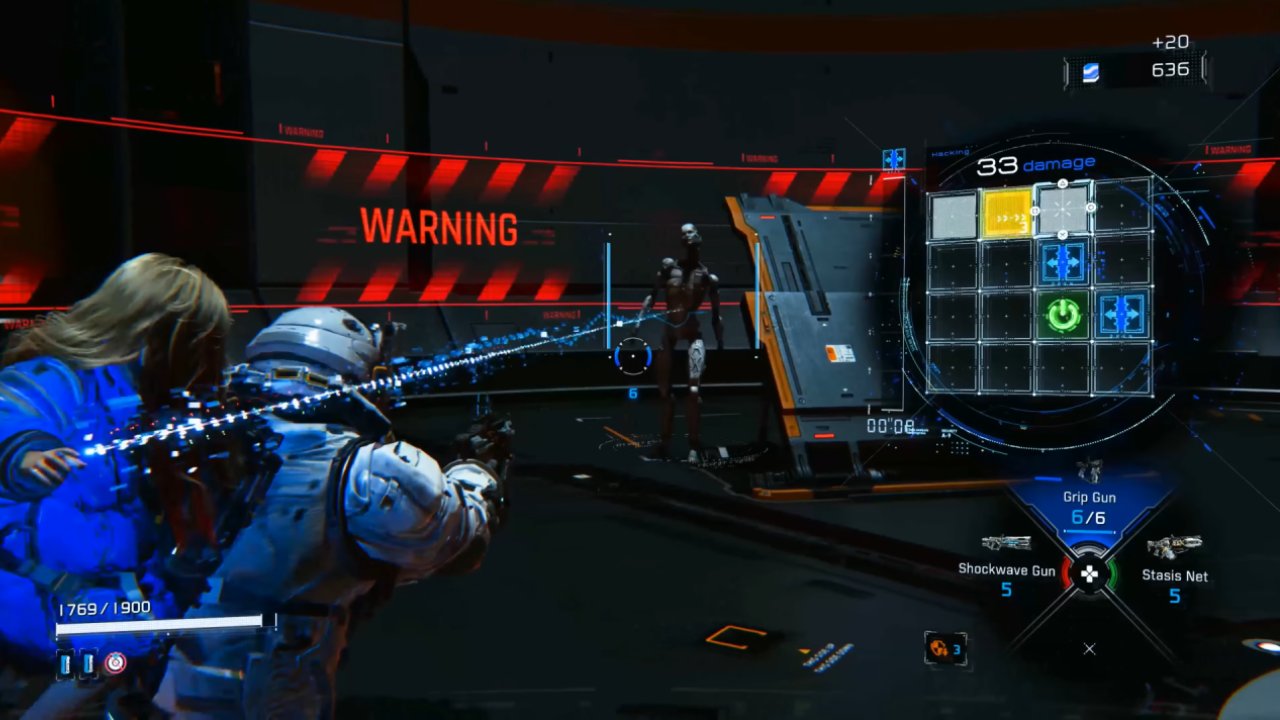
Because of this, the pace of the battle changes. There is less stress about counting bullets and more focus on timing, rhythm, and strategy layering. This small adjustment is very strong. It means that fighting never stops to punish you for looking around or trying new things. Instead, it builds momentum, which lets the story of each fight play with unbroken intensity.
Two different backup weapons are placed around this reliable main tool. When used up close, the shockwave gun unleashes an incredible amount of force that can stop even heavily armored enemies in their tracks. Its form is both offensive and defensive, giving you room to move when it looks like they can't survive. The stasis net, a gadget designed to control rather than destroy, goes with it. When you fire it, it traps enemies and holds them there for a while, giving you time to change your strategy, move around the battlefield, or plan another devastating attack.
With that said, these strong tools come with some restrictions. The main weapon can always be made again, but secondary arms depend on physical ammunition that is dropped in different places. They don't just lie idle when they're low on resources. They break. This choice, which is minor but on purpose, changes how you think about managing resources. Every new tool you pick up is more than just a refill; it means that new opportunities have opened up. Every encounter feels fluid, unpredictable, and living because of the cycle of breaking and starting over.
This philosophy of balance, security in one hand, limitation in the other, anchors PRAGMATA's combat. But the true innovation lies deeper, within the hacking system that transforms each enemy encounter into a puzzle layered over the action.
Every enemy in PRAGMATA wears heavy armor, rendering traditional firepower inadequate. To deal meaningful damage, you must engage in a process of exposure. The character Diana provides the key. Because she can hack into enemy systems, she finds weak spots that are hidden behind metal walls. Hugh, who has direct weapons, can only make decisive hits after that.
With this mechanic, fighting is now a conversation instead of a monologue. You aren't just shooting at objects with no faces. Combat instead becomes a coordinated effort between characters, technology, and what you want to do. Precision and patience go hand in hand, and you need to be able to think quickly and carefully at the same time.
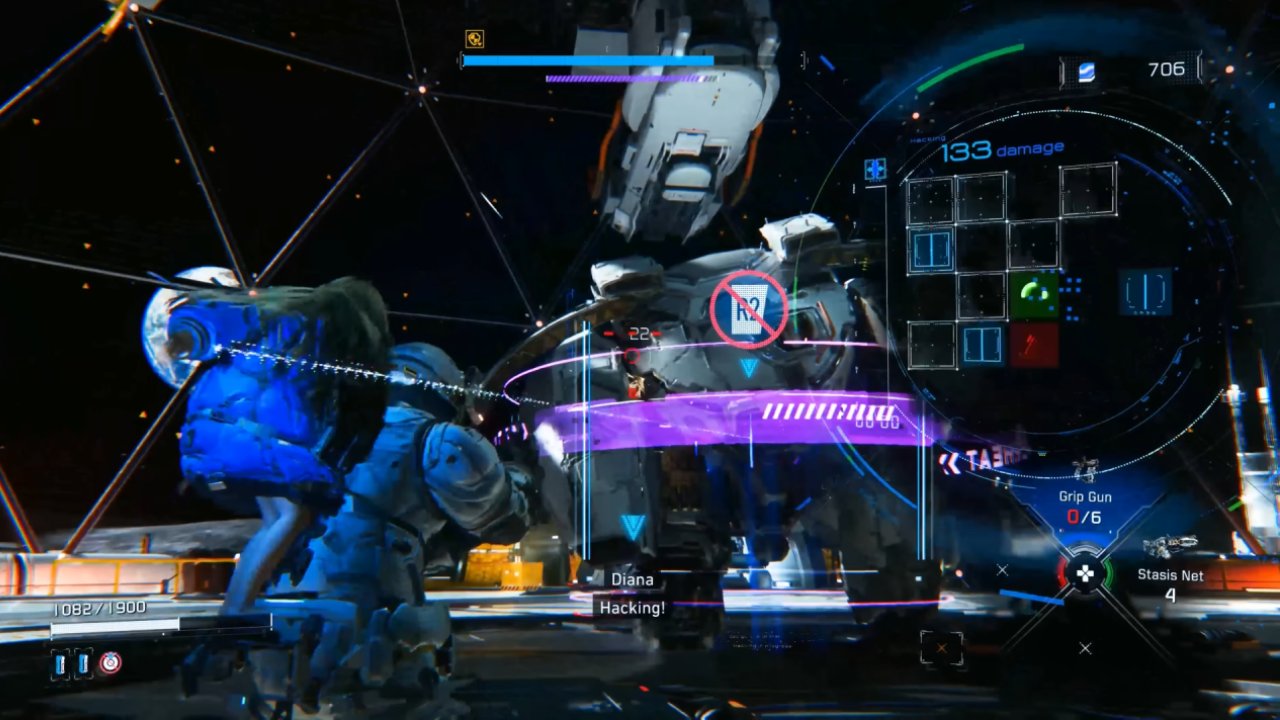
It is not common for people to hack into computers. PRAGMATA adds a graph-based game system instead of a static lockpicking simulator. Blue nodes must be crossed on a carefully drawn line that leads to the last green node. It makes me think of rhythm tasks in games like Yakuza 0, where a series of inputs can lead to music or movement.
Things are more important here, though. On a battlefield, not in a dance hall, is where the grid is. Each second that you spend figuring out patterns is also a second that someone could hit you. Diana must remain locked onto the target, and if focus is lost, progress falters. The system demands presence. Attention cannot drift for even a moment.
What emerges is a rare duality: battles that engage both instinct and intellect. You dodge, aim, and react physically while simultaneously solving spatial puzzles. This mix creates a high-level state of flow, a state of stress where skill and calmness are both needed to stay alive.
This method is layered with collectible modifiers that change the hacking puzzle itself. Nodes from the battlefield show up on the grid, which opens up new strategy options. When added to the hacking process, a yellow square, for example, makes enemies less safe. The effect gets stronger as more nodes are used.
The design is like old-school puzzle games like Snake, where you have to plan your path carefully so you don't get stuck. Yet unlike its arcade ancestor, PRAGMATA attaches these paths to consequences that ripple across the battlefield. Every movement on the grid translates directly into changes in enemy behavior and vulnerability.
The game also signals danger clearly. Red nodes marked with warnings represent pitfalls, sabotaging attempts, and punishing careless movement. The message is clear: combat is as much about foresight as it is about reaction. Success belongs not only to the fastest trigger finger but to the mind capable of anticipating consequences three moves ahead.
Failure in PRAGMATA does not erase progress but reconfigures it. When characters fall in battle, they respawn at designated escape hatches. Even these checkpoints require interaction, with Diana hacking them open before they can serve as lifelines. It reinforces the central theme: survival in PRAGMATA is inseparable from the act of infiltration and problem-solving.
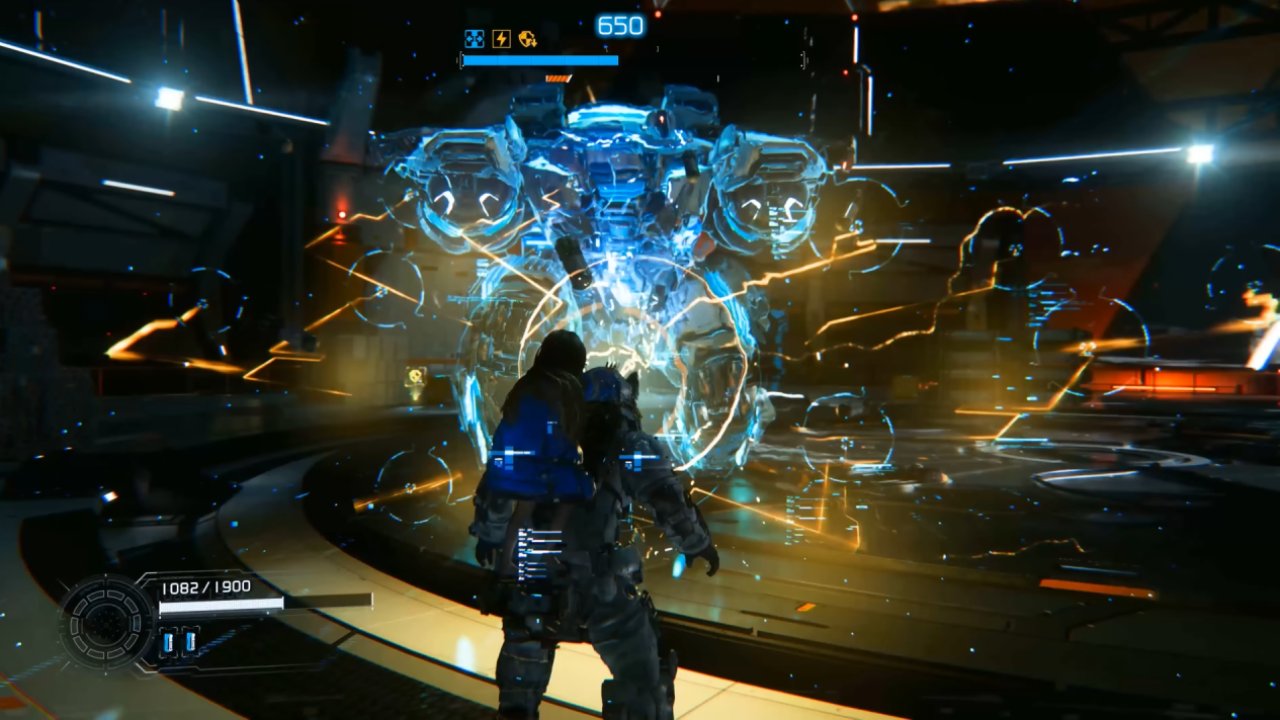
The system rewards persistence. You are never left weaponless. They are never punished to the point of despair. Instead, they are asked to recalibrate, rethink, and reengage. It is a combat philosophy built on resilience rather than frustration.
PRAGMATA saves one of its most striking mechanics for moments when the battlefield threatens to overwhelm. Diana's overload protocol, which is powered by constant hacking, gives her a superpower. When it's used, it stuns and reveals all enemies in a large area. The reaction happens right away and is powerful and freeing.
This power is not only a show, but also a safety valve for the design. When chaos is about to turn into pointlessness, the overdrive procedure restores order. It gives you room to relax, plan, and get back in charge. Importantly, its limited availability makes sure that it stays a choice that is only used as a last resort. This makes every decision about when to use it more important.
When you put PRAGMATA's combat systems together, they make a rhythm that is different from most current action games. When enemies come at you, the pace is just right to make you think and respond at the same time. There is no rush to confusion and no constant attack meant to overwhelm. You are instead asked to hack, dodge, shoot, and recalibrate in a precise dance.
As you meet someone new, each meeting turns into a mini-drama with its rhythm: tense buildup, explosive payoff. The way you see danger changes because of this beat. Enemies are not things you have to get rid of; they're chances for more complex gameplay. Every new enemy is both a risk and a chance to solve a new puzzle or reach a new level of skill.
PRAGMATA is more than just a story set in the future. It's an attempt to rethink what fighting is all about. Many games are based only on firepower, but PRAGMATA focuses on balance. It mixes safety with lack, instinct with planning, and stress with toughness.
The fact that this experience is still years away only sharpens anticipation. Scheduled for release on PlayStation 5 in 2026, it positions itself as one of the most distinctive entries in the upcoming generation. The combination of thoughtful systems, innovative mechanics, and Capcom's proven ability to craft worlds of depth ensures it will be more than another entry in the crowded action-adventure space.
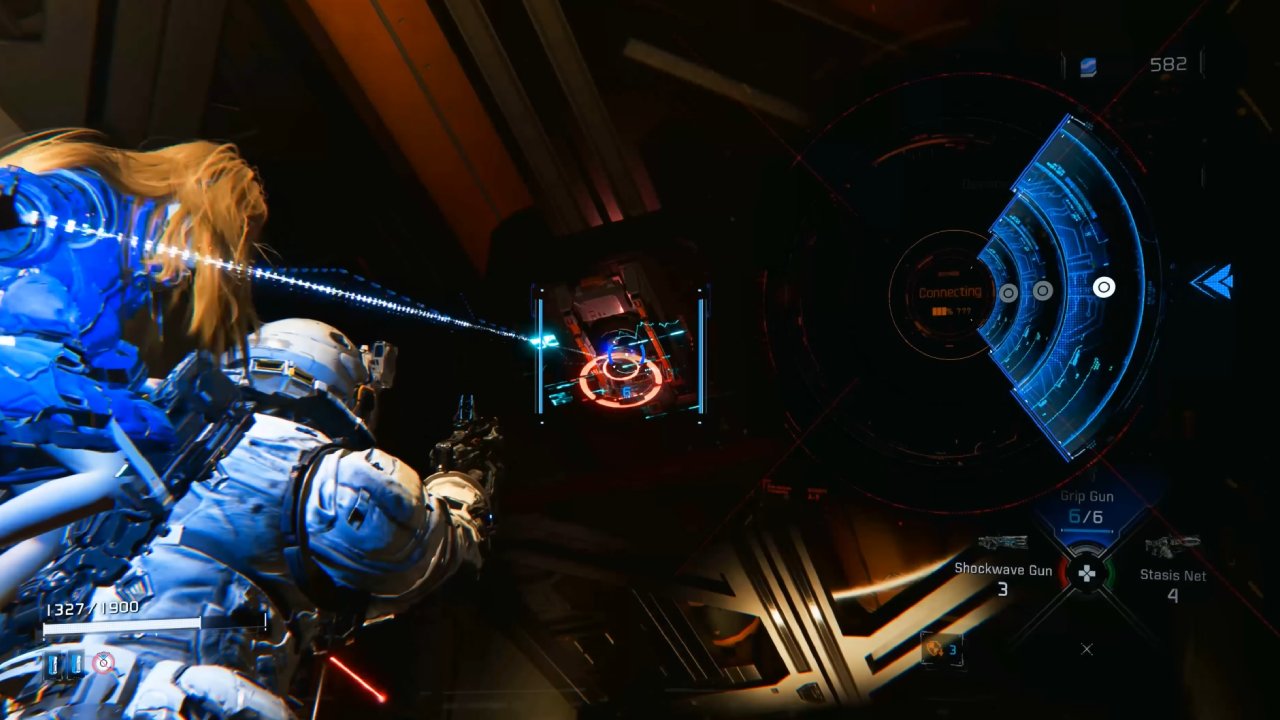
What PRAGMATA ultimately offers is a philosophy of combat where mechanics are never isolated. Weapons, puzzles, and people are all connected in a way that makes you pay attention and rewards you for getting good at it. On the battlefield, every second is a choice. Putting together a puzzle is like telling a story.
While many titles try to be entertaining, PRAGMATA tries to be thought-provoking. This makes battles that are not only exciting but also important, tense but smart. And by doing that, it changes the way people play, plan, and are engaged in a world that challenges them as much as it charms them.
When PRAGMATA comes out in 2026, it won't just tell you to fight. It will invite them to think, to adapt, and to discover the beauty of combat redesigned for a new era.
Contributor, NoobFeed
Latest Articles
No Data.