

PlayStation 6 Handheld Leaks: Zen 6, RDNA 5, and What Sony Has Confirmed
Sony's public statements and leaked hardware details point toward a Zen6 and RDNA5 powered PlayStation 6 handheld.
PlayStation by Okazaki on Jul 06, 2026
Speculation around Sony's next-generation hardware has picked up pace, with attention centered on a PlayStation 6 handheld rather than just the main console. Between an internal AMD Linux kernel submission, a batch of leaked specifications, and public comments from Sony itself, a clearer picture of the device is emerging, along with questions about pricing, launch timing, and how it will connect to the home console.
The company has acknowledged that absorbing rising component costs is unrealistic, and price increases have already taken effect outside Japan. Reporting on Sony's move toward a disc-less PlayStation 6 has led one analyst firm, Ampere, to argue that this shift could push the console's launch back to late 2028.
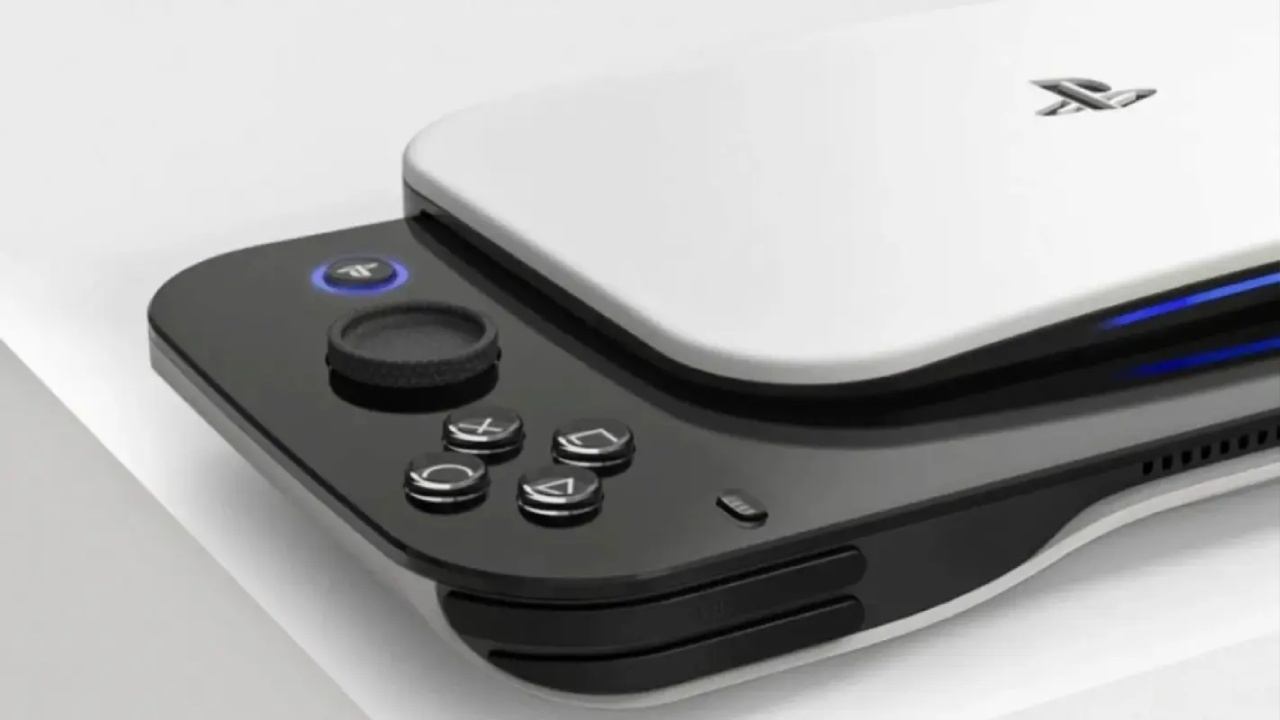
Sony Signals Ambitions Beyond the Living Room
We do not see much reason to expect that delay, since Sony has no obligation to release the PS6 and later follow up with a disc version. An all-digital console remains one path forward, and backward compatibility with a PS5 disc drive is technically possible, though it's still speculation rather than confirmed information.
Specification leaks have pointed to four Zen 6C cores paired with two Zen 6 LP cores, 16 RDNA 5 GPU units, a 192-bit bus, and LPDDR5X memory. Shortly after those leaks circulated, an AMD Linux kernel submission surfaced that directly referenced a Zen6 LP core.
Mailing list submissions like this typically contain routine technical entries, so a specific reference to a Zen6 LP core stands out. This effectively confirms something long rumored rather than introducing new information, since chips of this kind are rarely built for a single customer and will likely appear across a range of AMD products beyond Sony's hardware.
A Shared Platform Between Handheld and Home Console
Much of the underlying technology inside the PlayStation 6 handheld appears designed to interoperate with the main console. You could end up with something resembling a Switch-style setup, where a game purchased once plays on the home system at higher resolution and detail, then carries over to the handheld as well.
Whether the handheld will support docking remains unconfirmed, though a Switch-like HDMI docking setup would make sense given the shared architecture. Mark Cerny has spoken about bringing frame generation and related technologies to PlayStation platforms going forward, building on Sony's collaboration with AMD through Project Amethyst, which centers on frame generation and related graphics techniques.
RDNA5 appears positioned as the graphics foundation shared between the PS6 handheld and the main console.
The push toward digital purchases aligns with that shared ecosystem, since a game bought on the main console could carry over to the handheld without requiring a second purchase. We do not expect Sony to delay the PlayStation 6 launch. Component costs are unlikely to ease anytime soon, and the main home console is reportedly on track to have a bill of materials of nearly $1,000.
Sony has indicated it will not offset that cost through heavy subsidization, suggesting a higher retail price for the home system rather than a delayed release. How Sony positions the handheld alongside the home console, and how the two products are marketed together, remain among the more interesting parts of this rollout to watch.
Editor, NoobFeed
Latest Articles
No Data.