
PS6 and Next Xbox May Use Standard GPUs as Intel Improves Budget CPU Value
Intel shifts CPU strategy for better value while next generation consoles adopt standardized GPU designs closer to PC hardware.
Hardware by Tanvir Kabbo on Apr 22, 2026
The gaming hardware market is experiencing a significant shift, driven by changes in CPU strategies and advances in console architecture. The industry is shifting towards increased efficiency and compatibility with PC hardware, with better value in budget processors, and a transition to standardized GPUs in consoles.
Intel's New Direction for CPU Value
Intel is undertaking major shifts in its CPU design approach, especially in the low-end market. It is moving towards enhancing value through overclocking techniques and more adaptable performance tuning.
Past generations have been very good performers, and processors such as the 12900K and 13900K have been very good, even though there are some reliability issues. The idea now is to perfect the general methodology, and performance optimization becomes more affordable in various price ranges.
This change may result in improved performance-per-dollar, particularly for users who desire to get the most out of their hardware without spending on expensive parts. An intellectual reevaluation of overclocking and efficiency will help Intel reclaim competitive ground.
Next-Generation Consoles and GPU Uniformity
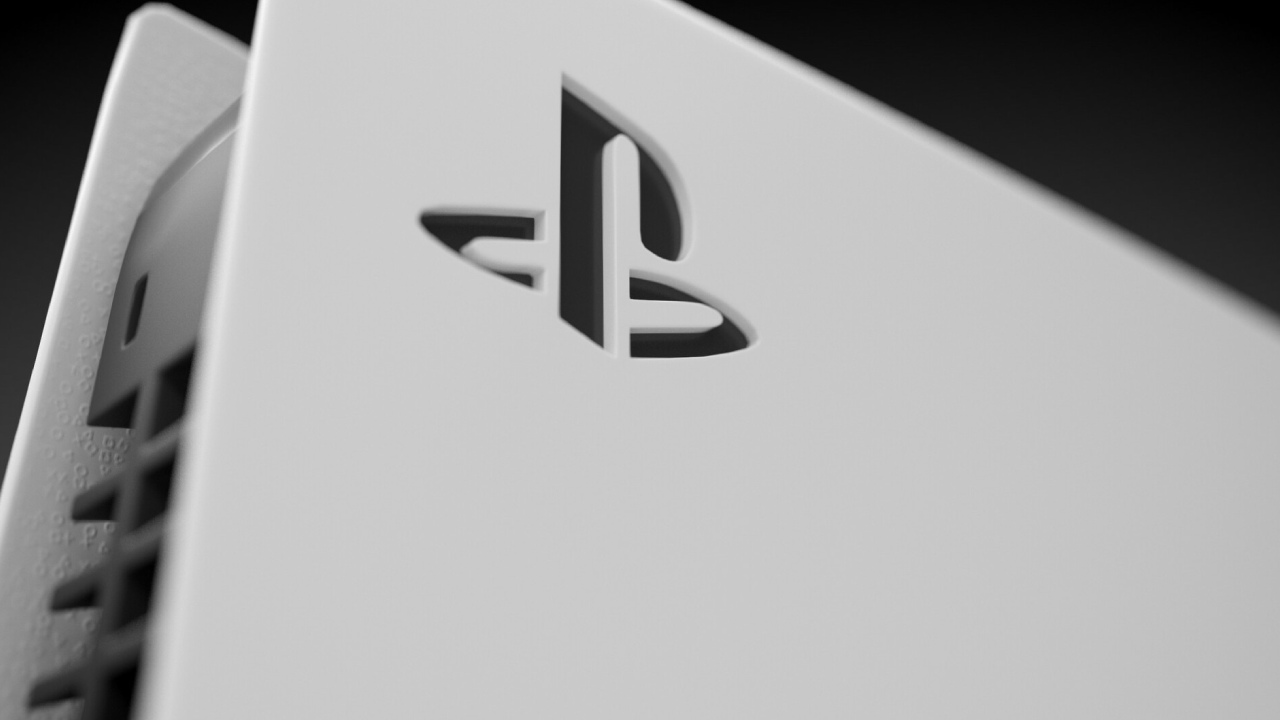
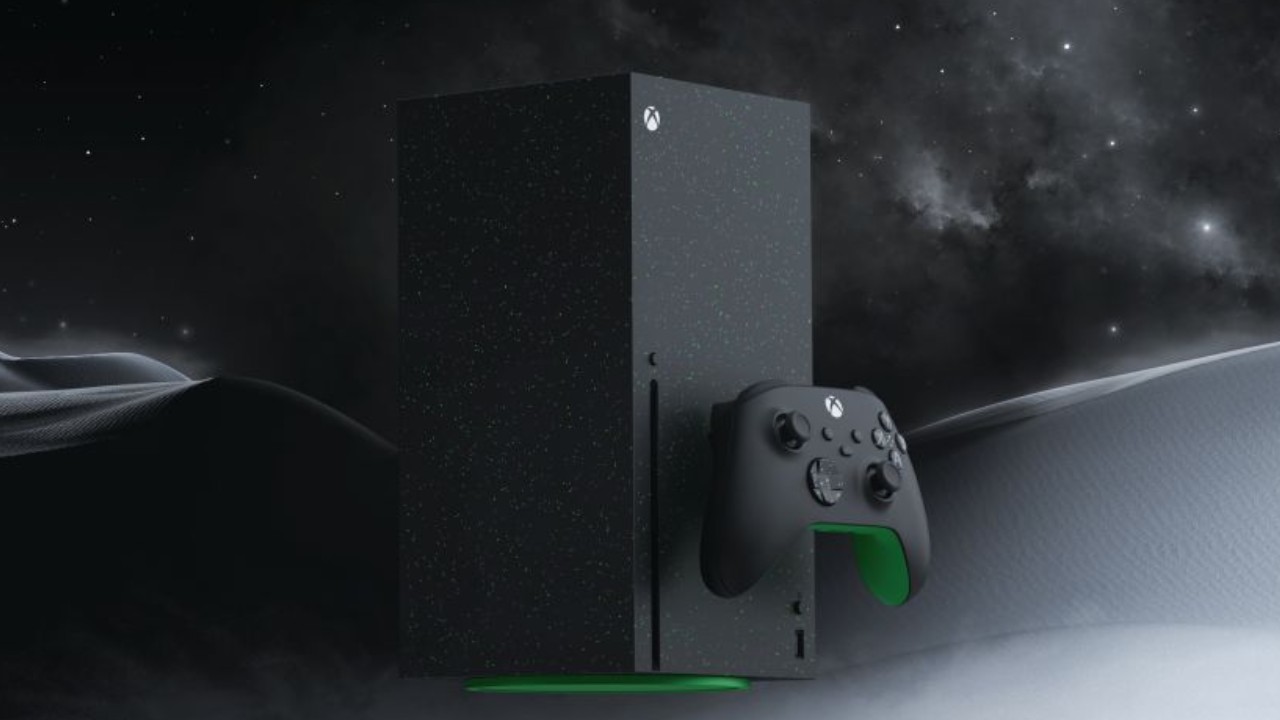
There are rumors of a significant shift in the philosophy of the GPU design in the next generation of consoles. The next-generation Xbox and PlayStation 6 are likely to be powered by GPUs that are similar to their PC counterparts, with minimal or no major customization.
These GPUs are said to be built on the RDNA5 architecture, with additional capabilities, such as neural arrays for machine learning. Rather than making significant changes to the GPU, console makers seem to be using standard AMD designs.
This is a break with the past, where custom GPU features were more significant in distinguishing consoles.
Understanding the Role of the SoC
Although the GPU might not change much, the system-on-chip will still contain custom components. These consist of CPU cores, memory controllers, and media processing and acceleration hardware blocks.
The graphics card is not the entire chip. Other components will still be customized by console manufacturers to maximize performance and provide unique features. This ensures that every system maintains its identity, despite a standardized GPU.
Additional custom hardware, including dedicated NPUs, may also be possible to improve machine learning and enable advanced features.
Backward Compatibility and Future Architectures
Future GPUs can also support backward compatibility, enabling newer systems to run older titles more effectively. This feature may be a common feature in future hardware generations.
Nevertheless, these capabilities might be limited to first-party devices due to licensing restrictions. This implies that the hardware is backward-compatible, but its use may be restricted by the platform.
This integration makes it easier to maintain compatibility across generations, eliminating the need for separate solutions.
What This Means for the Industry
The shift to standardized GPUs in consoles indicates a future where console and PC hardware will be more similar. This may make it easier to develop games and enhance cross-platform optimization.
Meanwhile, the value is being added across various segments through advances in CPU architectures, making high-performance computing more affordable. Collectively, these trends suggest a move towards a more integrated and efficient hardware ecosystem.
The future of gaming hardware is not merely about more power, but more efficient use of that power. This performance-efficiency balance will be the future of consoles and PCs.
Also, check our other hardware articles:
- AMD Ryzen 9 9950X3D Review: Setting The Standard For 2025 Gaming CPU
- Amazon Luna 2025 Review: Is Prime Gaming's Cloud Service Your Go-To For Casual Fun?
- AMD RX 9070 XT Review: AMD's RDNA 4 Champion for 1440p Gaming
- GeForce Now Ultimate: Ditching Your Gaming PC For Cloud RTX 4080 Power?
- NVIDIA GeForce RTX 5080 Review (2025): Still A 4K Gaming Powerhouse?
- Intel Core Ultra 9 285K Review And Performance Breakdown (2025)
- AMD Ryzen 7 9800X3D Review: 3D V-Cache Goes God Mode with Stunning Gaming Performance
- Intel Core Ultra 9 285K vs AMD Ryzen 7 9800X3D: In-Depth Gaming Performance and Benchmark Comparison
- NVIDIA GeForce RTX 5080 Super Performance In Cyberpunk 2077: Path Tracing & DLSS 4.0 Tested
- AMD Radeon RX 9070 XT In Cyberpunk 2077: Ray Tracing & FSR 4.0 Tested
- Intel Arc B580 Review: The $250 GPU Revolutionizing 1440p Gaming
- Intel Arc B570 Vs. B580: Value, Specs, And Real-World Gaming Performance
- RTX 5090 Laptop Vs. M4 Max MacBook Pro: Ultimate Raw Performance Vs. Battery Endurance
- Intel Arc b580 Vs. RTX 4060: Game Performance And Value Analysis
- RTX5090 Hell Is Us Demo 4K Ultra Benchmark: DLSS Vs. Native Performance Guide
- NVIDIA RTX 5070 Review: Mid-Range Muscle or Marketing Hype?
- Nintendo Switch 2 Review: Handheld Performance, Features & Value Breakdown
- RTX 5070 Ti Review: Performance, Thermals & Power Efficiency Tested
- Samsung Odyssey OLED G81SF Review 2025: Ultimate 32-Inch QD-OLED Gaming Monitor
- AMD RX 9070 Performance Review: Thermals, Clocks, and Real-World FPS
- AMD Ryzen 5 7600 Review: Best Budget Gaming CPU of 2025?
- AMD Radeon RX 7800 XT Review: RDNA 3 Power For Midrange Gaming
- Asus ROG RTX 5090 Astral OC Vs. Founders Edition: The 4K Gaming Benchmark
Senior Editor, NoobFeed
Gaming Hardware Updates
No Data.