
Snapdragon X2 Elite Review: Massive Leap in Windows on ARM Performance and Efficiency
Snapdragon X2 Elite delivers major performance gains alongside exceptional battery efficiency across thin and light Windows laptops.
Hardware by Tanvir Kabbo on Apr 09, 2026
After months of teasers, sponsored films, and excitement, Qualcomm's Snapdragon X2 Elite full production samples are now here. These chips are the next generation of CPUs for the Windows on ARM ecosystem. They are currently being put through a full range of testing, from A to Z, to see if their bold claims about performance and efficiency hold up in the real world. Earlier benchmarks showed some of their potential. However, the big question is still: how close were those early findings to the final retail performance?
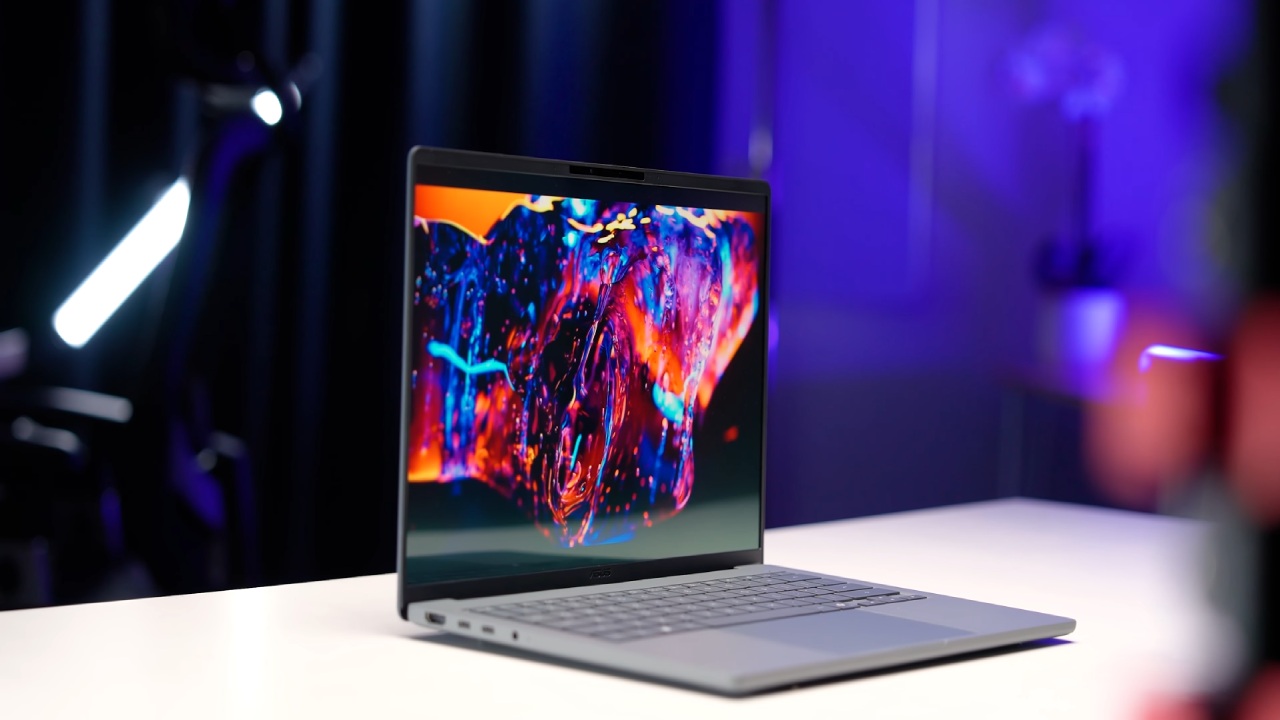
We tested three ASUS ZenBook laptops with different X2 Elite CPUs. The A16 models come with Qualcomm's best X2 Elite Extreme series, while the A14 features a regular X2 Elite CPU. These systems give us a good idea of the whole portfolio and let us see how the architecture operates in different situations.
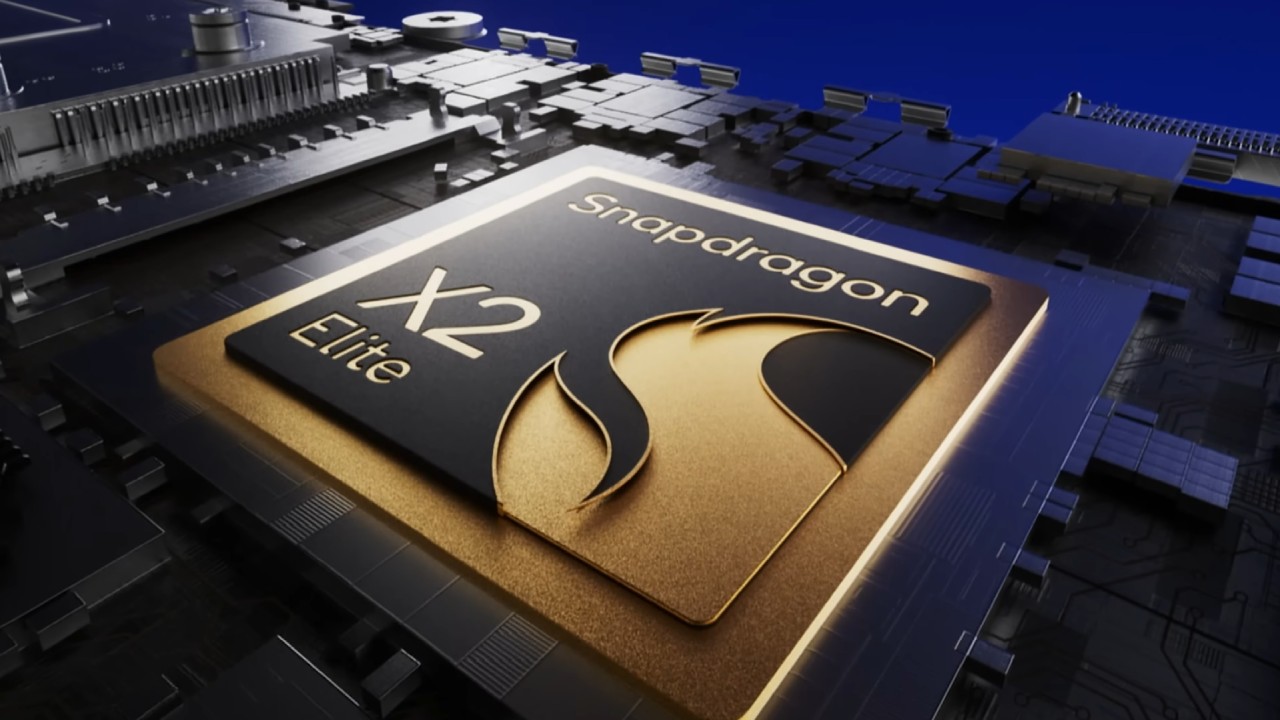
Understanding the Snapdragon X2 Elite Lineup
Qualcomm's new lineup is complicated because it has many CPUs that look the same but differ in important ways. The X2E96 and X2E94 are at the top. The sole difference is that the 96 has a boost frequency 300 MHz higher for single- and dual-core workloads. The regular X2 Elite chips, like the 90 and 88, are below them. They are similar to the higher-end chips but have slower multi-core and GPU performance.
The way memory is set up is also very important. The Extreme series features a triple-controller 192-bit interface, providing much more bandwidth. On the other hand, normal X2 Elite chips have a dual-controller configuration. Later on, 12-core versions are planned for cheaper devices and will have only minor changes to boost frequencies.
Test Setup and Power Normalization
To make sure that all laptops are compared fairly, they all utilize roughly 30W of CPU power, which is normal for thin-and-light computers. We also included results from pre-production devices with early firmware and beta drivers to show how much superior the final retail versions are.
Battery Life and Efficiency
One of the most important things about thin-and-light laptops is their battery life. A new test that mimics everyday tasks, including video chats, document editing, web browsing, and media consumption, shows that Snapdragon X2 Elite computers are far better than other Windows-based devices. The A16 models last around two hours longer on a charge than other Panther Lake systems. The A14 with the X2E88 is far better than almost anything else, save the MacBook Pro.
The results change a little bit when you try online browsing. The X2E88 is still the best, but other X2 Elite systems are falling behind Panther Lake while still beating Lunar Lake. Video streaming shows that Apple is more efficient, but Snapdragon chips are still the best in the Windows ecosystem.
A more in-depth look at efficiency, evaluating minutes per Wh, indicates that the MacBook is still the best, although the X2E88 comes very close. Snapdragon chips are more efficient than x86 processors across the board, which is a big step forward for Windows on ARM.
Real-World Performance and Application Compatibility
Compared to the first-generation Snapdragon X1E series, application compatibility has improved significantly. Before, many apps either didn't work, lacked enough features, or ran slowly because the emulation wasn't very good. Most of the time, applications people use frequently run natively without problems. Those that still require emulation run much better.
There are still some exceptions, such as limited GPU support in some rendering engines. Still, general compatibility is now good enough for everyday use. Only a few small problems were found with the many tested apps.
CPU Performance: A Major Leap Forward
Snapdragon processors have always been good at handling many cores, and the X2 Elite series takes that to a whole new level. The new architecture and higher core counts make performance far better than the last version and better than many other thin-and-light laptops.
Apple is still ahead in single-core performance, but Snapdragon chips are still better than older ones and Intel's newest ones. These improvements are evident in real-world workloads, where X2 Elite processors perform very well across a wide range of applications.
Mixed Workloads and Creative Applications
Qualcomm works well in mixed workloads, but it doesn't always come out on top. AMD is still competitive, but Apple's ecosystem benefits give it a big edge in apps like Lightroom and Photoshop.
Still, X2 Elite processors routinely beat other Windows-based CPUs, a big step forward from the previous generation.
GPU Performance and Limitations
The new Adreno architecture makes a big difference in GPU performance, almost doubling the performance of the old one. This means that Snapdragon CPUs can compete with some of the top built-in GPUs on the market.
But optimization is still hard. Snapdragon CPUs are still behind Apple and Intel in GPU-accelerated tasks like video editing. There has been progress, but more software optimization is needed to fully unlock the hardware's potential.
Gaming Experience on Windows on ARM
Gaming is a lot better now than it was on prior Snapdragon systems. A lot of games used to be unplayable because of compatibility problems and restrictions against cheating. Most games operate well now, with only a few that stand out.
Depending on how well it is optimized, performance can vary widely. Under the right conditions, the X2 Elite can achieve frame rates similar to those of mid- to high-end integrated GPUs. But if the frame rate and 1% lows aren't always the same, the game could be less stable.
Driver optimization is still a major area that needs work, but the progress made so far bodes well for gaming on Windows on ARM in the future.
Performance on Battery Power
Snapdragon systems give the CPU and GPU extra power when under heavy stress, which can affect battery life. Apple's architecture, on the other hand, takes a more balanced approach, delivering good performance without making significant efficiency sacrifices.
Even so, Snapdragon systems do quite well in battery life, which aligns with their high efficiency scores from previous tests.
Pricing and Market Position
Pricing was a big factor in how people reacted to the first-generation Snapdragon laptops, which were initially marketed as high-end products. But newer devices seem to have lower prices that are more competitive.
It is thought that the ASUS ZenBook A14 will cost less than $1200. It has a 512GB SSD, an OLED display, 24GB of memory, and an X2E88 processor. This makes it a highly enticing option, especially when compared to bigger, more expensive ones.
The Future of Windows on ARM
The Snapdragon X2 Elite is a huge improvement for Windows on ARM. In its class, it has the best efficiency, performance, and compatibility. In certain ways, it competes with normal x86 CPUs and even Apple hardware.
Even with these improvements, there are still problems. Gaming compatibility, GPU optimization, and lingering views about the platform continue to affect how many people use it. Also, the lack of support for other operating systems raises questions about the ecosystem's potential as a whole.
There is no doubt that things are getting better, but it's still unclear if this will change how people think about Windows on ARM.
Also, check our other hardware articles:
- AMD Ryzen 9 9950X3D Review: Setting The Standard For 2025 Gaming CPU
- Amazon Luna 2025 Review: Is Prime Gaming's Cloud Service Your Go-To For Casual Fun?
- AMD RX 9070 XT Review: AMD's RDNA 4 Champion for 1440p Gaming
- GeForce Now Ultimate: Ditching Your Gaming PC For Cloud RTX 4080 Power?
- NVIDIA GeForce RTX 5080 Review (2025): Still A 4K Gaming Powerhouse?
- Intel Core Ultra 9 285K Review And Performance Breakdown (2025)
- AMD Ryzen 7 9800X3D Review: 3D V-Cache Goes God Mode with Stunning Gaming Performance
- Intel Core Ultra 9 285K vs AMD Ryzen 7 9800X3D: In-Depth Gaming Performance and Benchmark Comparison
- NVIDIA GeForce RTX 5080 Super Performance In Cyberpunk 2077: Path Tracing & DLSS 4.0 Tested
- AMD Radeon RX 9070 XT In Cyberpunk 2077: Ray Tracing & FSR 4.0 Tested
- Intel Arc B580 Review: The $250 GPU Revolutionizing 1440p Gaming
- Intel Arc B570 Vs. B580: Value, Specs, And Real-World Gaming Performance
- RTX 5090 Laptop Vs. M4 Max MacBook Pro: Ultimate Raw Performance Vs. Battery Endurance
- Intel Arc b580 Vs. RTX 4060: Game Performance And Value Analysis
- RTX5090 Hell Is Us Demo 4K Ultra Benchmark: DLSS Vs. Native Performance Guide
- NVIDIA RTX 5070 Review: Mid-Range Muscle or Marketing Hype?
- Nintendo Switch 2 Review: Handheld Performance, Features & Value Breakdown
- RTX 5070 Ti Review: Performance, Thermals & Power Efficiency Tested
- Samsung Odyssey OLED G81SF Review 2025: Ultimate 32-Inch QD-OLED Gaming Monitor
- AMD RX 9070 Performance Review: Thermals, Clocks, and Real-World FPS
- AMD Ryzen 5 7600 Review: Best Budget Gaming CPU of 2025?
- AMD Radeon RX 7800 XT Review: RDNA 3 Power For Midrange Gaming
- Asus ROG RTX 5090 Astral OC Vs. Founders Edition: The 4K Gaming Benchmark
Senior Editor, NoobFeed
Gaming Hardware Updates
No Data.