
Xbox Magnus vs. PS6: Major APU and Memory Differences
Differences in APU architecture could influence next-generation console performance, pricing strategies, and overall market positioning.
Hardware by Tanvir Kabbo on Oct 28, 2025
The next generation of consoles is beginning to take clearer shape as new leaks continue to emerge from credible industry sources such as Moore’s Law is Dead and Kepler L2. Reports suggest that both Sony and Microsoft are deep into development on their next flagship systems, the PlayStation 6 and the next-gen Xbox, codenamed “Magnus.”
Early technical rumors indicate intriguing differences in chip architecture, performance targets, and pricing strategies that could define the future of console gaming.
.jpg)
Size and Power Gap Between PS6 and Xbox Magnus
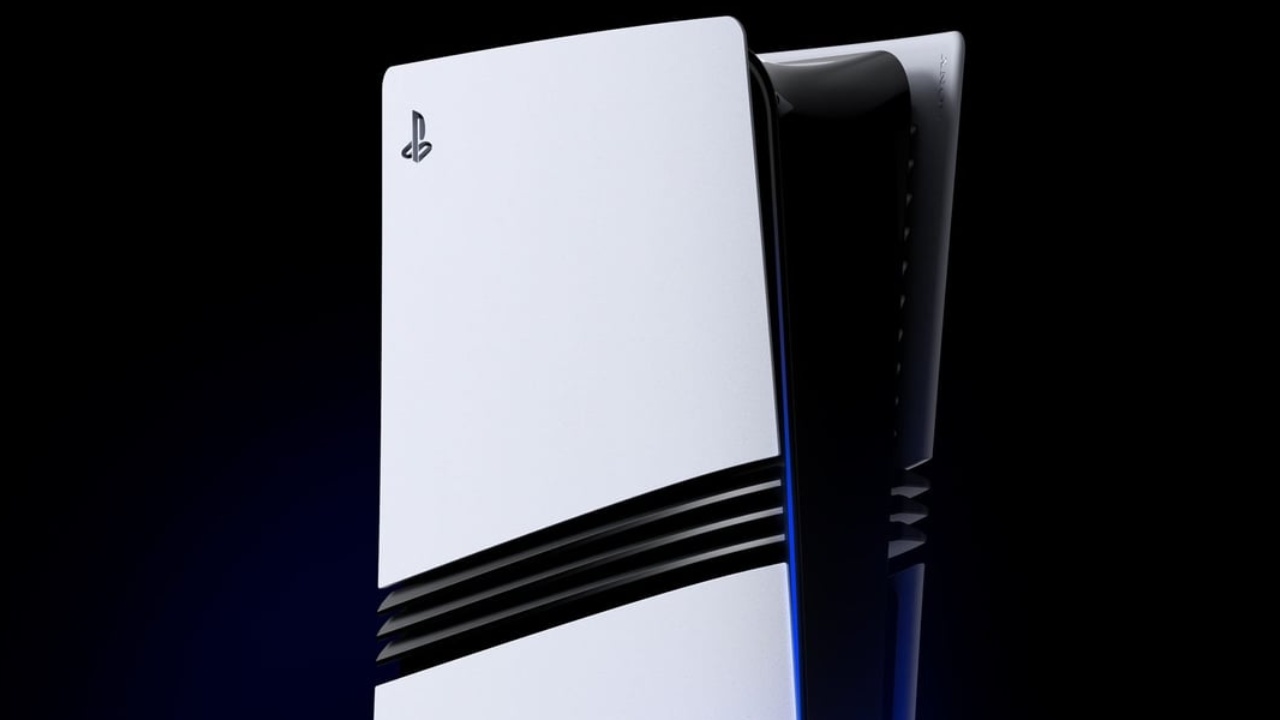
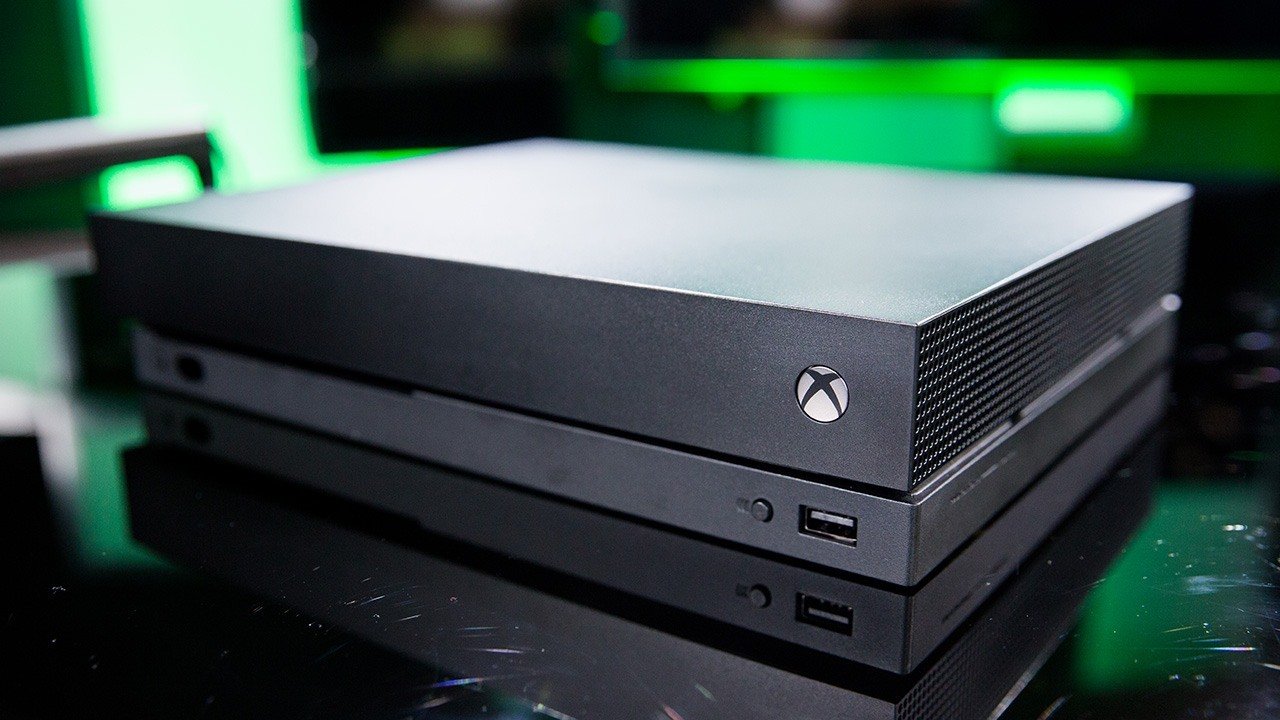
One of the most interesting things is that the APUs in the two consoles are said to be different sizes. The Xbox Magnus APU is estimated to be 46% larger than the PS6 counterpart. This big jump makes it seem like Microsoft's new console could be a lot more powerful on paper, but it also makes people wonder about how well it will function and how much it will cost.
In the past, higher die sizes haven't always led to better results in the actual world. We’ve seen examples before: the Xbox One and Xbox Series X both carried larger chips compared to their PlayStation counterparts, but didn’t always outperform them in practice. The Xbox One’s bigger die allowed for 8GB of DDR3 memory rather than the PS4’s 8GB of GDDR5, yet Sony’s faster memory delivered better overall performance at a similar cost.
The same scenario may repeat with Magnus. While its design is reportedly chiplet-based—potentially increasing modularity and yield efficiency—it may also introduce interconnect latency that offsets some of its power gains.
The PS6, on the other hand, is expected to use a smaller, monolithic APU, which could offer smoother integration and potentially fewer technical compromises.
Memory Configuration and Bandwidth Considerations
Recent rumors say that the Xbox Magnus might come with 36GB of GDDR7 memory on a 192-bit bus, and the PS6 might come with 30GB of GDDR7 memory on a 160-bit bus. It is said that both systems use memory modules with 3GB of space. These numbers are amazing when compared to current-generation hardware, but they also mean that the hardware will cost more and may need more complicated cooling systems.
Higher memory bandwidth and total capacity could help with high-resolution texturing, displaying complex worlds, and AI-driven jobs. If creators target equal frame rates and resolution modes on both systems, though, most gamers may not be able to see the benefits as clearly.
Performance, Pricing, and Market Position
A bigger APU and more RAM usually mean a higher bill of materials (BOM). Because Microsoft has been avoiding giving out big hardware subsidies lately, the Magnus console might come out at a higher price. People think it would cost between $1,200 and $1,300, which would make it more like a basic gaming PC than a regular console.
We think that price might still make sense if it works as well as a $2,000 PC with an RTX 5080-class GPU. But, as we've seen before, developers don't always use the hardware to its maximum potential, so higher theoretical performance doesn't always mean better experiences.
Modern upscaling techniques, dynamic resolution, and balance modes often mask or neutralize performance differences between competing systems.
Developer Utilization Dilemma
One major concern is whether developers will meaningfully exploit the Magnus’s rumored performance edge. Even today, the differences between PS5 and Xbox Series X versions of multiplatform games are minimal.
Developers often prioritize development efficiency over granular optimization, opting to use dynamic resolution scaling or identical presets for both consoles.
We’ve observed that studios rarely tune games to take advantage of specific hardware features—especially when time-to-market pressures and cross-platform parity dominate production decisions. If Magnus ends up with significantly more compute power, it may go largely untapped unless Microsoft enables users to control how that power is used.
For instance, letting players change graphic parameters like path tracing quality or upscaler preferences might make the system more flexible, like a PC. That versatility would let players change the resolution, frame rate, and effects to fit their own tastes. If you don't have it, the extra hardware power might just be extra cost for slightly higher dynamic resolution scaling, which seems like a squandered chance.
Potential Evolution Toward a Hybrid PC Console
We think that if the next Xbox really wants to be a hybrid PC, it needs to completely adopt PC-style features. That means broad display support beyond standard living-room TVs, compatibility with 240hz or even 500hz monitors, and access to advanced graphical settings.
At the same time, Microsoft needs to maintain the console’s hallmark ease of use. Offering “Performance,” “Balanced,” and “Quality” modes as default presets would satisfy casual users, while tucking full configuration menus deeper within the interface for enthusiasts to explore. This design could give both audiences what they want—plug-and-play simplicity and deep hardware customization.
Final Thoughts
It looks like the PS6 and Xbox Magnus will pursue completely divergent paths once again. It looks like Sony is focusing on making things more efficient and easier to use, while Microsoft is trying to push the limits with a more PC-like, chiplet-based powerhouse.
However, as we’ve seen from past generations, larger chips and theoretical performance advantages do not always translate into meaningful gameplay differences.
As development tools, compression technologies, and upscaling methods continue to evolve, the next-generation landscape may hinge less on raw power and more on intelligent design and software optimization.
The coming years will reveal whether the Xbox Magnus’s ambitious specifications and hybrid direction can truly redefine what we expect from a console, or whether the PS6’s balanced approach will once again prove that efficiency and focus matter more than brute strength.
Also, check our other PS5 articles below:
- PS5 Pro vs. PS5 Slim: Frame‑Rate, Graphics & Performance
- PS5 Pro vs. Radeon RX 9060 XT vs RTX 5060 Ti: Ultimate $700 Gaming Showdown
- ASUS ROG Ally PS5 Remote Play | How to do Remote play on PS5 Using Sony's Official Remote Play App
- Stream PS5 Games on Steam Deck OLED: Step-by-Step Installation and Configuration
- AI Upscaling on PS5 Pro: Can PSSR Finally Match DLSS?
- PS5 Pro vs. PS5 Slim vs. PS5 — Design, Storage, Specs, and Gaming
- PS5 Pro vs. Xbox Series X: Specs, Price, Storage, Customization, and Gaming
- PS5 Pro vs. PC Gaming: Comparison of Graphics, Frame Rates, and Price
Senior Editor, NoobFeed
Gaming Hardware Updates
No Data.