
Xbox Project Helix Could Finally Challenge Steam’s Dominance on PC Gaming
Microsoft’s Project Helix strategy aims to merge console simplicity with the flexibility and power of modern PC gaming.
Hardware by Tanvir Kabbo on May 16, 2026
Microsoft's long-term game strategy is becoming more apparent as Xbox keeps pushing Helix and its more expansive Xbox PC gaming platform. Recent conversations around its GDC presentation included one in which Xbox aims to become more than a console and adopt a more streamlined gaming platform optimized for both console and PC, while also being unified with Windows and PC hardware.
As other companies like Valve, handheld gaming devices, and next-generation consoles enter the fray, Xbox looks like it's trying to become a simpler operating system designed primarily for games and to compete with Steam on the PC.
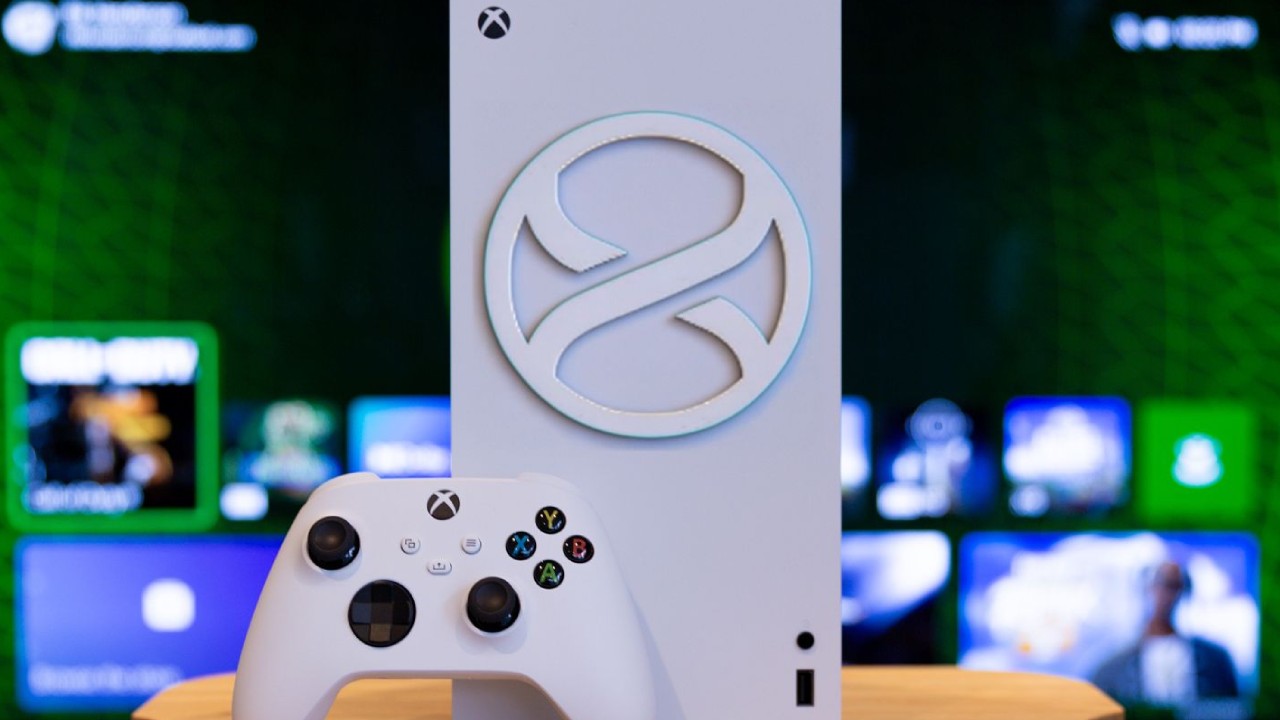
Unfortunately, Ray had a full schedule, so the discussion moved to firsthand experiences from extensive PC and handheld gaming. With Xbox mode on Windows PCs, the path Microsoft is going with Project Helix appears to be a good one, even at this early stage.
The recently released Game Dev presentation on the Microsoft Game Dev channel had many initially hoping the game would be a brand-new Project Helix title. Rather, the presentation mostly confirmed and amplified rumors and leaks that had been circulating for some time. That proved to be good news, since Microsoft seems quite determined about the path the platform is taking.
Xbox Finally Challenges Valve’s Dominance on PC
For years, Valve has reigned supreme in the Windows gaming ecosystem with Steam. Steam is usually the first thing most PC gamers install when they set up a new system (often before even a web browser). Players stay within Valve's ecosystem for years because of the extensive game library it has built.
Showdown titles such as Call of Duty: Black Ops and Left 4 Dead 2 are timeless games that will never go out of style, tracking players with each new release of PC, handheld, or gaming console. One of Steam's many strengths is long-term library attachment.
Over the last 15 years, Microsoft has been slowly moving closer to a better position. All of these and more helped to beef up the Xbox ecosystem on Windows, including the Xbox Store's rebuild, controller support, and the introduction of Game Pass to PC.
The launch of the Xbox ROG Ally X and the full-screen Xbox experience marked a major turning point – it was the first time Microsoft began treating PC gaming seriously as a platform of its own, not a branch of the Xbox console.
Now, it appears that the next Xbox device could look more like a custom-built gaming PC than a closed console ecosystem. The GDC presentation further fueled those rumors, and it seems like Microsoft is wholeheartedly taking that approach.
FSR Advancements Could Be One of Project Helix’s Biggest Features
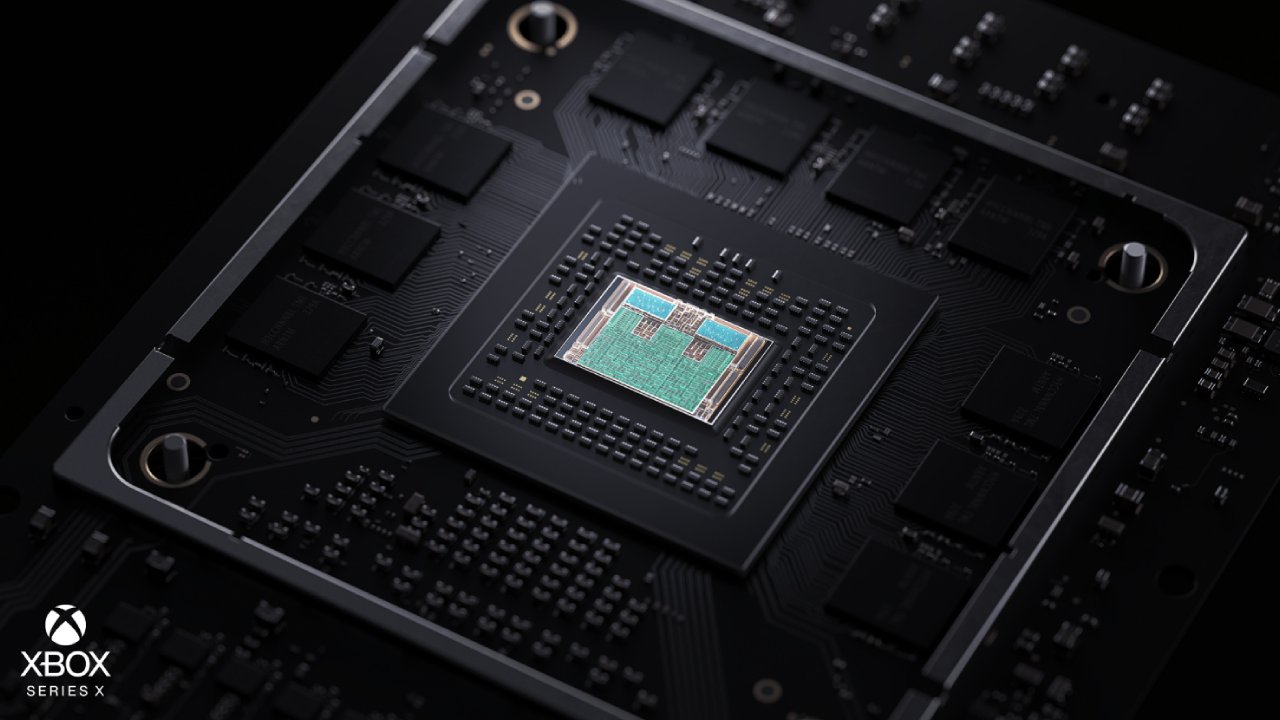
The collaboration between Microsoft and AMD on future upscaling advancements was one of the most important aspects of the presentation, alongside AMD's FSR technology.
In the past, Sony had a partnership with AMD to help develop PSSR for the PS5 Pro, essentially porting newer versions of FSR to console hardware. Many early versions of FSR had lower-quality visual performance than DLSS, including shimmering, incorrect hair texture, and poor reconstruction. Despite those compromises to the eye, there were not always major performance gains.
However, with the FSR 4.5, the situation has drastically changed, making it much more competitive in terms of image clarity and stability. Microsoft seems intent on making sure that Project Helix can continue to work with future FSR technologies, not as an afterthought, but as part of the core.
The reason is important because it has become integral to the performance of today's games, with image reconstruction and upscaling playing a vital role. Especially in console games, many titles nowadays rely on upscaling to boost resolution and improve framerate stability.
Frame Generation Still Raises Concerns
Advanced upscaling is exciting, but frame generation is a bigger issue. The mechanism for frame generation inserts AI-generated frames between rendered frames, thereby faking a higher framerate.
A game running at 60 fps can appear to be 120 frames per second because intermediate frames are generated. On lower-powered devices such as handheld PCs, some games may even use frame generation to transform 20fps or 30fps gameplay into something that visually resembles 40fps or 60fps.
The issue is that generated frames add extra latency. The lower frame rate in the original game can still be felt in responsiveness, though it is not obvious in the gameplay itself. As modern games increasingly optimize for 30 fps and rely on upscaling and frame generation, mistrust of optimization practices is growing.
Increasingly, developers are turning to these technologies as alternatives to more extensive optimization efforts, raising concerns about the future trajectory of game performance in the industry.
Pricing Will Ultimately Decide Project Helix’s Success
One of the main unanswered questions about Project Helix is its pricing. The platform is expected to rival future PlayStation, Nintendo, and Steam hardware, as well as gaming PCs.
When buying a decent gaming rig for under $1,000, you are still in a challenging market due to the ever-skyrocketing prices of modern-day hardware. While raw specs might seem similar to today's consoles, PC gaming typically demands more overhead in terms of operating systems, drivers, compatibility layers, and system management.
That's an objective fact, which means that Microsoft could have to offer its hardware at a significant discount or optimize software to make a strong value proposition. But with a boutique feel, solid hardware, and a well-groomed console-like look and feel, Project Helix could appeal to a very loyal crowd, even if it doesn't sell as many units as traditional consoles.
.jpg)
Competition Could Benefit the Entire Gaming Industry
One of the most recent triumphs that Valve has enjoyed has been making its games more fun to play and getting people to play them physically rather than engage in platform loyalty politics. The Steam Deck and SteamOS were successful thanks to their emphasis on convenience, accessibility, and user experience.
It seems Microsoft is now going down a similar path, with its new Xbox efforts more closely integrating with Windows and establishing a more game-centric atmosphere for the operating system they already own.
The rivalry between Valve and Microsoft, even for those who aren't into Linux or SteamOS, could ultimately benefit consumers, as competition could lead to better features, more competitive pricing, and more refined games across all platforms.
The grand plan also embodies a newfound understanding within Microsoft that Windows itself is one of the company's biggest game strengths. Project Helix doesn't try to divide Xbox and Windows into distinct worlds—it's intended to bring the two together to create a one-stop, console-like gaming platform that's flexible and easy to navigate.
Microsoft’s shake-up of Xbox’s leadership has already resulted in several consumer-friendly improvements, including revisions to the Game Pass pricing and the abandonment of several less popular AI-driven features. If the trend continues, and with the continuous growth of gaming hardware and software integration, Project Helix might be one of Microsoft’s greatest gaming projects in years.
Senior Editor, NoobFeed
Gaming Hardware Updates
No Data.